JCI-accredited · 45+ hospitals & clinics · 90+ countries served · 24/7 multilingual support
Comparison Guide

Best LASIK Eye Surgery Clinics in Turkey

A clinically grounded guide to choosing where to have your lasik eye surgery in Türkiye — hospital-based care, accredited facilities and physician-led teams, compared openly.

Updated July 2026 Clinically reviewed Transparent methodology
8 facilities compared

LASIK (both eyes) — package price

Türkiye$1,500–$2,800
United States$5,400–$10,080
Save up to 72%JCI-accredited network

Best LASIK Eye Surgery Clinics in Turkey is a search many international patients make after realizing that price alone does not explain the real difference between providers. LASIK is a planned medical procedure, and the quality of the evaluation, the operating environment, and the aftercare process all shape the patient experience. A useful comparison guide should therefore look past headline package numbers and ask more practical questions: Is the hospital internationally accredited? Is care organized by physicians? Is there clear follow-up? For patients traveling abroad, these points matter as much as the procedure itself, because they help define how safely and efficiently treatment is delivered.

Turkey has become a serious consideration for refractive eye care because it combines established private hospital infrastructure with indicative package ranges that are often lower than those seen in the United States. Still, lower pricing should not be confused with identical standards across the market. Some providers operate in fully licensed hospitals with broad surgical capacity and documented international patient systems, while others may center the process more heavily on sales communication than clinical planning. Patients comparing options need a framework that highlights accreditation, hospital capacity, physician oversight, and practical support such as transfers, language assistance, and written aftercare guidance.

This guide focuses on those decision points and uses a clear methodology to review hospitals within one internationally recognized network. Every facility included here is JCI-accredited and part of a licensed hospital environment, which is relevant for patients who prefer hospital-based care rather than standalone arrangements. The aim is not to promise outcomes or reduce the decision to a simple ranking. Instead, it is to explain how experienced patients should assess providers, what LASIK and related procedures actually involve, how recovery usually unfolds, and how indicative market-level package ranges in Turkey compare with typical U.S. pricing for similar categories of treatment.

How this list is compiled
  • International accreditation (JCI) and licensed hospital status
  • Physician-led planning and clinical oversight rather than sales-led workflows
  • Facility capacity: operating environment, inpatient backup, infection control
  • International patient services: language support, transfers, documented aftercare

Content prepared under our Editorial Policy and reviewed under the Medical Review Board process.

01 Acibadem Altunizade Hospital is a multidisciplinary medical facility within Acibadem Healthcare Group in Istanbul, Türkiye. Designed to serve both local and international patients, the hospital brings together medical and surgical specialties, advanced diagnostic services, inpatient care, and coordinated patient support under one integrated structure.

Acibadem Altunizade Hospital

İstanbul, Türkiye

Acibadem Altunizade Hospital belongs on this list because it combines JCI accreditation with major hospital capacity in İstanbul. With 350 beds and 18 operating rooms, it represents a large-scale surgical environment within a licensed hospital setting, which is relevant for patients who want refractive care backed by broad institutional infrastructure. For international patients, that matters not because LASIK typically requires inpatient admission, but because capacity reflects organized perioperative systems, infection control processes, and access to wider hospital resources. Within the Acibadem network, it also benefits from physician-led planning and established international patient support pathways.

JCI Accredited 350 beds 18 operating rooms International patient services
02 Acibadem Atakent Hospital is a multidisciplinary medical facility within Acibadem Healthcare Group in Istanbul, serving both local and international patients. The hospital brings together diagnostic, medical, and surgical specialties in a coordinated environment designed for safe, efficient, and patient-centered care.

Acibadem Atakent Hospital

İstanbul, Türkiye

Acibadem Atakent Hospital is a strong inclusion for patients comparing hospital-based refractive care in İstanbul. It is JCI-accredited and has 262 beds with 8 operating rooms, indicating a substantial licensed hospital environment rather than a narrow outpatient setup. That scale supports the kind of structured surgical workflow international patients often look for when arranging treatment abroad. In practical terms, the hospital profile aligns with key comparison criteria: recognized accreditation, physician-led clinical oversight, and the operational capacity associated with infection control and coordinated care. As part of the same network, it also fits a documented approach to language support, transfers, and aftercare planning.

JCI Accredited 262 beds 8 operating rooms International patient services
03 Advanced Medical Excellence in the Heart of Istanbul

Acibadem Maslak Hospital

İstanbul, Türkiye

Acibadem Maslak Hospital stands out on this list through its combination of JCI accreditation and high operating capacity in İstanbul. With 230 beds and 20 operating rooms, it reflects a hospital environment built for complex surgical coordination and controlled operating processes. For patients considering LASIK or related refractive pathways, those features support confidence in the broader care setting even when the procedure itself is short and planned. The hospital also aligns with the methodology used in this guide: licensed hospital status, physician-led planning, and infrastructure that supports infection control and perioperative organization, together with international patient services expected within the Acibadem system.

JCI Accredited 230 beds 20 operating rooms International patient services
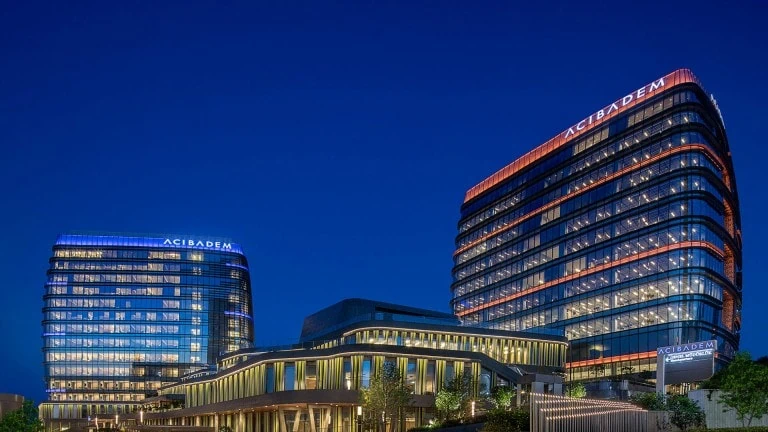
04 Acibadem Hospitals Group modern hospital buildings illuminated at night, showcasing advanced healthc.

Acibadem Atasehir Hospital

İstanbul, Türkiye

Acibadem Atasehir Hospital merits inclusion because it offers JCI-accredited hospital care in İstanbul with 210 beds and 12 operating rooms. These figures suggest a well-developed surgical environment with the institutional systems many international patients want behind a planned eye procedure. While LASIK itself is usually not an inpatient treatment, hospital capacity still matters as an indicator of organized operating conditions, clinical governance, and access to broader support if needed. In this comparison guide, the hospital fits the selected methodology through its accredited status, licensed setting, physician-centered workflow, and network-based international patient services including language support and documented aftercare processes.

JCI Accredited 210 beds 12 operating rooms International patient services
05 Acibadem Kent Hospital is a private medical facility in Izmir, Türkiye, within the Acibadem Healthcare Group. Serving both local and international patients, the hospital offers multidisciplinary healthcare supported by hospital-based diagnostic, treatment and follow-up units. Its location in Izmir, one of Türkiye’s most accessible coastal cities, makes it a practical choice for patients who are combining medical care with international travel.

Acibadem Kent Hospital (Izmir)

İzmir, Türkiye

Acibadem Kent Hospital (Izmir) is an important option for patients who prefer treatment outside İstanbul while still prioritizing a JCI-accredited hospital setting. Located in İzmir, it has 190 beds and 12 operating rooms, reflecting meaningful surgical capacity in a licensed hospital environment. That profile supports the practical concerns many international patients have when evaluating refractive care abroad: recognized accreditation, structured operating systems, infection control, and access to wider hospital resources. As part of the Acibadem network, it also aligns with physician-led planning and organized international patient services, which can simplify transfers, communication, and written follow-up for traveling patients.

JCI Accredited 190 beds 12 operating rooms International patient services
06 Acibadem Kartal Hospital is a modern medical facility located in Istanbul’s Kartal district, serving patients on the Anatolian side of the city and welcoming international patients who travel to Türkiye for medical care. As part of Acibadem Healthcare Group, the hospital brings together multidisciplinary medical expertise, patient-focused service, and coordinated care pathways designed to support patients from first enquiry through recovery and follow-up.

Acibadem Kartal Hospital

İstanbul, Türkiye

Acibadem Kartal Hospital earns its place on this list as a JCI-accredited hospital in İstanbul offering a licensed clinical environment with 127 beds and 4 operating rooms. Although smaller than some other facilities in the network, it still provides the core characteristics used in this guide’s methodology: international accreditation, hospital-based surgical organization, and a structure suited to physician-led planning rather than purely commercial workflows. For international patients, that combination can be more meaningful than scale alone. The hospital also benefits from Acibadem’s broader approach to international care, including support for communication, logistics, and documented aftercare after refractive treatment.

JCI Accredited 127 beds 4 operating rooms International patient services
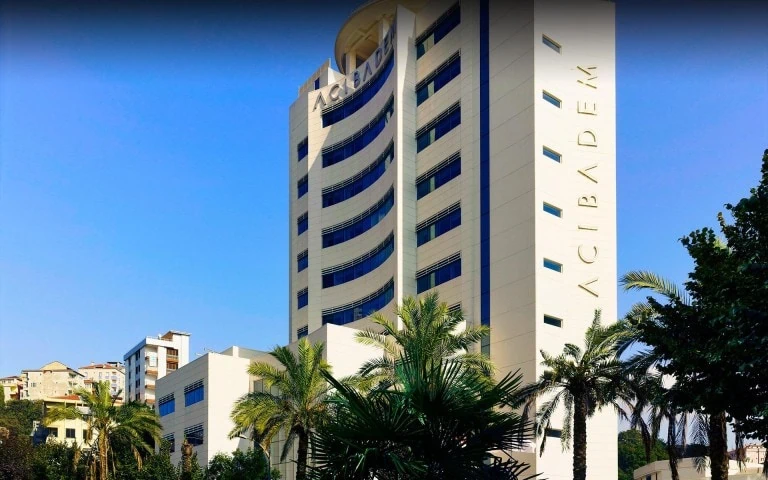
07 Acibadem Hospitals Group modern hospital building in Istanbul with palm trees in front.

Acibadem Fulya Hospital

İstanbul, Türkiye

Acibadem Fulya Hospital is included because it provides JCI-accredited hospital care in İstanbul with 124 beds and 8 operating rooms. Those numbers indicate a compact but established surgical setting within a licensed hospital framework, which is relevant for patients who want refractive treatment supported by formal hospital systems. In evaluating eye surgery providers, accreditation and organization often matter more than promotional claims, and this hospital meets the methodology used in this guide. It also shares the network’s emphasis on physician-led clinical oversight and international patient services, helping traveling patients navigate planning, communication, and postoperative instructions with greater clarity.

JCI Accredited 124 beds 8 operating rooms International patient services
08 Exterior view of Acibadem Bodrum Hospital at dusk with modern architecture.

Acibadem Bodrum Hospital

Muğla, Türkiye

Acibadem Bodrum Hospital belongs on this list as a JCI-accredited option in Muğla for patients who want hospital-based refractive care outside the larger metropolitan centers. With 108 beds and 4 operating rooms, it offers a licensed medical environment that still meets the key comparison standards applied throughout this guide. For international patients, the relevance lies in the combination of accreditation, structured surgical processes, and access to broader hospital support rather than in size alone. As part of the Acibadem network, it also reflects physician-led planning and established international patient pathways, including language support, transfer coordination, and documented aftercare.

JCI Accredited 108 beds 4 operating rooms International patient services
Physician-Led Care

Meet the specialists

Treatment at these facilities is planned and performed by named, credentialed physicians — the single strongest predictor of a safe outcome in lasik eye surgery.

Patient Voices

What international patients say

★★★★★From 2,400+ verified patient reviews
★★★★★ Verified Patient

“I had been worried for months, but my LASIK procedure was sorted out quickly and clearly. Dr. Paşaoğlu is clearly an expert and it showed at every stage. I am deeply grateful for everything.”

Julia M. · Belgium May 2026
★★★★★ Verified Patient

“My LASIK procedure exceeded every expectation I had. Prof. Dr. Karaküçük is clearly an expert and it showed at every stage. The international patient office coordinated everything perfectly.”

Yousef H. · Qatar April 2026
★★★★★ Verified Patient

“After twenty years of glasses, the laser procedure gave me perfect vision overnight. Painless and precise.”

Daniel E. · Somalia March 2026
★★★★★ Verified Patient

“My experience with LASIK procedure here restored my faith in medical care. Dr. Çakmakçı answered all of my questions with patience.”

Ana I. · North Macedonia January 2025
In Depth

How to Evaluate Providers Beyond Price

When patients compare the best LASIK eye surgery clinics in Turkey, price is usually the first filter, but it should not be the final one. LASIK is not a commodity purchased from a menu; it is a refractive procedure that depends on appropriate patient selection, preoperative measurements, treatment planning, and follow-up. A lower package range may look attractive at first glance, yet it tells you very little about who evaluates your eyes, where the procedure is performed, or what happens if your assessment suggests that LASIK is not the right option. The more reliable way to compare providers is to review the structure behind the package, not just the number attached to it.

A practical methodology starts with accreditation and hospital licensing. In this guide, the listed facilities are all JCI-accredited hospitals, which gives patients an internationally understood marker when assessing systems, standards, and organizational processes. The second layer is whether the workflow is physician-led. International patients often interact first with coordinators, but treatment planning itself should remain under clinical oversight rather than being shaped primarily by sales objectives. That distinction matters because eligibility for refractive surgery depends on eye health, corneal measurements, refractive stability, and broader medical judgment, not just a patient's preference for a specific procedure.

Capacity also matters more than many patients initially assume. Even though LASIK is usually a short, planned intervention, it still benefits from a structured operating environment, infection control processes, and access to wider hospital resources if needed. This is one reason larger multispecialty hospitals are often preferred by risk-aware international patients. Bed capacity and operating room numbers do not tell the whole clinical story, but they do indicate that the hospital is built for organized surgical care, inpatient support, and coordinated services. These are signs of infrastructure, not marketing language, and they should be part of any serious comparison.

Finally, international patient services deserve careful attention. Travel medicine is not only about the procedure itself; it is also about communication and continuity. Patients should look for language support, transfer coordination, and documented aftercare instructions they can follow once they return home. Good providers make the journey understandable from first contact through discharge and follow-up. That clarity reduces stress and can help patients prepare realistically for timing, recovery, and next steps. In short, the strongest comparison model combines accreditation, physician oversight, hospital capacity, and documented international support rather than relying on low advertised prices alone.

LASIK and Related Techniques Explained Honestly

LASIK is designed to reduce dependence on glasses or contact lenses by reshaping the cornea so light focuses more accurately on the retina. It is widely known, but it is not the only refractive option patients may encounter during a consultation. An honest provider should explain not only what LASIK is, but also whether another technique may be more appropriate based on age, refractive error, corneal characteristics, or lens status. That is why a physician-led evaluation matters. Patients sometimes arrive expecting LASIK, yet the clinical assessment may indicate that a different approach is more suitable for their anatomy and visual goals.

In comparison discussions, LASIK is often mentioned alongside refractive lens exchange and cataract surgery because all three may appear in the same refractive care pathway. They are not interchangeable. LASIK acts on the cornea, while refractive lens exchange replaces the natural lens and is more often considered in patients whose age or ocular profile makes lens-based correction a more relevant discussion. Cataract surgery, by contrast, addresses a cloudy natural lens and may also change refractive status. Understanding these differences helps patients ask better questions and avoid choosing a procedure category based only on internet familiarity or headline pricing.

A credible consultation should therefore include more than a simple yes-or-no answer on candidacy. Patients should expect a discussion of what the recommended procedure is intended to address, why it fits their clinical profile, and what the immediate recovery expectations are. In the context of the best LASIK eye surgery clinics in Turkey, the key quality marker is not that every patient receives LASIK; it is that the hospital and physician team use objective evaluation to decide whether LASIK, refractive lens exchange, or another pathway makes clinical sense. Appropriate selection is a sign of mature refractive practice.

Patients should also be cautious about language that implies one technique is universally superior. Refractive surgery is individualized medicine. The right treatment depends on measurements, examination findings, and personal circumstances, including how soon the patient plans to travel and what type of visual correction they seek. The most trustworthy hospitals present options clearly and explain limitations without oversimplifying. That tone may feel less promotional than some advertising, but it is often more useful for real decision-making. A well-informed patient is not simply sold a procedure; they are assessed, advised, and guided through a treatment plan that reflects clinical judgment.

Safety, Accreditation, and Why Hospital Settings Matter

LASIK is commonly described as minimally invasive and efficient, but safety assessment should still be taken seriously. For international patients, one of the clearest starting points is to choose a licensed hospital with recognized accreditation rather than relying only on clinic branding. JCI accreditation is meaningful because it signals an external framework for evaluating hospital systems and processes. It does not guarantee a specific individual outcome, and it should not be presented that way. What it does offer is a structured reference point for patients who want to compare institutions using a standard that is broadly recognized across international healthcare.

Hospital setting matters because refractive procedures do not happen in isolation. Even when treatment is planned as day care, patients benefit from organized surgical infrastructure, infection control protocols, and access to broader multidisciplinary support. This guide includes hospitals with substantial bed capacity and multiple operating rooms, ranging from medium-scale facilities to major tertiary environments. Those figures reflect a level of institutional readiness that many traveling patients find reassuring. They suggest the hospital is accustomed to surgical workflows, perioperative coordination, and the standards expected in a full-service medical environment rather than a narrow commercial setup.

Clinical oversight is another major safety theme. In medical travel, patients can sometimes experience a disconnect between sales communication and doctor-led decision-making. A stronger model keeps physicians central to eligibility assessment, treatment planning, and documented aftercare. That structure reduces the chance of oversimplified promises and helps ensure that if LASIK is not appropriate, the patient is told so early and clearly. The value of hospital-based care is therefore not only the building itself, but also the governance around the patient pathway: evaluation, consent, treatment planning, procedure logistics, and recovery instructions under a clinical framework.

For many readers researching best LASIK eye surgery clinics in Turkey, safety concerns are not abstract. They are practical questions about where the procedure is performed, how complications would be managed if a patient needed more support than expected, and whether aftercare instructions are clearly documented for the trip home. A hospital with international patient services, language support, transfer coordination, and written follow-up processes can make these issues easier to navigate. Safety is rarely one dramatic feature; it is usually the sum of accreditation, environment, oversight, communication, and continuity of care working together.

The Patient Journey and Typical Recovery Timeline

From the patient perspective, a well-organized refractive treatment journey begins before arrival. International patients usually start by sharing basic information and then arranging an in-person examination once they travel. At a physician-led hospital, the key step is the onsite assessment rather than the marketing conversation that came before it. This is when candidacy is confirmed, measurements are reviewed, and the procedure plan is finalized. If LASIK is appropriate, treatment is typically scheduled efficiently within the broader hospital system. If it is not, the patient should be counseled on alternatives rather than pushed toward a predetermined pathway.

On the day of treatment, the experience is usually structured and relatively brief, but patients should still think of it as a medical procedure, not a casual beauty appointment. Administrative check-in, consent review, eye preparation, and postoperative instructions are all part of the process. A hospital-based environment can make these transitions smoother because the systems for surgical flow are already established. For international patients, language support and transfer coordination are especially helpful at this stage. Clear communication reduces uncertainty and helps patients understand what to expect immediately after the procedure and in the first hours of recovery.

Recovery after LASIK is often measured in stages rather than a single endpoint. The immediate period usually focuses on rest, eye protection, and following written medication and care instructions. Early follow-up is important, particularly for travelers who need confirmation that recovery is progressing in a routine way before flying home. Many patients can resume light daily activity relatively quickly, but realistic planning is still essential. It is sensible to build in time for assessment, the procedure, and a postoperative review rather than trying to compress the entire trip into the shortest possible window. Good planning is part of good care.

Once home, continuity matters as much as convenience. Patients should leave with documented aftercare guidance that explains medication use, hygiene measures, activity restrictions, and signs that require medical contact. This is one of the most practical differences between organized hospital programs and less structured arrangements. The best LASIK eye surgery clinics in Turkey are not defined only by the procedure day; they are defined by how coherently the whole journey is managed, from pre-travel coordination to postoperative review and discharge instructions. For international patients, that continuity can be the difference between a stressful trip and a predictable, medically supervised experience.

Costs, Package Ranges, and What to Ask About Inclusions

Indicative market-level package ranges in Turkey are one reason many patients begin researching this field. For LASIK in both eyes, the range provided here is USD 1,500 to 2,800 in Turkey, compared with USD 5,400 to 10,080 in the United States, representing an indicative difference of about 72 percent. For refractive lens exchange, the Turkish range is USD 2,800 to 5,200 versus USD 10,080 to 18,720 in the U.S. For cataract surgery in both eyes, Turkey is listed at USD 1,800 to 3,200 compared with USD 6,480 to 11,520 in the U.S. These are market-level ranges, not quotations or guarantees.

Those figures are useful for orientation, but they should always be interpreted in context. A package range can include different combinations of services depending on the provider, and international patients should clarify what is covered before making travel decisions. Typical points to ask about include the consultation, preoperative tests, the procedure itself, medications, transfers, translation support, and postoperative reviews. Inclusions are important because a seemingly lower number may reflect a narrower package rather than more efficient care. Comparing like with like is the only meaningful way to understand value across providers and countries.

Patients should also avoid assuming that the lowest price represents the strongest decision. In refractive care, value comes from the quality of the clinical pathway, not just the procedure fee. A physician-led assessment in a JCI-accredited hospital with broad surgical infrastructure and documented aftercare may reasonably sit at a different level than a lighter-touch arrangement. The question is not simply what the package costs, but what systems stand behind it. That is especially relevant when comparing best LASIK eye surgery clinics in Turkey, where hospital standards, international support, and clinical governance can vary significantly between providers.

A well-prepared patient asks precise questions: Who determines candidacy? Where is the procedure performed? What follow-up is included before departure? What written aftercare will I receive? Are transfers and language support part of the package? These questions help convert a headline number into a real comparison. Cost matters, and Turkey remains competitively positioned on an international basis, but informed patients should treat pricing as one component of a broader decision. The safest and most practical choice is usually the provider that combines transparent package structure with accredited hospital care, physician oversight, and clear continuity after treatment.

Indicative Pricing

What does it cost in Türkiye?

ProcedureTürkiye (package)United States
LASIK (both eyes) $1,500 – $2,800 $5,400 – $10,080 save ~72%
Refractive Lens Exchange $2,800 – $5,200 $10,080 – $18,720 save ~72%
Cataract Surgery (both eyes) $1,800 – $3,200 $6,480 – $11,520 save ~72%

Indicative market-level package ranges — not a quote or an offer. Compare more countries and currencies in the free Cost Calculator. Open the Cost Calculator →

Good to Know

Frequently asked questions

How do I compare LASIK providers in Turkey without focusing only on price?
Start with accreditation, hospital licensing, and whether treatment planning is physician-led. Then look at the care environment: operating capacity, infection control, and access to broader hospital resources. Finally, review international patient services such as language support, transfers, and written aftercare. A lower package range can be attractive, but it does not tell you how the clinical pathway is organized. For international patients, structure and continuity are as important as cost.
Why does JCI accreditation matter for eye surgery patients?
JCI accreditation gives international patients a recognized reference point when assessing hospital systems and organizational standards. It should not be treated as a guarantee of a specific result, but it does indicate that the hospital operates within an externally evaluated framework. For patients traveling abroad, that can make provider comparison more practical and transparent. In refractive care, it is especially useful when combined with licensed hospital status, physician oversight, and clear aftercare processes.
Is LASIK the right choice for every patient seeking vision correction?
No. LASIK is one refractive option, but suitability depends on the patient’s eye health, measurements, refractive stability, age, and clinical findings. Some patients may be better evaluated for alternatives such as refractive lens exchange, while others may need a different plan altogether. This is why physician-led assessment is essential. A reliable provider should confirm candidacy through examination and testing rather than assuming that every patient who requests LASIK should receive it.
Why choose a hospital setting for LASIK instead of a simpler clinic model?
A hospital setting offers more than the procedure room itself. It usually provides structured operating workflows, infection control systems, perioperative coordination, and access to broader medical support if needed. Even though LASIK is commonly a planned day procedure, many international patients prefer the reassurance of a licensed hospital environment. Hospital capacity also reflects organizational maturity, which can be relevant for communication, scheduling, documentation, and the overall management of care before and after treatment.
How long should I plan to stay in Turkey for LASIK?
Patients should plan enough time for examination, treatment, and an early postoperative review before traveling home. Exact timing depends on the provider’s workflow and the clinical findings during the in-person assessment. It is generally wise not to compress the trip too tightly, because candidacy must be confirmed before treatment and written aftercare should be reviewed carefully before departure. Practical planning is part of safe medical travel, especially when follow-up needs to be documented clearly for the return home.
What is the recovery process usually like after LASIK?
Recovery is usually best understood in phases. Immediately after treatment, patients focus on rest, medications, eye protection, and following discharge instructions. An early follow-up review is important, especially for international patients who need confirmation that recovery is progressing appropriately before they travel. Light daily activities may resume relatively quickly for many patients, but the exact timetable should come from the treating team. Written aftercare guidance is essential for medication use, hygiene, activity restrictions, and when to seek medical advice.
What are the indicative price ranges for LASIK and related procedures in Turkey?
Based on the market-level data provided here, LASIK for both eyes in Turkey ranges from about USD 1,500 to 2,800. Refractive lens exchange ranges from USD 2,800 to 5,200, and cataract surgery for both eyes ranges from USD 1,800 to 3,200. These are indicative package ranges, not quotes. They are notably lower than the U.S. ranges listed in the same dataset, but patients should still confirm exactly what services are included before comparing providers.
What should I ask about package inclusions before booking travel?
Ask whether the package includes consultation, preoperative testing, the procedure itself, medications, transfers, language assistance, and postoperative reviews before departure. Also ask who confirms candidacy, where the treatment is performed, and what written aftercare you will receive for the return home. These questions help you compare value rather than just numbers. A transparent package in a JCI-accredited hospital with physician-led planning is often more informative than a low headline price without clear inclusions.
We’re With You at Every Step

How can we help you today?

We value your privacy We use essential cookies to run this site and, with your consent, analytics cookies to understand how it is used and improve it. You can accept, reject, or choose what to allow. See our Cookie Policy.