Lcl Injury — Explained by Medical Evidence, Not Myths
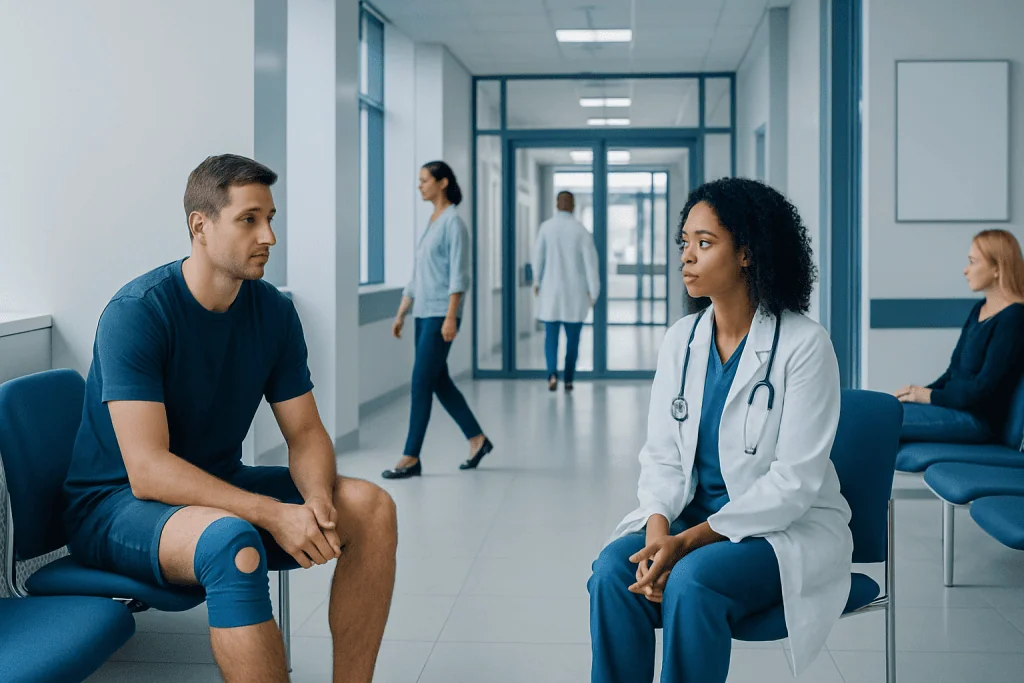
The LCL helps stabilize the outer side of the knee, especially during side-to-side movement. Symptoms often include pain on the outer knee, swelling, tenderness, and a feeling that the knee may give way.
Key Takeaways
- The LCL helps stabilize the outer side of the knee, especially during side-to-side movement.
- Symptoms often include pain on the outer knee, swelling, tenderness, and a feeling that the knee may give way.
- Mild LCL injuries may heal with rest, bracing, and physical therapy, while severe tears may need surgery.
- A careful exam and imaging tests such as MRI help confirm the diagnosis and identify related injuries.
- Early assessment is important if walking is difficult, the knee feels unstable, or swelling follows trauma.
An LCL injury is damage to the lateral collateral ligament on the outer side of the knee. It commonly happens after a blow to the inside of the knee or a twisting movement, and treatment depends on how badly the ligament is stretched or torn.
Overview: what an LCL injury means
An lcl injury means the lateral collateral ligament has been stretched, partially torn, or completely torn. This ligament runs along the outer side of the knee and connects the thighbone to the smaller bone in the lower leg. Its main role is to help keep the knee stable, especially when the joint is exposed to sideways force.
People often use the term “outer knee ligament injury” to describe this problem. It may happen during sports, a fall, a sudden twist, or a direct blow to the inside of the knee that pushes the joint outward. Some injuries are isolated, but others occur together with damage to other structures in the knee, such as the cruciate ligaments or cartilage.
LCL injuries are usually graded by severity. A grade 1 injury is a mild stretch, grade 2 is a partial tear, and grade 3 is a complete tear with more significant instability. This grading helps guide treatment and gives a clearer idea of how long recovery may take.
Symptoms and how it may feel

The most common symptom of an lcl injury is pain on the outer side of the knee. The area may feel tender to touch, and swelling can appear soon after the injury or over the next several hours. Some people also notice bruising around the outer knee.
A key feature is instability. The knee may feel loose, weak, or as if it could give way during walking, turning, or going down stairs. This is more likely when the ligament is more seriously torn or when there are associated injuries elsewhere in the knee.
Symptoms vary with severity. Mild injuries may cause soreness but still allow walking. More severe tears can make it hard to bear weight, fully bend or straighten the knee, or return to sports safely.
- Outer knee pain
- Tenderness along the ligament
- Swelling or bruising
- Stiffness and reduced movement
- A feeling of looseness or buckling
- Pain with pivoting, side steps, or uneven ground
Causes, risk factors, and related knee injuries

An LCL injury usually happens when force pushes the knee outward while the foot is planted. This may occur in contact sports such as football or soccer, during skiing, in a fall, or in a road traffic injury. A quick twisting movement can also strain the ligament, especially if the leg is caught in position.
Risk factors include sports that involve cutting, pivoting, sudden direction changes, or physical contact. Muscle weakness, poor balance, previous knee injury, and returning to sport too quickly may also increase the chance of ligament problems. Not every case is preventable, but strength and movement training can reduce risk.
LCL injuries may occur on their own, but doctors also look for damage to nearby structures. In higher-force injuries, there may be associated knee ligament injuries involving the ACL, PCL, or the posterolateral corner of the knee. Meniscus injury or bone bruising can also occur, which may change the treatment plan and expected recovery.
How doctors diagnose an LCL injury
Diagnosis starts with the story of how the injury happened and a physical examination. A doctor will ask when the pain began, whether the knee swelled right away, and whether the joint feels unstable. During the exam, they may gently test the knee in different positions to check for tenderness, looseness, range of motion, and signs of other ligament damage.
Imaging can help confirm the diagnosis and show the extent of injury. X-rays do not show the ligament itself well, but they can help rule out a fracture or detect bone alignment problems. MRI is often the most useful test because it can show the LCL and other soft tissues, including cartilage, meniscus, and additional ligament injury.
Prompt evaluation matters because severe LCL tears are not always isolated. If the knee is unstable after trauma, a specialist may recommend a full assessment and, when needed, advanced imaging or MRI scan to build the right treatment plan. In some cases, orthopedic review is especially important when symptoms suggest combined ligament injury rather than a simple sprain.
Treatment options: from rest and bracing to surgery
Treatment depends on the severity of the injury, the person’s activity level, and whether other knee structures are involved. Mild to moderate sprains often improve with conservative care. This usually includes a period of rest, ice, compression, elevation, and temporary activity modification. A brace may be used to support the knee while the ligament heals.
Physical therapy is a central part of recovery. Exercises aim to restore motion, reduce stiffness, improve strength in the thigh and hip muscles, and rebuild balance and control. Many people benefit from a personalized physical therapy and rehabilitation program that progresses gradually from basic movement to sport-specific activity.
Surgery may be considered for a complete tear, persistent instability, or an LCL injury combined with damage to other major ligaments. The procedure may involve repair or reconstruction, depending on the pattern of injury and tissue quality. When surgery is needed, recovery usually includes structured rehabilitation and close follow-up with an orthopedic team, sometimes including knee surgery for complex cases.
Doctors also focus on pain control and safe return to daily activities. Healing time varies, so the best guide is knee function rather than the calendar alone. Returning too soon can increase the risk of ongoing instability or repeat injury.
Recovery, rehabilitation, and return to activity
Recovery from an lcl injury is often gradual. Mild sprains may improve over several weeks, while more significant tears can take much longer, especially if the injury involves more than one ligament or requires surgery. The goal is not only pain relief but also restoring stable movement and confidence in the knee.
Rehabilitation usually progresses in phases. Early care focuses on swelling control, protecting the ligament, and regaining gentle range of motion. Later stages build strength, balance, and coordination, followed by more demanding exercises such as jogging, cutting, and sports drills if appropriate.
Return to work or sport should be individualized. A person should usually have good strength, near-normal movement, and no significant instability before resuming higher-impact activity. Medical guidance is important because returning before the knee is ready may lead to setbacks or chronic symptoms.
In centers experienced in sports and joint care, recovery planning may involve orthopedics, radiology, and rehabilitation specialists working together. Acibadem International’s multidisciplinary specialists in JCI-accredited hospitals diagnose and treat knee injuries for international patients when a coordinated assessment is needed.
Prevention and self-care
Not every lcl injury can be prevented, especially in accidents or contact sports. Still, good conditioning can lower the risk. Strengthening the muscles around the knee and hip helps improve control and joint stability, while balance training may reduce awkward movements that place stress on the outer knee.
Warm-up and technique also matter. Gradually increasing exercise intensity, using proper footwear, and practicing safe cutting and landing mechanics can be helpful. After a previous knee injury, a person may need a supervised return-to-sport plan rather than going straight back to full activity.
At home, self-care for a mild injury often includes rest, icing the area for short periods, keeping the leg elevated, and avoiding movements that worsen pain. However, self-care should not replace medical advice if the knee is unstable, very swollen, or difficult to walk on.
- Build leg and hip strength consistently
- Include balance and coordination exercises
- Use proper sports technique and protective equipment when appropriate
- Allow enough recovery time after training or injury
- Follow rehabilitation guidance fully before returning to sport
When to seek medical care
Medical evaluation is recommended if knee pain follows a significant twist, collision, fall, or direct blow. A doctor should assess the injury if swelling develops quickly, walking is painful, or the knee feels unstable or gives way. These features can suggest a more serious ligament injury or damage to more than one structure.
Urgent assessment is especially important if the knee looks deformed, a fracture is possible, numbness or coldness develops in the lower leg or foot, or pain is severe and weight-bearing is not possible. These signs need prompt attention to rule out more serious injury.
Even when symptoms seem mild, persistent outer knee pain, repeated buckling, or limited movement should not be ignored. Early diagnosis can help prevent ongoing instability and guide appropriate treatment, whether that means simple activity changes, rehabilitation, or specialist orthopedic care.
Frequently asked questions
What is the LCL in the knee?
The LCL, or lateral collateral ligament, is a band of tissue on the outer side of the knee. It helps stabilize the joint by resisting forces that push the knee outward.
Can an LCL injury heal without surgery?
Yes, many mild and moderate LCL injuries can heal with non-surgical treatment. Rest, bracing, activity changes, and physical therapy are often effective when the ligament is not completely torn and the knee remains reasonably stable.
How long does recovery from an LCL injury take?
Recovery time depends on how severe the injury is and whether other parts of the knee are also damaged. Mild injuries may improve within weeks, while severe tears or post-surgical recovery can take several months.
How is an LCL injury different from an ACL injury?
An LCL injury affects the outer side of the knee, while an ACL injury involves a ligament in the center of the knee. Although both can cause instability, the mechanism of injury, exam findings, and treatment plan may differ.
Is walking with an LCL injury safe?
Some people with a mild LCL sprain can walk, although it may be uncomfortable. If walking causes significant pain, the knee gives way, or swelling is substantial, medical assessment is important before continuing normal activity.
Do all LCL injuries cause swelling right away?
Not always. Some mild injuries cause only tenderness and limited swelling, while more severe tears may lead to more obvious swelling or bruising after the injury.
References
- American Academy of Orthopaedic Surgeons
- National Institute of Arthritis and Musculoskeletal and Skin Diseases
- American Orthopaedic Society for Sports Medicine
- National Health Service
- MedlinePlus
This article is for general information only and is not a substitute for professional medical advice. Please consult a qualified doctor about your individual situation.
Joint and spine care in Turkey — expert assessment & treatment
JCI-accredited · board-certified surgeons · reply within 24h
Add us as a Preferred Source to see more of our trusted health content across Google Search, AI Overviews and Discover.

More from the Health Library


Related Specialists

Prof. Dr. Ceyda Erel Kırışoğlu
Pulmonary Medicine
Assoc. Prof. Dr. Ahmet Özveren
Medical Oncology
Dilara Çitoğlu
Physical Medicine & Rehabilitation
Prof. Dr. Remzi Tözün
Orthopedic Surgery & Traumatology