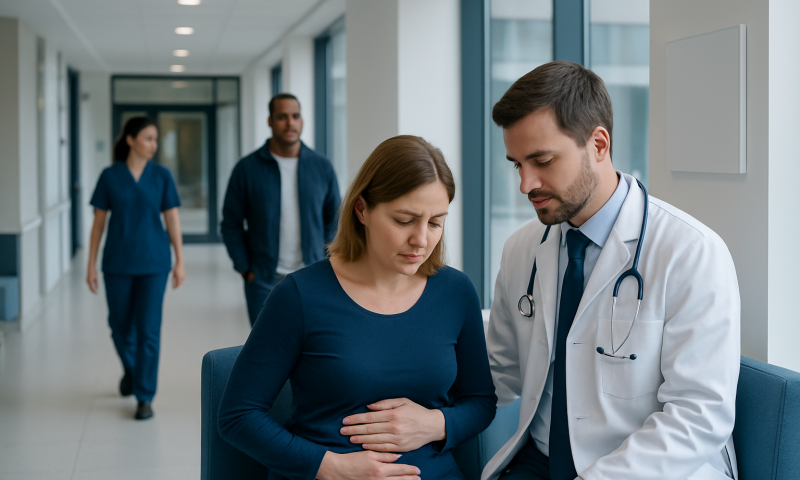
HIV Symptoms in Women: Possible Causes and When to Seek Care

Early HIV symptoms in women often resemble a common viral illness and may be missed. Some women develop recurrent vaginal yeast infections, pelvic symptoms, or menstrual changes, but these are not specific to HIV.
Key Takeaways
- Early HIV symptoms in women often resemble a common viral illness and may be missed.
- Some women develop recurrent vaginal yeast infections, pelvic symptoms, or menstrual changes, but these are not specific to HIV.
- A person can have HIV without noticeable symptoms, which is why testing is essential after possible exposure.
- Prompt diagnosis allows treatment that protects the immune system and reduces the risk of transmission.
- Medical care is especially important after a recent exposure, during pregnancy, or if symptoms are persistent or severe.
HIV symptoms in women can include early flu-like illness, swollen lymph nodes, rash, fatigue, and later problems such as recurrent vaginal infections or weight loss. Symptoms vary widely and may be mild or absent, so HIV testing is the only reliable way to confirm infection.
Overview: what HIV symptoms in women can look like
HIV symptoms in women can range from no symptoms at all to a short flu-like illness soon after infection, followed by a long period with few obvious signs. Early symptoms may include fever, sore throat, rash, swollen lymph nodes, muscle aches, tiredness, or mouth ulcers. Because these symptoms are common with many everyday infections, they do not confirm HIV on their own.
Women may also notice symptoms related to the reproductive tract, such as recurring vaginal yeast infections, unusual vaginal discharge, pelvic discomfort, or changes in menstrual patterns. These problems can have many causes, so they should not be taken as proof of HIV. The key point is that HIV can sometimes present differently in women, and it may also remain silent for years.
Without treatment, HIV can gradually weaken the immune system. This can lead to more frequent infections, slow healing, unexplained weight loss, night sweats, ongoing diarrhea, or skin and mouth problems over time. Modern treatment is highly effective, and early diagnosis can help people stay well for the long term.
Early signs and later symptoms
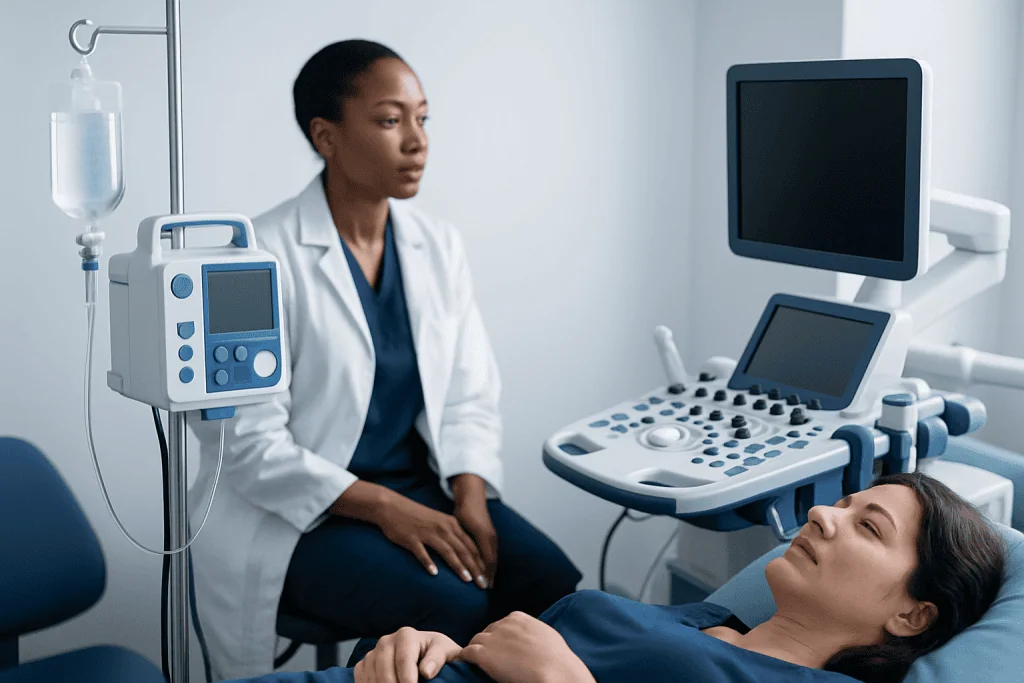
The earliest phase of HIV infection is sometimes called acute HIV infection. It usually develops within a few weeks after exposure, though timing varies. During this stage, some women develop symptoms such as fever, headache, sore throat, swollen lymph nodes, rash, fatigue, body aches, nausea, or diarrhea. Others have very mild symptoms or none at all.
After this early phase, HIV may enter a chronic stage in which a person feels well for a long time. Even during this period, the virus remains active in the body and can still be passed to others. That is why symptom-based guessing is not reliable.
If HIV is not diagnosed and treated, later symptoms may appear as the immune system becomes more affected. These can include:
- Persistent fatigue
- Repeated fevers or night sweats
- Unexplained weight loss
- Frequent or unusual infections
- Ongoing diarrhea
- Mouth sores or oral thrush
- Skin rashes that do not improve
Some of these symptoms can overlap with advanced immune suppression related to AIDS. However, many people today never reach this stage because HIV is often diagnosed earlier and treated effectively.
How HIV may affect women differently
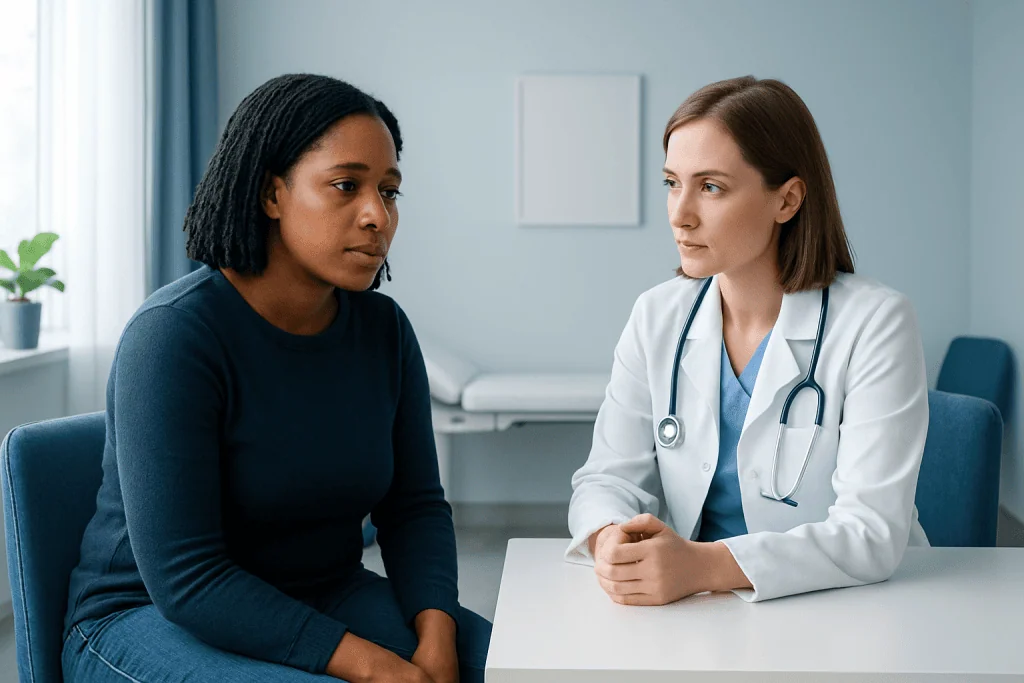
Some symptoms and health issues deserve special attention in women. HIV can increase the risk of recurrent vaginal yeast infections, bacterial vaginosis, pelvic inflammatory disease, and genital ulcers or sores from other infections. A woman may also notice unusual vaginal discharge, pain during sex, or lower abdominal discomfort, though these symptoms have many possible explanations.
Menstrual changes can occur in some women with HIV, including irregular periods or heavier or lighter bleeding. Stress, weight changes, thyroid disorders, pregnancy, perimenopause, and many other factors can also affect the menstrual cycle, so this symptom should be interpreted carefully and in context.
Another important point is that women may be diagnosed later because their symptoms are mistaken for common gynecologic or viral conditions. For anyone with recurrent infections, persistent unexplained symptoms, or recent sexual exposure, it is reasonable to discuss HIV testing with a clinician. This is particularly important during pregnancy, because timely treatment protects both the mother and the baby.
Possible causes, transmission, and risk factors
HIV symptoms in women are caused by infection with the human immunodeficiency virus, which attacks cells that help the immune system fight infection. The virus can be transmitted through blood, semen, vaginal fluids, rectal fluids, and breast milk. Common routes include unprotected vaginal or anal sex, sharing needles or syringes, and transmission during pregnancy, birth, or breastfeeding if HIV is not treated.
Risk is influenced by exposure rather than gender alone. Factors that can increase risk include sex without a condom, having a partner with HIV whose viral load is not well controlled, having another sexually transmitted infection, sharing injection equipment, or experiencing sexual assault. HIV does not spread through casual contact such as hugging, sharing dishes, toilet seats, coughing, or mosquito bites.
It is also important to remember that symptoms listed online are not a dependable way to identify the cause of illness. Many conditions can mimic early HIV, including influenza, COVID-19, mononucleosis, medication reactions, and other viral infections. If there has been a possible exposure, testing is the appropriate next step, even when symptoms are absent.
Diagnosis and testing: the only way to know
No symptom pattern can diagnose HIV with certainty. The only way to know is to have an HIV test. Today, diagnosis often starts with a blood test that looks for HIV antibodies and antigen. The right test and the right timing depend on when the possible exposure happened, because every test has a window period before it becomes reliably positive.
If a woman has had a very recent exposure, a clinician may discuss urgent preventive treatment called HIV/AIDS treatment in the context of post-exposure care, as well as repeat testing after the appropriate interval. If an initial test is positive, additional tests confirm the diagnosis and measure how active the virus is and how the immune system is functioning.
Doctors may also test for pregnancy, other sexually transmitted infections, hepatitis, tuberculosis, or causes of vaginal and pelvic symptoms. In women with recurrent infections or abnormal bleeding, a gynecologic evaluation may be part of the assessment. Accurate diagnosis helps ensure that symptoms are not attributed to HIV when another treatable problem is present.
People who test positive can benefit from early referral to specialists experienced in HIV/AIDS. A clear care plan typically includes counseling, baseline lab work, vaccination review, and discussion of treatment, sexual health, and pregnancy planning if relevant.
Treatment and living well with HIV
HIV is treated with antiretroviral therapy, often called ART. These medicines do not cure HIV, but they can control the virus very effectively and allow the immune system to stay strong. Most people who start treatment early and take it consistently can live long, healthy lives.
Treatment also lowers the amount of virus in the blood. When the viral load becomes and stays undetectable, sexual transmission risk is greatly reduced. A doctor will choose a treatment plan based on overall health, test results, other medicines, pregnancy status, and personal preferences.
Supportive care matters too. Women living with HIV may need treatment for yeast infections, sexually transmitted infections, anemia, nutritional issues, or mental health concerns. Pregnancy care requires special coordination to reduce the chance of transmission to the baby. In some cases, care may involve gynecology, infectious disease, internal medicine, and laboratory follow-up, with additional support such as comprehensive check-up services to monitor overall health.
Near the end of the diagnostic and treatment journey, some international patients seek multidisciplinary care. Acibadem International’s specialists at JCI-accredited hospitals diagnose and treat HIV-related conditions with coordinated support for women’s health and infectious disease needs.
Prevention and self-care
Prevention starts with understanding exposure risk and taking practical steps to reduce it. Safer sex measures include condoms, regular testing, and prompt treatment of other sexually transmitted infections. Some people may benefit from pre-exposure prophylaxis, or PrEP, a preventive medication for those at ongoing higher risk. After a possible recent exposure, urgent medical advice is important because post-exposure prophylaxis works best when started quickly.
Self-care after concerning symptoms or exposure includes avoiding assumptions and arranging testing rather than waiting for symptoms to appear. It may help to write down when symptoms started, whether there was a possible exposure, and whether there are gynecologic symptoms such as discharge, pelvic pain, or sores. This can make a medical visit more productive.
For women living with HIV, healthy habits support treatment success. These include taking medicines exactly as prescribed, attending follow-up visits, eating a balanced diet, sleeping well, staying physically active, and seeking help for stress, depression, or stigma. During pregnancy or when planning pregnancy, early specialist care is especially important.
When to seek medical care
A woman should seek medical care if she has had a possible HIV exposure, especially within the last few days, even if she feels well. Urgent care is appropriate after unprotected sex with a partner who may have HIV, needle sharing, sexual assault, or contact with blood in a high-risk situation. Quick evaluation may allow time-sensitive preventive treatment.
Medical review is also important for persistent fever, rash, swollen glands, unexplained weight loss, ongoing diarrhea, severe fatigue, mouth sores, repeated vaginal yeast infections, unusual discharge, genital sores, or pelvic pain. These symptoms may be caused by HIV or by another condition that needs diagnosis and treatment.
Pregnant women, women trying to conceive, and women with a partner living with HIV should discuss testing and prevention with a qualified doctor. Anyone who is unsure about risk can still ask for confidential advice. Early answers are usually more reassuring and more useful than waiting and worrying.
Frequently asked questions
What are the first HIV symptoms in women?
The first HIV symptoms in women are often similar to a flu-like illness. They may include fever, sore throat, rash, swollen lymph nodes, tiredness, muscle aches, or mouth ulcers. Some women have very mild symptoms or none at all.
Can HIV cause vaginal symptoms in women?
Yes, HIV can be associated with recurrent vaginal yeast infections, unusual discharge, pelvic infections, or genital sores. However, these symptoms are not specific to HIV and can happen for many other reasons. Testing and medical evaluation are needed to find the true cause.
How soon do HIV symptoms appear after exposure?
If symptoms occur, they often appear within a few weeks after exposure, but timing can vary. Some people never notice early symptoms. Because symptoms are unreliable, HIV testing is more important than watching and waiting.
Can a woman have HIV without symptoms?
Yes. Many women with HIV feel completely well for months or even years, especially in the earlier stages. That is why a negative symptom checklist cannot rule HIV in or out.
Do menstrual changes mean a woman has HIV?
Not necessarily. Irregular periods or changes in bleeding can happen with stress, hormonal shifts, thyroid problems, pregnancy, perimenopause, weight change, and many other conditions. Menstrual changes alone do not diagnose HIV, but a doctor can assess them in the right context.
When should a woman get tested for HIV?
A woman should get tested after a possible exposure, if she has symptoms that raise concern, during pregnancy as recommended, or if she has ongoing risk factors. The type of test and the best time to test depend on when exposure may have happened. A clinician can advise whether repeat testing is needed because of the test window period.
References
- World Health Organization
- Centers for Disease Control and Prevention
- National Institutes of Health
- UNAIDS
- American College of Obstetricians and Gynecologists
This article is for general information only and is not a substitute for professional medical advice. Please consult a qualified doctor about your individual situation.
Medical weight-loss options in Turkey — costs & eligibility
JCI-accredited · board-certified surgeons · reply within 24h
Add us as a Preferred Source to see more of our trusted health content across Google Search, AI Overviews and Discover.