Understanding Pes Anserine Bursitis: A Complete Patient Guide

Pes anserine bursitis causes pain and tenderness on the inner lower side of the knee. It may develop from overuse, osteoarthritis, muscle tightness, excess strain, or altered walking patterns.
Key Takeaways
- Pes anserine bursitis causes pain and tenderness on the inner lower side of the knee.
- It may develop from overuse, osteoarthritis, muscle tightness, excess strain, or altered walking patterns.
- Diagnosis is usually based on symptoms and a physical examination, with imaging used when another problem is suspected.
- Treatment often includes activity changes, ice, physical therapy, anti-inflammatory measures, and correcting contributing factors.
- Medical evaluation is important if pain is severe, persistent, associated with swelling, fever, or difficulty bearing weight.
Pes anserine bursitis is a common cause of pain on the inner side of the knee, where a small cushioning sac becomes irritated. It is often linked to overuse, arthritis, body mechanics, or tight surrounding muscles, and many people improve with conservative treatment.
What is pes anserine bursitis?
Pes anserine bursitis is inflammation or irritation of the bursa located on the inner side of the knee, a little below the joint line. A bursa is a small fluid-filled sac that helps reduce friction between tissues. In this area, the bursa sits between the shinbone and the tendons of three muscles that attach there, helping the tendons glide smoothly during movement.
When this bursa becomes irritated, it can cause pain, tenderness, and sometimes mild swelling along the inner lower knee. The discomfort may feel very localized, especially when climbing stairs, getting up from a chair, or exercising. Although the pain can be frustrating, the condition is usually manageable and often improves with non-surgical care.
Pes anserine bursitis is sometimes grouped with tendon irritation in the same region and may overlap with what clinicians call pes anserine pain syndrome. Because several structures on the inner knee can cause similar symptoms, a careful assessment is helpful to confirm the source of pain and guide treatment.
Symptoms and how it feels
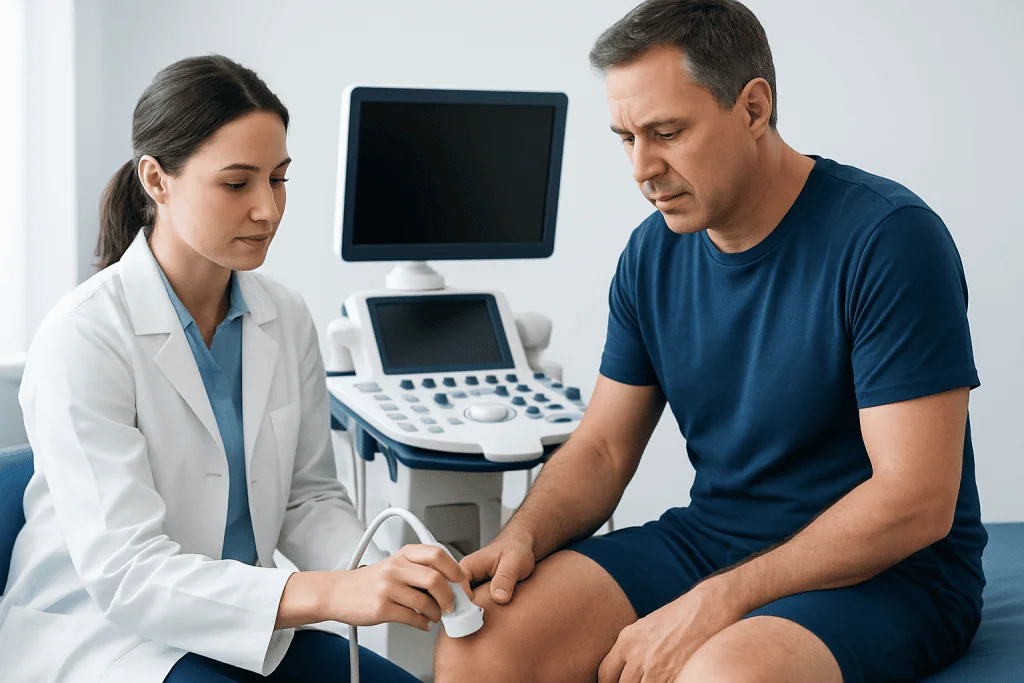
The most common symptom of pes anserine bursitis is pain on the inner side of the knee, typically two to three inches below the joint. The area may feel sore to touch, and the pain may become more noticeable with stair climbing, squatting, kneeling, or rising after sitting for a while. Some people notice discomfort during walking or after exercise, especially if they have recently increased activity.
The pain is often described as aching or tender rather than sharp, though it can become more intense when the area is pressed. Mild swelling or a sense of fullness may occur, but marked swelling of the whole knee is less typical and may suggest another problem. Stiffness around the knee, especially in the morning or after rest, can also be present.
Symptoms can overlap with other knee conditions, such as knee pain related to arthritis, tendon problems, or meniscal injury. For that reason, pain location, triggers, and the findings on physical examination all matter when distinguishing pes anserine bursitis from other causes of inner knee discomfort.
- Tenderness on the inner lower side of the knee
- Pain with climbing stairs or hills
- Discomfort after exercise or prolonged walking
- Soreness when getting up from sitting
- Possible mild local swelling
Why it happens: causes and risk factors
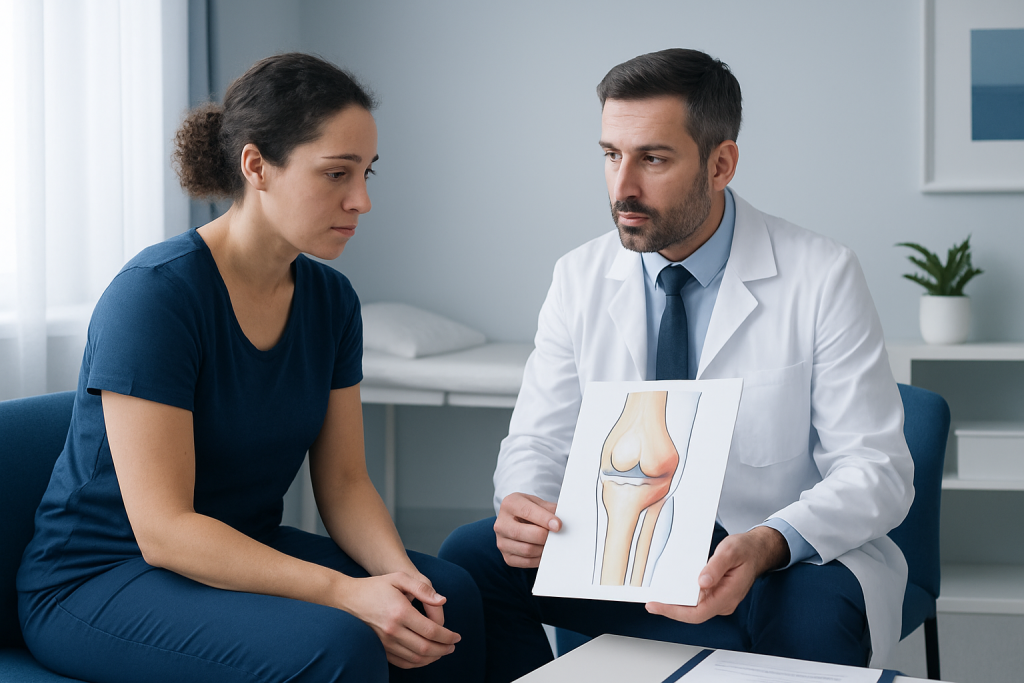
Pes anserine bursitis usually develops when repeated stress or friction irritates the bursa. This can happen with activities that involve frequent bending of the knee, such as running, brisk walking, stair use, or certain sports. A sudden increase in activity level, changes in training surface, or poor conditioning can increase strain in this area.
Several underlying factors can make irritation more likely. These include tight hamstrings, weak hip or thigh muscles, altered leg alignment, flat feet, obesity, and osteoarthritis of the knee. People with arthritis may change how they walk because of joint pain, which can increase pressure around the pes anserine region. In some cases, bursitis develops alongside nearby tendon irritation rather than on its own.
Middle-aged and older adults may be more prone to this condition, but it can affect younger active individuals as well. People with diabetes or inflammatory joint conditions may also have a higher risk of soft tissue irritation around the knee. Less commonly, direct trauma to the inner knee or prolonged kneeling can contribute.
Because inner knee pain has several possible causes, bursitis should not be assumed automatically. Conditions such as osteoarthritis or a ligament or meniscus problem may either mimic pes anserine bursitis or occur at the same time.
How doctors diagnose pes anserine bursitis
Diagnosis usually begins with a medical history and physical examination. A doctor will ask where the pain is felt, what activities make it worse, when it started, and whether there has been recent overuse, injury, or underlying arthritis. During the examination, the doctor may gently press the area to locate tenderness and assess knee movement, strength, flexibility, and walking pattern.
The location of the pain is an important clue. Pes anserine bursitis typically causes tenderness below the inner knee joint rather than directly in the joint itself. Doctors also look for signs that point to a different cause, such as joint locking, significant instability, large swelling inside the knee, or pain elsewhere in the leg.
Imaging is not always needed, especially when the symptoms and examination are typical. However, X-rays may be used to look for arthritis or other bone-related issues, while ultrasound or MRI may help if the diagnosis is uncertain or symptoms are not improving. These tests can also help exclude tendon tears, meniscal problems, or other soft tissue conditions.
In some cases, patients may need a broader orthopedic assessment, especially when pain is persistent or linked to structural knee disease. This may include evaluation through orthopedic rehabilitation to understand how strength, flexibility, and movement patterns are contributing to symptoms.
Treatment options and recovery
Treatment for pes anserine bursitis usually starts with conservative measures. Resting from aggravating activities, reducing repetitive stair climbing, and using ice on the painful area can help calm irritation. Many people also benefit from short-term use of anti-inflammatory strategies recommended by a doctor, especially if pain is limiting daily activity.
Physical therapy is often central to recovery. A structured program may focus on stretching tight hamstrings, improving quadriceps and hip strength, correcting movement patterns, and reducing stress on the inner knee. This matters because treating the pain alone may not address the mechanical factors that led to the problem in the first place. In selected cases, a doctor may recommend physical therapy and rehabilitation to support safer recovery and prevent recurrence.
If symptoms continue despite initial care, other options may be considered. These can include supportive footwear advice, weight management strategies when appropriate, or a carefully placed injection to reduce inflammation around the bursa. Injections are not necessary for everyone, but they may be helpful when pain remains localized and persistent. Surgery is rarely needed for pes anserine bursitis and is generally reserved for unusual cases that do not respond to standard treatment or when another knee problem requires intervention.
Recovery time varies depending on how long symptoms have been present and whether contributing factors are addressed. Some people improve within a few weeks, while others need a longer period of rehabilitation. If symptoms are related to broader knee disease, a doctor may also evaluate the need for care through an orthopedics team.
Prevention and self-care
Preventing pes anserine bursitis often means reducing repeated strain on the inner knee and improving how the leg moves during activity. Gradually increasing exercise intensity, warming up properly, and allowing enough recovery time can all help. Supportive footwear and attention to walking or running form may reduce stress on the tendons and bursa in this region.
Regular stretching and strengthening can be especially helpful for people who are prone to recurrence. Tight hamstrings, weak hips, and poor knee control can all change the way force travels through the leg. A balanced exercise plan that includes flexibility, strength, and low-impact conditioning may improve long-term comfort.
Weight management, if recommended by a clinician, may also reduce pressure on the knee during daily movement. For people with arthritis, managing the underlying joint condition can make a meaningful difference. Self-care should be practical and sustainable rather than overly restrictive, and persistent symptoms should be checked rather than pushed through.
- Increase activity gradually rather than suddenly
- Stretch the hamstrings and strengthen the thigh and hip muscles
- Use supportive shoes for exercise and daily walking
- Modify repetitive stair climbing or high-impact activities during flare-ups
- Use ice after aggravating activity if advised
When to seek medical care
It is sensible to seek medical care if inner knee pain lasts more than a few weeks, keeps returning, or interferes with walking, exercise, sleep, or daily tasks. Medical review is also important if home care has not helped or if the pain seems to be getting worse instead of better. A doctor can confirm whether pes anserine bursitis is the cause or whether another knee problem is present.
Prompt evaluation is especially important if there is fever, significant redness or warmth, sudden swelling, inability to bear weight, a major injury, or the knee feels unstable or locked. These features are not typical of simple pes anserine bursitis and may indicate another condition that needs timely attention.
For international patients who need further assessment, Acibadem International’s multidisciplinary specialists in JCI-accredited hospitals evaluate and treat knee conditions using individualized plans based on the underlying cause of pain.
Frequently asked questions
Is pes anserine bursitis the same as arthritis?
No. Pes anserine bursitis is irritation of a small bursa on the inner side of the knee, while arthritis affects the joint itself. However, arthritis can contribute to pes anserine bursitis by changing how the knee moves and bears weight.
Where is pes anserine bursitis pain felt?
The pain is usually felt on the inner side of the knee, slightly below the joint line. The area is often tender to touch and may hurt more with stairs, squatting, or getting up from a chair.
Can pes anserine bursitis go away on its own?
Mild cases may improve with rest, activity changes, and ice. Still, symptoms can persist or return if tight muscles, weakness, or underlying knee problems are not addressed.
Do I need an MRI for pes anserine bursitis?
Not usually. Many cases can be diagnosed with a history and physical examination, and imaging is mainly used when symptoms are unusual, severe, or not improving as expected.
What exercises help pes anserine bursitis?
Exercises that gently stretch the hamstrings and strengthen the hips and thigh muscles are often helpful. Because the right program depends on the person’s pain and mechanics, a doctor or physical therapist should guide exercise choices when symptoms are significant.
How long does recovery usually take?
Recovery can take a few weeks in mild cases, but longer if symptoms have been present for a while or if arthritis, weakness, or alignment issues are involved. Improvement is usually better when both the pain and the contributing factors are treated.
References
- American Academy of Orthopaedic Surgeons
- National Institute of Arthritis and Musculoskeletal and Skin Diseases
- American College of Rheumatology
- Mayo Clinic
- MedlinePlus
This article is for general information only and is not a substitute for professional medical advice. Please consult a qualified doctor about your individual situation.
Bursitis in Turkey — costs, top hospitals & a free quote
JCI-accredited · board-certified surgeons · reply within 24h
Add us as a Preferred Source to see more of our trusted health content across Google Search, AI Overviews and Discover.

Orthopedics & Spine
Care for bones, joints and the musculoskeletal system, including joint replacement, sports injuries and trauma.
125 specialists in this unit