Vestibular: What Patients Need to Know

The vestibular system helps maintain balance, stable vision, and awareness of body position. Vestibular symptoms can include vertigo, dizziness, imbalance, nausea, and blurred vision with movement.
Key Takeaways
- The vestibular system helps maintain balance, stable vision, and awareness of body position.
- Vestibular symptoms can include vertigo, dizziness, imbalance, nausea, and blurred vision with movement.
- Common causes range from inner ear conditions and infections to migraine, aging, and some neurological disorders.
- Diagnosis usually involves a medical history, physical examination, hearing and balance tests, and sometimes imaging.
- Treatment depends on the cause and may include medication, vestibular rehabilitation, and treatment of the underlying condition.
- Sudden severe dizziness with weakness, trouble speaking, or chest pain needs urgent medical assessment.
Vestibular refers to the body’s balance system, mainly involving the inner ear and the brain pathways that help control movement, posture, and spatial orientation. When the vestibular system is disrupted, a person may feel dizzy, off-balance, or as if the room is spinning, but many causes can be evaluated and managed effectively.
What vestibular means
Vestibular describes the system that helps a person keep balance, stabilize vision during head movement, and sense where the body is in space. This system relies mainly on structures in the inner ear and on the way the brain processes signals from the ears, eyes, muscles, and joints. When these signals do not match or are not working properly, symptoms such as dizziness, vertigo, or unsteadiness can occur.
Patients often use the word “dizzy” to describe many different feelings. In vestibular problems, the sensation may be true vertigo, meaning a false sense that the room is spinning or the body is moving. Others may feel lightheaded, pulled to one side, motion-sensitive, or unsteady while walking. These differences matter because they can help guide diagnosis.
Vestibular symptoms are common and can affect people of all ages, although they become more frequent with aging. In many cases the cause is benign and treatable, especially when symptoms come from the inner ear. Even so, persistent or sudden severe symptoms should be assessed because balance problems can increase the risk of falls and may occasionally point to a more serious condition.
How the vestibular system works
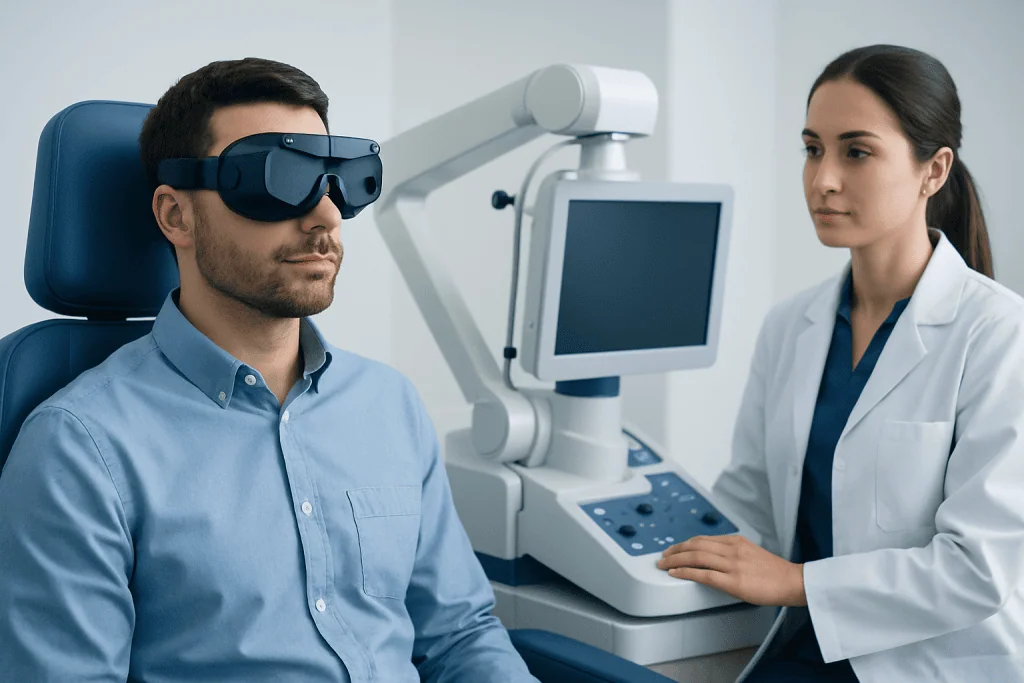
The vestibular organs are located in the inner ear. They include the semicircular canals, which detect head rotation, and the otolith organs, which sense gravity and straight-line movement. These structures send signals through the vestibular nerve to the brain, where the information is combined with input from the eyes and from nerves in the muscles and joints.
One important task of the vestibular system is to keep vision clear when the head moves. This happens through a reflex that moves the eyes in the opposite direction of head motion, allowing a person to keep looking at a target. When this reflex is disrupted, people may notice blurred or bouncing vision while walking or turning their head.
Balance depends on teamwork between several body systems. If the inner ear is affected but vision and muscle feedback remain strong, the brain may partly compensate over time. If more than one system is affected, such as poor vision plus vestibular loss, symptoms can feel more intense. This is one reason why evaluation often looks beyond the ear alone.
Common vestibular symptoms

Vestibular symptoms can vary in type, duration, and intensity. Some episodes last seconds when changing head position, while others continue for hours or days. Symptoms may be triggered by rolling over in bed, looking up, walking in busy places, riding in a car, or moving the head quickly.
Common symptoms include:
- Vertigo, or a spinning sensation
- Dizziness or feeling faint or disoriented
- Unsteadiness or poor balance while standing or walking
- Nausea and sometimes vomiting
- Blurred or bouncing vision with head movement
- Sensitivity to motion or busy visual environments
- Difficulty concentrating or fatigue related to constant imbalance
Some vestibular disorders also cause hearing changes, ringing in the ears, or pressure in one ear. Others are linked with headaches or migraine features such as light sensitivity. Keeping track of exactly what the symptoms feel like, how long they last, and what triggers them can be very helpful at a medical appointment.
Causes and risk factors
Vestibular symptoms can come from many conditions, and not all of them involve the same part of the balance system. A common cause is benign paroxysmal positional vertigo, in which tiny crystals in the inner ear become displaced and trigger brief spinning spells with head movement. Other inner ear causes include vestibular neuritis, labyrinthitis, Meniere disease, and age-related decline in vestibular function. Some people with dizziness may also have related ear problems that overlap with tinnitus.
Not all vestibular problems start in the inner ear. Migraine can cause vertigo or motion sensitivity, sometimes even without a severe headache. Neurological conditions, medication side effects, low blood pressure, anxiety, and visual problems can also contribute. In some situations, clinicians need to distinguish a vestibular problem from central nervous system causes such as stroke, especially when symptoms begin suddenly and are accompanied by other neurological signs.
Risk factors depend on the underlying cause but may include recent viral infection, a history of migraine, older age, head injury, ear disease, certain medications, and previous episodes of dizziness. Falls, reduced activity, and fear of movement can then make symptoms feel worse over time, even after the original problem begins to settle.
How doctors diagnose vestibular disorders
Diagnosis begins with a careful description of the symptoms. A doctor may ask when dizziness started, whether it feels like spinning or imbalance, how long episodes last, what triggers them, and whether hearing changes, headache, weakness, numbness, or double vision are present. This history often gives strong clues about the likely cause.
The physical examination may include observing eye movements, checking walking and balance, testing hearing, and performing positional maneuvers that can provoke symptoms in a controlled way. These maneuvers can help diagnose conditions such as positional vertigo. Hearing tests and formal balance testing may be recommended when symptoms are persistent or complex.
In some cases, doctors order imaging or blood tests to rule out other conditions. If the symptoms suggest a neurological cause, a clinician may request MRI scanning or specialist evaluation. Because dizziness can have several overlapping causes, diagnosis sometimes involves more than one specialty, including ENT, neurology, audiology, and rehabilitation.
Treatment options and recovery
Treatment depends on the cause of the vestibular symptoms rather than on the symptom of dizziness alone. For positional vertigo, specific head maneuvers performed by a trained clinician can often move displaced crystals back into place. For vestibular neuritis or inflammation-related causes, early medical assessment helps determine the most appropriate treatment and whether short-term medication may be useful for nausea or severe vertigo.
Vestibular rehabilitation is an important part of care for many patients. This is a structured exercise program designed to help the brain adapt to altered balance signals. Therapy may include gaze stabilization exercises, balance training, walking tasks, and gradual exposure to movements that trigger symptoms. Many people benefit from physical therapy and rehabilitation when symptoms persist after the initial illness.
If dizziness is linked to migraine, treatment may focus on migraine management and trigger control. If hearing loss, ear pressure, or recurrent attacks are present, an ENT specialist may assess inner ear causes and discuss whether ear surgery or other targeted treatments are relevant in selected cases. For some patients, especially when central causes are suspected, care may involve specialists experienced in neurological rehabilitation. Recovery time varies: some people improve within days, while others need weeks to months for full compensation.
Self-care and day-to-day coping
Self-care does not replace diagnosis, but it can support recovery and improve safety. During active symptoms, it often helps to move carefully, stand up slowly, use handrails, and avoid driving or operating machinery until a doctor says it is safe. Good hydration, regular meals, and adequate sleep may also reduce symptom intensity in some people.
Many patients improve by staying gently active rather than avoiding all movement. Complete bed rest for long periods can slow the brain’s natural compensation process in some vestibular conditions. A clinician or therapist can advise which movements are safe and which exercises should be done at home.
Practical measures may include:
- Removing trip hazards such as loose rugs or clutter
- Using good lighting at night
- Wearing supportive shoes
- Limiting alcohol if it worsens imbalance
- Keeping a symptom diary to identify triggers
- Taking medicines only as advised, since some can worsen dizziness
Persistent dizziness can also affect confidence, mood, and social activity. Reassurance, clear explanations, and a gradual return to normal tasks are often an important part of recovery.
When to seek medical care
Medical assessment is important if vestibular symptoms are new, recurring, worsening, or interfering with daily life. A doctor should also review symptoms that come with hearing loss, ringing in one ear, repeated falls, severe vomiting, or dizziness that lasts longer than expected. Children, older adults, and anyone with multiple health conditions may need earlier evaluation because balance problems can lead to injury.
Urgent medical care is needed if dizziness or vertigo happens together with warning signs such as sudden weakness, facial drooping, trouble speaking, double vision, severe headache, fainting, chest pain, or difficulty walking that is clearly new and severe. These symptoms may point to a condition beyond the inner ear and should not be ignored.
For international patients who need further assessment, Acibadem International’s multidisciplinary specialists and JCI-accredited hospitals diagnose and treat vestibular-related conditions through coordinated ENT, neurology, imaging, and rehabilitation services.
Frequently asked questions
What does vestibular mean in simple terms?
Vestibular refers to the body’s balance system, especially the inner ear and the brain pathways that process balance signals. It helps a person stay upright, keep vision steady during head movement, and understand body position in space.
Is vestibular the same as vertigo?
Not exactly. Vertigo is one symptom of a vestibular problem and usually feels like spinning or motion when there is none. Vestibular is the broader term for the balance system and the disorders that can affect it.
Can vestibular problems go away on their own?
Some do improve on their own, especially if the brain can adapt after a short-lived inner ear problem. However, symptoms that are severe, persistent, or recurrent should be assessed because treatment can speed recovery and help rule out more serious causes.
What doctor treats vestibular disorders?
Vestibular disorders are often evaluated by an ENT specialist, neurologist, or both, depending on the suspected cause. Audiologists and physical therapists with vestibular training may also play an important role in testing and rehabilitation.
How long does vestibular recovery take?
Recovery depends on the cause. Positional vertigo may improve quickly after a repositioning maneuver, while other disorders may take weeks or months as the brain gradually compensates and balance improves with rehabilitation.
Are vestibular symptoms dangerous?
Many vestibular disorders are not dangerous, but they can increase the risk of falls and affect quality of life. Symptoms need urgent attention if they occur with weakness, slurred speech, severe headache, fainting, or other neurological warning signs.
References
- National Institute on Deafness and Other Communication Disorders
- American Academy of Otolaryngology–Head and Neck Surgery
- National Institute of Neurological Disorders and Stroke
- Mayo Clinic
- Cleveland Clinic
This article is for general information only and is not a substitute for professional medical advice. Please consult a qualified doctor about your individual situation.
Joint and spine care in Turkey — expert assessment & treatment
JCI-accredited · board-certified surgeons · reply within 24h
Add us as a Preferred Source to see more of our trusted health content across Google Search, AI Overviews and Discover.
Check your numbers in seconds
BMI, calories, due date, blood pressure and 30+ more clinical calculators — free, instant, doctor-reviewed ranges.

More from the Health Library

Balance Diet for Hair Growth: Procedure, Recovery and Results

Exposed Tooth Root — Explained by Medical Evidence, Not Myths

Summer Cold: An Evidence-Based Guide for Patients

Crembery: An Evidence-Based Guide for Patients

Dreamfields Pasta: An Evidence-Based Guide for Patients