Lightning Crotch — Explained by Medical Evidence, Not Myths
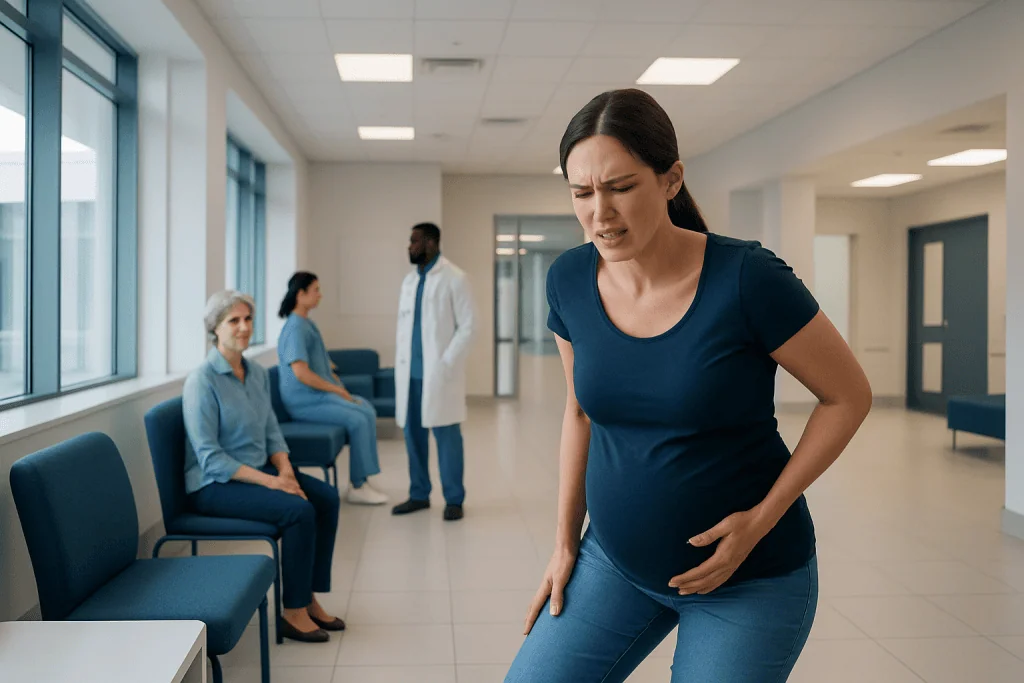
Lightning crotch describes brief, sharp, electric-like pain in the pelvic or genital area. It is common in late pregnancy and is often linked to pressure on nerves, the cervix, or pelvic tissues.
Key Takeaways
- Lightning crotch describes brief, sharp, electric-like pain in the pelvic or genital area.
- It is common in late pregnancy and is often linked to pressure on nerves, the cervix, or pelvic tissues.
- The term is not a formal diagnosis; similar pain can have other causes outside pregnancy.
- Short episodes without other warning signs are often benign, but severe, frequent, or persistent pain should be checked by a doctor.
- Red-flag symptoms include bleeding, fever, contractions, fluid leakage, worsening pain, or reduced fetal movement during pregnancy.
Lightning crotch is the common name for sudden, stabbing pain felt in the vagina, pelvis, rectum, or groin area. It often happens during pregnancy because of pressure, nerve irritation, or fetal movement, but similar pain can also occur outside pregnancy and may need medical evaluation depending on the pattern and associated symptoms.
What lightning crotch means
Lightning crotch is a nonmedical term for a sudden, very sharp pain felt low in the pelvis. Many people describe it as a brief electric shock, stabbing sensation, or shooting pain in the vagina, cervix, rectum, bladder area, or groin. The pain usually lasts only a few seconds, although some people may feel repeated episodes over minutes or hours.
In pregnancy, lightning crotch is most often reported in the second half of pregnancy, especially in the third trimester, when the growing baby places more pressure on the cervix, pelvic floor, and nearby nerves. In many cases, this pain is uncomfortable but not dangerous. It does not automatically mean labor has started.
Outside pregnancy, the same type of sudden pelvic pain can happen for different reasons. Because lightning crotch is a description of a symptom rather than a diagnosis, it is important to consider the wider context, including menstrual cycle, bowel and bladder symptoms, sexual activity, infections, and any known pelvic conditions.
How it feels and where it is felt
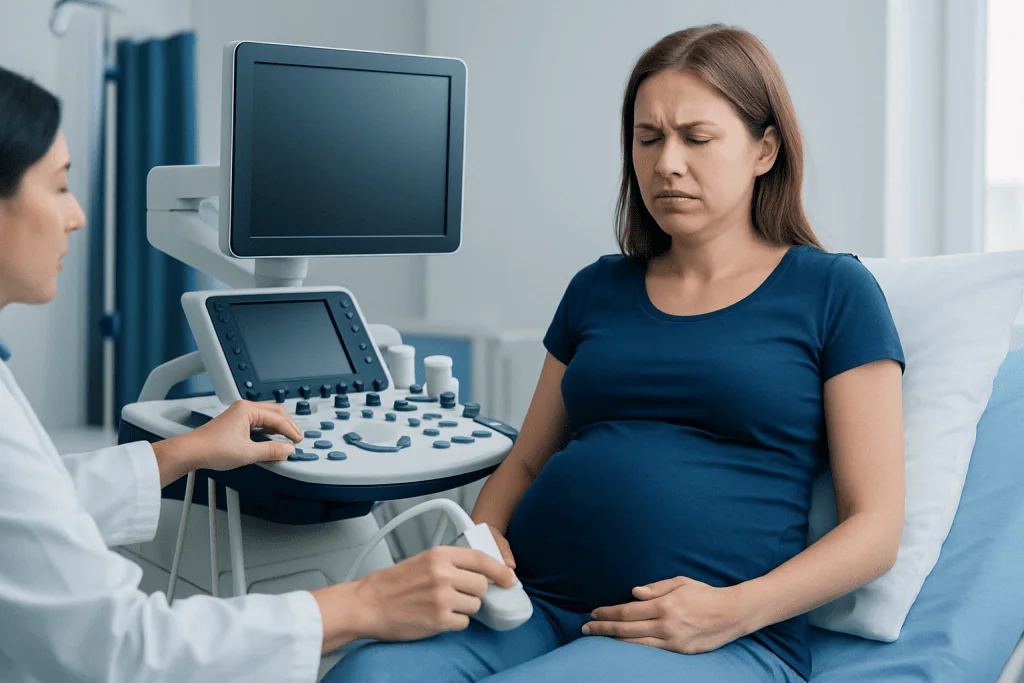
People use the term lightning crotch because the sensation is abrupt and intense. It may feel like a jolt, zap, needle-like stab, or deep internal twinge. The pain can be felt in the vagina, vulva, cervix, lower pelvis, rectum, or inner thighs. Some episodes happen when standing up, rolling over in bed, walking, or when the baby moves suddenly.
Even though the pain can be startling, its short duration is one feature that often helps distinguish it from more concerning causes of pelvic pain. Many people have no other symptoms during the episode and feel normal again shortly afterward. Others notice pelvic heaviness, pressure, lower back discomfort, or round ligament pain at the same time.
In some cases, sharp pelvic pain may overlap with symptoms from pelvic pain syndromes, bladder irritation, constipation, hemorrhoids, or nerve sensitivity. Keeping track of where the pain occurs, how long it lasts, and whether it is linked to movement or pregnancy stage can help a doctor identify the likely cause.
Why lightning crotch happens
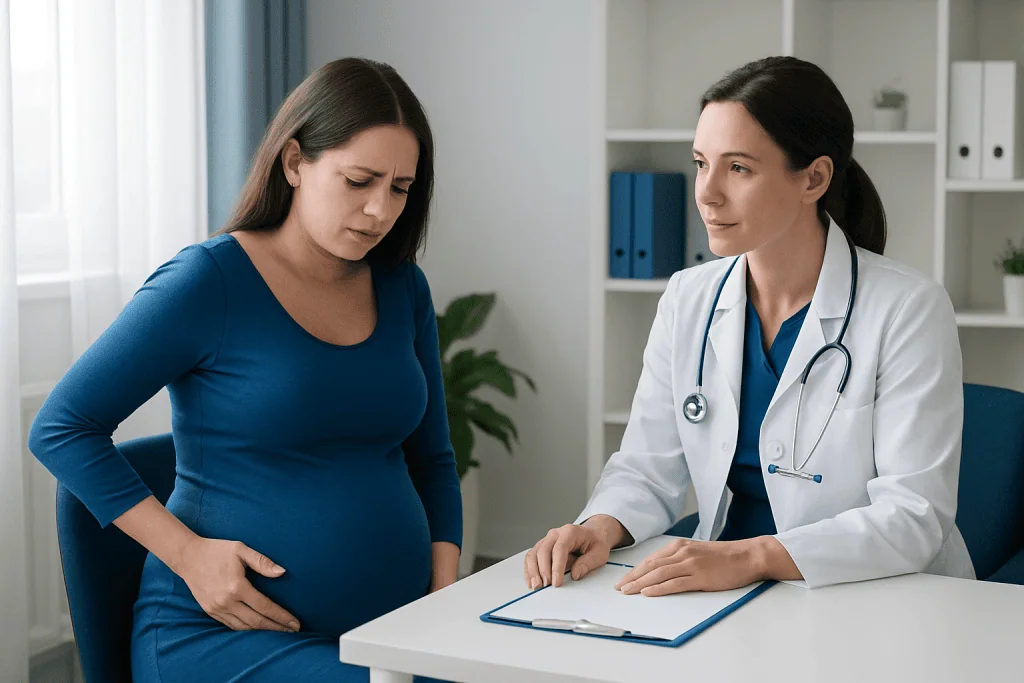
During pregnancy, the most likely explanation is mechanical pressure. As the uterus enlarges and the baby settles deeper into the pelvis, pressure can affect the cervix, pelvic ligaments, and nerves. A sudden fetal movement, a change in maternal position, or the baby’s head engaging lower in the pelvis may briefly trigger pain.
Hormonal changes also play a role. Pregnancy hormones loosen ligaments and joints in the pelvis to prepare the body for birth. This can change how weight and pressure are distributed, making the pelvic area feel more sensitive. Muscle tension in the pelvic floor may add to the discomfort, especially after standing for a long time or at the end of the day.
Outside pregnancy, brief stabbing pelvic pain may be related to ovulation, menstruation, pelvic floor muscle spasm, digestive causes, urinary irritation, nerve irritation, or gynecologic conditions such as ovarian cysts or endometriosis. Less commonly, infection or other conditions affecting the reproductive, urinary, or digestive organs may be involved. Because the symptom overlaps with many common conditions, a healthcare professional may need to rule out other causes if the pain is recurrent or unusual.
When it is common in pregnancy and what is usually normal
Lightning crotch is especially common later in pregnancy, when the baby’s size and position create more pelvic pressure. It may become more noticeable after 28 weeks and can happen more often near the end of pregnancy. Some people feel it only occasionally, while others notice repeated episodes over several days.
Brief, isolated sharp pains without bleeding, fluid leakage, regular contractions, fever, or reduced fetal movement are often considered part of the normal discomforts of pregnancy. Many people notice that the sensation improves with rest, changing positions, using pregnancy support garments, or avoiding long periods of standing.
However, not every pelvic pain in pregnancy is harmless. Conditions such as urinary infection, preterm labor, placental problems, or other obstetric concerns can also cause pelvic discomfort. That is why the pattern matters: lightning crotch is usually short, sharp, and fleeting rather than steadily worsening or rhythmic.
How doctors evaluate lightning crotch and similar pain
If the pain is frequent, severe, happens outside pregnancy, or comes with other symptoms, a doctor may ask detailed questions about timing, location, triggers, menstrual history, bowel and bladder function, sexual health, and pregnancy status. This history often provides the most useful clues because the symptom itself is very brief and may not be present during the visit.
The evaluation may include a physical examination and, when relevant, a pelvic examination. In pregnancy, the goal is to make sure there are no signs of labor, infection, or another complication. Depending on symptoms, testing may include urine tests, vaginal swabs, blood work, or MRI or ultrasound-based imaging when a non-pregnancy cause needs clarification. Doctors may also consider whether the pain is related to pelvic floor dysfunction or nerve irritation.
If there are concerns about the baby, clinicians may assess fetal movement, heart rate, and uterine activity. When pelvic pain is persistent or complex, referral to specialists in obstetrics, gynecology, urology, gastroenterology, pain medicine, or physical therapy and rehabilitation may be helpful.
Relief, treatment, and self-care
There is no single treatment for lightning crotch because the best approach depends on the cause. In pregnancy, brief episodes often improve with simple measures such as changing position slowly, resting on the side, avoiding prolonged standing, and using supportive footwear. Some people find that a maternity support belt reduces pressure on the pelvis.
Gentle stretching, warm showers, and pelvic floor relaxation exercises may also help. If symptoms seem related to muscle tension or pelvic instability, a clinician may suggest targeted pelvic floor physical therapy. Pain medicines should be discussed with a healthcare professional, especially during pregnancy, to make sure they are appropriate and safe.
When lightning-crotch-type pain happens outside pregnancy, treatment focuses on the underlying condition. That may mean managing constipation, treating a urinary or vaginal infection, addressing gynecologic conditions, or evaluating chronic pelvic pain. If a structural or inflammatory condition is suspected, treatment may be more specific after diagnosis.
Near the end of care, some patients may benefit from multidisciplinary assessment. Acibadem International’s multidisciplinary specialists in JCI-accredited hospitals diagnose and treat pelvic and pregnancy-related conditions for international patients when further evaluation is needed.
When to seek medical care
Medical care is important if sharp pelvic pain is severe, keeps coming back, lasts longer than a few seconds at a time, or begins outside a pattern that seems expected in pregnancy. During pregnancy, a person should contact a healthcare professional urgently if the pain occurs with vaginal bleeding, leaking fluid, regular contractions, fever, dizziness, painful urination, or reduced fetal movement.
Outside pregnancy, urgent evaluation is needed for pelvic pain with fainting, heavy bleeding, vomiting, fever, a positive pregnancy test, or pain that is clearly worsening. These symptoms can point to conditions that should not be attributed to lightning crotch alone.
Even when the cause turns out to be benign, it is reasonable to ask about any new pelvic pain. A doctor can help distinguish ordinary pressure-related discomfort from problems that need treatment and may recommend imaging such as ultrasound or other tests based on the symptoms.
Frequently asked questions
Is lightning crotch a real medical condition?
Lightning crotch is a widely used informal term, not a formal diagnosis. It describes a symptom pattern of sudden, sharp pelvic or vaginal pain, most often discussed in pregnancy. A clinician may use other medical terms depending on the suspected cause.
Does lightning crotch mean labor is starting?
Not usually. Lightning crotch often reflects pressure on pelvic tissues or nerves and can happen for days or weeks before labor begins. If the pain comes with regular contractions, leaking fluid, or bleeding, medical advice is important.
Can lightning crotch happen when not pregnant?
Yes. Similar sharp pelvic pain can occur outside pregnancy because of ovulation, pelvic floor muscle spasm, urinary issues, bowel causes, or gynecologic conditions. When it is recurrent or unexplained, a doctor should evaluate it.
How long does lightning crotch last?
Most episodes last only a few seconds. Some people may have several short episodes close together, while others notice it only occasionally. Pain that persists or steadily worsens should not be assumed to be lightning crotch.
What can help relieve lightning crotch during pregnancy?
Changing position, resting, avoiding long periods of standing, and using a maternity support belt may help reduce pelvic pressure. Gentle stretching or pelvic floor relaxation can also be useful. Any medicine during pregnancy should be discussed with a qualified clinician.
When should someone worry about lightning crotch?
Concern is higher if the pain is severe, frequent, prolonged, or associated with bleeding, fever, contractions, fluid leakage, reduced fetal movement, fainting, or urinary symptoms. Those features suggest a need for medical assessment. It is always appropriate to contact a doctor if the pattern feels new or unusual.
References
- American College of Obstetricians and Gynecologists
- National Health Service
- Mayo Clinic
- Cleveland Clinic
- National Institute for Health and Care Excellence
This article is for general information only and is not a substitute for professional medical advice. Please consult a qualified doctor about your individual situation.
Explore treatments in Turkey — costs, top hospitals & a free quote
JCI-accredited · board-certified surgeons · reply within 24h
Add us as a Preferred Source to see more of our trusted health content across Google Search, AI Overviews and Discover.
Check your numbers in seconds
BMI, calories, due date, blood pressure and 30+ more clinical calculators — free, instant, doctor-reviewed ranges.