Self Loathing: What Patients Need to Know
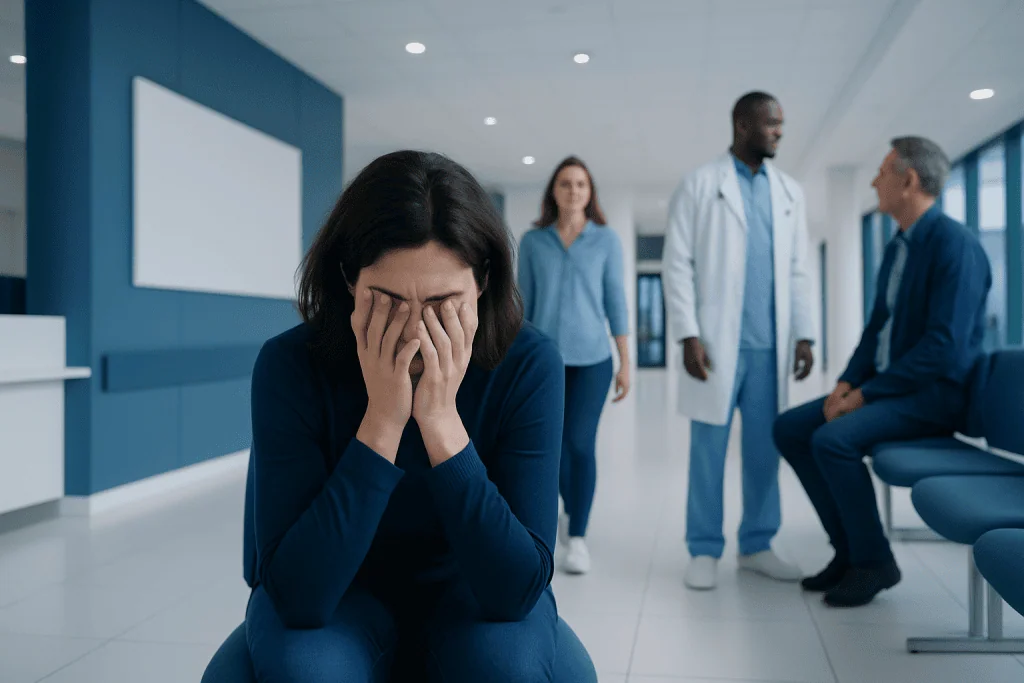
Self loathing involves persistent, distressing negative beliefs and feelings about oneself. It can be associated with depression, anxiety, trauma, eating disorders, and other mental health concerns.
Key Takeaways
- Self loathing involves persistent, distressing negative beliefs and feelings about oneself.
- It can be associated with depression, anxiety, trauma, eating disorders, and other mental health concerns.
- Treatment often includes psychotherapy, support for related conditions, and practical self-care habits.
- Early help can improve relationships, functioning, sleep, and overall wellbeing.
- Urgent care is important if self loathing is accompanied by self-harm thoughts or suicidal thinking.
Self loathing is a pattern of intense self-criticism, shame, or disgust directed toward oneself. It is not a formal diagnosis on its own, but it can be linked with mental health conditions and deserves compassionate, professional attention when it affects daily life.
Overview: what self loathing means
Self loathing is a strong and recurring pattern of negative feelings toward oneself. A person may feel deep shame, worthlessness, disgust, or intense self-blame. Many people use the term casually, but in health terms it usually refers to more persistent thoughts and emotions that can affect mood, relationships, work, study, sleep, and daily routines.
Self loathing is not a standalone medical diagnosis in standard psychiatric classification. Instead, it is better understood as a distressing experience or symptom pattern that may appear alongside conditions such as depression, anxiety disorders, trauma-related disorders, or eating disorders. It can also appear during periods of grief, chronic stress, burnout, bullying, social isolation, or major life change.
Importantly, self loathing is not a character flaw or a sign of weakness. It often develops through a combination of learned thought patterns, difficult experiences, and underlying mental health factors. With appropriate support, people can learn to recognize these patterns, reduce their intensity, and build a more balanced and compassionate view of themselves.
How self loathing can feel in everyday life
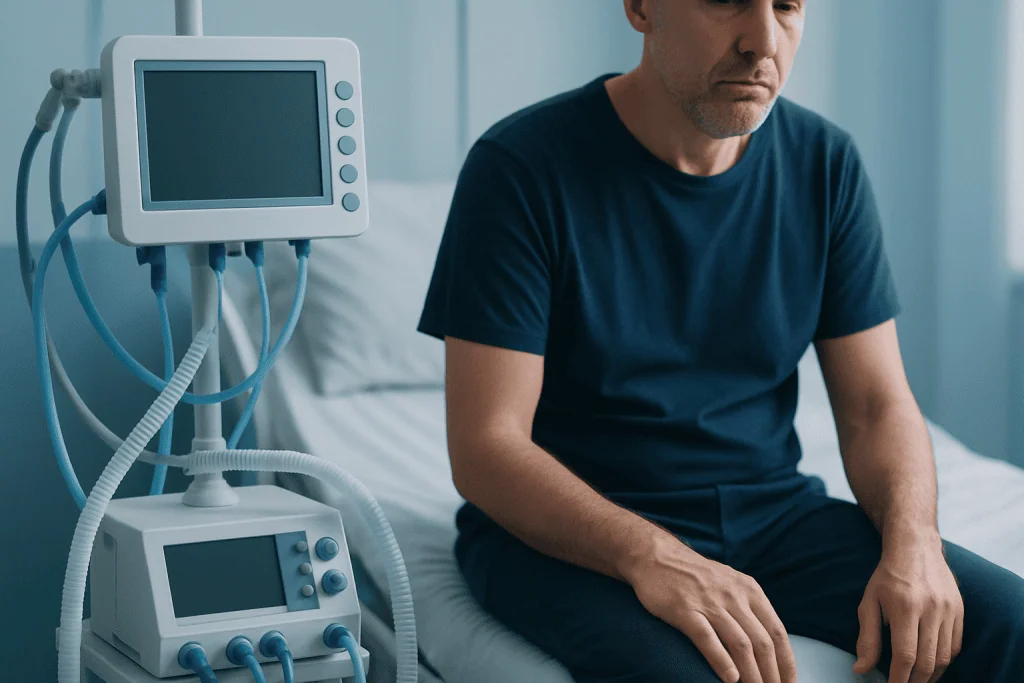
People experience self loathing in different ways. Some describe a constant inner voice that criticizes everything they do. Others feel a painful sense that they are “not good enough,” even when there is little objective reason to think so. These feelings may come and go, or they may be present most days for weeks or months.
Common emotional and mental features can include shame, guilt, hopelessness, embarrassment, or a sense of being fundamentally flawed. Thoughts may become rigid and absolute, such as “I always fail” or “Nobody could truly care about me.” This kind of thinking can make everyday setbacks feel much larger and harder to recover from.
Self loathing can also affect behavior. A person may avoid social contact, reject compliments, overwork to prove worth, seek constant reassurance, or withdraw from opportunities because they expect failure. Some people become highly self-critical about appearance, eating, or performance, which may overlap with eating disorders or body image concerns.
- Persistent harsh self-criticism
- Feelings of shame, worthlessness, or self-disgust
- Difficulty accepting praise or care from others
- Social withdrawal or avoidance
- Perfectionism or fear of making mistakes
- Changes in sleep, appetite, or concentration when mood is affected
Causes and risk factors

There is rarely one single cause of self loathing. In many cases, it develops gradually through repeated experiences and internal beliefs. Early criticism, neglect, bullying, discrimination, trauma, unstable relationships, or unrealistic family or social expectations can all shape how a person sees themselves. Cultural pressure, social media comparison, and chronic stress may intensify these beliefs.
Mental health conditions can also contribute. Self loathing is commonly seen in people with mood and anxiety disorders, especially when they have ongoing negative thought patterns. It may also be present in people living with obsessive-compulsive disorder, post-traumatic stress symptoms, personality-related difficulties, or substance use problems. Physical illness, chronic pain, and fatigue can further lower resilience and self-confidence.
Certain personality traits or coping styles can make self loathing more likely. These include perfectionism, people-pleasing, excessive self-comparison, and a tendency to interpret events in the most negative way. However, having these traits does not mean a person will always develop severe self-loathing. Supportive relationships, treatment, and healthy coping skills can reduce risk and improve recovery.
How doctors and mental health professionals assess it
Assessment usually begins with a conversation about symptoms, daily functioning, and emotional wellbeing. A doctor, psychologist, or psychiatrist may ask when the negative self-beliefs started, how often they occur, what seems to trigger them, and whether they affect sleep, appetite, work, school, or relationships. They may also ask about past trauma, stress, substance use, and physical health.
Because self loathing can be part of another condition, assessment often looks for related symptoms such as persistent low mood, loss of interest, panic, intrusive thoughts, changes in eating, or self-harm behaviors. The goal is not to label the person, but to understand the full picture and identify whether there is an underlying issue that needs treatment. When needed, a patient may be referred for psychiatric evaluation or therapy.
There is no single lab test for self loathing. However, doctors may consider whether a medical problem is contributing to fatigue, mood changes, or poor concentration. A careful assessment can help guide a treatment plan that is individualized, practical, and focused on safety as well as symptom relief.
Treatment options and supportive care
Treatment depends on the person’s symptoms, their severity, and whether there is an associated mental health condition. Psychotherapy is often central. Approaches such as cognitive behavioral therapy can help identify harsh thought patterns, challenge distorted beliefs, and develop more balanced self-talk. Other therapies may focus on trauma, emotional regulation, self-compassion, relationships, or behavior change.
If self loathing is linked with depression, anxiety, obsessive-compulsive symptoms, or another diagnosed condition, treatment may include care for that condition as well. This can involve structured therapy and, in some cases, medication prescribed by a qualified clinician. In selected situations, a doctor may discuss treatment for depression or broader psychological support as part of a coordinated care plan.
Supportive care matters too. Many people benefit from regular sleep, physical activity, less alcohol or substance use, reduced exposure to harmful comparison, and routines that create a sense of stability. Treatment is not about forcing positive thinking. Rather, it aims to reduce the intensity of self-attack, improve coping, and make space for a more realistic, kinder view of the self.
Recovery is often gradual. Setbacks do not mean treatment has failed. Over time, many people find that their inner criticism becomes less dominant, relationships improve, and they are better able to tolerate mistakes without collapsing into shame.
Practical self-care strategies that may help
Self-care is not a substitute for professional treatment when symptoms are severe, but it can support recovery. One helpful step is learning to notice the difference between facts and interpretations. For example, making one mistake does not mean a person is a failure. Writing down self-critical thoughts and asking whether they are fair, balanced, and evidence-based can help create distance from them.
It can also help to limit environments that repeatedly reinforce shame. This might include reducing time spent on triggering social media accounts, setting boundaries with overly critical people, or seeking communities that are respectful and supportive. Building small, achievable routines can restore a sense of competence and stability.
- Keep a regular sleep and meal schedule when possible
- Practice brief grounding or breathing exercises during intense shame
- Speak to oneself as one would speak to a trusted friend
- Notice all-or-nothing language such as “always” and “never”
- Stay connected with supportive people, even in small ways
- Seek professional help if symptoms are persistent or worsening
Some people find journaling, mindfulness, or structured self-compassion exercises useful. Others do better with practical action, such as walking, attending therapy consistently, or rebuilding daily routines. Different strategies work for different people, and a clinician can help tailor them.
When to seek medical care
A person should consider professional help if self loathing is strong, frequent, or lasting more than a few weeks, especially if it begins to interfere with daily functioning. Warning signs include withdrawing from others, losing interest in usual activities, neglecting self-care, major changes in sleep or appetite, or feeling unable to control self-critical thoughts. Early support can prevent symptoms from becoming more entrenched.
Urgent help is needed if self loathing is linked with self-harm, suicidal thoughts, or thoughts that others would be better off without the person. In that situation, the safest step is to contact local emergency services, a crisis line, or go to the nearest emergency department immediately. The person should not be left alone if there is immediate risk.
Family members and friends can help by listening without judgment, avoiding arguments about whether the person “should” feel this way, and encouraging them to seek professional care. Near the end of the care pathway, if international patients need specialist evaluation, Acibadem International’s multidisciplinary teams in JCI-accredited hospitals provide assessment and treatment support in mental health-related conditions.
Frequently asked questions
Is self loathing the same as low self-esteem?
Not exactly. Low self-esteem usually means a generally poor opinion of oneself, while self loathing is often more intense and emotionally painful, with shame, disgust, or harsh self-attack. The two can overlap, but self loathing tends to feel more persistent and distressing.
Is self loathing a mental illness?
Self loathing is not usually considered a formal diagnosis by itself. It is more often a symptom pattern or emotional experience that can occur with conditions such as depression, anxiety, trauma-related disorders, or eating disorders. A professional assessment can help clarify whether another condition is present.
Can self loathing go away?
Yes, many people improve with the right support. Treatment, insight into thought patterns, and steady self-care can reduce the intensity and frequency of self-critical thinking over time. Recovery is often gradual rather than immediate.
What type of therapy helps with self loathing?
Several types of therapy may help, depending on the cause. Cognitive behavioral therapy is commonly used to challenge distorted self-beliefs, while other approaches may focus on trauma, emotional regulation, or self-compassion. The best choice depends on the individual's symptoms and history.
Can self loathing affect physical health?
Yes. Ongoing emotional distress can affect sleep, appetite, energy, concentration, and motivation. It may also lead to unhealthy coping behaviors such as isolation, substance use, or neglecting medical care.
When is self loathing an emergency?
It becomes an emergency if the person has thoughts of self-harm or suicide, feels unable to stay safe, or has made plans to hurt themselves. In these cases, urgent help from emergency services, a crisis line, or the nearest emergency department is essential. Immediate safety takes priority over waiting for a routine appointment.
References
- World Health Organization
- National Institute of Mental Health
- American Psychiatric Association
- National Health Service
- Mayo Clinic
This article is for general information only and is not a substitute for professional medical advice. Please consult a qualified doctor about your individual situation.
Explore treatments in Turkey — costs, top hospitals & a free quote
JCI-accredited · board-certified surgeons · reply within 24h
Add us as a Preferred Source to see more of our trusted health content across Google Search, AI Overviews and Discover.

More from the Health Library



Related Specialists

Dr. Oya Yeşim Hacımustafaoğlu Utkan (m)
Dermatology
Dr. Kamuran Mutluay
Pediatrics
Prof. Dr. Faruk Suat Dede
Gynecology & Obstetrics
Assoc. Prof. Dr. Özge Vural Topuz
Nuclear Medicine