Warts Bum Hole: A Complete Medical Overview

Warts around the anus are most often anal warts caused by HPV. They may appear as small bumps, itching, moisture, or bleeding, but some cause no symptoms.
Key Takeaways
- Warts around the anus are most often anal warts caused by HPV.
- They may appear as small bumps, itching, moisture, or bleeding, but some cause no symptoms.
- A medical exam is important because hemorrhoids, skin tags, and other conditions can resemble anal warts.
- Treatment may include topical therapy, freezing, cautery, or minor procedures, depending on size and location.
- HPV vaccination, safer sex practices, and follow-up care can help reduce future risk.
Warts bum hole usually refers to anal or perianal warts, small growths caused most often by certain types of human papillomavirus (HPV). These warts are common, can affect the skin around or inside the anus, and should be assessed by a qualified doctor because several other conditions can look similar.
Overview: what “warts bum hole” usually means
The phrase “warts bum hole” commonly refers to warts on or around the anus, also called anal warts or perianal warts. These growths are usually linked to infection with certain types of human papillomavirus (HPV). They can affect the skin around the anal opening and, in some cases, the lining just inside the anal canal.
Anal warts are usually benign, meaning they are not cancer. However, they can grow, spread locally, and return after treatment. Because the area is sensitive and several different conditions can look similar, a proper medical assessment is the safest way to confirm what is causing the bumps.
People often feel embarrassed about symptoms in this area, which can delay care. Still, anal warts are a medical issue that doctors evaluate regularly. Early assessment can make treatment simpler and can also help identify other conditions, including hemorrhoids, fissures, skin tags, or less commonly precancerous changes.
Signs and symptoms
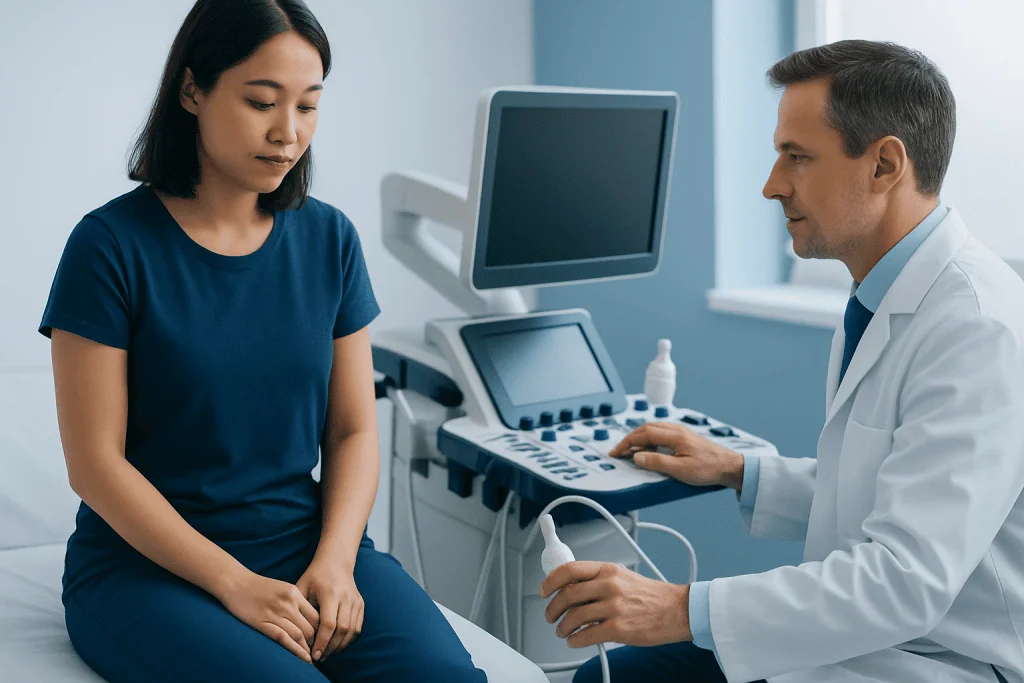
Anal warts may look like small, flesh-colored, pink, or slightly darker bumps around the anus. Some stay tiny and flat, while others grow and cluster together, creating a cauliflower-like surface. They may appear only on the outside skin, but some people also have warts inside the anal canal.
Symptoms vary. Some people notice no discomfort at all and only find a lump while washing. Others may have itching, irritation, moisture, mild bleeding, or a feeling of fullness in the area. If the warts rub against clothing or become inflamed, they may feel tender.
Because symptoms overlap with other anorectal conditions, appearance alone is not enough for a diagnosis. A bump near the anus may also be a skin tag, inflamed hemorrhoid, molluscum contagiosum, or another skin problem. Persistent, changing, or bleeding growths should be checked by a clinician.
- Small bumps around the anus
- Itching or irritation
- Moisture or discharge
- Mild bleeding after wiping
- A sensation of a lump or fullness
- Multiple clustered growths
Causes and risk factors

Anal warts are most commonly caused by HPV, a very common virus spread through skin-to-skin sexual contact. The strains that cause visible warts are often different from the strains most strongly linked to cancer, but a person can carry more than one HPV type at the same time. HPV can affect the genital and anal area even when there are no obvious symptoms.
Not everyone exposed to HPV develops visible warts. The immune system often clears or suppresses the virus, but in some people it persists and leads to growths. Warts may appear weeks, months, or even longer after exposure, which means it is often impossible to know exactly when the infection began.
Risk can be higher with a history of unprotected sexual contact, multiple partners, prior genital warts, smoking, or a weakened immune system. People living with conditions or treatments that suppress immunity may be more prone to persistent or recurrent warts. Vaccination can reduce the risk of infection from several important HPV types, including those that commonly cause warts.
How doctors diagnose anal warts
Diagnosis usually begins with a medical history and physical examination. A doctor may inspect the skin around the anus and ask about symptoms such as itching, bleeding, pain, discharge, bowel changes, and previous HPV-related problems. This evaluation also helps distinguish warts from other anal conditions.
If needed, the clinician may gently examine the anal canal using a gloved finger or a small instrument to look inside. Internal warts can be present even when only a few are visible externally. In selected cases, especially if lesions are unusual, persistent, or suspicious, a biopsy may be recommended to confirm the diagnosis and rule out precancerous or cancerous changes.
Additional testing depends on the person’s age, symptoms, medical history, and exam findings. The goal is not only to identify the wart itself but also to ensure nothing more serious is being missed. If symptoms overlap with digestive or rectal disorders, a specialist may recommend further evaluation such as colonoscopy when clinically appropriate, though this is not required for every patient with anal warts.
Treatment options and what to expect
Anal warts can be treated, but the best method depends on their number, size, exact location, and whether they are inside or outside the anus. Some treatments are applied by a doctor, while others involve carefully selected topical medicines. Self-treating with over-the-counter wart products is not recommended for the anal area because the skin is delicate and can be badly irritated.
Common medical treatments include topical therapies, freezing with cryotherapy, burning with electrocautery, or removal using minor surgical techniques. Larger, internal, or recurrent warts may require procedural treatment by a colorectal surgeon, dermatologist, or other trained specialist. If there is concern about a different diagnosis or deeper disease, the care plan may be adjusted.
Even after successful treatment, warts can return because HPV may remain in nearby tissue for some time. Follow-up is important, especially if symptoms recur. In some cases, doctors also evaluate related anorectal symptoms and may coordinate care with services used for hemorrhoid treatment or, if another condition is found, management of anal cancer screening or treatment pathways where appropriate.
Near the end of evaluation and treatment planning, some patients seek care in centers with coordinated specialties. Acibadem International’s multidisciplinary specialists and JCI-accredited hospitals diagnose and treat anal and perianal conditions for international patients when needed.
Self-care, prevention, and living with HPV
Good self-care can reduce irritation and support healing, although it does not remove established warts on its own. Gentle cleaning with water, avoiding harsh soaps, and keeping the area dry may help. Friction, scratching, and non-prescribed topical treatments can worsen discomfort and should be avoided.
Safer sex practices can lower the risk of HPV transmission, though they do not eliminate it completely because HPV can affect nearby skin not covered by a condom. If a person has visible genital or anal warts, avoiding sexual contact until they have been assessed is sensible. Open communication with partners can also help with shared decision-making about screening and vaccination.
HPV vaccination is an important preventive step for many adolescents and adults, according to age and local recommendations. Vaccination does not treat existing warts, but it can reduce the risk of future infection from several HPV types. Stopping smoking, managing chronic illness, and attending follow-up visits may also help reduce recurrence.
- Clean the area gently and pat dry
- Avoid picking, shaving over, or scratching lesions
- Do not use standard over-the-counter wart removers near the anus
- Ask a doctor about HPV vaccination eligibility
- Use barrier protection consistently during sexual activity
- Return for follow-up if new bumps appear
When to seek medical care
Medical care is recommended whenever new bumps, skin changes, or persistent itching develop around the anus. While anal warts are common, other causes may need different treatment. Getting an accurate diagnosis can prevent delay and reduce unnecessary worry.
Prompt assessment is especially important if there is bleeding, pain, discharge, rapid growth, a change in bowel habits, or lesions that do not improve. People with a weakened immune system, a history of HPV-related disease, or recurrent growths should also seek evaluation sooner rather than later.
Emergency care is not usually needed for anal warts alone, but urgent review may be appropriate for heavy bleeding, severe pain, fever, or signs of infection. A primary care doctor, dermatologist, colorectal surgeon, gastroenterologist, or sexual health clinician can usually advise on the next steps and whether tests such as anorectal evaluation or specialist procedures are needed.
Common concerns: stigma, recurrence, and follow-up
Many people worry that anal warts mean poor hygiene or recent infidelity. In reality, HPV is very common, and visible warts can appear long after initial exposure. A new diagnosis does not reliably show when the virus was acquired, so patients are encouraged to approach the issue calmly and medically rather than with blame.
Recurrence is one of the most frustrating parts of anal wart treatment. Even when visible lesions are removed, tiny areas of HPV-infected tissue may remain. This is why follow-up visits matter: they allow clinicians to monitor healing, treat any returning warts early, and reassess if the appearance changes.
Long-term outlook is generally good with proper care. Most cases can be managed effectively, and many people do well with a combination of treatment, monitoring, and prevention. If there are concerns about persistent lesions, unusual findings, or associated symptoms, specialist review helps ensure the diagnosis is correct and the care plan remains appropriate.
Frequently asked questions
Are warts around the anus always caused by HPV?
Most true anal warts are caused by human papillomavirus, or HPV. However, not every bump near the anus is a wart. Skin tags, hemorrhoids, molluscum contagiosum, and other skin conditions can look similar, so a medical exam is important.
Can anal warts go away on their own?
Some HPV-related warts may shrink or disappear over time, especially if the immune system suppresses the virus. Still, many persist, spread locally, or return after seeming to improve. Because the diagnosis can be uncertain without an exam, it is wise to have them checked rather than wait indefinitely.
Are anal warts dangerous?
Anal warts are usually benign and treatable. They are not the same as cancer, but they should still be evaluated because some lesions in this area can mimic warts or be associated with abnormal cell changes. Proper diagnosis helps guide treatment and follow-up.
Can over-the-counter wart removers be used on anal warts?
No, standard over-the-counter wart products are generally not suitable for the anal area. The skin is sensitive, and these products can cause burns, severe irritation, or damage. A doctor can recommend safer, medically appropriate treatment.
Will treatment cure HPV completely?
Treatment removes or destroys visible warts, but it does not always eliminate HPV from nearby tissue right away. That is why warts can come back after treatment. Follow-up care and preventive steps, including vaccination when appropriate, remain important.
Should a person avoid sex if they think they have anal warts?
It is sensible to avoid sexual contact until a clinician has assessed the area. HPV can spread through skin-to-skin contact, and treatment may be easier when irritation is minimized. A doctor can also advise about partner communication, barrier protection, and vaccination.
References
- World Health Organization
- Centers for Disease Control and Prevention
- American Society of Colon and Rectal Surgeons
- National Health Service
- American Academy of Dermatology
This article is for general information only and is not a substitute for professional medical advice. Please consult a qualified doctor about your individual situation.
Oncology care in Turkey — second opinion and treatment plan
JCI-accredited · board-certified surgeons · reply within 24h
Add us as a Preferred Source to see more of our trusted health content across Google Search, AI Overviews and Discover.

More from the Health Library


Related Specialists

Dr. Elmın Imanov
Cardiology
Dr. Uğur Öner
Aesthetic Plastic & Reconstructive Surgery
Prof. Dr. Haluk Esgin
Ophthalmology
Prof. Dr. A. Çağrı Büke
Infectious Diseases & Clinical Microbiology