Choledocholithiasis — Explained by Medical Evidence, Not Myths
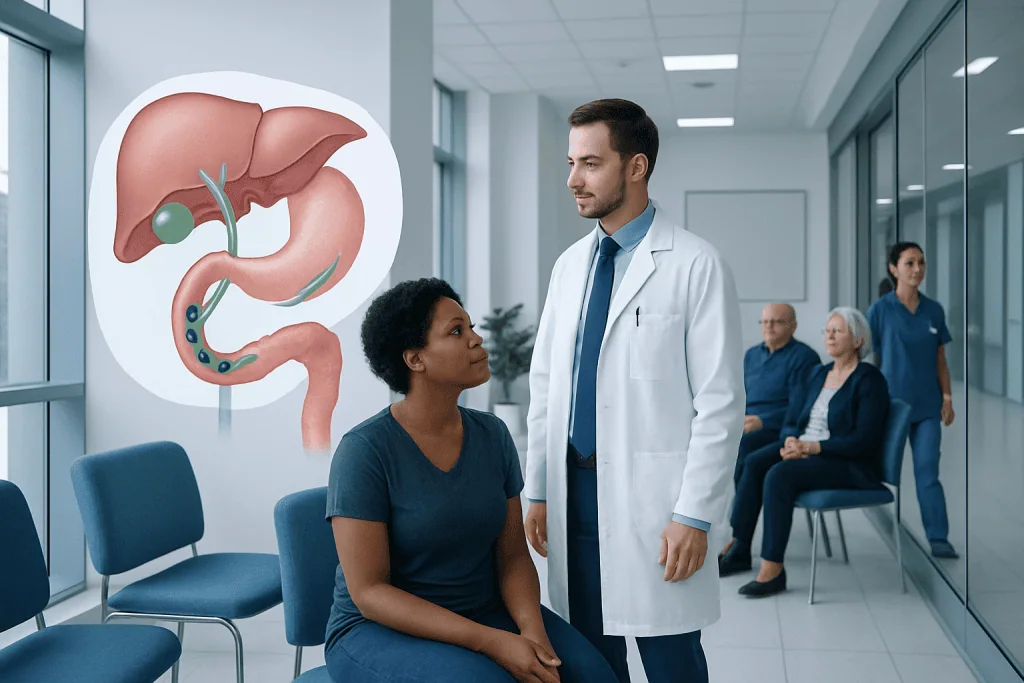
Choledocholithiasis means gallstones have moved into or formed within the common bile duct. Symptoms may include upper abdominal pain, jaundice, dark urine, pale stools, fever, nausea, or sometimes no symptoms at all.
Key Takeaways
- Choledocholithiasis means gallstones have moved into or formed within the common bile duct.
- Symptoms may include upper abdominal pain, jaundice, dark urine, pale stools, fever, nausea, or sometimes no symptoms at all.
- Diagnosis usually combines blood tests with imaging such as ultrasound, MRCP, endoscopic ultrasound, or ERCP.
- Treatment often involves removing the stone, commonly with ERCP, and some people also need gallbladder treatment to prevent recurrence.
- Fever, worsening pain, vomiting, or yellowing of the skin and eyes should be assessed promptly.
Choledocholithiasis is the presence of one or more stones in the common bile duct, the channel that carries bile from the liver and gallbladder into the small intestine. It can block bile flow and lead to pain, jaundice, pancreatitis, or infection, so prompt medical assessment is often important.
Overview: what choledocholithiasis means
Choledocholithiasis is the medical term for stones in the common bile duct. Most often, these stones begin in the gallbladder and then pass into the duct, although some can form in the ducts themselves. The common bile duct carries bile from the liver and gallbladder to the small intestine, where bile helps digest fats.
When a stone partially or fully blocks this duct, bile cannot flow normally. This may cause upper abdominal pain, yellowing of the skin or eyes, abnormal liver blood tests, inflammation of the pancreas, or a bile duct infection. Some people have clear symptoms, while others are diagnosed only after blood tests or scans are done for another reason.
It is helpful to distinguish choledocholithiasis from ordinary gallstones. Gallstones located only in the gallbladder are not the same as common bile duct stones. The problem becomes more urgent when a stone enters the duct because blockage can affect the liver, pancreas, and risk of infection. This is why evaluation is based on clinical evidence and imaging rather than assumptions or home remedies.
Symptoms and possible complications
Symptoms of choledocholithiasis can vary from mild to severe. A common pattern is pain in the upper right or middle upper abdomen, especially after eating. The pain may come and go if a stone shifts position, or it may become more constant if the blockage persists.
Other symptoms can include nausea, vomiting, jaundice, dark urine, pale or clay-colored stools, itching, or loss of appetite. Some people also feel tired or generally unwell. In older adults, symptoms may be less typical, which can sometimes delay diagnosis.
Complications matter because they guide how quickly care is needed. If bacteria infect blocked bile, the result can be cholangitis, a potentially serious condition linked to fever, chills, and worsening jaundice. A stone can also obstruct the pancreatic duct opening and trigger pancreatitis, causing significant upper abdominal pain that may radiate to the back.
- Upper abdominal pain, often right-sided or central
- Yellowing of the eyes or skin
- Dark urine and pale stools
- Fever or chills, which may suggest infection
- Nausea and vomiting
- Sometimes no symptoms despite abnormal tests
Why it happens: causes and risk factors
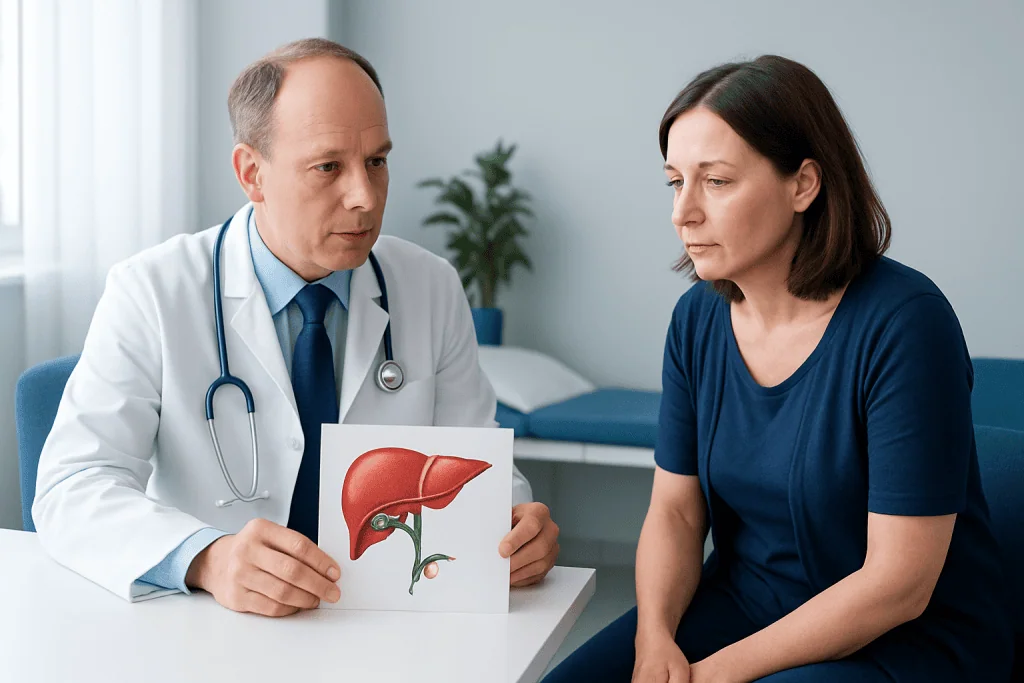
The most common cause of choledocholithiasis is gallstones leaving the gallbladder and entering the common bile duct. This means many risk factors overlap with those for gallstones in general. People with a history of gallstones are at increased risk, especially if they have had biliary colic or inflammation before.
Risk tends to be higher in people with obesity, rapid weight loss, increasing age, pregnancy, diabetes, certain blood disorders that raise bilirubin levels, or a family history of gallstones. Diet and body weight can influence gallstone formation, but choledocholithiasis itself is not caused by one single food or by a temporary digestive upset.
Less commonly, stones may form primarily within the bile ducts, especially when there is bile stasis, infection, or structural narrowing of the ducts. Previous biliary surgery, duct abnormalities, or recurrent infections can increase this possibility. A clinician considers these factors because they affect both treatment choice and the risk of stones returning.
How doctors diagnose choledocholithiasis
Diagnosis starts with the medical history, symptoms, physical examination, and blood tests. Doctors often look for changes in bilirubin, alkaline phosphatase, gamma-glutamyl transferase, and other liver-related tests. If infection or pancreatitis is suspected, additional blood tests may be needed.
Ultrasound is commonly the first imaging test because it is widely available and can show gallstones, bile duct widening, or other clues. However, ultrasound may not detect every duct stone. If the picture is unclear, a doctor may recommend magnetic resonance cholangiopancreatography, often called MRCP, or endoscopic ultrasound, which can show the bile ducts in more detail.
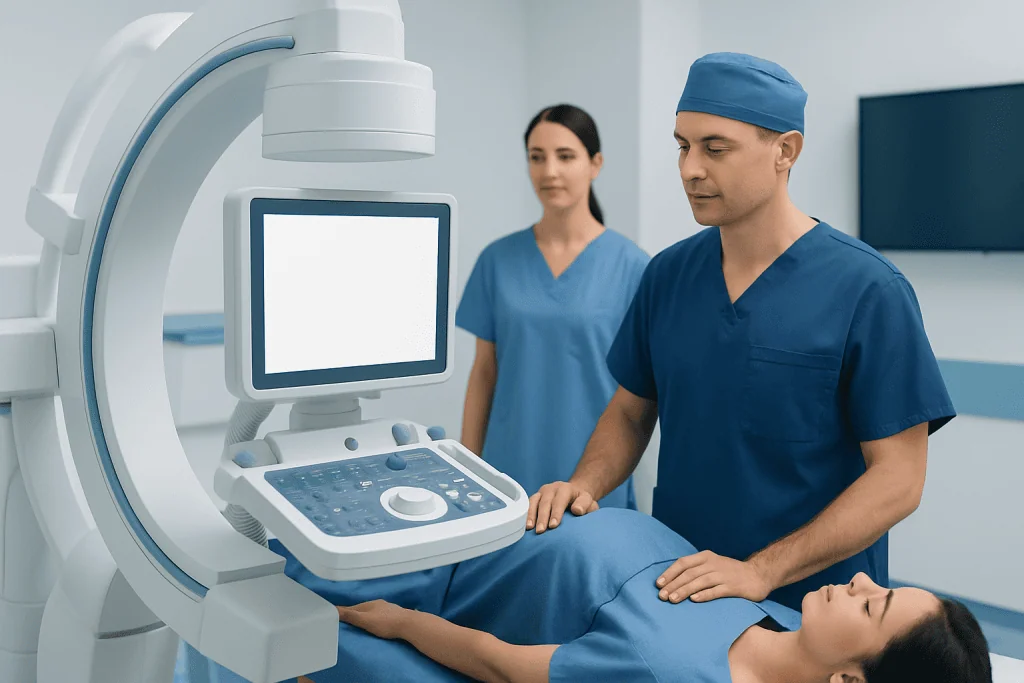
ERCP, or endoscopic retrograde cholangiopancreatography, is different because it can be both diagnostic and therapeutic. Rather than being used for every suspected case, it is usually reserved for people with a high likelihood of a duct stone or for those who need treatment. In many centers, the goal is to choose the safest test that answers the question clearly while avoiding unnecessary procedures.
Diagnosis also involves excluding other causes of similar symptoms, including hepatitis, peptic ulcer disease, cholecystitis, pancreatitis, and other liver or bile duct disorders. This careful approach helps ensure that treatment targets the actual cause of the blockage.
Treatment options and what recovery may involve
Treatment depends on whether the stone is causing obstruction, jaundice, infection, pancreatitis, or ongoing pain. In many cases, the main goal is to remove the stone and restore normal bile flow. The most common approach is ERCP, an endoscopic procedure that allows the doctor to locate and remove stones or help the duct drain.
During ERCP, a specialist passes a flexible endoscope through the mouth into the small intestine and accesses the bile duct opening. Small instruments can be used to widen the opening, remove stones, or place a temporary stent if needed. This is often effective, especially when symptoms are related to obstruction or infection.
If gallstones remain in the gallbladder, doctors may recommend gallbladder surgery to reduce the chance of future stones entering the duct. Some patients need surgery sooner, while others have it after the duct has been cleared and the acute problem has settled. In selected situations, bile duct exploration or other procedures may be considered if ERCP is not suitable or does not fully solve the blockage.
Supportive care may also be part of treatment. This can include fluids, pain control, treatment for nausea, and antibiotics when infection is present or strongly suspected. Recovery varies by the severity of the episode, the procedure used, and whether complications such as pancreatitis or cholangitis occurred.
Prevention and self-care after treatment
There is no guaranteed way to prevent all bile duct stones, but some steps may help lower the risk of gallstone-related problems. Gradual, steady weight management is generally better than rapid weight loss. Balanced eating patterns, regular physical activity, and good control of conditions such as diabetes may also support overall biliary health.
After treatment, follow-up matters. A doctor may monitor symptoms, liver blood tests, or imaging results, especially if there were multiple stones, a narrowed bile duct, or previous complications. If the gallbladder is still present and has stones, discussing whether definitive treatment is advisable can help reduce recurrence.
Self-care should stay realistic and evidence-based. Hydration, eating lighter meals during recovery if advised, and taking prescribed medicines as directed may help comfort, but these measures do not dissolve an obstructing duct stone. People should be cautious about unproven cleanses, supplements, or detox claims, which can delay necessary care.
For international patients who need coordinated evaluation and treatment, Acibadem International’s multidisciplinary specialists and JCI-accredited hospitals diagnose and manage biliary conditions using modern imaging and endoscopic care, including MRCP when appropriate.
When to seek medical care
Medical assessment is important if symptoms suggest a blocked bile duct. A person should contact a doctor promptly for new jaundice, persistent upper abdominal pain, dark urine, pale stools, or repeated vomiting. Even when symptoms are not severe, these signs can point to a condition that usually needs testing rather than watchful waiting alone.
Urgent care is needed for fever, chills, confusion, faintness, severe abdominal pain, or worsening jaundice. These can signal cholangitis, pancreatitis, or significant obstruction. Delayed treatment may increase the chance of complications, so it is safer to be evaluated early.
People who have previously had gallstones, gallbladder attacks, or biliary procedures should be especially mindful of recurring symptoms. A clinician can decide whether blood tests, an ultrasound, or a more specialized test is the next best step. Personalized advice is always important, because the right timing and treatment depend on the full clinical picture.
Frequently asked questions
Is choledocholithiasis the same as gallstones?
Not exactly. Gallstones are stones that usually form in the gallbladder, while choledocholithiasis means a stone is in the common bile duct. A person may have gallstones without a duct stone, but a duct stone can cause more urgent problems because it may block bile flow.
Can choledocholithiasis go away on its own?
Some small stones may pass spontaneously, but it is not safe to assume this will happen. If a stone remains lodged, it can cause jaundice, infection, or pancreatitis. Symptoms or abnormal liver tests should be assessed by a qualified doctor.
Does everyone with choledocholithiasis need surgery?
Not everyone needs surgery right away. Many people first need an endoscopic procedure such as ERCP to remove the duct stone, and some later have gallbladder surgery to help prevent recurrence. The best plan depends on symptoms, overall health, and whether stones remain in the gallbladder.
What tests are commonly used to confirm choledocholithiasis?
Doctors often begin with blood tests and abdominal ultrasound. If more detail is needed, MRCP or endoscopic ultrasound may be used. ERCP is typically chosen when a stone is strongly suspected and treatment may be needed at the same time.
Can choledocholithiasis cause pancreatitis?
Yes. A stone near the opening where the bile duct and pancreatic duct empty can block pancreatic drainage and trigger pancreatitis. This is one reason sudden severe upper abdominal pain, especially with vomiting, should be evaluated promptly.
Are there foods or home remedies that can dissolve a bile duct stone?
There is no reliable home remedy proven to dissolve an obstructing common bile duct stone. Supportive measures may help comfort, but they do not replace medical evaluation. Unproven cleanses or detox products can delay appropriate care.
References
- National Institute of Diabetes and Digestive and Kidney Diseases
- American College of Gastroenterology
- American Society for Gastrointestinal Endoscopy
- National Health Service
- Merck Manual Professional Edition
This article is for general information only and is not a substitute for professional medical advice. Please consult a qualified doctor about your individual situation.
Persistent digestive symptoms? Get evaluated in Turkey
JCI-accredited · board-certified surgeons · reply within 24h
Add us as a Preferred Source to see more of our trusted health content across Google Search, AI Overviews and Discover.

More from the Health Library



Related Specialists

Dr. Hudheıfa Yussuf Hajı
Inpatient Clinic Physicians
Dyt. Nilay Kayım
Nutrition & Diet
Dr. Ferhat Topçu
Emergency Service
Prof. Dr. Özgür Yağmur
General Surgery