Low Body Temperature — Explained by Medical Evidence, Not Myths

Low body temperature is commonly defined as a core temperature below 35°C (95°F). Cold exposure is a well-known cause, but infections, endocrine disorders, malnutrition, alcohol, and some medicines can also contribute.
Key Takeaways
- Low body temperature is commonly defined as a core temperature below 35°C (95°F).
- Cold exposure is a well-known cause, but infections, endocrine disorders, malnutrition, alcohol, and some medicines can also contribute.
- Symptoms may include shivering, confusion, fatigue, slurred speech, and poor coordination.
- Older adults, infants, and people with chronic illness are at higher risk of complications.
- Urgent medical care is needed if low body temperature occurs with confusion, drowsiness, breathing problems, or loss of consciousness.
Low body temperature usually means the body is losing heat faster than it can produce it, or that an illness, medicine, or hormonal problem is lowering temperature control. It can be mild and temporary, but persistent or marked low body temperature should be assessed by a qualified doctor.
Overview: what low body temperature means
Low body temperature usually refers to a body temperature that is below the normal range, especially when the core temperature falls under 35°C (95°F). In everyday life, a single low reading does not always mean there is an emergency. Temperature can vary with the time of day, age, environment, recent activity, and the type of thermometer used.
What matters most is the context. A person who feels well and has a slightly low reading may simply need a repeat measurement with a reliable thermometer. By contrast, low body temperature together with shivering, confusion, weakness, or unusual sleepiness can signal that the body is not regulating heat properly and may need prompt care.
Medical evidence shows that low body temperature is a sign rather than a disease itself. It can happen after exposure to cold, but it may also appear with infections, low blood sugar, thyroid problems, nervous system disorders, poor nutrition, or certain medicines. This is why the right response depends on the cause, the severity of symptoms, and the person’s overall health.
Normal temperature, measurement, and common myths
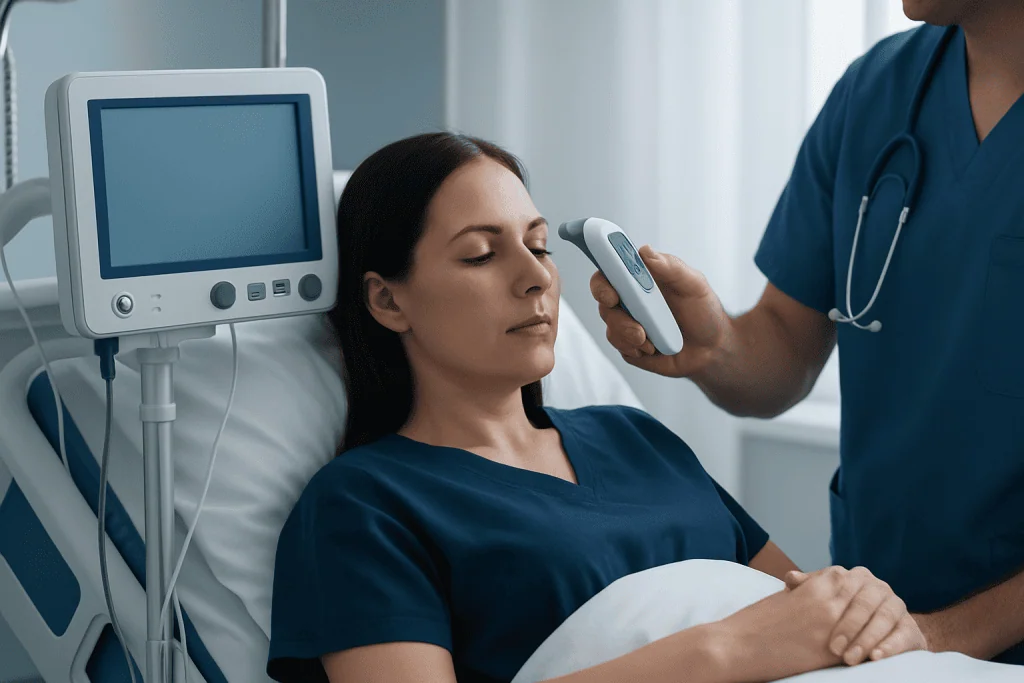
There is no single exact temperature that is normal for every person at all times. Body temperature naturally fluctuates during the day and may be lower in the morning and slightly higher later in the afternoon or evening. Readings also differ depending on whether they are taken orally, under the arm, in the ear, on the forehead, or rectally.
One common myth is that any temperature below 37°C (98.6°F) is abnormal. In fact, many healthy adults have resting temperatures somewhat below that number. Another myth is that feeling cold always means hypothermia. A person can feel cold without having a dangerously low core temperature, and someone with true hypothermia may not always recognize the seriousness of the problem.
When checking low body temperature at home, it helps to repeat the measurement after resting indoors and using the thermometer exactly as directed. If the result remains low, especially with symptoms, medical assessment is advisable. Reliable measurement is particularly important for infants, older adults, and anyone who is ill or confused.
Symptoms and warning signs

The symptoms of low body temperature can develop gradually or come on more quickly, depending on the cause. Early signs often include feeling unusually cold, shivering, pale skin, numbness in the hands or feet, fatigue, and slowed thinking. Some people describe clumsiness, poor balance, or difficulty performing simple tasks.
As body temperature drops further, symptoms can become more serious. These may include slurred speech, marked drowsiness, confusion, irritability, shallow breathing, a slow pulse, and loss of coordination. In severe cases, a person may stop shivering, become unresponsive, or lose consciousness.
Babies and older adults may not show typical symptoms. Infants can have cool skin, poor feeding, low energy, or weak crying. Older adults may present with confusion, falls, or unusual tiredness instead of obvious complaints of feeling cold. Because symptoms may be subtle, family members and caregivers play an important role in noticing changes.
- Mild signs: shivering, cold skin, tiredness, numb fingers or toes
- Moderate signs: confusion, slurred speech, poor coordination, slowed breathing
- Severe signs: extreme drowsiness, weak pulse, inability to stay awake, collapse
Causes and risk factors beyond cold weather
Cold exposure is a leading cause of low body temperature, but it is far from the only one. Spending time outdoors in winter, falling into cold water, wearing wet clothing, or living in a poorly heated environment can all overwhelm the body’s ability to keep itself warm. Even cool indoor temperatures can be risky for frail older adults and small infants.
Medical causes are also important. Low body temperature may occur with severe infections, especially in older adults, where the body does not always respond with a fever. Hormonal and metabolic disorders such as thyroid-related disease or underactive thyroid function, low blood sugar, adrenal problems, and malnutrition can reduce heat production or interfere with temperature regulation. Neurological conditions, stroke, and trauma can affect the brain pathways that control temperature. In some cases, investigation may involve a specialty such as neurology evaluation.
Alcohol and some medicines can make low body temperature more likely by affecting judgment, blood flow, shivering, or the body’s temperature-control mechanisms. Sedatives, some psychiatric medicines, opioids, and certain anesthesia-related drugs may contribute. Risk is also higher in older adults, babies, people with chronic illness, those with limited mobility, and anyone who cannot easily recognize or respond to cold.
How doctors diagnose the cause
Diagnosis begins with confirming that the body temperature is truly low and understanding the person’s symptoms, recent activities, medications, and medical history. A doctor will ask about cold exposure, alcohol use, recent infection, eating patterns, chronic illnesses, and whether symptoms developed suddenly or gradually. The physical examination focuses on mental status, breathing, circulation, skin findings, and signs of dehydration or infection.
If the person is unwell, doctors may check oxygen levels, blood sugar, heart rhythm, and blood pressure right away. Blood tests can help look for infection, electrolyte imbalance, thyroid or adrenal problems, kidney or liver dysfunction, and other metabolic causes. Depending on the situation, imaging or other tests may be used to assess underlying conditions. For example, a chest scan may be considered if a severe infection such as pneumonia is suspected, sometimes alongside a broader medical check-up.
The goal is not only to warm the person safely but also to identify why the low temperature happened. This is especially important when the temperature is persistently low without obvious exposure to cold, or when the person has repeated episodes. Accurate diagnosis helps prevent recurrence and directs treatment toward the underlying problem.
Treatment options and safe rewarming
Treatment depends on severity and cause. Mild low body temperature may improve with moving to a warm environment, removing wet clothing, drying the skin, and using warm blankets. Warm drinks can help if the person is fully awake and able to swallow safely. Gentle rewarming is generally preferred over intense direct heat.
Medical care is needed when symptoms are significant, the temperature is clearly low, or the person belongs to a high-risk group. In hospital, treatment may include warmed blankets, warmed intravenous fluids, oxygen, and continuous monitoring of heart rhythm and vital signs. Doctors also treat the cause, such as infection, low blood sugar, hormonal imbalance, or complications from medication or alcohol use. If an infection is suspected, evaluation may involve services such as infectious diseases care.
Some home methods are unsafe. Very hot baths, heating pads placed directly on the skin, or rubbing cold hands and feet vigorously can cause harm, especially if the person is numb, frail, or confused. If severe symptoms are present, emergency help should be sought rather than attempting prolonged home treatment.
Near the end of the care pathway, some people may need follow-up with specialists if an endocrine, neurological, infectious, or nutritional issue is found. Acibadem International’s multidisciplinary specialists and JCI-accredited hospitals diagnose and treat low body temperature and its underlying causes for international patients.
Prevention and self-care
Prevention focuses on maintaining warmth, nutrition, hydration, and awareness of individual risk factors. Dressing in layers, keeping living spaces adequately heated, changing out of wet clothes promptly, and avoiding prolonged cold exposure are practical steps for most people. For outdoor activity, dry clothing, insulated footwear, and regular breaks from wind or cold are helpful.
At home, people who are older, live alone, or have chronic illness may benefit from extra support during colder months. Caregivers can help by checking room temperature, ensuring access to warm meals, and noticing changes in alertness or mobility. Babies should be dressed appropriately for the environment without overheating, and their temperature should be checked if they seem unusually sleepy or feed poorly.
Self-care also includes managing health conditions that can affect temperature regulation. Good nutrition, regular meals, and adherence to treatment for thyroid disease, diabetes, or other chronic problems may reduce risk. Anyone who notices repeated low readings should review their medications and symptoms with a qualified doctor rather than assuming cold weather is the only explanation.
When to seek medical care
Medical care should be sought promptly if low body temperature comes with confusion, unusual drowsiness, breathing difficulty, chest pain, bluish skin, fainting, or inability to stay awake. Urgent help is also needed if the person has been in cold water, is very old or very young, or may have severe infection, low blood sugar, or significant alcohol or drug exposure.
A doctor’s evaluation is also appropriate for persistent low body temperature even when symptoms seem mild. Repeated low readings, unexplained fatigue, poor appetite, weight changes, weakness, or intolerance to cold can point to an underlying health problem that should not be overlooked. In people with chronic disease or recent surgery, even subtle changes may matter.
While waiting for medical help, the person should be moved to a warm, dry place, covered with blankets, and observed closely. If they are awake, warm fluids may be offered, but they should not be forced to drink or eat if swallowing is difficult. Emergency services should be contacted immediately for severe symptoms or worsening responsiveness.
Frequently asked questions
What is considered low body temperature?
Low body temperature generally means a core body temperature below 35°C (95°F). A mildly low reading on a home thermometer is not always dangerous, but it should be repeated and interpreted along with symptoms and the person’s overall condition.
Can low body temperature happen without being in the cold?
Yes. Low body temperature can occur with infections, low blood sugar, thyroid or adrenal problems, malnutrition, alcohol use, and certain medications. That is why persistent or unexplained low readings deserve medical attention.
Is low body temperature the same as hypothermia?
Hypothermia is the medical term for a dangerously low body temperature, especially when the core temperature drops below 35°C (95°F). Not every slightly low reading means severe hypothermia, but symptoms such as confusion, slurred speech, or extreme sleepiness are warning signs.
What should someone do at home for mild low body temperature?
They should move to a warm, dry place, remove wet clothing, and use blankets or dry layers. Warm drinks may help if the person is fully alert and can swallow safely. If symptoms are significant, the person is very young or older, or the temperature remains low, a doctor should be contacted.
Why are older adults and babies more vulnerable?
Older adults may have reduced ability to sense cold, move easily, or generate heat, and they may take medicines that affect temperature regulation. Babies lose heat more quickly and cannot adjust their environment on their own, so symptoms can become serious faster.
Can an infection cause low body temperature instead of fever?
Yes. Although fever is common with infection, some people, especially older adults or those who are very ill, may develop a low body temperature instead. In this setting, low temperature can be a serious sign and should be assessed promptly.
References
- World Health Organization
- Centers for Disease Control and Prevention
- National Institute on Aging
- MedlinePlus
- Mayo Clinic
This article is for general information only and is not a substitute for professional medical advice. Please consult a qualified doctor about your individual situation.
Explore treatments in Turkey — costs, top hospitals & a free quote
JCI-accredited · board-certified surgeons · reply within 24h
Add us as a Preferred Source to see more of our trusted health content across Google Search, AI Overviews and Discover.

More from the Health Library

Mallet Toe — Explained by Medical Evidence, Not Myths

Sophia Burns Md: What Patients Need to Know

UTI test strips: Symptoms, Causes, and Treatment — Complete Patient Guide

Breast S: Procedure, Recovery and Results

Kim Kardashian Energy Drink — Explained by Medical Evidence, Not Myths