

High Bilirubin: What Your Results Mean and When to Act

High bilirubin is a lab finding, not a diagnosis by itself. The meaning depends on whether total, direct, or indirect bilirubin is elevated.
Key Takeaways
- High bilirubin is a lab finding, not a diagnosis by itself.
- The meaning depends on whether total, direct, or indirect bilirubin is elevated.
- Mild elevations can occur without serious disease, but jaundice, dark urine, pale stools, fever, or abdominal pain need prompt medical review.
- Doctors usually interpret bilirubin together with liver enzymes, blood counts, and imaging when needed.
- Newborns, people with Gilbert syndrome, and those taking certain medicines may have bilirubin elevations for different reasons.
High bilirubin means the level of bilirubin in the blood is above the laboratory’s reference range. Sometimes this is temporary or harmless, but in other cases it points to a problem with red blood cell breakdown, the liver, or the flow of bile and should be interpreted in context with symptoms and other test results.
What high bilirubin means
High bilirubin means a blood test has found more bilirubin than the laboratory’s expected reference range. Bilirubin is a yellow pigment made when the body breaks down old red blood cells. The liver processes it, and bile carries it into the intestine so it can leave the body.
In many adults, a small rise may be found incidentally on routine blood work and may not indicate a serious condition. In other situations, high bilirubin can reflect liver inflammation, blockage of bile flow, or faster-than-normal breakdown of red blood cells. This is why the result is most useful when interpreted alongside symptoms, medical history, and other tests.
The headline number often reported first is total bilirubin. Laboratories may also separate this into direct bilirubin and indirect bilirubin. That distinction matters because it helps doctors understand whether the issue is more likely related to bilirubin production, liver processing, or bile drainage.
Normal ranges and when a result is meaningful
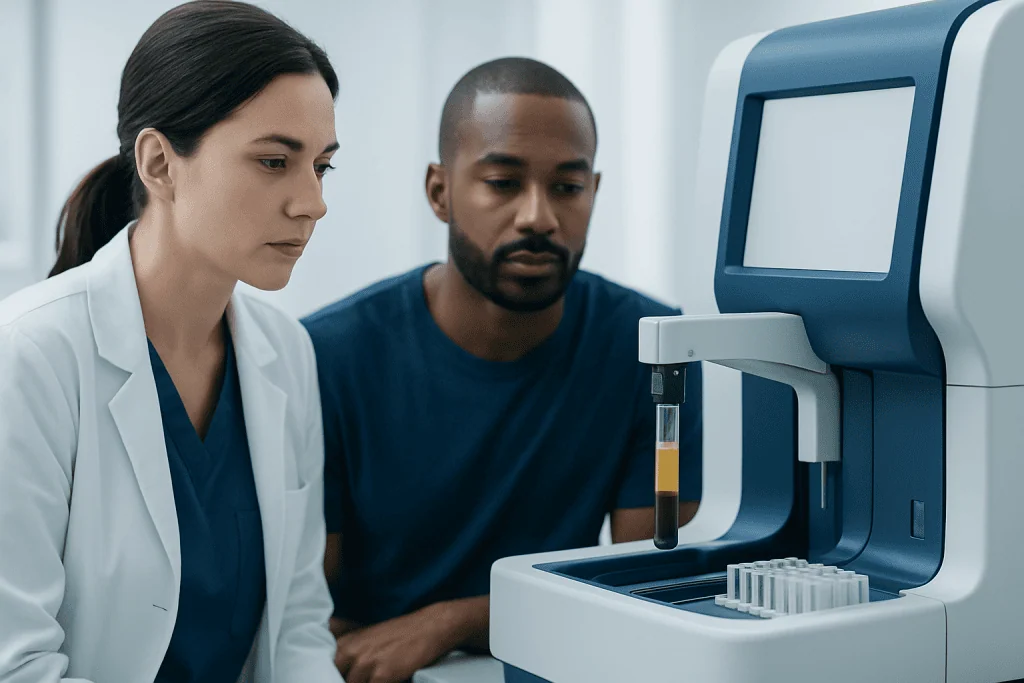
The first thing most people want to know is whether their number is above the listed range. Reference ranges vary slightly by laboratory, testing method, age, and clinical setting, so the result should always be compared with the range printed on that specific report. In adults, total bilirubin is commonly reported within a low range, while direct bilirubin is only a smaller portion of the total.
Levels can also vary by context. Newborns naturally have different bilirubin patterns in the first days of life. In adults, fasting, dehydration, strenuous exercise, illness, and some medicines can shift bilirubin values modestly. Sex and body composition may also affect how results are interpreted, but the clinical context usually matters more than a single isolated number.
A bilirubin result becomes more medically meaningful when it is clearly outside the expected range, rising over time, or paired with symptoms such as yellowing of the eyes or skin, itching, dark urine, pale stools, nausea, right upper abdominal pain, fever, or unusual fatigue. It also deserves closer attention when liver enzymes, blood counts, or imaging findings are abnormal at the same time.
Doctors generally avoid judging a bilirubin result in isolation. A mildly elevated value in someone who feels well may be monitored or repeated, while the same value in a person with jaundice or abnormal liver tests may need prompt evaluation. The pattern is often more informative than the number alone.
Direct vs indirect bilirubin: why the type matters

Indirect bilirubin, also called unconjugated bilirubin, forms first when red blood cells are broken down. It then travels to the liver, where it is changed into direct bilirubin, also called conjugated bilirubin. Direct bilirubin can then move through the bile ducts into the digestive system.
If indirect bilirubin is high, doctors may consider causes such as Gilbert syndrome, fasting, stress, recent illness, or increased red blood cell breakdown. Gilbert syndrome is a common inherited condition in which the liver processes bilirubin more slowly; it is usually harmless and may cause intermittent mild jaundice, especially during stress or dehydration.
If direct bilirubin is high, that can suggest the liver is processing bilirubin but cannot move it normally into bile, or that liver cells are inflamed or injured. This pattern may be seen in hepatitis, medication-related liver injury, gallbladder or bile duct blockage, or other hepatobiliary conditions. Depending on the full picture, the doctor may evaluate for liver conditions or problems affecting the gallbladder and bile ducts when clinically relevant.
Because the body handles bilirubin in steps, the type of elevation can point the next stage of testing in the right direction. That is why a doctor may order fractionated bilirubin, liver enzymes, a complete blood count, and sometimes imaging rather than relying on total bilirubin alone.
Common causes of high bilirubin
High bilirubin is usually grouped into three broad categories: too much bilirubin being produced, difficulty processing it in the liver, or trouble draining it through the bile ducts. Increased production can happen when red blood cells break down faster than usual, as in some forms of hemolysis. Problems with processing may occur in liver inflammation, inherited conditions, alcohol-related liver injury, or side effects of certain medicines. Drainage problems can occur with gallstones, bile duct narrowing, inflammation, or tumors affecting the liver, pancreas, or biliary system.
Common noncancerous causes include Gilbert syndrome, viral hepatitis, fatty liver disease, medication effects, dehydration, prolonged fasting, and gallstones. Bilirubin can also rise during severe infections, after major illness, or when the liver is under stress from another medical condition. In these cases, the bilirubin result is only one piece of the overall health picture.
Doctors also consider a person’s age, pregnancy status, alcohol use, recent travel, family history, and medication or supplement use. Acetaminophen overuse, some antibiotics, anabolic steroids, certain chemotherapy agents, and herbal products can affect the liver or bile flow. It is helpful for patients to bring a full list of prescription medicines, over-the-counter drugs, and supplements to their appointment.
- More likely indirect bilirubin causes: Gilbert syndrome, fasting, hemolysis, bruising resorption after injury
- More likely direct bilirubin causes: hepatitis, gallstones, bile duct blockage, pancreatobiliary disease, medication-related cholestasis
- Mixed patterns: broad liver injury or systemic illness can raise both fractions
Symptoms, diagnosis, and related tests
Some people with high bilirubin have no symptoms at all, especially when the increase is mild. Others notice jaundice, which is yellowing of the whites of the eyes or the skin. Dark urine, pale or clay-colored stools, itching, nausea, vomiting, poor appetite, abdominal discomfort, or fatigue may suggest that the bilirubin elevation is linked to liver or bile duct disease.
Diagnosis begins with history and physical examination. The doctor will ask when symptoms started, whether there was alcohol use, recent infection, travel, medication changes, weight loss, or family history of liver or blood disorders. They may look for jaundice, abdominal tenderness, enlarged liver or spleen, bruising, or signs of dehydration.
Blood tests often include total and direct bilirubin, AST, ALT, alkaline phosphatase, GGT, albumin, and clotting tests to assess liver function. A complete blood count, reticulocyte count, haptoglobin, and lactate dehydrogenase may help if red blood cell breakdown is suspected. Depending on the pattern, doctors may test for viral hepatitis or autoimmune liver disease as well.
Imaging may be needed when blockage or structural disease is possible. Ultrasound is often the first step for evaluating the liver, gallbladder, and bile ducts. In some cases, additional studies such as MRI, triphase liver imaging, or ERCP are used to clarify the cause or treat bile duct obstruction.
Treatment options depend on the cause
There is no single treatment for high bilirubin because the bilirubin level itself is not the disease. Treatment focuses on the underlying reason for the elevation. If the cause is dehydration, fasting, or a temporary illness, the bilirubin may return to normal once the body recovers and normal eating and fluid intake resume.
If Gilbert syndrome is responsible, treatment is usually not needed. Patients are often advised that values can fluctuate during illness, stress, strenuous exercise, poor sleep, or skipped meals. Understanding this pattern can help reduce anxiety when mild jaundice appears from time to time.
When liver inflammation is involved, care may include stopping a harmful medicine, treating a viral infection if appropriate, or managing chronic liver disease. If a stone or narrowing is blocking bile flow, procedures may be needed to relieve the obstruction. In selected cases, doctors may use endoscopic ultrasound or ERCP to identify and treat a biliary problem.
If hemolysis is suspected, treatment depends on why red blood cells are breaking down. That may involve evaluation by specialists in blood disorders, immune conditions, or inherited diseases. Near the end of the diagnostic pathway, multidisciplinary teams such as those at Acibadem International can coordinate advanced assessment and treatment for international patients in JCI-accredited hospitals when complex liver, biliary, or hematologic causes are being considered.
Self-care, prevention, and follow-up
Not all causes of high bilirubin can be prevented, but several practical steps support liver and biliary health. Avoiding excessive alcohol, staying hydrated, eating regular balanced meals, and using medicines only as directed can reduce avoidable stress on the liver. People with known liver disease should discuss all supplements and herbal products with their doctor, because “natural” does not always mean safe for the liver.
Vaccination against hepatitis A and B may be appropriate for some people. Safe food and water habits during travel, safer sex practices, and avoiding needle sharing can reduce hepatitis risk. Maintaining a healthy weight can also help lower the risk of fatty liver disease, which may contribute to abnormal liver tests.
Follow-up is important when a bilirubin result is new or unexplained. The doctor may repeat the test, ask the person not to fast before the next sample, or order fractionated bilirubin if only total bilirubin was checked. Trend over time often helps separate a temporary fluctuation from a condition that needs more investigation.
Patients should not stop prescribed medicines on their own because of one abnormal lab result unless a clinician has advised it. A guided review is safer, especially when the medication is important for blood pressure, seizures, mood, or infection treatment.
When to seek medical care
A routine appointment is appropriate for many mild bilirubin elevations discovered by chance, especially if there are no symptoms. However, medical advice should be sought sooner if jaundice appears, if the eyes become yellow, or if the bilirubin level is newly elevated together with dark urine, pale stools, itching, nausea, vomiting, abdominal pain, or unexplained fatigue.
Urgent medical care is important if jaundice is accompanied by fever, confusion, severe abdominal pain, fainting, marked weakness, bleeding, or signs of dehydration. These features may suggest infection, significant bile duct blockage, severe liver dysfunction, or another acute illness that needs prompt attention. Newborns with yellowing of the skin or eyes should always be assessed quickly because bilirubin is interpreted differently in infants.
People who already have liver disease, gallstones, anemia, cancer, or recent surgery should contact their doctor promptly if bilirubin rises or symptoms change. The same applies to anyone who has started a new medicine or supplement before the abnormal result appeared. Early review can help identify whether the change is temporary, medication-related, or part of a condition that needs treatment.
Frequently asked questions
Is high bilirubin always a sign of liver disease?
No. High bilirubin can come from liver disease, but it can also result from harmless inherited traits such as Gilbert syndrome, temporary fasting, dehydration, or increased breakdown of red blood cells. The full meaning depends on symptoms, other lab tests, and whether direct or indirect bilirubin is elevated.
What bilirubin level causes jaundice?
Jaundice becomes noticeable when bilirubin rises enough to tint the eyes or skin yellow, but the exact level varies from person to person. Some people show visible changes earlier than others, and lighting and skin tone can affect how easy it is to notice. Doctors rely on both the physical exam and the lab result rather than appearance alone.
Can dehydration cause high bilirubin?
Yes, mild dehydration and prolonged fasting can raise bilirubin in some people, especially those with Gilbert syndrome. In these cases, the increase is often temporary and may improve with normal hydration and eating. A doctor may repeat the test if the rest of the evaluation is reassuring.
What is the difference between direct and indirect bilirubin?
Indirect bilirubin is the form produced when old red blood cells break down. The liver converts it into direct bilirubin so it can be carried in bile and leave the body. Knowing which form is high helps doctors decide whether to look first at blood-cell breakdown, liver processing, or bile duct drainage.
Should a person be worried about a mildly elevated bilirubin result?
Not always. A mild isolated elevation can be benign, especially if it has been stable over time and other liver tests are normal. Even so, it is best discussed with a qualified clinician who can decide whether repeat testing or further evaluation is needed.
How do doctors investigate high bilirubin?
They usually start with a history, physical exam, and repeat or fractionated bilirubin testing. Additional blood tests may check liver enzymes, blood counts, and signs of hemolysis or infection. If blockage or structural disease is suspected, imaging such as ultrasound or MRI may be recommended.
References
- National Institute of Diabetes and Digestive and Kidney Diseases
- American Association for the Study of Liver Diseases
- MedlinePlus
- Merck Manual Professional Edition
- World Health Organization
This article is for general information only and is not a substitute for professional medical advice. Please consult a qualified doctor about your individual situation.
Persistent digestive symptoms? Get evaluated in Turkey
JCI-accredited · board-certified surgeons · reply within 24h
Add us as a Preferred Source to see more of our trusted health content across Google Search, AI Overviews and Discover.

More from the Health Library



Related Specialists

Prof. Dr. H. Armağan Arıcan
Radiation Oncology
Assoc. Prof. Dr. Aras Şenvar
Otorhinolaryngology
Dr. Seval Karakaya Atınçer
Anesthesiology
Dr. Levent Konur
Gynecology & Obstetrics