Sore Tummy and Back: A Complete Medical Overview

Sore tummy and back is a symptom pattern, not a diagnosis, and it can come from digestive, urinary, gynecologic, or musculoskeletal causes. The timing, exact location, and associated symptoms help doctors narrow down the cause.
Key Takeaways
- Sore tummy and back is a symptom pattern, not a diagnosis, and it can come from digestive, urinary, gynecologic, or musculoskeletal causes.
- The timing, exact location, and associated symptoms help doctors narrow down the cause.
- Red-flag features include severe pain, fever, vomiting, blood in stool or urine, fainting, or trouble breathing.
- Self-care may help mild symptoms, but ongoing or recurrent pain should be evaluated by a qualified clinician.
- Treatment depends on the underlying cause and may range from hydration and rest to medicines or procedures.
Sore tummy and back often happens because pain from the abdomen, kidneys, pelvis, or spine can be felt in more than one area at the same time. In many cases the cause is minor, such as indigestion or muscle strain, but persistent, severe, or unusual symptoms deserve medical assessment.
Overview: What sore tummy and back can mean
Sore tummy and back usually means pain is being felt in the abdomen and the back at the same time. This can happen because organs in the abdomen and pelvis share nerve pathways with the back, so discomfort may seem to spread, radiate, or be hard to pinpoint. For some people, the pain feels crampy or bloated; for others, it is sharp, aching, burning, or pressure-like.
This symptom pattern has many possible explanations. Common examples include indigestion, constipation, trapped gas, muscle strain, urinary tract problems, kidney stones, menstrual cramps, and infections. Less commonly, pain in both areas may be linked to gallbladder, pancreatic, intestinal, or vascular conditions. The same symptom can feel very different depending on the cause, which is why the full symptom picture matters.
A useful way to think about sore tummy and back is by asking where the pain started, what makes it better or worse, and whether other symptoms are present. Pain after eating may suggest a digestive source, while pain with urination may point to the urinary system. Pain that changes with movement can sometimes be more related to muscles or the spine than to the abdomen itself.
Common symptom patterns and what they may suggest
The exact pattern of soreness can offer clues. Upper abdominal pain that spreads to the mid-back may be seen with acid irritation, gallbladder problems, or inflammation of the pancreas. Lower abdominal pain with low back pain may occur with constipation, urinary infection, pelvic conditions, or menstrual cramping. Flank pain, felt at the sides of the back under the ribs, may suggest kidney involvement.
Doctors also ask whether symptoms are constant or come in waves. Colicky pain that rises and falls can happen with kidney stones or bowel spasms. A dull ache may be more consistent with muscle strain, bloating, or a mild infection. Sudden severe pain, especially if it causes sweating, faintness, or vomiting, is more urgent and should not be ignored.
Associated symptoms often help narrow down the cause:
- Nausea, vomiting, bloating, or altered bowel habits may suggest a digestive source.
- Burning urination, urinary frequency, or blood in urine can point to the kidneys or bladder.
- Fever, chills, or marked fatigue may indicate infection or inflammation.
- Pelvic pain, abnormal vaginal bleeding, or pain related to the menstrual cycle may suggest a gynecologic cause.
- Pain that worsens with lifting, twisting, or certain positions may be musculoskeletal.
Because symptoms can overlap, it is not always possible to identify the cause from location alone. Persistent or worsening pain deserves a professional evaluation rather than self-diagnosis.
Possible causes: digestive, urinary, pelvic, and musculoskeletal

Digestive causes are among the most common. Indigestion, reflux, constipation, and gas can create abdominal pressure that is also felt in the back. Stomach infections may cause cramps with generalized body aches. Conditions involving the gallbladder or pancreas can produce pain in the upper abdomen that radiates backward, especially after meals. Inflammatory bowel problems, appendicitis, or bowel obstruction can also present with pain in both regions, depending on the location of inflammation.
Urinary causes are also important. A urinary tract infection may lead to lower abdominal discomfort, and if it reaches the kidneys it can cause fever and pain in the back or flank. Kidney stones can cause intense waves of pain that move from the side or back toward the lower abdomen or groin. For people with repeated urinary symptoms or stone-like pain, prompt medical assessment is helpful. Some patients may need further evaluation for kidney stones.
Pelvic and reproductive causes should also be considered. Menstrual cramps, endometriosis, ovarian cysts, pelvic inflammatory disease, and early pregnancy-related conditions can cause lower abdominal pain that extends into the back. In men, prostate or pelvic conditions may sometimes be involved. New pelvic symptoms, missed periods, or unusual bleeding should always be discussed with a clinician.
Musculoskeletal causes can mimic internal organ pain. Tight back muscles, poor posture, heavy lifting, or spine-related issues may create back pain that coincides with abdominal muscle strain. However, musculoskeletal pain is usually more clearly related to movement or position. If symptoms are mainly spinal, evaluation for hernia or other structural causes may sometimes be relevant depending on the clinical picture.
How doctors evaluate sore tummy and back
Diagnosis begins with a careful history. A clinician will ask where the pain is located, when it began, whether it spreads, how severe it feels, and what triggers or relieves it. They will also ask about bowel habits, urination, appetite, menstrual history when relevant, medications, recent travel, injuries, and past medical conditions.
A physical examination often includes checking the abdomen for tenderness, bloating, guarding, masses, and bowel sounds, as well as examining the back, spine, and flanks. Temperature, blood pressure, and heart rate help identify whether infection, dehydration, or another urgent issue may be present. This first step often guides what tests are actually needed.
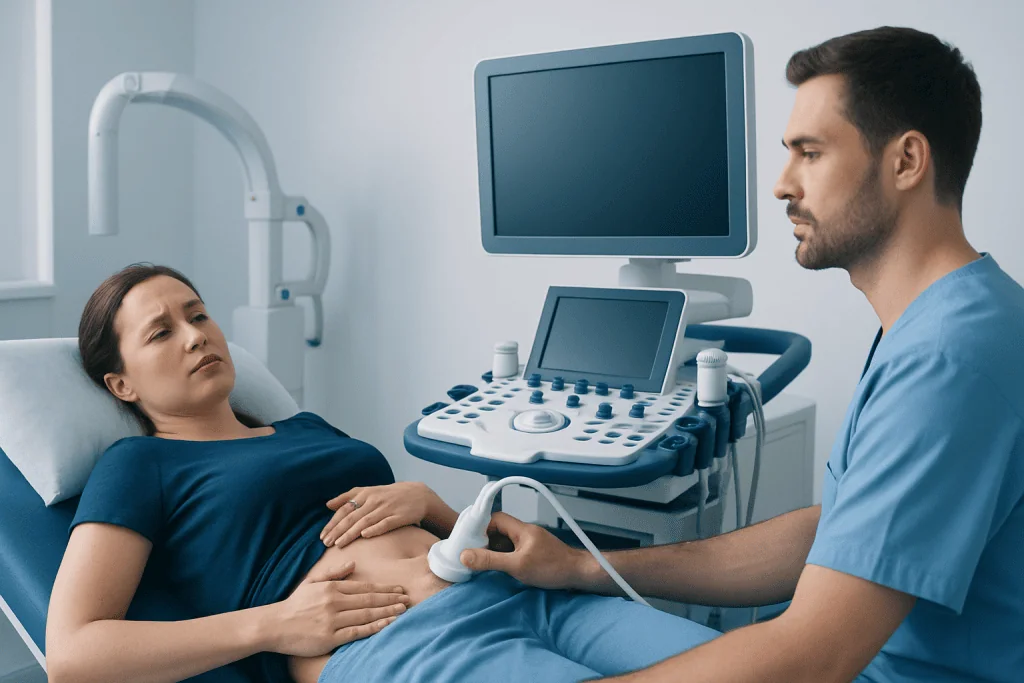
Investigations may include blood tests, urine tests, stool tests, pregnancy testing when appropriate, and imaging. Ultrasound is commonly used for gallbladder, pelvic, or kidney concerns, while CT scans can help assess appendicitis, kidney stones, obstruction, or other abdominal causes. In people with persistent upper digestive symptoms, endoscopic evaluation may be advised. If there are warning signs or repeated symptoms, a doctor may recommend endoscopy or colonoscopy as part of the workup.
The goal is not simply to label the pain, but to identify whether it is minor and self-limited or whether it reflects a condition needing specific treatment. Because many causes overlap, doctors often combine symptoms, examination findings, and test results before reaching a diagnosis.
Treatment options depend on the cause
There is no single treatment for sore tummy and back because management depends on what is causing the pain. Mild indigestion or constipation may improve with hydration, dietary adjustment, short-term symptom relief, and time. Muscle-related discomfort may respond to rest, gentle movement, heat, and posture correction. In contrast, infections, stones, inflammatory conditions, or surgical problems need targeted care.
For digestive causes, treatment may include changes in eating habits, acid-reducing strategies, treatment for constipation, or medicines aimed at the specific diagnosis. If the problem involves the gallbladder, pancreas, appendix, or bowel, a patient may need hospital-based assessment and close monitoring. Some people with upper abdominal pain may ultimately need gastroenterology evaluation to clarify the cause and plan treatment safely.
Urinary causes may be treated with hydration, pain management, antibiotics if infection is present, or procedures if a stone is large or obstructing urine flow. Pelvic causes are treated according to the diagnosis and may involve gynecologic assessment. Back-related causes are often managed conservatively at first, but persistent neurologic symptoms or severe spinal pain may call for further specialist review.
Self-treating with repeated pain medicines without knowing the cause is not ideal, because some medicines can irritate the stomach or mask important warning signs. If pain is significant, recurrent, or associated with other symptoms, the safest next step is medical advice rather than prolonged home treatment.
Practical self-care and prevention
When symptoms are mild and there are no red flags, simple measures can sometimes help while monitoring how the body responds. Drinking enough fluids, eating smaller meals, avoiding known trigger foods, and not lying down right after eating may ease digestive discomfort. Gentle walking can help some people with bloating or constipation, while heat packs may relieve muscle tension or menstrual cramps.
To reduce the chance of recurring symptoms, it helps to support both digestive and musculoskeletal health. Regular meals, adequate fiber, and staying active can help bowel function. Good lifting technique, core strength, and posture may reduce back strain. Preventing dehydration is especially important in hot weather or during illness, because it can contribute to urinary problems and constipation.
It is also wise to pay attention to patterns. Keeping a brief note of when the pain happens, what was eaten, bowel or urinary changes, menstrual timing, and any fever or vomiting can make medical visits more useful. This kind of symptom diary may help identify triggers or show whether a problem is becoming more frequent.
If symptoms are ongoing, repeat often, or interfere with eating, sleep, work, or exercise, prevention should include proper medical review. At that stage, the aim is not only symptom relief but also making sure an important underlying condition is not being missed.
When to seek medical care
Medical care is important if sore tummy and back is severe, keeps coming back, or does not improve within a short time. It is also sensible to seek assessment when the pain is new and unusual, especially in older adults, during pregnancy, or in people with chronic illnesses such as kidney disease, inflammatory bowel disease, or previous abdominal surgery.
Urgent assessment is needed if pain is accompanied by any of the following:
- Fever, shaking chills, or signs of dehydration
- Repeated vomiting or inability to keep fluids down
- Blood in stool, black stools, or blood in urine
- Fainting, chest pain, trouble breathing, or severe weakness
- A rigid abdomen, sudden severe pain, or swelling
- Burning urination with flank pain and fever
- Pregnancy with abdominal pain, bleeding, or dizziness
Prompt care matters because the same symptom can represent very different conditions, from simple indigestion to a kidney infection, gallbladder attack, appendicitis, or another urgent abdominal problem. A qualified clinician can decide whether observation, testing, or immediate treatment is needed.
For patients who need coordinated evaluation, Acibadem International’s multidisciplinary specialists and JCI-accredited hospitals diagnose and treat abdominal, urinary, and spine-related conditions for international patients.
Frequently asked questions
Can gas cause sore tummy and back?
Yes. Gas and bloating can create abdominal pressure that sometimes feels as if it spreads into the back. This is more likely if symptoms improve after passing gas, a bowel movement, or gentle movement, but persistent or severe pain should still be checked.
Is sore tummy and back usually serious?
Not always. Many cases are related to indigestion, constipation, muscle strain, or menstrual cramps. However, serious causes are possible, especially if the pain is severe, sudden, or associated with fever, vomiting, bleeding, or urinary symptoms.
How can someone tell if the pain is from the kidneys?
Kidney-related pain is often felt in the side or back under the ribs and may travel toward the lower abdomen or groin. It can occur with fever, nausea, burning urination, urinary frequency, or blood in the urine. A urine test and medical examination are usually needed to confirm the cause.
Should someone go to the emergency department for stomach and back pain?
Emergency care is appropriate if the pain is sudden, severe, or accompanied by fainting, chest pain, breathing difficulty, persistent vomiting, blood in stool or urine, or signs of infection. Pregnant patients with abdominal pain or bleeding should also seek urgent care. If there is any doubt, it is safer to get assessed promptly.
Can poor posture or a muscle strain cause both abdominal and back pain?
Yes. Strain of the abdominal wall or back muscles can cause soreness in both areas, particularly after lifting, exercise, coughing, or awkward movements. Pain that clearly changes with position or movement is more suggestive of a musculoskeletal cause, although this does not rule out other conditions.
What helps mild sore tummy and back at home?
If there are no warning signs, hydration, rest, light meals, gentle walking, and heat may help depending on the cause. Avoiding trigger foods and keeping track of bowel and urinary symptoms can also be useful. If symptoms persist, worsen, or keep returning, a doctor should evaluate them.
References
- National Institute of Diabetes and Digestive and Kidney Diseases
- Mayo Clinic
- MedlinePlus
- National Health Service
- American College of Gastroenterology
This article is for general information only and is not a substitute for professional medical advice. Please consult a qualified doctor about your individual situation.
Persistent digestive symptoms? Get evaluated in Turkey
JCI-accredited · board-certified surgeons · reply within 24h
Add us as a Preferred Source to see more of our trusted health content across Google Search, AI Overviews and Discover.