Tinea Capitis: Early Signs, Risk Factors, and How It Is Treated

Tinea capitis is a contagious fungal infection of the scalp, often called scalp ringworm. Common signs include scaling, itching, tender areas, black dots from broken hairs, and patchy hair loss.
Key Takeaways
- Tinea capitis is a contagious fungal infection of the scalp, often called scalp ringworm.
- Common signs include scaling, itching, tender areas, black dots from broken hairs, and patchy hair loss.
- Diagnosis is based on scalp examination and may be confirmed with fungal testing.
- Treatment usually requires oral antifungal medicine, sometimes along with medicated shampoo.
- Early treatment helps reduce spread, discomfort, and the risk of scarring hair loss.
Tinea capitis is a fungal infection of the scalp and hair shafts, most common in children, that can cause scaly patches, broken hairs, itching, and patchy hair loss. It usually needs prescription oral antifungal treatment because creams alone do not reach deep enough into the hair roots to clear the infection.
Overview: what tinea capitis is
Tinea capitis is a fungal infection of the scalp and hair shafts. Despite the name “ringworm,” it is not caused by a worm. It happens when dermatophyte fungi infect the skin of the scalp and the hairs growing from it, leading to inflammation, scaling, and hair breakage.
This condition is most often seen in children, especially school-aged children, but it can also affect adults. It can spread through close contact, shared combs or hats, or contact with infected animals. Because it involves the hair roots, tinea capitis usually needs prescription antifungal medicine taken by mouth rather than only creams or ointments.
Tinea capitis is treatable, and most people recover well with timely care. Recognizing the early signs matters because treatment can shorten the illness, reduce spread to others, and lower the chance of complications such as painful inflammation or temporary, and sometimes permanent, hair loss.
Early signs and symptoms to notice
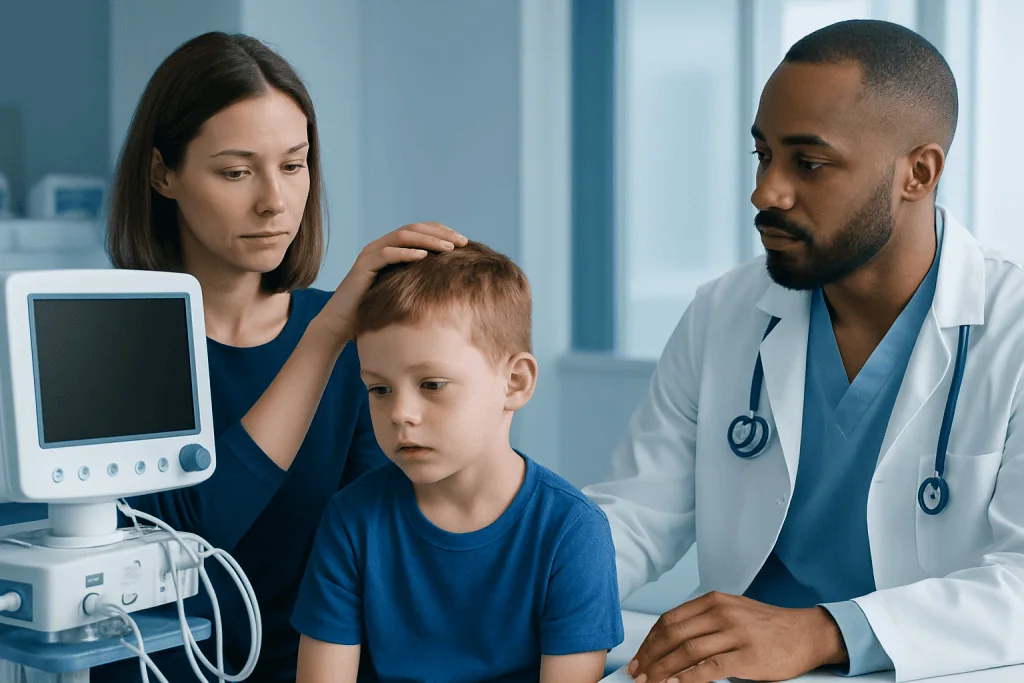
The symptoms of tinea capitis can vary. In some people, the first sign is mild dandruff-like scaling that does not improve with routine shampooing. In others, there may be one or more round or irregular patches where hair becomes brittle and breaks off near the scalp, leaving short stubs or “black dots.”
Itching is common, but not everyone feels itchy. The scalp may also look red, dry, flaky, or slightly swollen. Some children develop tender bumps or enlarged lymph nodes in the neck as the immune system reacts to the infection.
In more inflamed cases, a person may develop a kerion, which is a boggy, painful, swollen area of the scalp that can ooze or crust. A kerion can be mistaken for a bacterial infection, but it is a known inflammatory response to fungal infection and needs medical evaluation.
- Scaly patches on the scalp
- Patchy hair loss
- Broken hairs or black dots
- Itching or tenderness
- Redness, crusting, or swelling
- Swollen lymph nodes in the neck
How it spreads, causes, and risk factors

Tinea capitis is caused by dermatophyte fungi, most commonly species in the genera Trichophyton and Microsporum. These fungi thrive in keratin, the protein found in skin, hair, and nails. The infection can spread from person to person, from animals to people, or less commonly from contaminated objects such as hairbrushes, hats, pillowcases, or barber tools.
Children are at higher risk because of close contact in homes, schools, sports, and daycare settings. Living in crowded conditions, sharing hair items, or having family members with fungal skin infections can also raise risk. Some cases occur after contact with kittens, puppies, or farm animals carrying fungal infection.
Adults are less commonly affected, but tinea capitis can still occur, particularly in people with close exposure to infected children, weakened immune defenses, or underlying scalp conditions that make symptoms harder to recognize. It may occasionally be confused with other scalp problems such as eczema, psoriasis, or other hair loss conditions.
How doctors diagnose tinea capitis
Diagnosis starts with a careful history and scalp examination. A doctor will look at the pattern of scaling, hair breakage, and inflammation and ask about symptoms, household contacts, pets, and shared grooming items. In many cases, the appearance strongly suggests tinea capitis, but testing may be helpful to confirm the fungus and guide treatment.
Common tests include taking hair or scalp samples for microscopy or fungal culture. Some clinics may use dermoscopy to look more closely at broken hairs and scalp changes. In selected cases, a Wood lamp examination can help identify certain fungal species, although not all types fluoresce.
Because tinea capitis can resemble seborrheic dermatitis, alopecia areata, bacterial folliculitis, or psoriasis, professional diagnosis is important. If the scalp is severely inflamed, painful, or draining, a clinician may also assess for secondary bacterial infection or inflammation that needs additional treatment.
Treatment options and what recovery looks like
Tinea capitis is usually treated with oral antifungal medicine because the infection affects the hair shaft and follicles, where topical products alone cannot penetrate well enough. A doctor chooses the medicine based on age, likely fungal species, overall health, and sometimes test results. Treatment often continues for several weeks, and it is important to complete the full course even if the scalp looks better sooner.
Medicated antifungal shampoos may be added to lower the amount of fungus on the scalp and reduce spread to others, but they are usually used as support rather than the main treatment. In some cases, household members may also be advised to use a medicated shampoo if they have symptoms or are at high risk of carrying the fungus without obvious signs.
If there is marked inflammation, tenderness, or a kerion, the doctor may recommend additional measures to reduce discomfort and protect the scalp. Supportive dermatology care can be important when symptoms overlap with other scalp disorders, and evaluation in dermatology care may help confirm the diagnosis and monitor recovery.
Hair typically regrows after the infection clears, but regrowth can take time. Prompt treatment matters because severe or prolonged inflammation can sometimes lead to scarring and more lasting hair loss. If the diagnosis is uncertain or hair loss persists, specialists may evaluate for other causes through services related to hair loss assessment and management.
Prevention, home care, and reducing spread
Good scalp hygiene and avoiding shared personal items can help reduce spread. Children with tinea capitis should avoid sharing combs, brushes, hats, pillows, helmets, hair accessories, or towels. Items that touch the scalp should be cleaned regularly according to product instructions.
Families may be advised to check other household members for symptoms such as itching, scaling, or patchy hair loss. Pets with areas of hair loss or scaling should be examined by a veterinarian, since untreated animals can be a source of reinfection. It is also sensible to let schools or close contacts know when advised by a healthcare professional.
Home care should not replace medical treatment. Over-the-counter antifungal creams for the skin usually do not cure tinea capitis because they do not reach the infected hair roots. Gentle hair care, avoiding scratching, and following the prescribed treatment plan can support healing and help prevent complications.
When to seek medical care
Medical assessment is important if a child or adult develops a scaly scalp patch, unexplained hair loss, broken hairs, or persistent itching that does not improve with routine scalp care. Early evaluation is especially helpful when symptoms are spreading, affecting more than one person in a household, or following contact with an infected person or animal.
Prompt care is also recommended for pain, swelling, pus, crusting, fever, or a soft, inflamed mass on the scalp, as these signs can suggest a kerion or secondary infection. People with weakened immune systems or ongoing scalp disease should seek professional advice rather than self-treating.
If a diagnosis is unclear, clinicians may consider other skin and scalp conditions during specialist dermatology evaluation. Near the end of the care pathway, international patients may also seek assessment at Acibadem International, where multidisciplinary specialists in JCI-accredited hospitals diagnose and treat scalp and skin conditions.
Frequently asked questions
Is tinea capitis the same as dandruff?
No. Tinea capitis is a fungal infection of the scalp and hair shafts, while dandruff is usually related to scalp inflammation and shedding rather than infection of the hair roots. Because early tinea capitis can look dandruff-like, a medical exam may be needed if symptoms persist or hair starts breaking.
Can tinea capitis go away on its own?
It usually does not clear reliably without proper treatment. Since the fungus infects the hair follicles, prescription oral antifungal medicine is often needed to fully treat it. Delaying care can increase spread and may raise the risk of more severe inflammation.
Is tinea capitis contagious?
Yes. It can spread through close contact with an infected person, shared grooming items, or contact with infected animals. Good hygiene and avoiding shared hats, combs, and brushes help reduce transmission.
Do adults get tinea capitis?
Yes, although it is more common in children. Adults may develop it after exposure to infected children, household contacts, or animals. In adults, it may be mistaken for other scalp conditions, so diagnosis can sometimes take longer.
Will hair grow back after tinea capitis treatment?
In many cases, yes. Once the infection clears, hair often regrows over time. However, severe inflammation or scarring can affect regrowth, which is why early treatment is important.
Are shampoos alone enough to treat tinea capitis?
Usually not. Medicated shampoos may help lower the amount of fungus on the scalp and reduce spread, but they do not usually reach deeply enough into the hair follicles to cure the infection. They are commonly used alongside oral antifungal medicine.
References
- American Academy of Dermatology
- Centers for Disease Control and Prevention
- National Health Service
- Merck Manual
- American Academy of Pediatrics
This article is for general information only and is not a substitute for professional medical advice. Please consult a qualified doctor about your individual situation.
Hair transplant in Turkey — costs, graft counts & a free assessment
JCI-accredited · board-certified surgeons · reply within 24h
Add us as a Preferred Source to see more of our trusted health content across Google Search, AI Overviews and Discover.