Henrietta Lacks: What Patients Need to Know
Henrietta Lacks' cells, called HeLa cells, became a major tool in medical research. HeLa cells helped scientists study disease, vaccines, genetics, and cancer.
Key Takeaways
- Henrietta Lacks' cells, called HeLa cells, became a major tool in medical research.
- HeLa cells helped scientists study disease, vaccines, genetics, and cancer.
- Her story raised lasting ethical questions about informed consent and use of patient samples.
- Modern healthcare places much greater emphasis on consent, privacy, and research oversight.
- Patients can ask clear questions about how samples, data, and records may be used in care or research.
Henrietta Lacks was a woman treated for cervical cancer in 1951 whose cells became the first widely used immortal human cell line, known as HeLa cells. Her story matters to patients because it shaped modern medical research and helped drive important discussions about consent, privacy, and trust in healthcare.
Overview: Who Henrietta Lacks Was and Why Her Story Matters
Henrietta Lacks was an African American woman who was treated for cervical cancer at Johns Hopkins Hospital in 1951. During her care, cells taken from her tumor were used in research. Unlike most cells grown in laboratories at that time, her cells continued to live and multiply, creating the first widely used “immortal” human cell line, known as HeLa cells.
For patients, the importance of Henrietta Lacks is twofold. First, HeLa cells contributed to major advances in medicine, including research on infections, cancer, genetics, and vaccines. Second, her story highlighted ethical concerns about consent, communication, and respect for patients and families.
This topic is not only a chapter in medical history. It also helps people understand how modern medicine handles tissue samples, personal health information, and research participation today. Learning about Henrietta Lacks can make it easier for patients to ask informed questions about their own care.
What Are HeLa Cells?
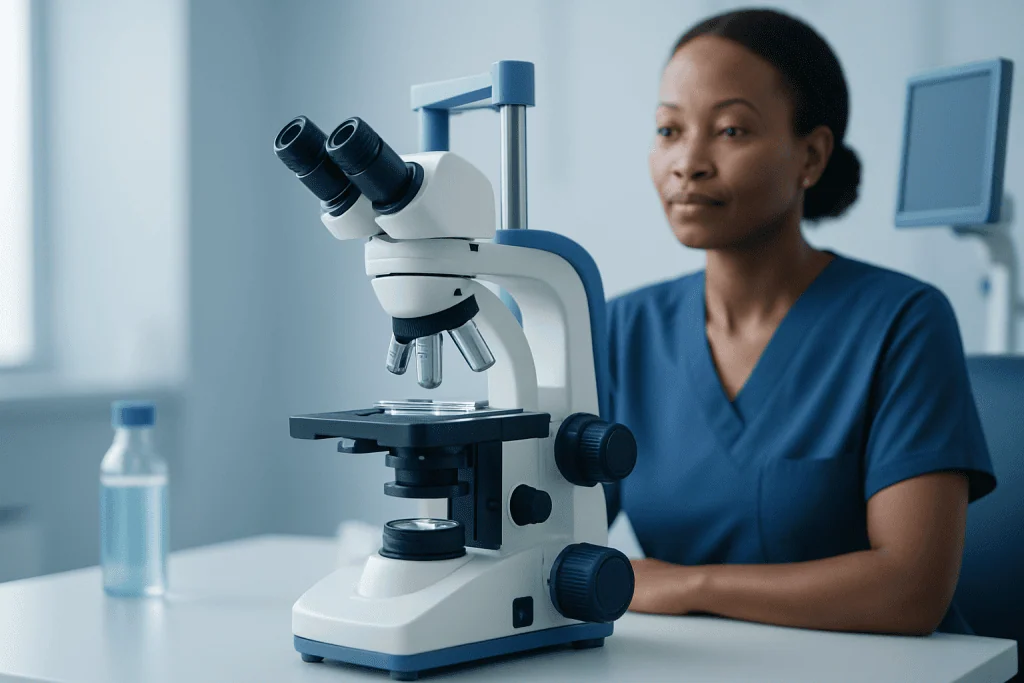
HeLa cells are a line of human cells grown from Henrietta Lacks’ cervical cancer tissue. Scientists call them an immortal cell line because, under the right laboratory conditions, they keep dividing instead of dying after a limited number of cycles. This made them especially valuable for research, since laboratories could study the same type of cells repeatedly over time.
HeLa cells became widely used because they were robust, easy to grow compared with many other human cells, and available in large numbers. Researchers used them to learn how cells behave, how viruses infect tissue, how medicines affect human cells, and how cancer develops and spreads.
Over time, HeLa cells played a role in work related to the polio vaccine, chemotherapy research, gene mapping, radiation studies, and many basic laboratory techniques. Although HeLa cells came from one patient, they became part of a much broader scientific effort involving researchers around the world.
It is important to understand that HeLa cells are not the same as Henrietta Lacks herself. They are cells derived from her tumor that have been used in science for decades. Her personal story and the scientific importance of the cells are closely linked, but they are not identical subjects.
Why Her Case Changed Medicine and Medical Ethics
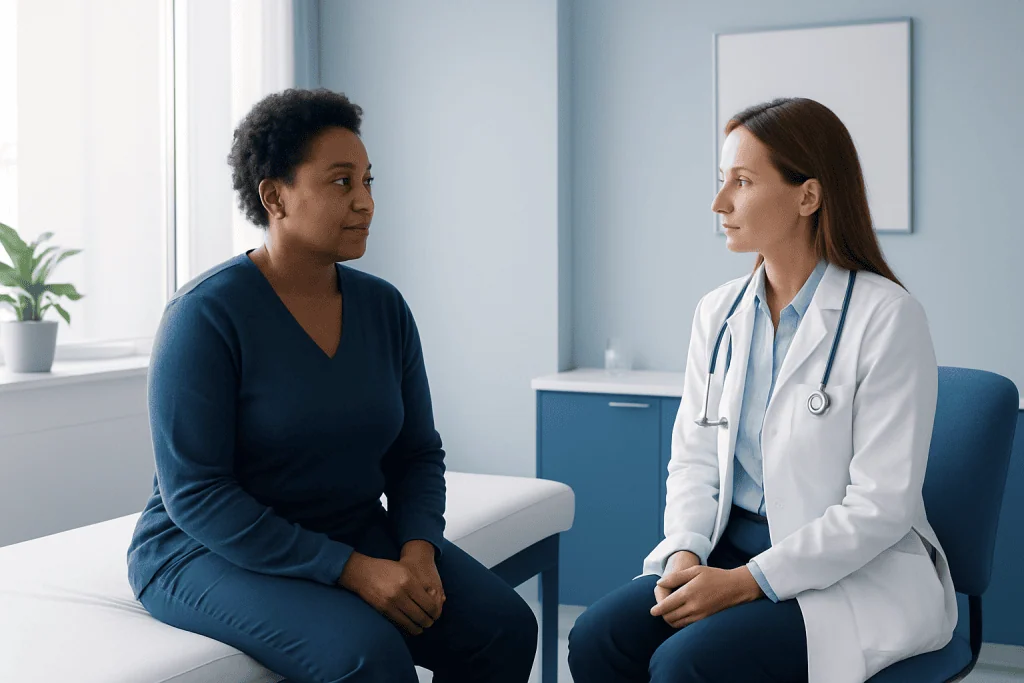
Henrietta Lacks’ cells were taken and used for research at a time when medical practices around consent were very different from today. She was not asked for permission in the way patients would now expect, and her family was not initially given clear information about how the cells were being used. This became one of the most discussed examples in conversations about ethics in medicine.
Her story helped draw attention to several issues: informed consent, transparency, privacy, fairness, and public trust. Informed consent means patients should receive understandable information and have the opportunity to agree to or decline a procedure or participation in research. Transparency means healthcare professionals and researchers should explain what is being done and why.
Today, many countries require ethical review of research involving human participants or human tissue. Hospitals and research centers often use institutional review boards or ethics committees to help protect patients. Privacy laws and research regulations have also become much more structured, especially when samples are linked to personal medical information.
Even so, ethical questions still exist. Patients may wonder whether leftover tissue from a biopsy or surgery could be used in research, whether their data might be shared in de-identified form, and how they can make informed decisions. Henrietta Lacks’ story remains relevant because it encourages respectful, patient-centered communication.
How Tissue Samples Are Used in Healthcare and Research Today
In modern healthcare, tissue samples may be collected during tests or treatment to diagnose disease, guide therapy, or monitor a condition. For example, a doctor may recommend a biopsy when evaluating a suspicious growth or abnormal cells. In many cases, the sample is used first for direct patient care, such as confirming a diagnosis or planning treatment.
Sometimes, after the clinical evaluation is complete, part of a sample may be stored or considered for research, depending on local laws, hospital policies, and the patient’s consent. Research use may include studying disease mechanisms, testing laboratory methods, or developing future treatments. These processes are usually overseen by ethics and privacy safeguards.
Patients who are told they need a biopsy, cervical evaluation, or cancer assessment may also wish to learn more about biopsy testing, colposcopy, or cervical cancer treatment if those options are relevant to their care. When a diagnosis is being considered, clear discussion with the care team can help patients understand what sample collection involves and how results will be used.
It is reasonable for patients to ask questions such as:
- Why is this sample needed?
- Will it be used only for diagnosis, or could it also be used in research?
- Will my identifying information be attached to the sample?
- Do I have choices about storage or future use?
- Who can I contact if I want more information later?
What Patients Can Learn From Henrietta Lacks Today
The story of Henrietta Lacks is not mainly a warning against medical care. Rather, it is a reminder that good healthcare depends on trust, communication, and respect. Most patients benefit when they feel comfortable asking questions, reviewing consent forms carefully, and speaking up if something is unclear.
It can also help patients understand the difference between medical treatment and medical research. Treatment is focused on the individual patient’s health needs. Research aims to generate knowledge that may help future patients, though some studies may also offer direct benefit to participants. These two activities can overlap, but patients should be told when that is the case.
For people undergoing screening or treatment for gynecologic conditions, learning about cervical cancer and related testing can provide useful context. For those facing abnormal symptoms, the next step is usually not to focus on historical cases, but to get an accurate diagnosis and a personalized care plan.
Near the end of the care journey, many patients also want reassurance that expertise is available if a serious diagnosis is confirmed. Acibadem International’s multidisciplinary specialists and JCI-accredited hospitals diagnose and treat complex conditions for international patients, including coordinated care when cancer evaluation or treatment is needed.
When to Seek Medical Care
Henrietta Lacks’ history is closely tied to cervical cancer, so it is useful to know when symptoms deserve medical attention. A person should arrange medical evaluation if they have unusual vaginal bleeding, bleeding after sex, pelvic pain, pain during intercourse, or an unusual vaginal discharge that persists. These symptoms do not always mean cancer, but they should not be ignored.
Regular cervical screening remains important even when no symptoms are present. Depending on age, medical history, and local guidelines, a doctor may recommend Pap testing, HPV testing, or both. Screening can help identify changes early, often before cancer develops or before it causes symptoms.
Urgent medical care is appropriate for heavy bleeding, severe pelvic pain, fainting, or other rapidly worsening symptoms. People with a history of abnormal Pap results, HPV infection, prior cervical disease, or weakened immunity should be especially careful about keeping follow-up appointments.
A Brief Look at Cervical Cancer and Prevention
Henrietta Lacks was treated for a particularly aggressive cervical cancer, which is why her story is often discussed in relation to women’s health and prevention. Cervical cancer begins in the cells of the cervix and is strongly linked to persistent infection with certain types of human papillomavirus, or HPV. Today, screening and HPV vaccination have significantly improved prevention opportunities.
Prevention often includes routine screening, HPV vaccination when appropriate, safer sexual health practices, and avoiding tobacco exposure. Screening does not prevent every case, but it can detect early cell changes that are easier to monitor or treat. This is one reason modern outcomes differ so much from those of earlier decades.
If a clinician finds abnormal results, further testing may be recommended rather than immediate assumptions. Some people may only need repeat screening, while others may need procedures or specialist care. The goal is to identify the cause clearly and choose the least invasive effective next step.
Understanding this context helps place Henrietta Lacks’ story in modern perspective. Her case belongs to a time before current screening tools, consent practices, and many of today’s treatment options were available.
Frequently asked questions
Who was Henrietta Lacks?
Henrietta Lacks was a woman treated for cervical cancer in 1951 whose tumor cells became the HeLa cell line. Her story is important because those cells transformed medical research and raised major ethical questions about consent and patient rights.
What are HeLa cells used for?
HeLa cells are used in laboratory research to study how human cells grow, respond to infection, and react to medicines or radiation. They have contributed to advances in cancer research, vaccine development, genetics, and many basic cell biology methods.
Did Henrietta Lacks give consent for her cells to be used?
By today’s standards, no meaningful informed consent process took place for the research use of her cells. Her case became a landmark example in discussions about how patients should be informed and respected in both clinical care and research.
Can hospitals still use patient tissue samples for research?
In some situations, yes, but the rules are much stricter than they were in the past. Use of samples is typically governed by consent procedures, ethics review, privacy protections, and local laws or institutional policies.
Why is Henrietta Lacks relevant to patients today?
Her story helps patients understand why consent forms, privacy notices, and research explanations matter. It also encourages people to ask questions about how their tissue, test results, and health information may be used.
Does learning about Henrietta Lacks mean someone is at risk for cervical cancer?
No. Henrietta Lacks is a historical and medical ethics topic, not a diagnosis. However, her story can be a useful reminder to keep up with recommended cervical screening and to seek care for symptoms such as unusual bleeding or persistent pelvic pain.
References
- National Cancer Institute
- National Institutes of Health
- World Health Organization
- American Cancer Society
- U.S. Department of Health and Human Services
This article is for general information only and is not a substitute for professional medical advice. Please consult a qualified doctor about your individual situation.
Oncology care in Turkey — second opinion and treatment plan
JCI-accredited · board-certified surgeons · reply within 24h
Add us as a Preferred Source to see more of our trusted health content across Google Search, AI Overviews and Discover.