How to Lose Water Weight? A Doctor-Reviewed Answer

Water weight usually improves when the body’s fluid balance returns to normal. Common triggers include high sodium intake, hormonal shifts, long periods of sitting, heat, and certain medicines.
Key Takeaways
- Water weight usually improves when the body’s fluid balance returns to normal.
- Common triggers include high sodium intake, hormonal shifts, long periods of sitting, heat, and certain medicines.
- Drinking enough water, eating less sodium, moving regularly, and getting adequate potassium and protein may help.
- Sudden, one-sided, painful, or persistent swelling should be assessed by a doctor.
- Water weight is different from body fat and can change quickly over hours or days.
Water weight is often temporary and harmless, commonly linked to salt intake, hormonal changes, travel, or inactivity. The safest way to lose water weight is to address the cause with hydration, balanced eating, movement, and medical review if swelling is new, persistent, or accompanied by warning signs.
Overview: how to lose water weight
For most people, water weight is a temporary fluid shift rather than true weight gain from body fat. The most effective way to lose water weight is to reduce excess sodium, stay well hydrated, move regularly, and identify any trigger such as menstrual changes, hot weather, travel, or a medication side effect.
That said, not all fluid retention is harmless. If swelling is new, keeps coming back, affects one leg more than the other, or happens with shortness of breath, chest discomfort, reduced urination, or rapid weight gain, medical review is important. These features can point to an underlying health problem rather than a simple lifestyle-related fluid change.
A doctor will usually begin by asking where the swelling occurs, how long it has lasted, whether it changes during the day, and what medicines or supplements a person takes. The evaluation may include a physical examination, blood and urine tests, and sometimes heart, kidney, liver, or vein assessments to rule out conditions that can cause edema.
What water weight means
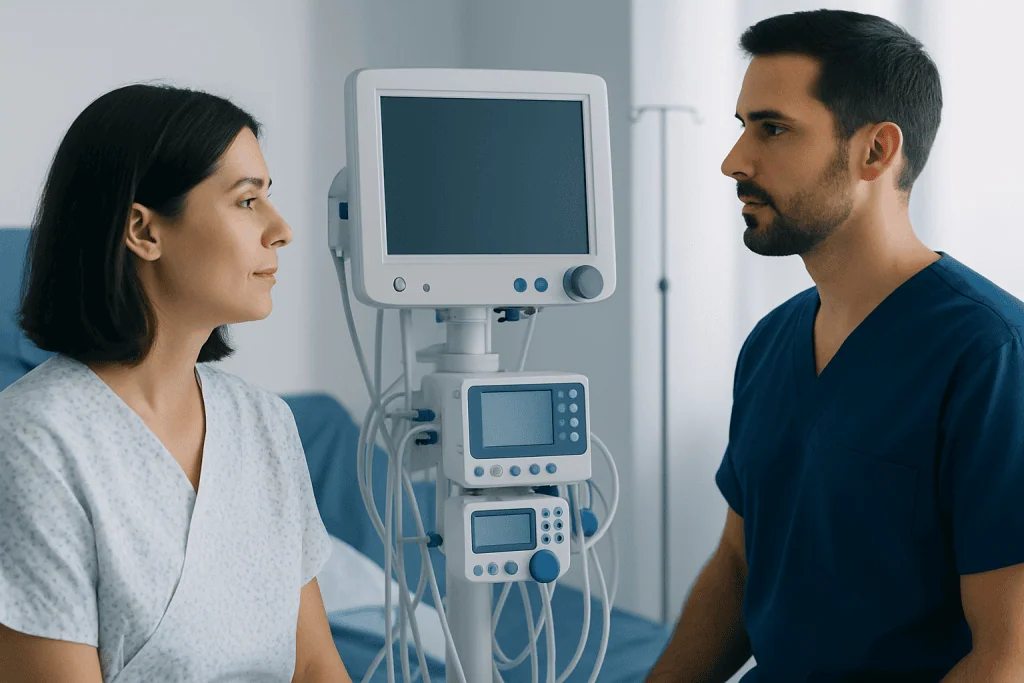
Water weight refers to extra fluid held in the body’s tissues or circulation. It may show up as puffiness in the hands, feet, ankles, face, or abdomen, or as a rapid increase on the scale over a day or two. Clothes, rings, shoes, or waistbands may also feel tighter than usual.
This is different from body fat. Fat gain usually develops gradually when calorie intake exceeds energy needs over time, while water weight can change quickly depending on sodium intake, hydration, hormones, activity level, and certain medical conditions.
Many people also describe bloating as water weight, but the two are not always the same. Bloating often relates to gas or digestive changes, while fluid retention is more likely to cause visible swelling or a heavy, puffy feeling. If abdominal swelling is persistent, a doctor may also consider digestive or liver-related causes such as liver disease.
Common causes and risk factors

Everyday causes are common. Eating very salty foods, spending long periods sitting or standing, traveling by plane, hot weather, poor sleep, stress, and hormonal shifts around the menstrual cycle can all lead to temporary fluid retention. Intense exercise may also cause short-term swelling as muscles recover.
Some medicines can contribute, including certain blood pressure drugs, anti-inflammatory medicines, steroids, hormone treatments, and some diabetes medications. A person should not stop prescribed medicine without medical advice, but it is sensible to ask a doctor or pharmacist whether a drug could be involved.
Underlying health conditions can also cause water retention. These include kidney disease, liver disease, heart problems such as heart failure, vein problems in the legs, thyroid disorders, and low protein states. Persistent swelling sometimes needs a more focused evaluation, which may include check-up and screening or cardiology assessment depending on symptoms.
- High sodium intake
- Hormonal changes
- Inactivity or prolonged sitting
- Certain medications
- Kidney, heart, liver, thyroid, or vein disorders
Practical ways to reduce water retention safely
The safest approach is to support the body’s normal fluid balance rather than trying extreme “detox” methods. Drinking enough water may seem counterintuitive, but dehydration can encourage the body to hold on to fluid. Regular hydration, especially in hot weather or during travel, often helps the body regulate itself more effectively.
Reducing sodium is one of the most helpful steps. Restaurant meals, processed foods, canned soups, sauces, deli meats, chips, and fast food are major sources. Cooking more meals at home, tasting food before adding salt, and checking food labels can lower sodium intake without making eating overly restrictive.
Movement also matters. Walking, ankle pumps during flights, stretching after long periods of sitting, and regular exercise can support circulation and reduce pooling in the legs. Some people also benefit from elevating the legs after a long day. If swelling is frequent or linked to vein issues, a doctor may discuss compression stockings or further vein evaluation.
A balanced diet with enough protein and potassium-rich foods may help the body manage fluids well. Fruits, vegetables, beans, yogurt, and potatoes can contribute potassium, though people with kidney disease should only change potassium intake after medical advice. Quick-fix pills, laxatives, or unsupervised water tablets are not a safe routine solution.
How doctors diagnose the cause
When water retention is ongoing or unusual, diagnosis focuses on finding the reason behind it. A doctor will ask whether swelling is generalized or limited to one area, whether it is worse at the end of the day, and whether symptoms such as breathlessness, fatigue, pain, or abdominal swelling are present. Recent travel, pregnancy, surgery, infections, and medication use are also relevant.
The physical examination often looks at the legs, abdomen, lungs, heart, skin, and veins. A clinician may check whether pressure leaves an indentation in the skin, known as pitting edema, and whether there are signs of inflammation, varicose veins, or circulation problems.
Tests may include blood work to assess kidney, liver, thyroid, and protein levels, as well as urine testing to look for protein loss or kidney problems. If needed, doctors may arrange imaging such as ultrasound of the legs, echocardiography, or abdominal imaging. In selected cases, diagnostic imaging helps clarify whether swelling is related to the heart, veins, kidneys, or abdomen.
Treatment options when water weight has a medical cause
Treatment depends on the underlying diagnosis. If diet, inactivity, or travel are the main triggers, lifestyle measures may be enough. If a medicine is contributing, a doctor may adjust the treatment plan. When an illness is responsible, managing that condition is the key to reducing fluid retention safely and sustainably.
For example, leg swelling from vein disease may improve with movement, leg elevation, and compression, while swelling linked to heart, kidney, or liver conditions requires condition-specific care. Diuretic medicines are sometimes used, but they are not right for everyone and should only be taken under medical supervision because they can affect electrolytes, blood pressure, and kidney function.
If swelling is linked to a broader medical issue, specialist care may be appropriate. Depending on symptoms, this may involve internal medicine, cardiology, nephrology, endocrinology, or vascular specialists. Near the end of the care pathway, Acibadem International’s multidisciplinary specialists and JCI-accredited hospitals also evaluate and treat fluid-retention-related conditions for international patients.
Prevention and self-care habits
Small daily habits can reduce the chance of recurrent water retention. Regular meals based on less processed foods, good hydration, and consistent physical activity help the body maintain a steadier fluid balance. Many people notice improvement simply by limiting highly salty convenience foods and moving more during the day.
During travel or desk work, standing up every hour, stretching the calves, and flexing the ankles can be useful. In hot weather, replacing fluid losses and avoiding excessive alcohol may also help. If rings or shoes feel tighter at predictable times, tracking meals, cycle timing, travel, and activity can reveal patterns.
People with known medical conditions such as heart, kidney, or liver disease should follow their doctor’s advice about fluids, sodium, and monitoring weight. For them, sudden changes can be more important. Daily weight tracking may be recommended in some cases because rapid increases can signal fluid build-up before swelling becomes obvious.
When to seek medical care
Medical care is advisable if water retention lasts more than a few days, keeps returning, or has no clear explanation. It is also worth seeking advice if swelling is uncomfortable, affects daily activities, or comes with fatigue, reduced exercise tolerance, or abdominal enlargement.
Urgent assessment is needed for red flags such as shortness of breath, chest pain, fainting, sudden rapid weight gain, swelling in only one leg, redness or warmth in a swollen limb, or reduced urination. These symptoms can signal a clot, heart problem, kidney problem, or another condition that needs prompt treatment.
Pregnant individuals should contact a clinician if swelling is sudden or severe, especially if it occurs with headache, visual changes, upper abdominal pain, or high blood pressure concerns. In children, new swelling should also be medically assessed rather than managed at home without guidance.
Frequently asked questions
How can a person tell the difference between water weight and fat gain?
Water weight tends to change quickly, sometimes within a day or two, and may come with puffiness or swelling in the hands, feet, face, or abdomen. Fat gain usually develops more gradually over weeks or months. A sudden jump on the scale after a salty meal, travel, or hormonal changes is more likely to reflect fluid than fat.
Does drinking more water really help lose water weight?
Often, yes. When the body is dehydrated, it may hold on to fluid more readily, so regular hydration can support normal balance. Drinking water is most helpful when combined with lower sodium intake and regular movement.
Are diuretics or water pills a good way to lose water weight?
Not without medical advice. Diuretics can be useful for some conditions, but they may also cause dehydration, electrolyte imbalance, low blood pressure, or kidney problems. They should be used only when a doctor recommends and monitors them.
What foods may help reduce water retention?
A diet focused on minimally processed foods can help because it is usually lower in sodium. Fruits, vegetables, beans, and other potassium-containing foods may support fluid balance in many people. Anyone with kidney disease should ask a doctor before making major potassium changes.
Is swelling during a menstrual cycle normal?
Mild fluid retention around the menstrual cycle is common and often temporary. It may affect the abdomen, breasts, hands, or ankles and usually improves as hormones shift. If swelling is severe, very painful, or happens outside a usual pattern, a medical review is sensible.
When should someone worry about water weight?
Concern is higher when swelling is persistent, unexplained, painful, one-sided, or associated with shortness of breath, chest pain, reduced urination, or fast weight gain. These symptoms can point to a medical issue rather than a simple dietary or lifestyle cause. In those situations, professional assessment should not be delayed.
References
- National Health Service
- Mayo Clinic
- National Institute of Diabetes and Digestive and Kidney Diseases
- American Heart Association
- MedlinePlus
This article is for general information only and is not a substitute for professional medical advice. Please consult a qualified doctor about your individual situation.
Medical weight-loss options in Turkey — costs & eligibility
JCI-accredited · board-certified surgeons · reply within 24h
Add us as a Preferred Source to see more of our trusted health content across Google Search, AI Overviews and Discover.
Check your numbers in seconds
BMI, calories, due date, blood pressure and 30+ more clinical calculators — free, instant, doctor-reviewed ranges.