Diaphoretic: A Complete Medical Overview

Diaphoretic describes excessive or abnormal sweating, sometimes called diaphoresis. Heavy sweating can be harmless, but it may also occur with pain, fever, anxiety, low blood sugar, or heart-related symptoms.
Key Takeaways
- Diaphoretic describes excessive or abnormal sweating, sometimes called diaphoresis.
- Heavy sweating can be harmless, but it may also occur with pain, fever, anxiety, low blood sugar, or heart-related symptoms.
- Doctors assess the pattern of sweating, associated symptoms, medical history, and possible triggers to find the cause.
- Treatment focuses on the underlying reason, not sweating alone.
- Emergency care is important if sweating happens with chest pain, trouble breathing, fainting, confusion, or signs of shock.
Diaphoretic means sweating heavily or unusually, often beyond what the body needs for normal cooling. It can happen with heat, exercise, stress, or menopause, but it may also be a sign of infection, low blood sugar, medication effects, or urgent medical problems.
What does diaphoretic mean?
Diaphoretic is a medical term used to describe unusually heavy sweating. In everyday language, it often refers to sweating that seems out of proportion to the situation, such as sweating while resting in a cool room or breaking into a sudden cold sweat during illness or pain.
Sweating is a normal body function that helps regulate temperature. The body produces sweat during exercise, hot weather, emotional stress, and some hormonal changes. A person is more likely to be described as diaphoretic when sweating is intense, unexpected, or accompanied by other symptoms that suggest a medical cause.
The term itself does not name a disease. Instead, it is a clue that helps clinicians think about what may be happening in the body. In some cases, diaphoresis is linked to a temporary, non-serious trigger. In others, it can be associated with infection, blood sugar changes, medication effects, or cardiovascular problems that need prompt attention.
How normal sweating differs from diaphoresis
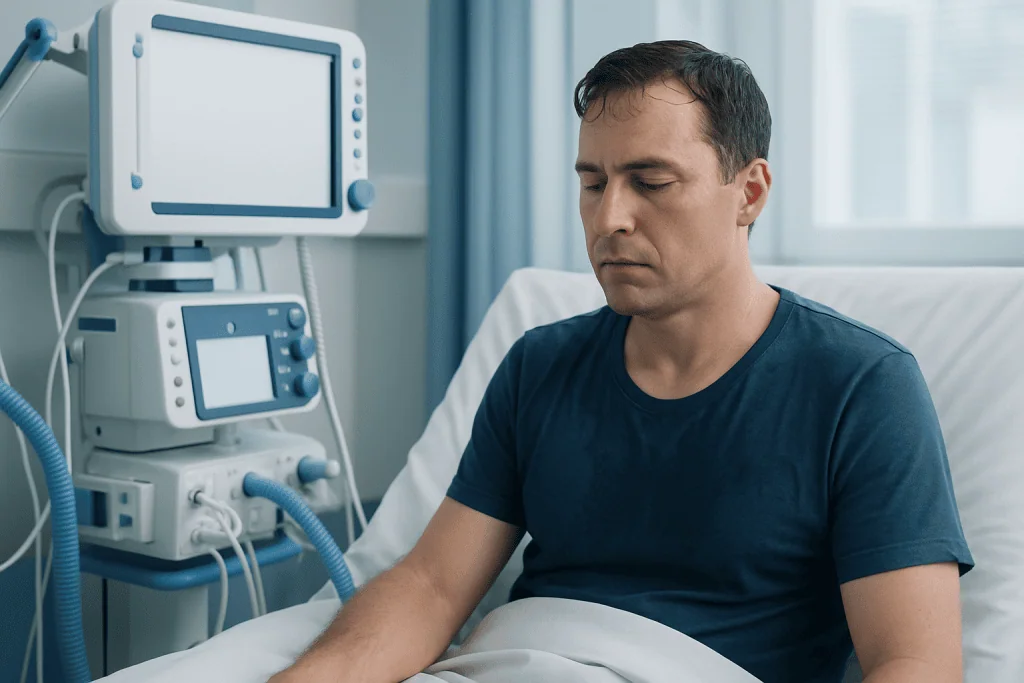
Normal sweating usually has a clear explanation. It may happen after physical activity, in a warm environment, or during a stressful event such as public speaking. Once the trigger passes, sweating generally settles down.
Diaphoresis is different because it may occur without enough heat or exertion to explain it. Some people describe it as soaking sweat, clammy skin, or a sudden cold sweat. It may affect the whole body or be more noticeable on the face, palms, underarms, or chest.
Doctors also consider timing and pattern. Sweating that wakes a person from sleep, occurs repeatedly without a trigger, or appears together with symptoms such as dizziness, fever, nausea, chest discomfort, or weakness deserves closer evaluation. In this way, diaphoresis is less about the sweat itself and more about the context in which it happens.
Common symptoms that may occur with being diaphoretic

A person who is diaphoretic may simply feel damp and overheated, but many people notice other symptoms at the same time. These associated features often help point to the underlying cause. For example, fever and chills may suggest infection, while shakiness and hunger can occur with low blood sugar.
Symptoms that may accompany diaphoresis include:
- Clammy or cool skin
- Flushing or feeling very hot
- Palpitations or a racing heartbeat
- Dizziness, lightheadedness, or weakness
- Nausea or vomiting
- Fever or chills
- Trembling or anxiety
- Shortness of breath
- Chest pain or chest pressure
Night sweats are a related pattern in which sweating occurs during sleep and may soak nightclothes or bedding. Night sweats can have many explanations, including hormonal changes, infection, certain medicines, and some chronic illnesses. When sweating is persistent or unexplained, it is reasonable to discuss it with a doctor rather than assuming it is only due to stress or temperature.
Causes and risk factors
Many different conditions can make someone diaphoretic. Benign causes include hot weather, exercise, emotional stress, spicy food, fever, and menopause. Some people also naturally sweat more than others. In these situations, sweating may be bothersome but not dangerous.
Medical causes are broader. Infections can trigger sweating as the body responds to fever. Low blood sugar, especially in people using insulin or other diabetes medicines, is a well-known cause of clammy sweating. Pain, panic attacks, thyroid overactivity, alcohol withdrawal, and side effects of medications such as antidepressants or fever-reducing drugs may also play a role. Excessive sweating can sometimes be part of hyperthyroidism or other endocrine disorders.
Cardiovascular causes are important because diaphoresis can appear during reduced blood flow to the heart. A cold sweat with chest discomfort, nausea, or breathlessness may occur during a heart attack or other serious heart problem. Some people, especially older adults, women, and people with diabetes, may have less typical symptoms. In that setting, diaphoresis should never be ignored and may need urgent evaluation for heart attack.
Risk factors depend on the cause but may include diabetes, thyroid disease, infection exposure, menopause, obesity, anxiety disorders, certain medicines, and a personal or family history of primary excessive sweating. Environmental heat, dehydration, and intense physical activity can also increase the likelihood of pronounced sweating.
How doctors evaluate diaphoresis
Evaluation begins with a careful history. Doctors usually ask when sweating started, whether it is constant or episodic, and whether it occurs during the day, at night, or both. They also ask about fever, weight loss, chest pain, shortness of breath, palpitations, medication use, alcohol or substance use, menstrual status, and any recent illness or travel.
A physical examination can provide useful clues. Temperature, blood pressure, heart rate, breathing, hydration status, and skin findings help assess whether the body is under stress. Depending on symptoms, clinicians may check for signs of infection, thyroid enlargement, low blood sugar, or heart and lung problems.
Testing is guided by the suspected cause rather than done the same way for everyone. A doctor may order blood glucose testing, thyroid function tests, blood counts, or infection-related tests. If cardiovascular symptoms are present, an electrocardiogram and cardiac evaluation may be needed. In some situations, doctors use imaging or other studies to look for a deeper cause. If sweating appears related to a heart concern, further workup may include a cardiology check-up to clarify the diagnosis and guide treatment.
Treatment options and what helps
Treatment depends on why a person is diaphoretic. If sweating is caused by heat or exercise, cooling down, resting, and drinking fluids are often enough. If the trigger is emotional stress, breathing techniques, counseling support, and addressing anxiety may help reduce episodes over time. For medication-related sweating, a doctor may review whether an alternative or dosage adjustment is appropriate.
When an underlying medical problem is present, that condition is the main treatment target. Infections may need specific therapy, endocrine conditions such as thyroid treatment may require specialist care, and low blood sugar needs prompt correction and a review of diabetes management. If sweating is part of recurrent unexplained episodes, doctors may investigate whether a hormonal, neurological, or metabolic issue is involved.
For people with primary excessive sweating, treatment may focus on symptom control. Options can include prescription-strength antiperspirants, iontophoresis, oral medicines in selected cases, or injections that reduce sweat production in certain body areas. In uncommon severe cases, procedure-based treatment may be discussed. The best plan depends on the areas affected, symptom severity, and overall health.
If diaphoresis occurs as part of suspected heart disease, urgent treatment may be needed to restore blood flow and stabilize the patient. For some people, this may involve hospital-based care and procedures such as coronary angiography after emergency assessment. The key point is that sudden heavy sweating with alarming symptoms should not be self-treated at home.
Self-care and prevention
Not every episode of sweating can be prevented, but some practical steps may reduce triggers and support overall health. Wearing lightweight clothing, staying hydrated, avoiding overheating, and pacing exercise in hot weather can help. If spicy foods, caffeine, or alcohol seem to trigger sweating, limiting them may make symptoms easier to manage.
People with chronic conditions benefit from careful disease control. Those with diabetes should follow their treatment plan, monitor glucose as advised, and recognize the symptoms of low blood sugar. People who take medicines linked to sweating should not stop them on their own, but they can ask a doctor whether changes are possible. Keeping a symptom diary can be useful, especially when sweating happens in episodes.
Stress management also matters. Relaxation techniques, regular sleep, and mental health support can reduce sweating related to anxiety or panic. For persistent or bothersome symptoms, a medical review is worthwhile because treatment is often more effective once the underlying pattern is identified.
When to seek medical care
Medical care is recommended when sweating is new, persistent, severe, or difficult to explain. It is also important to be assessed if diaphoresis occurs with fever, unexplained weight loss, ongoing night sweats, fainting, recurrent palpitations, or repeated episodes of low blood sugar. These features do not always mean a serious illness, but they do justify a professional evaluation.
Emergency care is needed right away if a person becomes diaphoretic along with chest pain, chest pressure, shortness of breath, blue lips, sudden weakness, confusion, severe abdominal pain, or loss of consciousness. A cold sweat with nausea and pain spreading to the arm, back, jaw, or shoulder can be a warning sign of a heart emergency. If symptoms are intense or rapidly worsening, it is safest to seek urgent help rather than wait.
For international patients who need evaluation for unexplained or severe symptoms, Acibadem International’s multidisciplinary specialists and JCI-accredited hospitals diagnose and treat a wide range of underlying causes. The goal is to identify whether sweating is a harmless response, a manageable chronic issue, or a sign of a condition needing prompt treatment.
Frequently asked questions
Is diaphoretic the same as sweating a lot?
Diaphoretic usually means sweating more than expected or sweating in a way that seems medically significant. It may simply reflect heat or stress, but it can also occur with illness, pain, low blood sugar, or heart problems. The meaning depends on the situation and any other symptoms present.
What causes a sudden cold sweat?
A sudden cold sweat can happen with anxiety, pain, nausea, low blood sugar, fever, or a strong emotional reaction. It may also occur during serious conditions such as a heart attack or shock. If it happens with chest pain, shortness of breath, fainting, or confusion, urgent medical care is important.
Can anxiety make a person diaphoretic?
Yes. Anxiety and panic can activate the body's stress response and lead to sweating, tremor, palpitations, and a feeling of heat or chills. However, similar symptoms can also occur with medical conditions, so repeated or severe episodes should be discussed with a doctor.
Is diaphoresis a sign of heart attack?
It can be. Heavy sweating, especially a cold clammy sweat, may occur during a heart attack along with chest pressure, nausea, breathlessness, or pain spreading to the arm, jaw, or back. Because some people have atypical symptoms, sudden unexplained sweating with these features should be treated as urgent.
How is unexplained excessive sweating diagnosed?
Doctors diagnose it by combining the person's history, symptom pattern, medication review, and physical examination. Tests may be ordered based on suspected causes, such as blood sugar testing, thyroid tests, or heart evaluation. The aim is to find out whether sweating is primary or due to another condition.
When should night sweats be checked?
Night sweats should be checked if they are frequent, drenching, new, or accompanied by fever, weight loss, cough, fatigue, or enlarged lymph nodes. They can have many causes, including hormone changes, infection, medicines, and chronic illness. A doctor can help determine whether further testing is needed.
This article is for general information only and is not a substitute for professional medical advice. Please consult a qualified doctor about your individual situation.
Explore treatments in Turkey — costs, top hospitals & a free quote
JCI-accredited · board-certified surgeons · reply within 24h
Add us as a Preferred Source to see more of our trusted health content across Google Search, AI Overviews and Discover.

More from the Health Library

Pepper: An Evidence-Based Guide for Patients

What is a quince? A Doctor-Reviewed Answer

Rabeprazole: A Complete Medical Overview

Respite Care: A Complete Medical Overview

Face Dysmorphia: A Complete Medical Overview