

Understanding Dysbiosis: A Complete Patient Guide
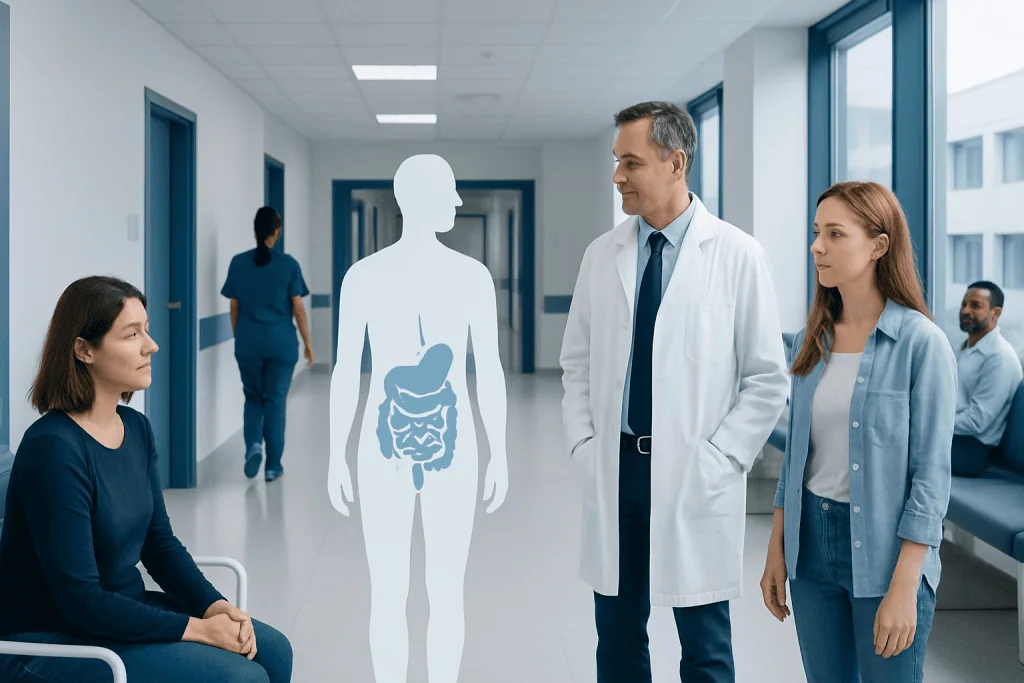
Dysbiosis is a microbial imbalance, most commonly discussed in the digestive tract. Possible symptoms include bloating, diarrhea, constipation, gas, abdominal discomfort, and food intolerance.
Key Takeaways
- Dysbiosis is a microbial imbalance, most commonly discussed in the digestive tract.
- Possible symptoms include bloating, diarrhea, constipation, gas, abdominal discomfort, and food intolerance.
- Antibiotic use, diet, infections, chronic illness, stress, and some medications can contribute to dysbiosis.
- There is no single test that diagnoses all cases; evaluation focuses on symptoms, medical history, and possible underlying conditions.
- Treatment aims to address the cause, support gut health, and manage related digestive or inflammatory conditions.
Dysbiosis means the normal balance of microbes in the body has shifted in a way that may contribute to symptoms or illness. It most often refers to the gut, where changes in bacteria, fungi, and other microorganisms can affect digestion, immune function, and overall well-being.
Overview: what dysbiosis means
Dysbiosis is a term used when the usual community of microorganisms living in or on the body becomes unbalanced. These microorganisms include bacteria, fungi, viruses, and other microbes that normally exist in a helpful relationship with the body. When this balance shifts, some species may become too abundant, others may decrease, or the overall diversity may fall.
Although dysbiosis can affect different body sites, such as the skin, mouth, or vagina, it is most often used to describe changes in the gut microbiome. The gut microbiome helps digest certain foods, produce important compounds, support the intestinal lining, and interact with the immune system. Because of these roles, a disturbed microbiome may be linked with digestive symptoms and, in some people, with broader health concerns.
Dysbiosis is not a single disease. Instead, it is a pattern or state that may be associated with conditions such as antibiotic-associated diarrhea, irritable bowel symptoms, inflammatory bowel disease, or recurring infections. This is why doctors look beyond the word itself and try to identify what is driving the imbalance and whether a related condition needs treatment.
How dysbiosis may affect the body

A healthy microbiome is usually diverse and relatively stable. It helps break down components of food that the body cannot digest alone, produces short-chain fatty acids and other useful substances, and contributes to the strength of the intestinal barrier. It also communicates with the immune system, helping the body respond appropriately to germs while limiting unnecessary inflammation.
When dysbiosis develops, these functions may be disrupted. Harmful microorganisms may have more opportunity to grow, protective species may become less common, and the gut lining may become more vulnerable to irritation. In some people this leads mainly to digestive discomfort. In others, especially those with underlying illness, it may contribute to infections, inflammation, or worsening of existing gastrointestinal disease.
Researchers continue to study the exact relationship between dysbiosis and conditions such as obesity, metabolic disease, allergies, and mood symptoms. In many cases, dysbiosis appears to be one part of a larger picture rather than the only cause. For patients, the practical message is that symptoms should be assessed in context, with attention to diet, medications, recent illness, and long-term health history.
Symptoms and possible signs

Dysbiosis does not always cause obvious symptoms. Some people learn about a microbiome imbalance only after an infection, a medication change, or investigation for ongoing bowel symptoms. When symptoms do occur, they can be non-specific and overlap with many other digestive conditions.
Common symptoms that may be associated with dysbiosis include bloating, excess gas, abdominal discomfort, diarrhea, constipation, nausea, and a feeling that certain foods are harder to tolerate than before. Some people notice fluctuating bowel habits or symptoms that started after antibiotics, stomach flu, travel, or major dietary changes.
Depending on the body area involved, symptoms can differ. For example, oral dysbiosis may be linked with bad breath or gum irritation, while vaginal dysbiosis may contribute to discharge, odor, or irritation. In the gut, symptoms may overlap with irritable bowel syndrome or become relevant during evaluation for Crohn’s disease and other inflammatory bowel disorders.
- Bloating or abdominal fullness
- Gas or altered bowel movements
- Diarrhea or constipation
- Food intolerance or symptom flare after certain meals
- Symptoms after antibiotics or gastrointestinal infection
Causes and risk factors
Many factors can influence the gut microbiome, and dysbiosis often develops from a combination rather than a single cause. Antibiotics are one of the best-known triggers because they can reduce both harmful and beneficial bacteria. Other medicines may also affect the microbiome, including acid-suppressing drugs, some laxatives, and certain long-term therapies that alter the immune system or bowel environment.
Diet matters as well. Eating patterns low in fiber and high in highly processed foods may reduce microbial diversity over time. Sudden dietary changes, alcohol excess, dehydration, and irregular meal patterns may also affect the balance of gut organisms in some people. Stress, poor sleep, and low physical activity do not directly cause dysbiosis in every case, but they may influence digestion and gut function in ways that interact with the microbiome.
Medical conditions can increase risk. These include infections, inflammatory bowel disease, celiac disease, diabetes, immune disorders, and changes in gut anatomy after surgery. Age, hospitalization, travel exposures, and recurrent gastrointestinal infections may also play a role. In children and older adults, the microbiome may be especially sensitive to illness, diet changes, or medication use.
How doctors evaluate dysbiosis
There is no single universally accepted test that confirms dysbiosis in every patient. Instead, diagnosis usually begins with a careful review of symptoms, medical history, diet, medication use, bowel habits, recent travel, infections, and any history of inflammatory or autoimmune disease. This helps a doctor decide whether microbiome imbalance is a likely contributor and whether another condition may better explain the symptoms.
Depending on the situation, testing may be used to look for underlying causes or complications rather than to label dysbiosis alone. A doctor may consider blood tests, stool studies for infection, inflammation markers, breath testing in selected cases, or imaging and endoscopy when warning signs are present. If symptoms suggest chronic digestive disease, referral for specialist evaluation may be appropriate, including gastroenterology evaluation.
Commercial microbiome tests are increasingly available, but their clinical usefulness is still limited in many routine cases. Results may show which organisms are present, yet they do not always explain symptoms or indicate a clear treatment plan. For that reason, treatment decisions are usually based on the patient’s full clinical picture rather than on one microbiome report alone.
Treatment options and restoring balance
Treatment for dysbiosis depends on the cause, the severity of symptoms, and whether a related condition is present. The first step is often to address triggers. This may mean reviewing recent antibiotic use, treating a confirmed infection, adjusting medications when appropriate, or managing an underlying gastrointestinal disorder. If a patient has persistent diarrhea, bleeding, weight loss, fever, or signs of inflammatory disease, evaluation should focus on those conditions without delay.
Dietary support is often part of care. Many people benefit from a balanced eating pattern that includes fiber-rich foods such as vegetables, fruits, legumes, whole grains, nuts, and seeds, as tolerated. Fermented foods may help some individuals, though they are not suitable for everyone. Changes should be gradual, especially for people with sensitive bowels, because increasing fiber too quickly can worsen bloating or discomfort.
Probiotics may help in selected situations, but they are not a universal solution. Their effects vary by strain, dose, product quality, and the condition being treated. Some patients may benefit more from targeted treatment of an underlying disorder, such as colonoscopy to investigate bowel symptoms or inflammatory bowel disease treatment when there is confirmed intestinal inflammation. In more complex cases, hospitals such as Acibadem International offer multidisciplinary assessment and treatment for international patients through JCI-accredited facilities.
Prevention and self-care
Not every case of dysbiosis can be prevented, but daily habits can support a healthier microbiome. A varied, fiber-rich diet is one of the most consistent ways to promote microbial diversity. Drinking enough water, maintaining regular physical activity, and getting adequate sleep may also support digestive function and overall gut health.
Antibiotics should be used only when they are clearly needed and prescribed by a qualified clinician. Taking them for viral illnesses or stopping and starting them without guidance can increase the risk of side effects and microbiome disruption. It is also helpful to review other long-term medicines with a doctor if digestive symptoms develop after a treatment change.
Patients with sensitive digestion may benefit from keeping a symptom and food diary. This can help identify patterns such as symptoms after very fatty meals, alcohol, artificial sweeteners, or periods of stress. Self-care should stay balanced: overly restrictive diets can reduce nutritional variety and may not improve symptoms unless they are medically guided.
When to seek medical care
Many digestive symptoms related to possible dysbiosis are mild and temporary, especially after a brief illness or medication course. However, medical assessment is important if symptoms last more than a few weeks, keep returning, or interfere with eating, sleep, work, or daily activities. A doctor can help determine whether the problem is a simple imbalance, a food-related issue, or a condition that needs specific treatment.
Prompt care is especially important for warning signs such as blood in the stool, black stools, fever, unexplained weight loss, nighttime diarrhea, severe abdominal pain, repeated vomiting, dehydration, or symptoms in someone with a weakened immune system. Children, older adults, pregnant patients, and people with chronic bowel disease should also seek guidance sooner if symptoms are persistent or worsening.
If symptoms follow antibiotics, hospitalization, or travel, it is sensible to ask about infection testing. Patients with known digestive disease may need specialist follow-up, and in selected cases further evaluation may include endoscopy or other investigations to clarify the cause.
Frequently asked questions
Is dysbiosis a disease?
Dysbiosis is usually described as an imbalance in the normal microorganisms that live in the body, especially in the gut. It is not a single disease by itself, but it may be associated with symptoms or with other digestive and inflammatory conditions.
Can dysbiosis go away on its own?
In some cases, yes. Mild microbiome changes after a short illness or a course of antibiotics may improve over time, especially with recovery, hydration, and a balanced diet. If symptoms persist or are severe, medical review is important to look for infection, inflammation, or another underlying problem.
What foods may help support recovery from dysbiosis?
Many people do well with a varied diet that includes fruits, vegetables, legumes, whole grains, and other fiber-rich foods, as tolerated. Fermented foods may be helpful for some, but they are not necessary for everyone and can worsen symptoms in sensitive individuals.
Should everyone with dysbiosis take probiotics?
No. Probiotics are not equally effective for every symptom or condition, and benefits depend on the specific strain and the reason they are being used. A doctor or dietitian can help decide whether a probiotic is appropriate and whether another treatment is more important.
Can stress affect dysbiosis?
Stress can influence digestion, bowel habits, sleep, and eating patterns, all of which may interact with the gut microbiome. It may not be the only cause, but managing stress can be a helpful part of an overall plan for symptom control.
How is dysbiosis different from IBS?
IBS, or irritable bowel syndrome, is a defined functional gastrointestinal disorder based on symptoms and diagnostic criteria. Dysbiosis refers more broadly to a microbial imbalance, which may be present in some people with IBS but is not the same thing.
References
- World Health Organization
- National Institute of Diabetes and Digestive and Kidney Diseases
- American Gastroenterological Association
- National Institutes of Health
- Centers for Disease Control and Prevention
This article is for general information only and is not a substitute for professional medical advice. Please consult a qualified doctor about your individual situation.
Persistent digestive symptoms? Get evaluated in Turkey
JCI-accredited · board-certified surgeons · reply within 24h
Add us as a Preferred Source to see more of our trusted health content across Google Search, AI Overviews and Discover.

More from the Health Library



Related Specialists

Dr. Emel Özveri
General Surgery
Assoc. Prof. Dr. Murat Sezer
Pulmonary Medicine
Prof. Dr. Gökhan Aydemir
Pediatrics
Assoc. Prof. Dr. Emrullah Hayta
Physical Medicine & Rehabilitation