How Long Should You Wait After Eating to Workout? A Doctor-Reviewed Answer

A small snack is often followed by light to moderate exercise after about 30 to 60 minutes. A larger meal usually requires about 2 to 3 hours before vigorous exercise feels more comfortable.
Key Takeaways
- A small snack is often followed by light to moderate exercise after about 30 to 60 minutes.
- A larger meal usually requires about 2 to 3 hours before vigorous exercise feels more comfortable.
- High-fat, high-fiber, or very large meals tend to empty from the stomach more slowly.
- Symptoms like repeated nausea, chest pain, fainting, or severe abdominal pain should be medically reviewed.
- Doctors evaluate persistent exercise-related stomach symptoms by reviewing eating habits, exercise patterns, and possible digestive conditions.
How long someone should wait after eating to workout depends on meal size, food type, and exercise intensity. In many cases, light activity is fine soon after a small snack, while a larger meal usually calls for a longer wait to reduce discomfort.
Overview: the short answer
For most people, the answer to how long should you wait after eating to workout is fairly simple: about 30 to 60 minutes after a small snack, and around 2 to 3 hours after a larger meal. This timing helps lower the chance of cramping, reflux, nausea, bloating, or a heavy feeling in the stomach during exercise.
In many cases, exercising after eating is harmless, especially if the activity is light and the meal was modest. A short walk after eating is often well tolerated. The main issue is usually comfort rather than danger, because digestion and exercise both compete for blood flow and energy demands.
The ideal timing varies from person to person. It depends on the size of the meal, how much fat or fiber it contained, the type of workout planned, and whether a person is prone to acid reflux or other digestive symptoms. People who train regularly often learn their own best routine over time.
If symptoms are frequent, unusually intense, or paired with warning signs such as chest pain, vomiting, black stools, or fainting, medical advice is important. In those situations, the question may be less about meal timing and more about an underlying digestive or cardiovascular issue that needs assessment.
Why timing matters before exercise
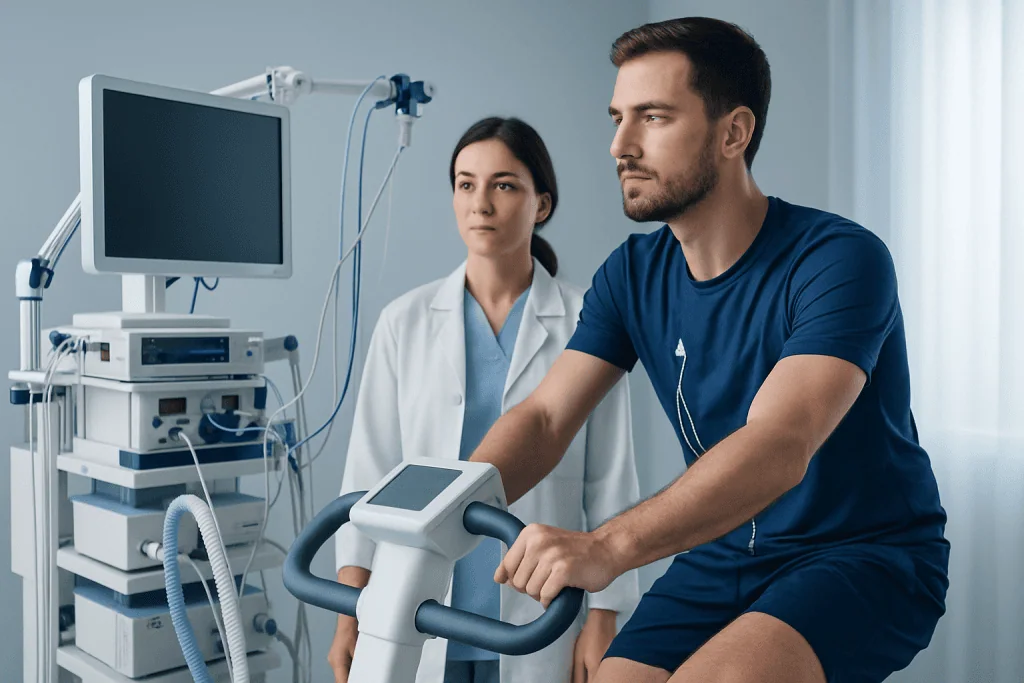
After eating, the stomach begins breaking down food and gradually passes it into the small intestine. During this process, the body sends more blood flow to the digestive tract. Exercise, especially intense exercise, also demands blood flow to the muscles. When both happen at once, some people notice stomach discomfort, side stitches, nausea, or sluggish performance.
The type of exercise matters. Light movement such as walking, stretching, or easy cycling is often comfortable sooner after eating. Running, interval training, heavy weightlifting, and competitive sports tend to trigger symptoms more often if done too soon after a meal, because they involve more jostling, abdominal pressure, or high exertion.
Food composition also affects digestion speed. Meals high in fat, fried foods, creamy sauces, and large amounts of fiber usually stay in the stomach longer. By contrast, a small snack with easily digested carbohydrate and a little protein is often tolerated better before activity.
This is why there is no single rule that fits everyone. A person preparing for a gentle yoga session may do well with a banana or yogurt shortly beforehand, while someone planning a hard run may feel best waiting longer after a full meal.
General waiting times by meal size and workout intensity

A practical approach is to match the waiting time to both the meal and the planned exercise. The larger and heavier the meal, and the more intense the workout, the longer the wait should generally be.
- Small snack: about 30 to 60 minutes before light to moderate exercise
- Small meal: about 1 to 2 hours before moderate exercise
- Large meal: about 2 to 3 hours before vigorous exercise
- Very intense training or endurance activity: some people feel better waiting even longer after a heavy meal
Examples of a small snack may include fruit, toast, yogurt, or a simple smoothie. A large meal might include a substantial portion of protein, starch, vegetables, and added fats. If a meal is rich, spicy, or especially filling, symptoms may last longer even if enough time has passed on paper.
Hydration also matters. Drinking water is usually fine before exercise, but very large amounts all at once may add to stomach fullness. Caffeinated drinks may help some people feel more alert, yet they can worsen reflux or stomach upset in others.
These are starting points rather than strict rules. Personal tolerance is important, and athletes often fine-tune meal timing by paying attention to how they feel during different types of training.
Symptoms that can happen if you work out too soon after eating
The most common effects of exercising too soon after eating are temporary and improve with rest or better timing. Typical symptoms include bloating, cramps, nausea, reflux, side pain, belching, or a heavy, sloshing feeling in the stomach. Performance may also feel worse, especially during running or high-intensity workouts.
Some people are more likely to notice symptoms because of sensitive digestion. Acid reflux, indigestion, constipation, and delayed stomach emptying can all make meal timing more important. For example, someone with acid reflux may find that lying flat for floor exercises or doing high-impact movement too soon after eating brings on heartburn.
Occasional discomfort does not necessarily mean anything serious is wrong. It often reflects simple mismatch between the meal, the waiting period, and the workout. Still, repeated symptoms deserve attention if they interfere with regular exercise or daily life.
If stomach pain occurs often during exercise, doctors may also consider other digestive causes such as gastritis or food intolerance, especially if symptoms occur even with careful meal timing. A symptom diary can be helpful in showing patterns related to meal size, food type, and activity intensity.
Who may need longer waiting times
Some people naturally need more time between eating and exercise. This can happen in individuals who experience reflux, bloating, slow digestion, or frequent nausea. It may also be more noticeable during pregnancy, after abdominal surgery, or when a person is returning to exercise after a long break.
People with medical conditions that affect digestion may need a more individualized plan. Diabetes, for example, adds an extra layer because food timing, physical activity, and blood sugar can influence each other. In that setting, planning exercise and meals with a doctor or dietitian may be more useful than relying on general advice alone.
Medication use can matter as well. Some medicines cause nausea, delayed gastric emptying, or reflux-like symptoms. Others may need to be taken with food, which can complicate exercise timing. If symptoms started after a medication change, a clinician may review that possibility.
Children, older adults, and competitive athletes may also have different needs. A child heading to sports practice after school may do better with a small, digestible snack, while an endurance athlete may need a more structured pre-exercise fueling strategy to balance comfort and energy.
How doctors evaluate persistent symptoms
If exercise after eating repeatedly causes significant discomfort, a doctor usually begins with a careful history. They ask what symptoms occur, how soon after eating they begin, what kinds of foods seem to trigger them, what type of exercise is involved, and whether there are any red flags such as weight loss, vomiting, or trouble swallowing.
The next step is often practical rather than invasive. A doctor may recommend adjusting meal size, food composition, hydration habits, or workout timing first. They may also ask about caffeine, alcohol, supplements, and over-the-counter pain relievers, since these can affect the stomach.
If symptoms suggest a digestive disorder, testing may be considered. Depending on the pattern, a clinician might evaluate for reflux, ulcers, gastritis, gallbladder disease, food intolerance, or other conditions. In some cases, tests such as blood work, imaging, or an upper endoscopy may help clarify the cause. If needed, evaluation may include endoscopy or other gastroenterology care.
If chest discomfort, unusual shortness of breath, or dizziness occurs with exertion, a doctor may also look beyond the digestive tract. Although this article focuses on meal timing, symptoms during exercise can sometimes overlap with heart or circulation problems, so broader evaluation is important when the history suggests it.
Prevention and self-care tips
Many people can prevent symptoms with a few simple changes. Choosing a smaller pre-workout snack, allowing more time after a full meal, and matching food choices to workout intensity often improves comfort. Trial and observation are useful, because tolerance varies from person to person.
- Keep pre-exercise meals moderate in size
- Choose easier-to-digest foods before intense activity
- Limit very fatty, fried, spicy, or high-fiber meals right before workouts
- Stay hydrated, but avoid drinking excessive amounts at once
- Use light activity, such as walking, soon after meals if vigorous exercise feels uncomfortable
- Track patterns in a notebook or app to identify triggers
A warm-up can help the body transition more comfortably into movement. If symptoms start during exercise, slowing down, walking, or stopping may ease them. If the problem happens only with one type of workout, changing the exercise format may help while the person works out their ideal meal timing.
People with ongoing reflux or upper abdominal symptoms should avoid dismissing repeated discomfort as normal. Sometimes self-care is enough, but persistent issues may improve most with proper diagnosis and treatment. In selected cases, a doctor may recommend nutrition and diet support to help build a practical eating plan around exercise.
Near the end of the evaluation process, some patients benefit from multidisciplinary care. Acibadem International’s specialists in digestive health, internal medicine, nutrition, and sports-related assessment at JCI-accredited hospitals diagnose and treat patients traveling internationally when persistent symptoms need coordinated review.
When to seek medical care
Most post-meal workout discomfort is temporary and improves by changing food choices or waiting longer before exercise. Medical review becomes more important when symptoms are frequent, worsening, or out of proportion to the activity. Recurrent symptoms deserve attention, especially if they limit exercise or affect overall nutrition.
A doctor should be consulted promptly if there is severe abdominal pain, repeated vomiting, blood in vomit, black stools, chest pain, fainting, unexplained weight loss, difficulty swallowing, or shortness of breath that feels unusual. These symptoms are not typical of simple meal-timing discomfort and need proper assessment.
It is also reasonable to seek care if symptoms continue despite good habits, such as smaller meals, a longer waiting period, and hydration adjustments. Some people assume they just have a “sensitive stomach,” but repeat episodes can sometimes point to a treatable digestive problem.
For urgent or severe symptoms, especially chest pain, collapse, or signs of bleeding, immediate medical care is appropriate. For non-urgent but persistent concerns, a primary care doctor or gastroenterology specialist can help identify whether meal timing is the main issue or whether another condition is contributing.
Frequently asked questions
Can someone exercise right after eating?
Light activity is often fine after eating, especially after a small snack. More intense exercise usually feels better after waiting longer, because the stomach needs time to start digesting the meal.
How long should someone wait after a full meal before working out?
A full meal commonly requires about 2 to 3 hours before vigorous exercise is most comfortable. Some people may need longer if the meal was large, high in fat, or caused a feeling of fullness.
Is walking after eating okay?
Yes, gentle walking after eating is usually well tolerated and may even help some people feel less bloated. It is generally different from hard exercise, which places greater demands on the body and is more likely to trigger symptoms.
What foods are usually easier to tolerate before a workout?
Many people do well with small, simple foods such as fruit, toast, yogurt, or a light smoothie. Foods that are very greasy, spicy, or high in fiber may stay in the stomach longer and are more likely to cause discomfort before intense exercise.
Why does exercise after eating sometimes cause nausea or cramps?
This often happens because digestion is still active while the body is also trying to direct blood flow to the muscles. High-impact or vigorous exercise can make that mismatch more noticeable, leading to cramping, reflux, nausea, or a heavy feeling.
When should stomach symptoms during exercise be checked by a doctor?
Medical review is wise if symptoms happen often, interfere with exercise, or do not improve with better meal timing. Immediate care is important for red flags such as severe pain, vomiting blood, black stools, chest pain, fainting, or trouble breathing.
References
- National Institute of Diabetes and Digestive and Kidney Diseases
- American College of Sports Medicine
- MedlinePlus
- National Health Service
- Mayo Clinic
This article is for general information only and is not a substitute for professional medical advice. Please consult a qualified doctor about your individual situation.
Persistent digestive symptoms? Get evaluated in Turkey
JCI-accredited · board-certified surgeons · reply within 24h
Add us as a Preferred Source to see more of our trusted health content across Google Search, AI Overviews and Discover.