Colectomy: Candidacy, Procedure Steps, and Recovery Timeline
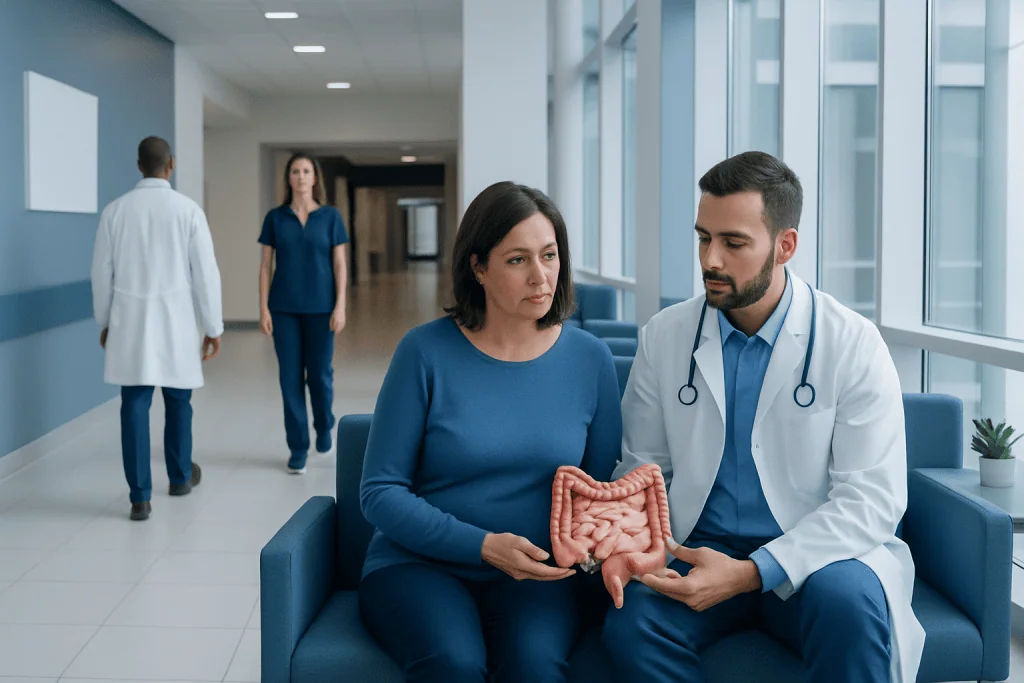
A colectomy removes part or all of the colon to treat conditions such as colon cancer, inflammatory bowel disease, diverticulitis, blockage, or severe bleeding. Some colectomies can be done with minimally invasive techniques, while others require open surgery or temporary or permanent stoma creation.
Key Takeaways
- A colectomy removes part or all of the colon to treat conditions such as colon cancer, inflammatory bowel disease, diverticulitis, blockage, or severe bleeding.
- Some colectomies can be done with minimally invasive techniques, while others require open surgery or temporary or permanent stoma creation.
- Recovery timeline varies, but most people need a hospital stay, gradual return to eating, careful wound care, and follow-up with their surgical team.
- Benefits can include removing diseased bowel, relieving symptoms, and preventing life-threatening complications, but risks such as infection, bleeding, and bowel leakage are possible.
- Prompt medical review is important for severe abdominal pain, fever, vomiting, inability to pass stool or gas, or worsening symptoms after surgery.
Colectomy is an operation that removes part or all of the colon when disease, injury, or a serious complication makes the bowel unsafe or unable to function well. The procedure can be planned or urgent, and recovery depends on how much colon is removed, the surgical approach used, and the person’s overall health.
Overview: what a colectomy is and why it is done
A colectomy is surgery to remove part or all of the colon, also called the large intestine. It is used when a section of the colon is badly damaged, blocked, bleeding, cancerous, or chronically inflamed and cannot be managed safely with medicines or less invasive treatments alone. In some cases, the surgeon also reconnects the remaining bowel so stool can pass normally. In others, a stoma is created so waste leaves the body into an external bag.
The exact type of colectomy depends on the underlying condition and how much bowel is affected. A partial colectomy removes only the diseased segment. A total colectomy removes the entire colon. Surgeons may also describe the operation by the part removed, such as right hemicolectomy, left hemicolectomy, or sigmoid colectomy.
Colectomy may be planned ahead of time or performed urgently. Planned surgery is common for conditions such as colon cancer, recurrent diverticular disease, or inflammatory bowel disease that has not responded well to treatment. Emergency surgery may be needed for bowel perforation, severe blockage, uncontrolled bleeding, or toxic colitis.
Who may need a colectomy
Doctors consider colectomy when the expected benefits of surgery outweigh the risks and when other options are no longer enough. Common reasons include cancer, precancerous polyps that cannot be removed safely during colonoscopy, severe or repeated diverticulitis, bowel obstruction, perforation, major trauma, and uncontrolled intestinal bleeding. Some people with inherited conditions that greatly raise colon cancer risk may also be advised to consider surgery.
Inflammatory bowel diseases such as severe ulcerative colitis and some cases of Crohn’s disease can also lead to colectomy, especially if symptoms remain serious despite medication or if complications develop. In these situations, surgery may improve quality of life, reduce complications, or remove tissue at high risk for cancer. For related background, some patients may already be familiar with Crohn’s disease or chronic bowel inflammation before surgery is discussed.
Candidacy is individualized. The surgical team looks at age, nutrition, heart and lung health, prior abdominal operations, current medicines, and whether the operation is elective or emergency. Imaging, blood tests, colonoscopy findings, and biopsy results help confirm whether colectomy is the right choice and how extensive it should be.
- Planned colectomy is often considered when symptoms are persistent, complications recur, or cancer is present.
- Urgent colectomy is considered when there is perforation, severe infection, complete blockage, or dangerous bleeding.
- Not everyone needs a permanent stoma; this depends on bowel condition, healing risk, and the exact procedure.
How the procedure works: step by step
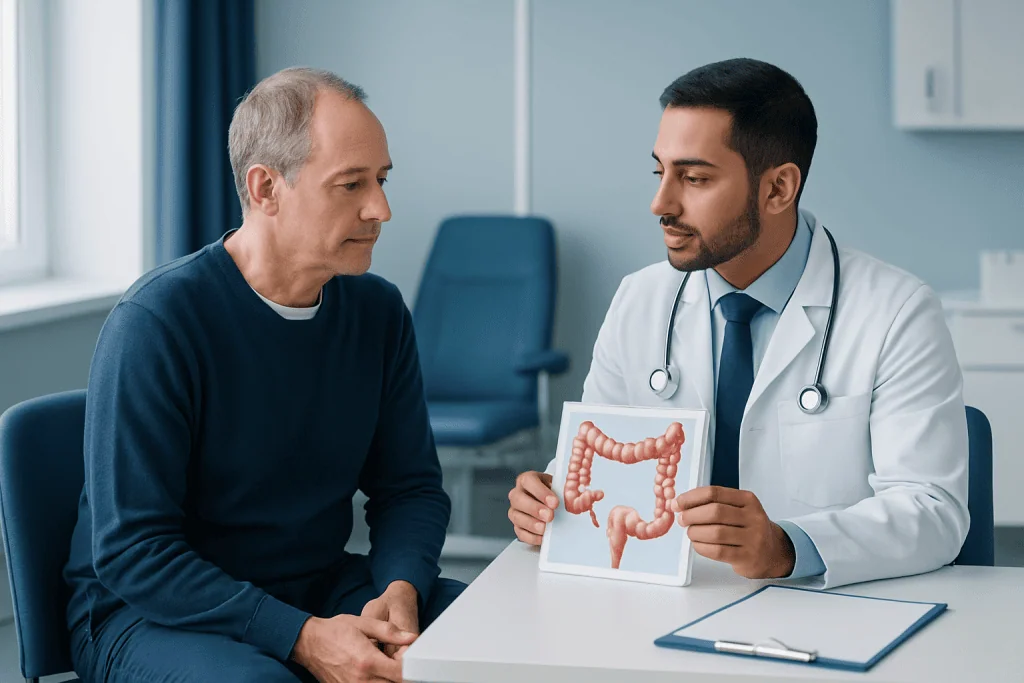
Before surgery, the patient usually has preoperative testing and meets the anesthesia and surgical teams. The bowel may need preparation depending on the reason for surgery and the surgeon’s plan. The team reviews medicines carefully, especially blood thinners, diabetes drugs, and immune-suppressing medicines. Antibiotics are often given around the time of surgery to lower infection risk.
During the operation, the patient receives general anesthesia. The surgeon reaches the colon either through one larger incision in open surgery or several smaller incisions in laparoscopic or robotic-assisted surgery. The diseased part of the colon is identified, surrounding blood vessels are managed, and the affected segment is removed. Nearby lymph nodes may also be removed if cancer is being treated.
After the diseased bowel is removed, the surgeon decides how best to restore bowel continuity. The two healthy ends may be joined together, a step called an anastomosis. If the bowel is too inflamed, contaminated, or at high risk of poor healing, a temporary or permanent stoma may be created instead. In selected patients, a minimally invasive robotic surgery approach or other advanced colorectal techniques may be appropriate.
At the end of the procedure, the surgeon checks for bleeding and secure closure, then closes the incisions. Tissue removed during colectomy is usually sent to the laboratory for detailed examination. This helps confirm the diagnosis, guide further treatment, and clarify whether additional care is needed.
Diagnosis and preparation before colectomy
Colectomy is not based on symptoms alone. Diagnosis usually starts with a medical history, physical examination, blood tests, and imaging such as CT scans. Depending on the situation, the doctor may also use colonoscopy to examine the lining of the colon directly and take biopsies. These steps help define the cause of the problem and whether surgery is truly necessary.
Preparation is important because the condition being treated and the patient’s health both affect surgical planning. The care team may address anemia, dehydration, infection, poor nutrition, or uncontrolled blood sugar before the operation when time allows. People who smoke are usually advised to stop, since smoking can impair wound healing and raise complication risk.
Patients are also counseled about practical issues before surgery. These include expected hospital stay, pain control, eating after surgery, temporary changes in bowel habits, and whether a stoma may be needed. For some colorectal conditions, a coordinated plan with gastroenterology and colorectal surgery helps patients understand the full pathway from diagnosis to recovery.
Benefits, risks, and possible complications
The main benefit of colectomy is removal of diseased bowel that is causing serious symptoms or complications. Surgery may eliminate a cancer, relieve obstruction, stop severe bleeding, prevent perforation, or reduce symptoms from chronic inflammation. For many people, it can also improve daily function and lower the risk of future emergencies.
Like any major operation, colectomy carries risks. General surgical risks include bleeding, infection, blood clots, reactions to anesthesia, and chest complications. Risks specific to bowel surgery include leakage from the bowel connection, injury to nearby organs, bowel blockage from scar tissue, delayed return of bowel function, and stoma-related problems if a stoma is created.
Longer-term effects vary by the amount of colon removed and the underlying disease. Some patients notice more frequent stools, urgency, temporary fatigue, or changes in hydration needs. Most side effects improve over time, but regular follow-up matters, especially after cancer surgery or surgery for chronic inflammatory bowel disease. When there is concern about colorectal malignancy, care may overlap with colon cancer treatment planning after pathology results are reviewed.
Recovery timeline after colectomy
Recovery after colectomy happens in stages rather than all at once. In the first days after surgery, the team monitors pain control, bowel function, wound healing, urine output, and signs of infection or leakage. Walking early is encouraged because it helps reduce blood clot risk, supports lung function, and can help the bowels wake up more quickly. Eating usually starts gradually, often with liquids before progressing as tolerated.
Hospital stay depends on the complexity of the surgery, whether it was laparoscopic or open, and whether there were complications. Some people go home within several days after an uncomplicated minimally invasive operation, while others need longer. At home, tiredness is common for a few weeks. Bowel habits may be irregular at first, and appetite may return slowly.
Many people can resume light daily activities within a few weeks, but lifting restrictions often remain longer. Full recovery may take several weeks after minimally invasive surgery and longer after open or emergency surgery. If a stoma was created, specialist nurses teach stoma care before discharge and during follow-up. Any person recovering from a colectomy should follow their surgeon’s instructions closely and attend all review appointments.
- First week: pain control, walking, gradual diet advancement, bowel function monitoring.
- Weeks 2 to 4: improving energy, wound care, gentle activity, bowel habits still adjusting.
- Weeks 4 to 8 and beyond: broader return to normal routines, depending on surgical approach and overall healing.
Self-care and when to seek medical care
After colectomy, self-care focuses on healing and avoiding strain. Patients are generally advised to drink enough fluids, follow the diet recommended by their team, take medicines exactly as prescribed, and avoid heavy lifting until cleared. Small, regular meals may feel easier than large meals at first. Keeping incisions clean and watching for changes is also important.
It also helps to pay attention to bowel patterns without becoming alarmed by early changes. Some people have looser or more frequent stools at first, while others experience temporary constipation. The surgical team may suggest ways to manage this safely. Emotional adjustment matters too, especially if surgery was unexpected or involved a stoma.
Medical care should be sought promptly for fever, worsening abdominal pain, repeated vomiting, a swollen abdomen, chest pain, shortness of breath, heavy rectal bleeding, inability to pass stool or gas, or signs of dehydration. Patients should also contact their team if wounds become increasingly red, drain pus, open up, or if a stoma changes color or stops functioning. Near the end of the care journey, some international patients choose evaluation at Acibadem International, where multidisciplinary specialists in JCI-accredited hospitals diagnose and treat colorectal conditions.
Frequently asked questions
Is colectomy a major surgery?
Yes. Colectomy is considered major abdominal surgery because it involves removing part or all of the colon under general anesthesia. Even when done with minimally invasive techniques, it still requires careful preparation, hospital monitoring, and a structured recovery period.
Will a person always need a colostomy after colectomy?
No. Many people have the bowel reconnected during the same operation and do not need a stoma. A temporary or permanent stoma is more likely if the bowel is very inflamed, there is contamination in the abdomen, or healing conditions are not ideal.
How long does colectomy recovery usually take?
Initial recovery often takes several weeks, but the full timeline varies from person to person. Recovery may be faster after laparoscopic surgery and longer after open surgery, emergency surgery, or operations with complications.
What can a person eat after colectomy?
Diet usually progresses gradually, starting with fluids and then moving to more solid foods as the bowel begins working again. The exact plan depends on the surgery performed and the patient’s symptoms, so it is best to follow the surgeon’s or dietitian’s advice.
What are the warning signs of complications after colectomy?
Concerning signs include fever, worsening belly pain, vomiting, a swollen abdomen, wound redness or pus, trouble breathing, heavy bleeding, or not being able to pass gas or stool. These symptoms need prompt medical review because they may signal infection, blockage, dehydration, or a leak.
Can someone live normally after part of the colon is removed?
Many people return to normal or near-normal daily life after a partial colectomy. Bowel habits may change for a while, and some people continue to notice differences in stool frequency or urgency, but these often improve as the body adapts.
References
- National Institute of Diabetes and Digestive and Kidney Diseases
- American College of Surgeons
- National Cancer Institute
- Mayo Clinic
- American Society of Colon and Rectal Surgeons
This article is for general information only and is not a substitute for professional medical advice. Please consult a qualified doctor about your individual situation.
Persistent digestive symptoms? Get evaluated in Turkey
JCI-accredited · board-certified surgeons · reply within 24h
Add us as a Preferred Source to see more of our trusted health content across Google Search, AI Overviews and Discover.