Therapy Light Therapy: Symptoms, Causes, and Treatment Options
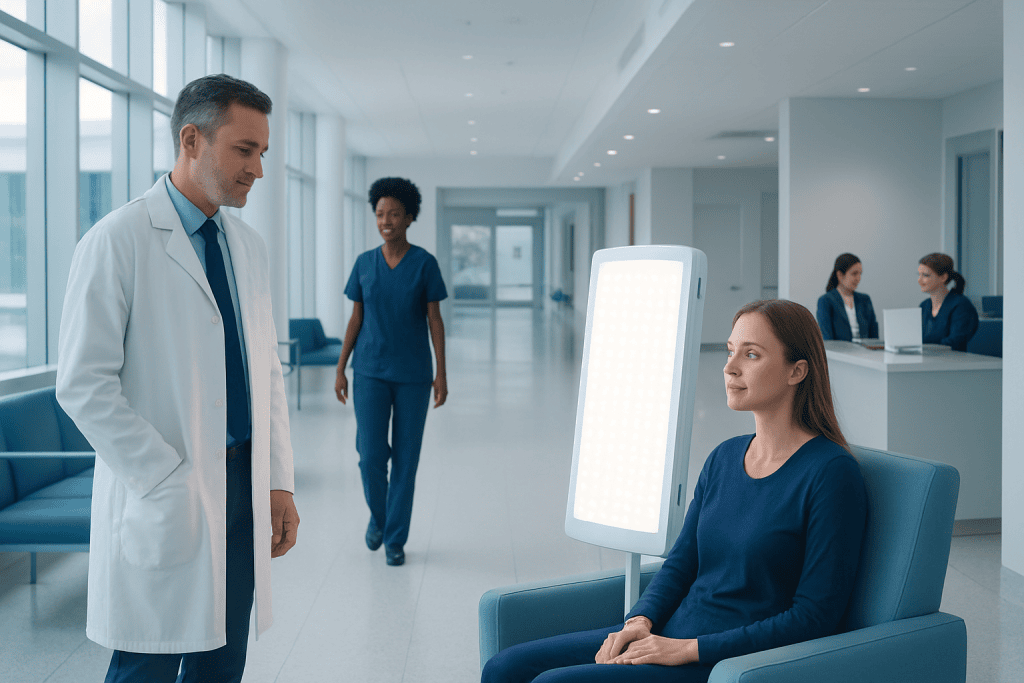
Therapy light therapy is not one single treatment; it includes different forms of medical light exposure for different conditions. It is commonly used for seasonal affective disorder, circadian rhythm sleep disorders, and some dermatology conditions.
Key Takeaways
- Therapy light therapy is not one single treatment; it includes different forms of medical light exposure for different conditions.
- It is commonly used for seasonal affective disorder, circadian rhythm sleep disorders, and some dermatology conditions.
- Proper diagnosis matters because the color, intensity, timing, and duration of light depend on the condition being treated.
- Side effects are often mild, such as eye strain, headache, or sleep disruption, but some people need closer medical supervision.
- People with bipolar disorder, eye disease, or medications that increase light sensitivity should ask a doctor before starting.
Therapy light therapy is the medical use of specific light exposure to help regulate body rhythms or treat certain health conditions. It is most often used for seasonal depression, some sleep-wake disorders, and selected skin conditions, with the best results when the right device, timing, and diagnosis are matched to the person’s needs.
Overview: What therapy light therapy means
Therapy light therapy refers to the planned use of artificial light for medical purposes. In everyday discussion, people often mean bright light therapy for seasonal affective disorder, but light-based treatments also include phototherapy for skin diseases and carefully timed light exposure for sleep-wake rhythm problems.
The key idea is that light can influence the body in different ways. Bright visible light can affect the brain’s internal clock and mood regulation, while ultraviolet light used in dermatology can slow inflammation or abnormal skin cell growth. Because these treatments work through different mechanisms, the device, schedule, and safety steps are not the same for every person.
For that reason, therapy light therapy works best when it is matched to a clear diagnosis rather than used as a one-size-fits-all wellness product. A clinician may recommend it alone for mild symptoms or as part of a broader care plan that can include counseling, sleep strategies, skin care, or medication.
Symptoms and conditions it may help
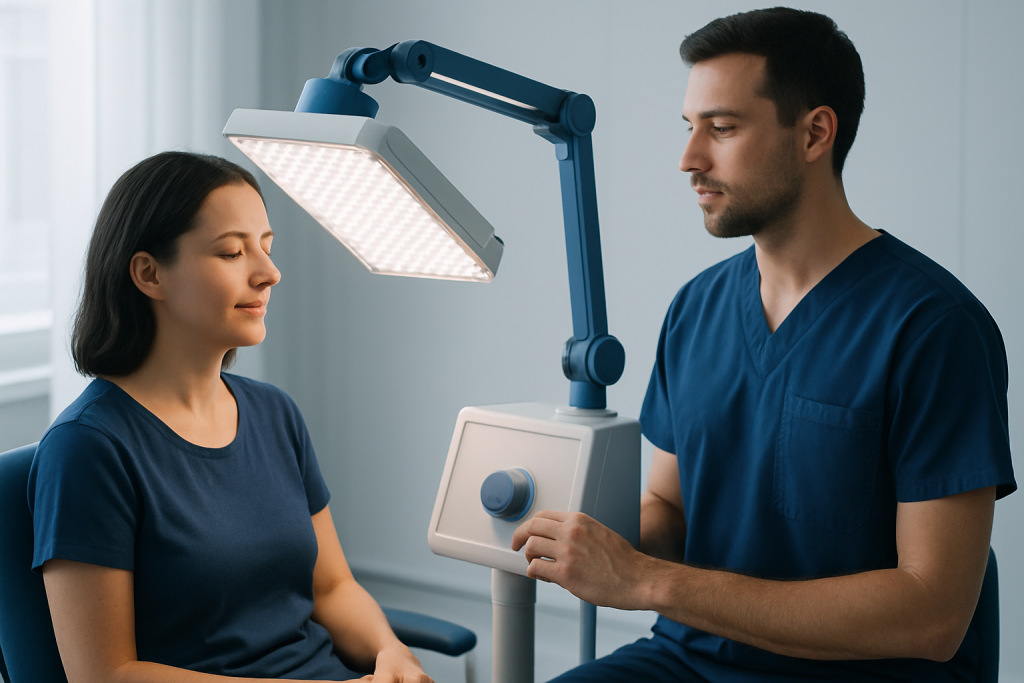
Bright light therapy is best known for helping symptoms of seasonal affective disorder, a pattern of depression linked to seasonal changes, usually in fall and winter. People may notice low mood, loss of interest, fatigue, increased sleep, difficulty waking, carbohydrate cravings, and reduced concentration. In some cases, evaluation may overlap with depression or other mood conditions that need broader treatment.
It may also support people with circadian rhythm sleep disorders, where the body clock is out of sync with the desired sleep schedule. Symptoms can include trouble falling asleep at the desired time, difficulty waking, daytime sleepiness, jet lag symptoms, or sleep disruption related to shift work. Light exposure is sometimes used alongside sleep scheduling and other strategies in the assessment of sleep disorders.
In dermatology, phototherapy may be used for selected inflammatory or chronic skin conditions, including psoriasis, eczema, vitiligo, and some forms of itching. These conditions may cause redness, scaling, itch, patchy pigment loss, or recurring flares. Medical light treatment for skin disease is very different from home mood lamps and should be guided by a specialist.
- Low mood and fatigue during darker months
- Difficulty adjusting sleep timing
- Daytime sleepiness related to body clock disruption
- Persistent skin symptoms such as scaling, itching, or pigment changes
How it works and why timing matters
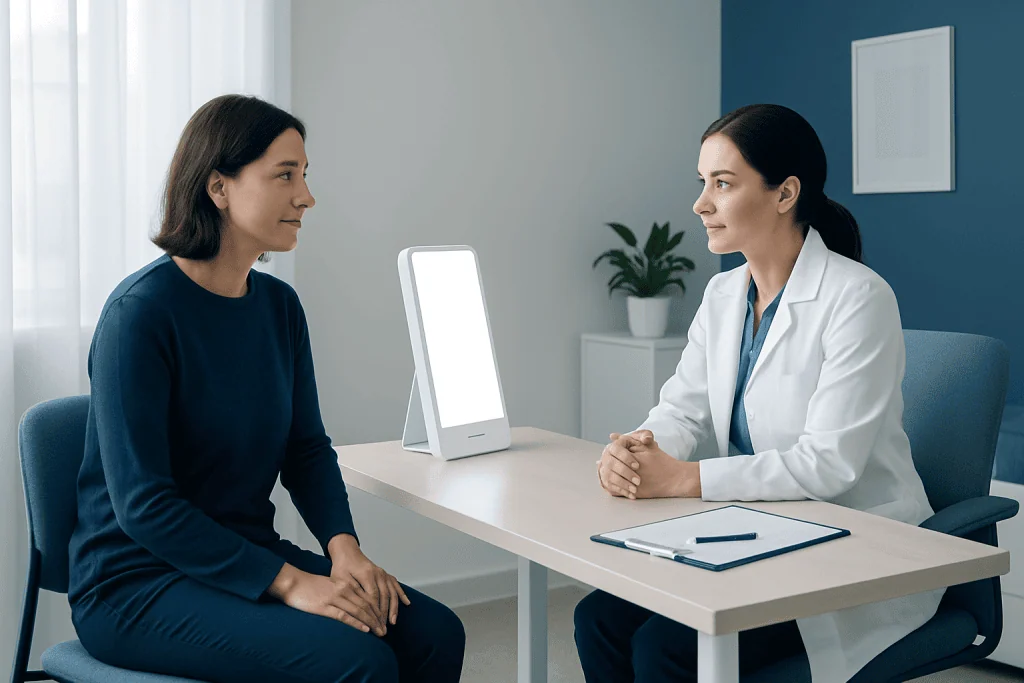
For mood and sleep conditions, therapy light therapy mainly works by influencing the body’s circadian rhythm, the internal timing system that helps regulate sleep, alertness, hormones, and mood. Morning light can signal the brain that it is time to be awake and active, which may improve energy, sleep timing, and emotional well-being in some people.
Timing matters because the same light can have different effects depending on when it is used. Morning exposure is often chosen for seasonal depression and delayed sleep phase, while mistimed evening exposure may worsen insomnia in some people. A clinician may also consider the brightness of the device, how far away it is placed, and how long each session should last.
For skin disease, the effect is different. Dermatology phototherapy uses carefully selected wavelengths, often ultraviolet light, delivered in controlled sessions to reduce inflammation or change skin cell activity. This may be recommended along with topical creams, medicines, or dermatology treatment tailored to the person’s condition.
Causes, risk factors, and who may benefit
People most likely to benefit depend on the condition being treated. Seasonal affective disorder is more common in individuals who develop depressive symptoms when daylight hours shorten. A personal or family history of mood disorders can increase the chance that seasonal changes affect mental health.
Body clock problems may affect teenagers, shift workers, frequent travelers, and people whose work or lifestyle limits natural daylight exposure. Older adults, people spending most of the day indoors, and those with irregular sleep schedules may also struggle with circadian misalignment. In these situations, light can be one tool to help reset daily rhythms when used at the right time.
For skin conditions, benefit depends on the diagnosis, symptom severity, skin type, previous treatment response, and whether the person has reasons to avoid ultraviolet exposure. Not everyone is a good candidate. Extra caution is needed in people with bipolar disorder, certain eye diseases, migraine triggered by bright light, a history of skin cancer, or medicines that make the skin or eyes more sensitive to light.
Diagnosis and choosing the right form of light therapy
Before recommending therapy light therapy, a doctor first looks for the underlying cause of symptoms. For mood or sleep concerns, this usually starts with a medical history, symptom review, medication review, sleep habits, and sometimes sleep diaries or questionnaires. The goal is to distinguish seasonal depression or circadian rhythm problems from other causes of fatigue, insomnia, or low mood.
For skin symptoms, diagnosis often involves a dermatology examination and sometimes additional testing to confirm the condition. This step matters because not all rashes or pigment changes respond to light therapy, and some may worsen with inappropriate light exposure. A dermatologist can decide whether office-based phototherapy or another treatment approach is more suitable.
Once the diagnosis is clear, the clinician helps select the right approach. For seasonal depression or circadian rhythm disorders, this may mean a medically appropriate bright light device and a specific schedule. For skin disease, it may involve monitored sessions such as phototherapy in a clinical setting. In some cases, further assessment by psychiatry or a sleep specialist may be helpful if symptoms are complex or persistent.
Treatment options, benefits, and possible side effects
For seasonal depression, bright light therapy is commonly used in the morning and may begin improving symptoms over days to a few weeks for some people. It is often combined with lifestyle measures, talking therapy, or antidepressant treatment depending on symptom severity. The main benefit is that it is noninvasive and can fit into a daily routine when used correctly.
For circadian rhythm disorders, light treatment is usually part of a plan that may also include sleep scheduling, limiting bright light late in the evening, and managing naps or caffeine. The goal is not simply to feel more awake but to shift sleep timing in a predictable way. This is why medical guidance is important, especially if a person has chronic insomnia or irregular sleep-wake patterns.
For skin conditions, phototherapy is usually given as a series of supervised sessions. Improvement may be gradual, and maintenance plans vary by diagnosis. Depending on the condition, clinicians may combine light treatment with creams, moisturizers, or eczema treatment and other targeted therapies.
Side effects are often mild but should not be ignored. Bright light therapy can cause eye strain, headache, agitation, nausea, or difficulty sleeping if used too late in the day. Dermatology phototherapy may lead to temporary redness, dryness, itching, or sunburn-like irritation. Anyone who develops severe mood changes, vision symptoms, or worsening skin reactions should contact a doctor promptly.
Prevention, self-care, and safe use at home
Not every form of therapy light therapy should be done at home, but there are ways to use light more safely and effectively. For bright light therapy, people should use a medical-grade device appropriate for mood or circadian treatment rather than tanning lamps or unverified products. Following the manufacturer’s instructions and the doctor’s timing advice is important, because longer or later sessions are not always better.
Helpful self-care measures can improve results. These may include getting regular morning daylight, keeping a consistent sleep schedule, exercising regularly, and limiting bright screens close to bedtime if sleep timing is a concern. For seasonal mood symptoms, planning outdoor activity earlier in the day may also help support the body clock.
For skin disease, home self-care usually means protecting the skin barrier, using prescribed topical treatments correctly, and avoiding self-treatment with ultraviolet devices unless specifically advised. Clinical phototherapy is monitored for a reason: skin type, dose, and response need adjustment over time. If symptoms continue, specialists at Acibadem International’s JCI-accredited hospitals can evaluate international patients with a multidisciplinary approach and recommend suitable next steps.
When to seek medical care
Medical advice is important before starting therapy light therapy if symptoms are severe, unclear, or long-lasting. A person should seek assessment for low mood that interferes with daily life, major sleep disruption, or skin symptoms that are widespread, painful, infected, or not improving with basic care. Professional evaluation helps confirm whether light treatment is appropriate and safe.
Prompt care is especially important if there are signs of major depression, thoughts of self-harm, manic symptoms such as unusually high energy or reduced need for sleep, or sudden vision problems. People with eye disease, a history of bipolar disorder, or medications that increase sensitivity to light should not begin treatment without medical guidance. A doctor can review risks, choose the correct form of light therapy, and suggest alternatives if needed.
Frequently asked questions
Is therapy light therapy the same as sitting in the sun?
No. Medical light therapy uses a controlled type, intensity, and timing of light for a specific purpose. Natural daylight can be helpful for mood and body clock regulation, but it does not replace supervised phototherapy for skin conditions or a tailored medical treatment plan.
Can therapy light therapy help depression?
It can help some people, especially those with seasonal affective disorder. It is not the right approach for every type of depression, so a proper diagnosis is important before treatment starts.
How quickly does light therapy work?
Some people notice improvement within several days, while others need a few weeks of regular use. The response depends on the condition, the timing of treatment, and whether the diagnosis and device are appropriate.
Are there risks to using a light therapy box at home?
Yes, although side effects are often mild. Incorrect timing or an unsuitable device can trigger headache, eye strain, irritability, or sleep problems, and people with bipolar disorder, eye disease, or photosensitivity need extra caution.
Can light therapy treat skin conditions at home?
Some skin conditions are treated with light, but this should usually be planned by a dermatologist. Ultraviolet treatment has specific risks and dosing requirements, so self-treating with nonmedical devices is not advised.
Who should talk to a doctor before trying therapy light therapy?
Anyone with severe low mood, suicidal thoughts, bipolar disorder, significant insomnia, eye disease, or a history of skin cancer should seek medical advice first. People taking medications that increase light sensitivity should also ask a clinician before starting.
References
- National Institute of Mental Health
- American Academy of Dermatology
- American Academy of Sleep Medicine
- Mayo Clinic
- National Health Service
This article is for general information only and is not a substitute for professional medical advice. Please consult a qualified doctor about your individual situation.
Explore treatments in Turkey — costs, top hospitals & a free quote
JCI-accredited · board-certified surgeons · reply within 24h
Add us as a Preferred Source to see more of our trusted health content across Google Search, AI Overviews and Discover.