Rash and Pregnancy: Common Causes, Related Conditions, and When to See a Doctor

A rash during pregnancy may be caused by common skin irritation, eczema, infection, allergy, or pregnancy-specific skin conditions. Mild itching and redness can be common, but severe itching, blistering, fever, or rash on the palms and soles should be assessed by a doctor.
Key Takeaways
- A rash during pregnancy may be caused by common skin irritation, eczema, infection, allergy, or pregnancy-specific skin conditions.
- Mild itching and redness can be common, but severe itching, blistering, fever, or rash on the palms and soles should be assessed by a doctor.
- Diagnosis usually relies on the appearance of the rash, timing in pregnancy, symptoms, and sometimes blood tests or skin tests.
- Treatment depends on the cause and may include fragrance-free skin care, moisturizers, cool compresses, or pregnancy-safe medications.
- Anyone who is pregnant should avoid self-treating with new medicines or herbal products without medical advice.
Rash and pregnancy often occur together because hormones, stretching skin, heat, and a changing immune response can make the skin more sensitive. Many rashes are harmless and manageable, but some need prompt medical attention, especially if itching is severe, the rash is widespread, or other symptoms appear.
Overview: what rash and pregnancy can mean
Rash and pregnancy are often connected because pregnancy changes the skin in several ways at once. Hormones shift, the immune system adapts, blood flow increases, and the skin stretches as the body changes. These factors can make existing skin conditions flare up or lead to entirely new rashes that appear only during pregnancy.
In many cases, a pregnancy rash is uncomfortable but not dangerous. Dryness, heat rash, contact irritation, hives, or eczema are all possible. There are also pregnancy-specific conditions, such as polymorphic eruption of pregnancy, that usually affect the abdomen and nearby skin late in pregnancy and tend to improve after delivery.
At the same time, not every rash in pregnancy should be assumed to be routine. Some rashes point to infection, allergic reaction, or a liver-related pregnancy condition that causes intense itching without a typical rash. Because of this, it is useful to look at the pattern of the rash, where it started, whether it is itchy or painful, and whether symptoms such as fever or swelling are present.
How a pregnancy rash may look and feel
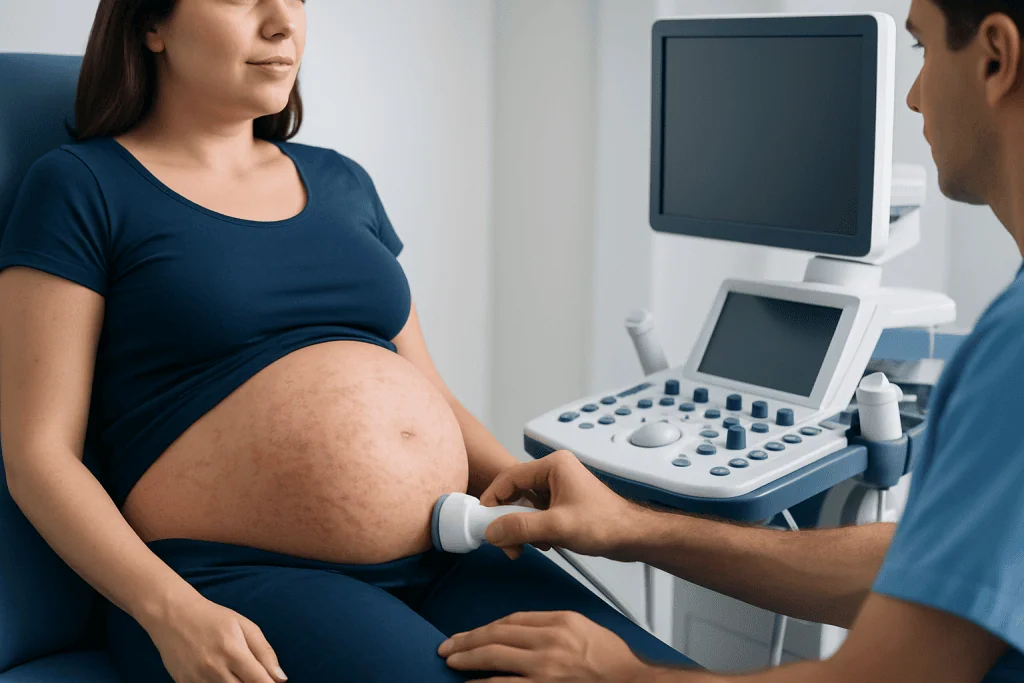
A rash during pregnancy can appear in different forms. Some people notice small red bumps, patches of dry or flaky skin, raised welts, tiny blisters, or irritated folds where sweat builds up. Others mainly feel itching first and only later notice scratches, redness, or thickened skin from rubbing.
The location can offer important clues. Rashes caused by stretching skin often begin on the abdomen, especially around stretch marks, while eczema may affect the hands, face, neck, or inside the elbows and knees. Heat rash tends to develop in areas where skin rubs together, and contact dermatitis often appears where a product or fabric touched the skin.
Symptoms that deserve extra attention include severe itching that disturbs sleep, pain, blistering, yellowing of the skin, fever, facial swelling, sores in the mouth, or a rash that spreads quickly. A rash on the palms and soles, or intense itching there without much visible rash, should also be discussed with a doctor because it may suggest a condition beyond simple skin irritation.
- Common features: itching, redness, dryness, bumps, or hives
- Less common but important: blisters, pain, oozing, or skin infection
- Concerning associated symptoms: fever, jaundice, swelling, breathing difficulty, or reduced fetal movement
Common causes and related conditions
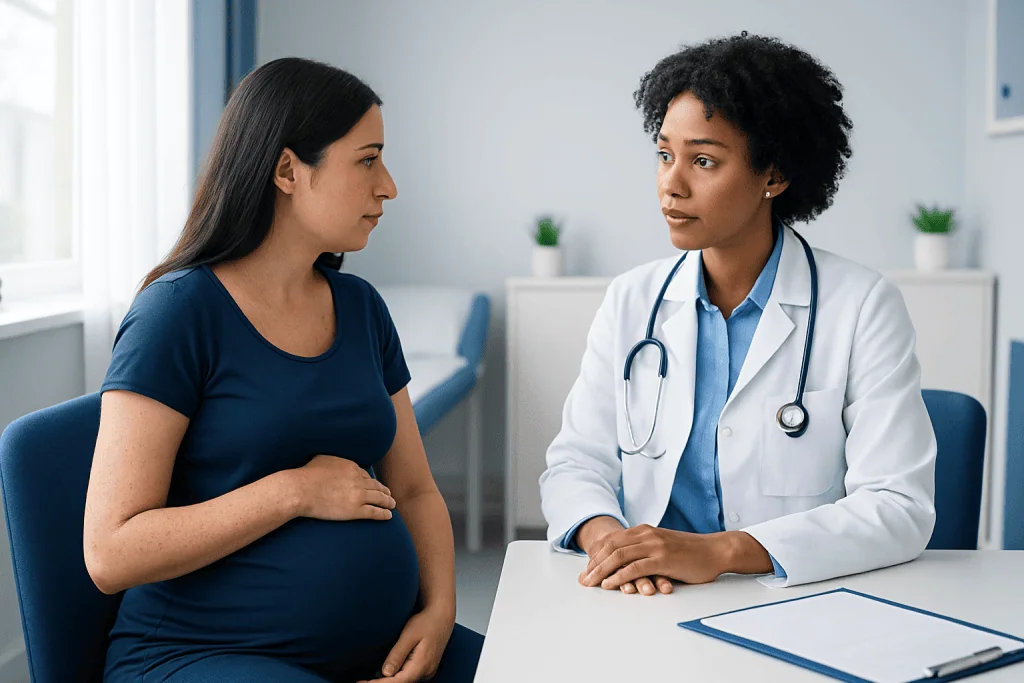
Many cases of rash and pregnancy are related to common skin problems rather than a dangerous complication. Dry skin may worsen as the skin stretches. Eczema can flare for the first time or become more active during pregnancy. Allergic or irritant contact dermatitis may follow exposure to soaps, perfumes, laundry products, metals, or skin creams. Fungal infections can also become more likely in warm, moist skin folds.
Pregnancy-specific eruptions are another possibility. Polymorphic eruption of pregnancy, often called PUPPP, usually appears in late pregnancy as itchy red bumps and plaques that often begin within abdominal stretch marks and may spread to the thighs or buttocks. Pemphigoid gestationis is much less common but more serious; it can cause very itchy plaques and blisters and needs specialist assessment. Atopic eruption of pregnancy is a term used for eczema-type or itchy bump-type rashes that occur during pregnancy.
Sometimes the main symptom is itching rather than a clear rash. This can happen with intrahepatic cholestasis of pregnancy, a liver-related condition that often causes intense itching, especially on the palms and soles, and may leave secondary scratch marks. Because this condition affects pregnancy care, it should not be overlooked. Readers interested in related liver problems may also learn more about cholestasis.
Other related conditions include viral rashes, scabies, drug reactions, psoriasis flares, and hive-like allergic reactions. If there are signs of infection such as fever, crusting, pus, or significant tenderness, a clinician may also consider bacterial causes that need targeted treatment.
Risk factors and triggers during pregnancy
Several factors can make a rash more likely during pregnancy. A personal or family history of eczema, allergies, asthma, or sensitive skin increases the chance of itchy inflammatory rashes. Hot weather, sweating, friction from clothing, stress, and reduced sleep can also aggravate symptoms.
The timing of the rash may matter. Some rashes are more common in early pregnancy, while others, especially those related to abdominal stretching, are more likely in the third trimester. People carrying multiples or those with rapid abdominal growth may be more prone to stretch-related eruptions, although a rash can happen in any pregnancy.
New products are a frequent trigger that is easy to miss. Fragranced lotions, essential oils, harsh cleansers, detergents, and even certain sunscreens can irritate skin that has become more reactive during pregnancy. Medicines, supplements, and foods can also trigger hives or allergic reactions in some individuals, which is one reason clinicians often ask about recent changes in routine.
How doctors diagnose a rash in pregnancy
Diagnosis begins with a careful history and skin examination. A doctor will usually ask when the rash started, whether it itches or hurts, where it first appeared, what products or medicines were recently used, and whether there are other symptoms such as fever, jaundice, or swelling. The stage of pregnancy also helps narrow the possibilities.
Often, the appearance and distribution of the rash are enough to identify the likely cause. In some situations, tests may be needed. Blood tests can help if there is concern about liver-related itching, infection, or inflammation. A skin swab, scraping, or rarely a biopsy may be used if the diagnosis is uncertain or blistering disease is suspected.
Because there can be overlap among pregnancy-specific eruptions, eczema, allergy, and infection, self-diagnosis is not always reliable. If symptoms are persistent or severe, clinicians may involve specialists in dermatology care or, when pregnancy monitoring is needed, gynecology evaluation. This is especially helpful when the rash is widespread, recurrent, or not improving with simple measures.
Treatment options that are usually considered safe
Treatment depends on the cause, severity, and stage of pregnancy. For mild irritation, the first steps are often simple: avoid likely triggers, keep showers lukewarm rather than hot, use fragrance-free moisturizers, wear loose cotton clothing, and apply cool compresses to reduce itching. These measures can calm many common rashes and help protect the skin barrier.
When symptoms are more bothersome, a doctor may recommend pregnancy-appropriate topical treatments. These can include emollients, certain anti-itch preparations, or topical corticosteroids when clearly needed. If hives, allergy, or severe itching are present, clinicians may consider oral medicines that have an established safety profile in pregnancy. Any medicine should be chosen with medical guidance rather than started independently.
If there is a fungal, bacterial, or parasitic infection, treatment should target the specific cause. Pregnancy-specific conditions may need closer monitoring as well as symptom relief. For example, severe or unusual blistering rashes may require specialist management, while cholestasis-related itching requires obstetric follow-up because the concern is not only comfort but overall pregnancy care.
In more complex cases, care may involve coordination between obstetricians and skin specialists. Acibadem International’s multidisciplinary specialists in JCI-accredited hospitals diagnose and treat skin and pregnancy-related conditions for international patients, including access to obstetrics and gynecology care when a rash needs closer pregnancy assessment.
Self-care, prevention, and everyday skin protection
Not every pregnancy rash can be prevented, but gentle skin care can lower the chance of irritation and reduce flare-ups. Moisturizing regularly, especially after bathing, helps support the skin barrier. Products labeled fragrance-free and designed for sensitive skin are often better tolerated than heavily perfumed or exfoliating products.
Clothing and temperature control also matter. Breathable fabrics, avoiding overheating, and changing out of sweaty clothes can reduce friction and heat rash. Keeping nails short may help prevent skin damage from scratching, while cool packs or oatmeal-based baths may offer temporary comfort for itching.
It is sensible to avoid trying multiple new creams, over-the-counter medicines, or herbal remedies at once. Some ingredients are not well studied in pregnancy, and too many products can worsen irritation. If a rash is not improving within a few days, or if it keeps returning, professional advice is the safest next step.
- Use mild, fragrance-free cleansers and moisturizers
- Avoid hot showers and harsh scrubs
- Wear loose, breathable clothing
- Note any new medicines, supplements, or skin products
- Seek advice before using medicated creams in pregnancy
When to seek medical care
Medical review is important if a rash is severe, rapidly spreading, blistering, painful, or associated with fever. Care is also needed if there is facial swelling, breathing difficulty, dizziness, or signs of an allergic reaction, as these symptoms may require urgent attention.
Pregnant patients should contact a doctor promptly if itching is intense, especially on the palms of the hands or soles of the feet, even when there is little or no visible rash. This pattern can suggest a condition such as cholestasis that needs blood tests and pregnancy follow-up. It is also important to seek care if the rash appears infected, with warmth, pus, or worsening tenderness.
Any concern about reduced fetal movement, contractions, vaginal bleeding, severe abdominal pain, or general unwellness should be addressed immediately, even if a rash seems to be the main complaint. A skin change may be harmless, but symptoms affecting the overall pregnancy should always be assessed by a qualified clinician.
Frequently asked questions
Is rash and pregnancy usually a normal combination?
Often, yes. Pregnancy can make the skin more reactive because of hormonal, immune, and physical changes, so mild itching or rash is common. Still, a new rash should be assessed if it is severe, unusual, or comes with other symptoms.
What is the most common pregnancy-specific rash?
One of the best-known pregnancy-specific rashes is polymorphic eruption of pregnancy, often called PUPPP. It usually appears late in pregnancy, often starts around stretch marks on the abdomen, and causes itchy red bumps or plaques.
Can a pregnancy rash harm the baby?
Most common rashes do not harm the baby and mainly affect the mother's comfort. However, some underlying causes, such as cholestasis of pregnancy or certain infections, need prompt medical evaluation because they may affect pregnancy management.
What can help relieve itching from a rash during pregnancy?
Gentle skin care often helps, including fragrance-free moisturizers, lukewarm showers, loose cotton clothing, and cool compresses. Because not all anti-itch products are appropriate in pregnancy, it is best to ask a doctor or pharmacist before using medicated creams or tablets.
Should someone worry if there is itching but no visible rash?
Yes, especially if the itching is intense or affects the palms and soles. Itching without much rash can occur in cholestasis of pregnancy, so a doctor may recommend blood tests and obstetric follow-up.
When is a rash in pregnancy an emergency?
Urgent care is needed if the rash comes with trouble breathing, facial swelling, faintness, or signs of a severe allergic reaction. Immediate assessment is also important if there is fever, widespread blistering, severe pain, or pregnancy warning signs such as bleeding or reduced fetal movement.
References
- American College of Obstetricians and Gynecologists
- American Academy of Dermatology
- National Health Service
- Society for Maternal-Fetal Medicine
- Merck Manual Professional Edition
This article is for general information only and is not a substitute for professional medical advice. Please consult a qualified doctor about your individual situation.
Explore treatments in Turkey — costs, top hospitals & a free quote
JCI-accredited · board-certified surgeons · reply within 24h
Add us as a Preferred Source to see more of our trusted health content across Google Search, AI Overviews and Discover.