Endometritis: Early Signs, Risk Factors, and How It Is Treated

Endometritis is an infection of the uterine lining, most often after childbirth, miscarriage, or a uterine procedure, and it usually responds to antibiotics. See a doctor promptly if you have fever, pelvic pain, foul-smelling discharge, or unusual bleeding after delivery or a procedure, since early treatment helps prevent the infection from spreading.
Key Takeaways
- Endometritis is an infection or inflammation of the uterine lining and is different from endometriosis.
- Common symptoms include pelvic pain, fever, abnormal vaginal discharge, irregular bleeding, and tenderness of the uterus.
- Risk is higher after childbirth, cesarean birth, miscarriage, abortion, IUD procedures, or sexually transmitted infections.
- Diagnosis is based on symptoms, pelvic examination, and sometimes blood tests, cultures, ultrasound, or other imaging.
- Treatment usually involves antibiotics, and severe cases may require hospital care and intravenous medicines.
- Prompt evaluation is important, especially after delivery or a uterine procedure if fever, pain, or unusual discharge develops.
Endometritis is inflammation of the inner lining of the uterus, usually caused by an infection that develops after childbirth, miscarriage, certain gynecologic procedures, or a sexually transmitted infection. It is often treatable with antibiotics, and early medical care can help prevent complications such as spread of infection or future fertility problems.
Overview
Endometritis is inflammation of the endometrium, the lining inside the uterus. In most cases, it happens because bacteria enter the uterus and cause an infection. This can occur after childbirth, after a miscarriage or abortion, following a gynecologic procedure, or alongside infections that begin in the vagina or cervix and move upward.
Many people confuse endometritis with endometriosis, but they are different conditions. Endometritis is usually an infection or inflammation that needs medical assessment and often antibiotics. Endometriosis is a separate condition in which tissue similar to the uterine lining grows outside the uterus.
Endometritis can affect people in different ways. Some develop symptoms soon after delivery or a procedure, while others notice more gradual pelvic discomfort, abnormal discharge, or bleeding. With timely treatment, most people recover well, but delays can increase the risk of the infection spreading beyond the uterus.
Early signs and symptoms of endometritis
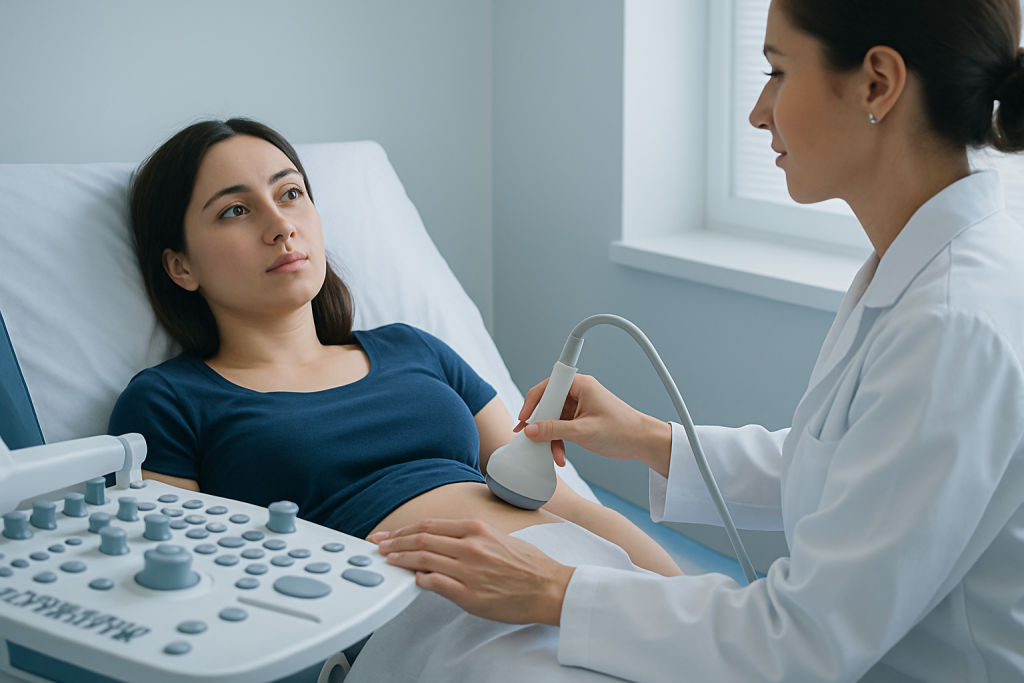
The early signs of endometritis can be subtle at first. A person may feel lower abdominal or pelvic pain, develop a fever, or notice unusual vaginal discharge. The discharge may have an unpleasant odor, and bleeding may be heavier than expected or occur between periods.
Other symptoms can include chills, fatigue, pain during sex, discomfort with urination, or a general feeling of being unwell. After childbirth, symptoms may include uterine tenderness, fever, and discharge that seems abnormal rather than the expected postpartum bleeding pattern. After a miscarriage, abortion, or uterine procedure, symptoms may begin within days.
You will not necessarily have every symptom, and mild cases are easy to mistake for normal recovery after delivery or a procedure. Still, pain that persists, a fever, discharge that is getting worse, or bleeding that does not seem typical is worth a call to your doctor.
- Pelvic or lower abdominal pain
- Fever or chills
- Abnormal or foul-smelling vaginal discharge
- Irregular, heavy, or prolonged bleeding
- Uterine tenderness
- Fatigue or feeling generally unwell
Causes and risk factors
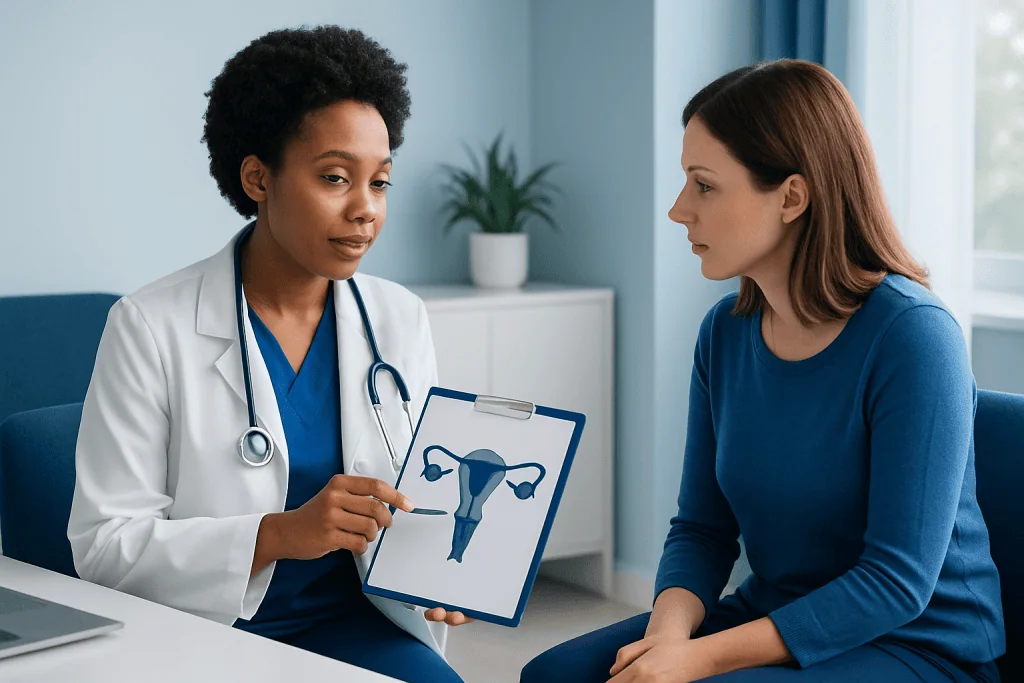
Endometritis most often occurs when bacteria from the lower genital tract enter the uterus. This is more likely when the cervix has been opened or the uterine cavity has been accessed, such as during labor and delivery, cesarean section, dilation and curettage, hysteroscopy, or insertion and removal of certain devices. The infection may involve one bacterium or several kinds at the same time.
One of the most common settings is the period after childbirth, especially after a cesarean birth. Retained tissue after delivery or pregnancy loss can also raise risk because it allows bacteria to grow more easily. Sexually transmitted infections, including chlamydia and gonorrhea, can lead to infection of the uterus as part of a broader pelvic infection process such as pelvic inflammatory disease.
Other factors that may increase risk include prolonged labor, multiple vaginal examinations during labor, premature rupture of membranes, an existing vaginal or cervical infection, and procedures involving the uterus. Although it is less common, endometritis can also occur in people who are not pregnant and have not recently had a procedure.
Doctors sometimes divide endometritis into postpartum endometritis, which happens after delivery, and non-postpartum endometritis, which may be related to sexually transmitted infections or gynecologic procedures. Understanding the likely cause helps guide testing and treatment.
How endometritis is diagnosed
Diagnosis starts with a medical history and physical examination. A doctor will ask about symptoms, recent childbirth, miscarriage, abortion, IUD placement, surgery, menstrual history, and any risk of sexually transmitted infection. During a pelvic exam, there may be uterine tenderness, cervical discharge, or signs of broader pelvic infection.
In many cases, diagnosis is clinical, meaning it is based on symptoms and examination findings rather than a single definitive test. Blood tests may be used to look for signs of infection or inflammation. Vaginal or cervical swabs may help identify sexually transmitted infections or other bacteria. In some situations, urine testing is done to rule out a urinary tract infection.
An ultrasound may be recommended if the doctor suspects retained pregnancy tissue, a collection of fluid, an abscess, or another gynecologic cause of pain and bleeding. If symptoms are complex or persistent, further evaluation may be needed to distinguish endometritis from conditions such as endometriosis, appendicitis, ovarian cyst complications, or other pelvic disorders.
Pelvic pain and fever have many possible causes, and they overlap. That is why someone needs to examine you: a doctor can tell whether simple outpatient treatment is enough or whether you need closer monitoring.
Treatment options
Treatment for endometritis usually involves antibiotics. The exact choice depends on the likely source of infection, symptom severity, whether the person recently gave birth or had a procedure, and whether sexually transmitted infections may be involved. Many mild to moderate cases can be treated with oral antibiotics, while more serious cases may need intravenous antibiotics in the hospital.
Hospital treatment is more likely if symptoms are severe, the person is recently postpartum after a cesarean birth, there is high fever, vomiting, signs of infection spreading, or concern about complications such as an abscess. If retained tissue is suspected after delivery or pregnancy loss, a doctor may recommend a procedure to remove it after stabilizing the infection. In selected situations, evaluation by specialists in gynecology or obstetrics and gynecology may help coordinate care.
Pain relief, hydration, and rest are often part of recovery. If a sexually transmitted infection is found or strongly suspected, sexual partners may also need testing and treatment. Finish the whole course of antibiotics even if you feel better after a couple of days — stopping early can let the infection come back.
Most people begin to feel better within a few days of appropriate treatment, but follow-up may be advised if symptoms persist, return, or if there are concerns about fertility, repeated infection, or another underlying pelvic condition.
Possible complications and recovery
When endometritis is treated early, recovery is usually straightforward. Without treatment, however, the infection can spread beyond the uterine lining to deeper uterine tissue, the fallopian tubes, the ovaries, or the bloodstream. This may lead to more serious illness and may increase the risk of scarring that can affect fertility.
Possible complications include pelvic abscess, sepsis, chronic pelvic pain, and problems related to future fertility in some cases. The risk depends on the cause of the infection, how quickly treatment begins, and whether there are associated conditions such as retained tissue or a broader pelvic infection.
Recovery also depends on the setting in which endometritis occurred. After childbirth or a procedure, people may need guidance on what symptoms are part of normal healing and what signs suggest infection. If symptoms do not improve as expected, doctors may reassess the diagnosis, repeat tests, or arrange imaging to look for complications.
Prevention and self-care
Not all cases of endometritis can be prevented, but some practical steps can lower risk. Safe sex practices, prompt treatment of vaginal or cervical infections, and attending follow-up visits after childbirth or gynecologic procedures can all help reduce the chance of infection reaching the uterus. In hospital settings, careful sterile technique during delivery and procedures is also important.
After delivery, miscarriage, abortion, or a uterine procedure, it helps to follow the care instructions provided by the medical team. This may include watching for fever, worsening pelvic pain, foul-smelling discharge, or unusually heavy bleeding. People should avoid inserting anything into the vagina, including tampons or having sex, for as long as their doctor advises after certain procedures or birth.
Self-care supports treatment, it does not replace it. Rest, fluids, and taking your medicines exactly as prescribed all help, but suspected endometritis is not something to handle at home alone. If your symptoms drag on or get worse, get checked again — that is the safest move.
For people seeking coordinated evaluation and treatment, Acibadem International’s multidisciplinary specialists in JCI-accredited hospitals care for international patients with gynecologic infections and related conditions, including support from infectious diseases teams when needed.
When to seek medical care
Medical care is recommended promptly if a person has fever, pelvic pain, abnormal discharge, or unusual bleeding after childbirth, miscarriage, abortion, or a uterine procedure. These symptoms do not always mean endometritis, but they should be assessed because early treatment can prevent complications.
Urgent care is especially important for high fever, severe abdominal pain, fainting, rapid heartbeat, vomiting, heavy bleeding, or signs of dehydration. A person should also seek care quickly if symptoms are getting worse rather than improving, or if they have been told they may have a sexually transmitted infection.
If you are pregnant, recently gave birth, or are recovering from surgery, treat any new fever or pelvic symptom with respect. When in doubt, call a qualified doctor or emergency service.
Frequently asked questions
Is endometritis the same as endometriosis?
No. Endometritis is inflammation or infection of the uterine lining, usually caused by bacteria. Endometriosis is a different condition in which tissue similar to the uterine lining grows outside the uterus.
Can endometritis go away on its own?
Because endometritis is often caused by infection, it should be assessed by a doctor rather than watched at home. Many cases need antibiotics, and delaying treatment can raise the risk of complications.
What does endometritis feel like?
It often causes lower abdominal or pelvic pain, tenderness, fever, and unusual vaginal discharge. Some people also have bleeding that seems heavier, longer, or more irregular than expected.
How soon after childbirth can endometritis happen?
Postpartum endometritis often develops within the first few days after delivery, but symptoms can sometimes appear later. Fever, increasing pelvic pain, and foul-smelling discharge after birth should be checked by a healthcare professional.
Can endometritis affect fertility?
It can in some cases, especially if the infection spreads or treatment is delayed. Early diagnosis and appropriate treatment help lower the chance of long-term complications related to fertility.
How is endometritis tested for?
Doctors usually diagnose it through symptoms, a pelvic exam, and review of recent childbirth, procedures, or infection risks. Blood tests, vaginal or cervical swabs, and ultrasound may be used when needed.
This article is for general information only and is not a substitute for professional medical advice. Please consult a qualified doctor about your individual situation.
IVF & fertility treatment in Turkey — success rates and costs
7 JCI-accredited hospitals · board-certified surgeons · reply within 24h
Add us as a Preferred Source to see more of our trusted health content across Google Search, AI Overviews and Discover.

Medically reviewed by the Acıbadem International Medical Board — August 24, 2026
See our medical review board →
References (3)
- Endometritis - StatPearls, NCBI Bookshelf — www.ncbi.nlm.nih.gov
- Pelvic Inflammatory Disease (PID) - CDC — www.cdc.gov
- Pelvic inflammatory disease - MedlinePlus — medlineplus.gov
Otorhinolaryngology Specialists at Acibadem





More from the Health Library

Crigler Najjar Syndrome: Early Signs, Risk Factors, and How It Is Treated

Gene Therapy Herpes: How It Works, Results and What to Expect

How Art Therapy Helps Children Express Difficult Feelings

Vestibular Papillomatosis: Diagnosis, Outlook, and Modern Treatment Approaches

Pollicization Turns an Index Finger Into a Working Thumb