Children’s Art Therapy: How It Works, Results and What to Expect
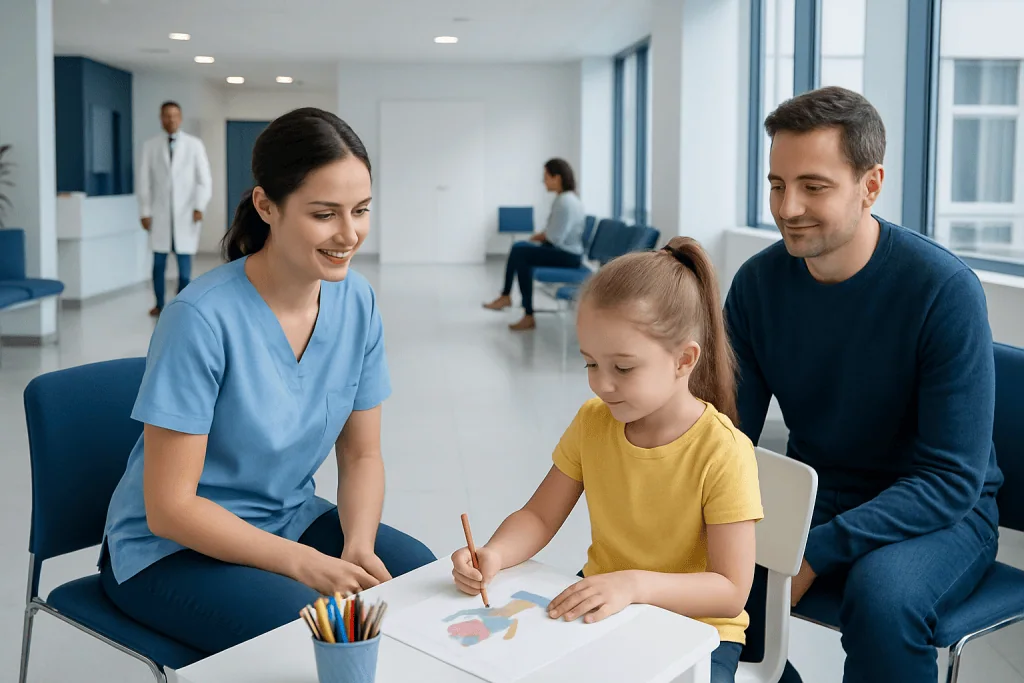
Children's art therapy is led by a trained mental health professional with specialist education in art therapy. The focus is on the creative process and the child’s meaning, not artistic skill or producing a “good” picture.
Key Takeaways
- Children's art therapy is led by a trained mental health professional with specialist education in art therapy.
- The focus is on the creative process and the child’s meaning, not artistic skill or producing a “good” picture.
- It may help children express difficult feelings, practise coping skills and strengthen communication.
- Art therapy can complement, but does not replace, medical, psychological or educational assessment when these are needed.
- Progress varies by the child’s needs, goals, developmental stage and consistency of care.
Children's art therapy is a form of mental health care in which a qualified art therapist uses drawing, painting, play and other creative processes to help a child communicate and explore emotions. It can support children facing stress, illness, loss, behavioral concerns or mental health symptoms, usually as part of an individualized care plan.
Overview: What Is Children's Art Therapy?
Children’s art therapy is a psychotherapeutic approach that uses art-making within a safe, structured relationship with a qualified art therapist. Through materials such as drawing, paint, collage, clay or simple construction, children can explore experiences that may be hard to explain in words. The therapist helps the child reflect on the process and meaning of the work at a pace that feels appropriate.
It is not an art class, and children do not need artistic talent. The aim is emotional expression, communication, self-understanding and coping—not making attractive artwork. Sessions may take place individually, with families or in carefully selected groups, depending on the child’s needs and the goals of care.
Children’s art therapy may be considered for children who are experiencing anxiety, low mood, grief, trauma-related distress, difficulties adjusting to illness or life changes, social challenges, or emotional and behavioral concerns. It can also be integrated into broader pediatric mental health support alongside psychological therapy, family guidance, school support or medical care.
How Is Art Therapy Effective for Children?
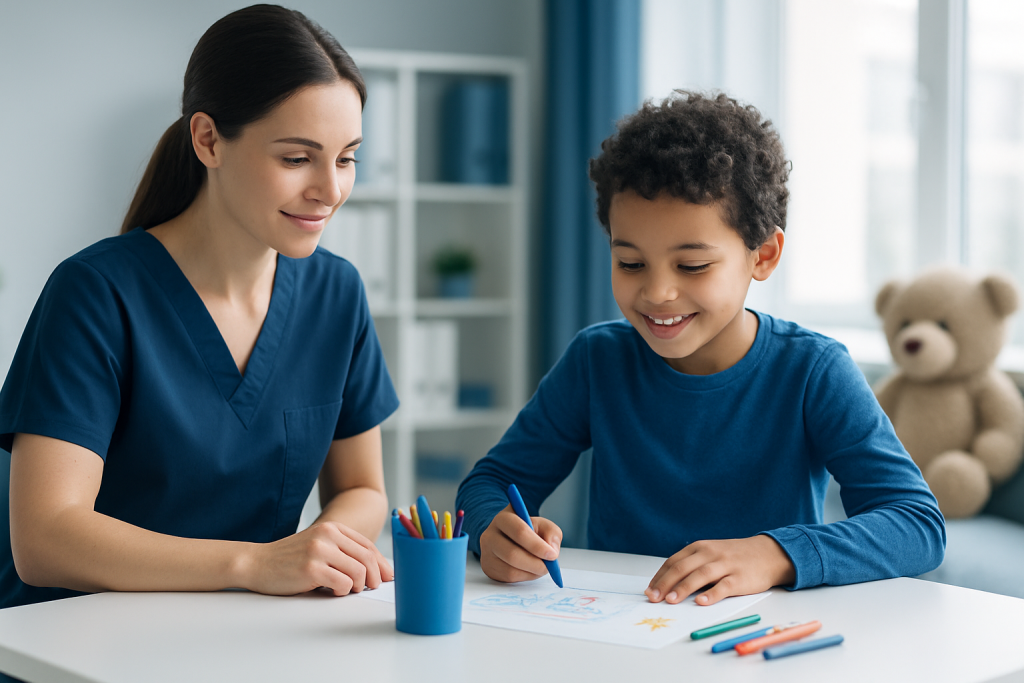
Art therapy can be effective because children often communicate through play, images and action before they can fully describe complex internal experiences. Creating an image, choosing colors or shaping clay can give a child a manageable way to represent fear, anger, sadness, confusion or hope. This may reduce the pressure of direct questioning and make conversations feel less overwhelming.
The therapist observes both the child’s creative process and the child’s own explanation of what was made. Rather than interpreting a drawing in isolation, the therapist uses gentle, age-appropriate questions to help the child notice feelings, patterns, strengths and possible coping choices. The therapeutic relationship itself—predictable, accepting and confidential within safeguarding limits—is an important part of care.
Evidence suggests creative arts therapies can support emotional expression and psychological wellbeing for some children, particularly when delivered by appropriately trained clinicians as part of a wider plan. Results differ between individuals. Art therapy is usually most helpful when its goals are clear, such as improving emotional vocabulary, supporting adjustment after a difficult event, or practising ways to calm and communicate.
What Happens in the Brain During Art Therapy?
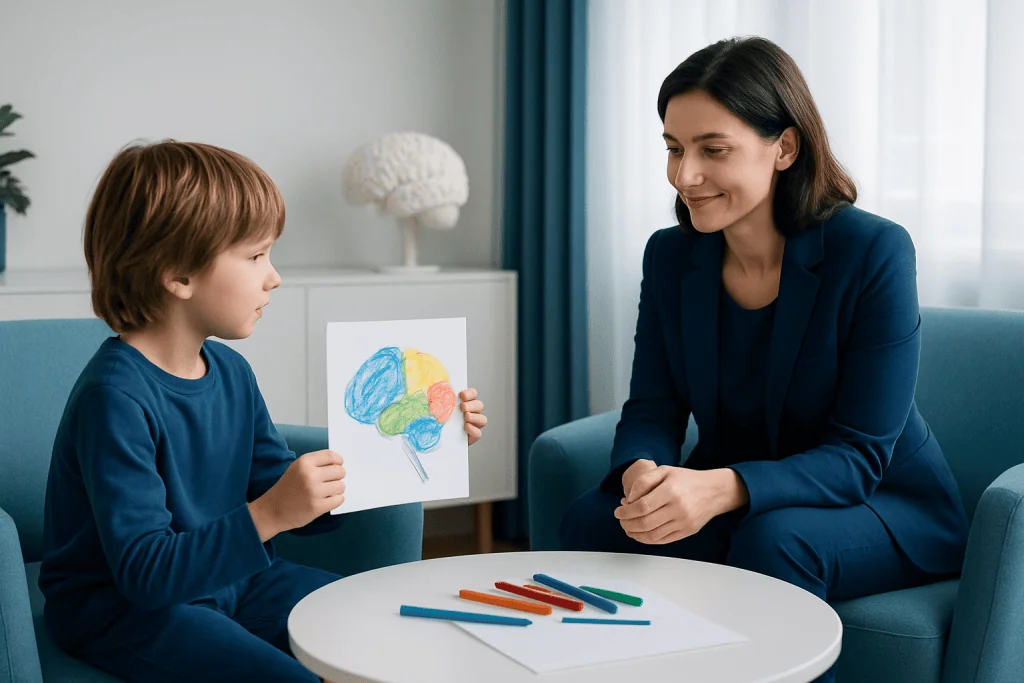
Brain research on art therapy is still developing, so it is important not to overstate what is known. Creative activity can involve brain networks related to attention, sensory processing, movement, planning, memory and emotion. When a child engages in a focused, supported activity, it may provide a pause from distressing thoughts and create opportunities to practise attention and self-regulation.
Making art may also help link emotional experience with language. A child may first show an experience through an image and later find words for it with the therapist’s support. This movement between sensory, emotional and verbal processing can be useful for children who find direct discussion difficult, including younger children and those under stress.
The calming effects of repetitive or tactile activities, such as coloring, clay work or arranging collage materials, may help some children feel more settled during a session. However, art-making is not automatically relaxing for every child. A skilled therapist adapts the materials and pace, particularly if certain themes, sensations or memories are upsetting.
Candidacy, Assessment and What to Expect Step by Step
A child may be a candidate for art therapy when verbal therapy alone is not the best fit, when creative expression feels natural to them, or when a clinician believes it could support defined emotional or behavioral goals. Referral can come from a pediatrician, child psychiatrist, psychologist, school professional or family. Parents or caregivers can also ask a qualified clinician whether this approach is appropriate.
Before sessions begin, the therapist usually meets with the parent or caregiver and, when suitable, the child. This assessment considers the child’s developmental stage, strengths, concerns, medical and family context, current treatments and safety needs. Together, the family and therapist agree on realistic goals, such as helping the child discuss worries, manage strong emotions or adjust to a diagnosis or major change.
In a typical session, the child is welcomed into a private space with selected art materials. The therapist may offer an open invitation to create or a gentle prompt connected with the session’s goal. The child makes choices about materials and participation, while the therapist provides emotional support and observes what emerges. Time is then set aside to talk, play or reflect on the artwork if the child wishes.
At the end, the therapist helps the child transition from the session and may share appropriate themes or practical recommendations with caregivers. Privacy is respected, but therapists must act if there are concerns about a child’s immediate safety or wellbeing. Parent involvement varies: some plans include regular feedback meetings, family sessions or guidance on supporting skills at home.
Benefits, Limitations and Risks of Art Therapy
Potential benefits of children’s art therapy include improved emotional expression, increased self-awareness, a greater sense of control, better communication and opportunities to practise coping skills. Some children also value having a nonjudgmental space that belongs to them. For children receiving care for physical illness, art therapy may support adjustment, reduce situational stress and help them communicate treatment-related concerns.
What are the disadvantages of art therapy? Art therapy may not suit every child or every clinical concern. Some children prefer talking, movement-based approaches or other forms of therapy; others may feel self-conscious, frustrated by materials or uninterested in art. It can also take time to build trust, and meaningful progress may not be visible after only one or two sessions.
Creative work can sometimes bring up difficult feelings or memories. This is why it should be facilitated by a properly qualified therapist who can recognize distress, pace the work safely and coordinate with other professionals when needed. Artwork should not be used as a stand-alone diagnostic test: a picture cannot reliably diagnose trauma, a developmental condition or a mental health disorder without comprehensive assessment.
There are generally few physical risks, although safe, age-appropriate and non-toxic materials should be used. Families should tell the therapist about allergies, sensory sensitivities, developmental needs, medical restrictions or any history of self-harm, severe distress or trauma so sessions can be planned safely.
How Long Does Art Therapy Take to Be Effective?
There is no fixed timeline for children’s art therapy. Some children feel more comfortable expressing themselves or learn a useful calming strategy within a few sessions. For deeper concerns, including longstanding anxiety, grief, trauma-related symptoms or family stress, therapy may continue for several months or longer as part of an individualized plan.
Progress is not usually measured by the appearance of artwork. Instead, the therapist and family may look for changes such as the child naming feelings more easily, recovering from upset more effectively, communicating needs, participating more confidently at home or school, or showing fewer difficulties linked to the original goal. Changes may be gradual and can include periods of little visible movement.
Regular reviews help determine whether the approach is meeting the child’s needs. If goals are not being reached, the therapist may adjust the plan, recommend another evidence-based therapy, involve caregivers more closely, or suggest assessment by another specialist. Continuing care should always be guided by the child’s response rather than a predetermined number of sessions.
Supporting a Child Between Sessions and When to Seek Medical Care
Caregivers can support therapy by being curious rather than evaluative about a child’s creations. Comments such as “Would you like to tell me about this?” or “I notice you used many colors” are usually more helpful than asking what a drawing “means.” A child should not be pressured to explain artwork or to recreate therapy activities at home.
Helpful routines outside sessions include predictable sleep and meal patterns, opportunities for play and movement, calm one-to-one time with a trusted adult, and simple ways to name emotions. Families can ask the therapist which strategies are appropriate to reinforce at home. Clear communication among caregivers, school staff and health professionals can also support consistent care while protecting the child’s privacy.
When to seek medical care: A parent or caregiver should contact a qualified healthcare professional promptly if a child has persistent sadness or anxiety, major changes in sleep, appetite, school participation or behavior, repeated unexplained physical complaints, withdrawal from usual activities, or distress that interferes with daily life. Urgent help is needed if a child talks about wanting to die, self-harm, harming someone else, or appears unable to stay safe. Local emergency services or an urgent mental health service should be contacted in an immediate crisis.
Children with complex emotional, developmental or medical needs may benefit from coordinated assessment involving pediatrics, psychology, psychiatry and other relevant services. Acibadem International’s multidisciplinary specialists and JCI-accredited hospitals can assess and treat children with emotional and behavioral health needs for international patients.
Frequently asked questions
What age is appropriate for children's art therapy?
Art therapy can be adapted for preschool-aged children, school-aged children and adolescents. The therapist selects materials, communication style and goals according to the child’s developmental stage, abilities and preferences. A qualified assessment helps determine whether it is suitable.
Does a child need to be good at art to benefit from art therapy?
No. Artistic ability is not required, because the therapeutic value lies in the child’s experience, choices and discussion rather than technical skill. The therapist creates a nonjudgmental environment where there is no right or wrong way to make art.
Can art therapy diagnose a mental health condition?
No. A child’s artwork alone cannot diagnose anxiety, depression, trauma or any other condition. Diagnosis, when needed, requires a comprehensive assessment by an appropriately qualified healthcare professional using the child’s history, symptoms, development and functioning.
Is children's art therapy the same as play therapy?
They are related but distinct approaches. Art therapy uses visual and creative media within a psychotherapeutic relationship led by a trained art therapist, while play therapy primarily uses play as the child’s communication and treatment medium. Some clinicians may incorporate elements of both approaches when appropriate.
Will parents be told everything the child says in art therapy?
Therapists usually share relevant progress, goals and recommendations with parents or caregivers while protecting the child’s need for a trusted private space. The limits of confidentiality should be explained at the start. Information must be shared when there is a concern about safety or a legal safeguarding duty.
Can art therapy be used alongside medication or other therapy?
Yes. Art therapy may be used alongside psychological therapy, family support, school interventions and medication when prescribed by a qualified clinician. Coordination among professionals helps ensure that care is safe, consistent and focused on the child’s needs.
References
- American Art Therapy Association
- British Association of Art Therapists
- American Academy of Child and Adolescent Psychiatry
- World Health Organization
This article is for general information only and is not a substitute for professional medical advice. Please consult a qualified doctor about your individual situation.
Explore treatments in Turkey — costs, top hospitals & a free quote
JCI-accredited · board-certified surgeons · reply within 24h
Add us as a Preferred Source to see more of our trusted health content across Google Search, AI Overviews and Discover.