Lhc Medical Abbreviation: What Patients Need to Know

In cardiology, LHC usually stands for left heart catheterization. The procedure may include coronary angiography to look for narrowed or blocked heart arteries.
Key Takeaways
- In cardiology, LHC usually stands for left heart catheterization.
- The procedure may include coronary angiography to look for narrowed or blocked heart arteries.
- An LHC is commonly performed through an artery in the wrist or groin using X-ray guidance and contrast dye.
- Results can help clinicians diagnose coronary artery disease, assess heart function, and plan treatment.
- LHC can have other meanings outside cardiology, so the surrounding medical context is important.
- Chest pain, sudden breathlessness, fainting, or symptoms of stroke need urgent medical assessment.
The LHC medical abbreviation most often means left heart catheterization, a procedure used to evaluate the heart’s pumping chambers, pressures, valves, and coronary arteries. Because abbreviations can have different meanings in different clinical settings, patients should ask the healthcare team what LHC means in their own report or appointment plan.
What Does LHC Mean in Medical Terms?
The LHC medical abbreviation most commonly means left heart catheterization. This is an invasive cardiac procedure in which a specialist guides a thin, flexible tube called a catheter through an artery to the left side of the heart. It can provide detailed information about pressure within the heart, the function of the left ventricle, the aortic valve, and blood flow through the coronary arteries.
In many clinical notes, LHC is used alongside terms such as “coronary angiography,” “cardiac cath,” “angiogram,” or “possible PCI.” PCI means percutaneous coronary intervention, which may include balloon angioplasty or placement of a stent if a significant coronary narrowing is found and treatment is appropriate. An LHC is not automatically a treatment procedure; it is often performed to clarify a diagnosis first.
Medical abbreviations are shorthand, not complete explanations. Although left heart catheterization is the usual meaning in a cardiology setting, LHC can mean something different in another specialty, laboratory, or hospital system. Reading the full sentence, checking the name of the department, and asking the clinician are the safest ways to confirm what it means.
Why a Left Heart Catheterization May Be Recommended
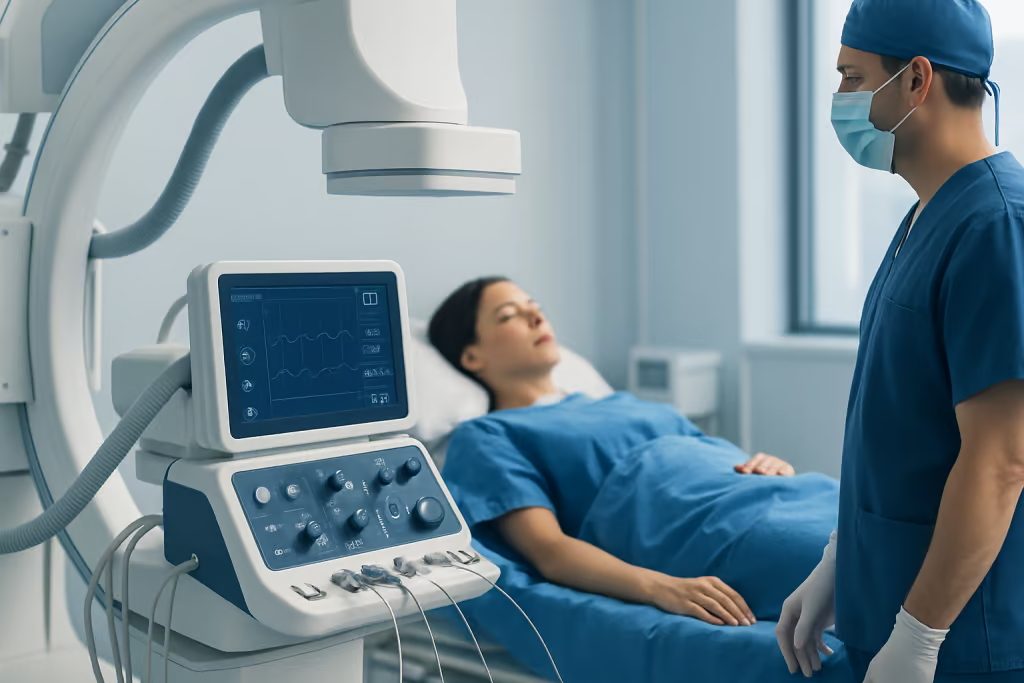
A healthcare professional may recommend an LHC when symptoms, examination findings, or noninvasive tests suggest a possible heart or blood vessel problem. It is commonly considered for ongoing or concerning chest discomfort, unexplained shortness of breath, an abnormal stress test, changes on an electrocardiogram, or reduced heart pumping function seen on an echocardiogram.
One important use is to identify or assess coronary artery disease, in which fatty deposits narrow the arteries that supply the heart muscle. Coronary angiography, often performed during the same session, uses contrast dye and X-ray images to show the inside of these arteries. This can help the cardiology team determine whether medicines, lifestyle measures, a catheter-based procedure, or surgery should be considered.
LHC may also help measure pressures in the left side of the heart and assess certain valve conditions. For example, when noninvasive imaging does not fully explain symptoms or provides conflicting results, catheter-based measurements can add useful information. The decision is individualized and considers the person’s symptoms, medical history, kidney function, allergy history, and the information expected from the test.
How the LHC Procedure Is Performed

Before the procedure, the clinical team reviews medicines, allergies, prior reactions to contrast dye, bleeding risks, and relevant health conditions. Blood tests may be arranged to check kidney function and blood counts. Patients are often asked not to eat or drink for a period beforehand, but they should follow the specific instructions provided by their hospital rather than stopping medicines on their own.
Left heart catheterization is usually carried out in a cardiac catheterization laboratory. The skin at the wrist or groin is cleaned and numbed with local anesthetic. A catheter is then introduced into an artery and advanced toward the heart under continuous X-ray guidance. Most people are awake, and medication may be given to help them relax if needed.
Once the catheter is in position, the cardiologist may measure pressures and inject contrast dye to create moving X-ray images of the coronary arteries and heart chambers. Some people notice a brief warm sensation when contrast is injected. The procedure length varies according to its purpose and whether further intervention is needed. If a narrowing requires treatment, the team discusses the appropriate next steps whenever circumstances allow.
Understanding Results and Possible Next Steps
An LHC report may describe the coronary arteries as normal, mildly narrowed, or significantly narrowed. It may also report pressure measurements, left ventricular function, and findings related to heart valves. Results should be interpreted together with symptoms, blood tests, ECG findings, echocardiography, and other imaging rather than in isolation.
If no major blockage is found, the clinician may investigate other causes of symptoms. These can include small-vessel heart disease, coronary artery spasm, valve disease, rhythm problems, lung conditions, digestive causes of chest discomfort, or anxiety-related symptoms. A normal angiogram is reassuring in many respects, but it does not mean that symptoms should be dismissed.
If coronary narrowing is identified, treatment may range from preventive medicines and risk-factor management to a catheter-based intervention or bypass surgery. The best option depends on the location and extent of disease, the heart’s pumping function, symptoms, and overall health. Patients can ask their cardiologist to explain what the images show, what degree of narrowing is present, and why a particular treatment plan is recommended.
When treatment is required, clinicians may discuss options such as coronary angiography findings, medication management, or an interventional approach. Clear communication about the expected benefits, alternatives, and possible risks supports informed decision-making.
Benefits, Risks, and Recovery After LHC
The main benefit of an LHC is that it can provide direct, detailed information about the coronary arteries and left side of the heart. In some circumstances, it can also allow diagnosis and treatment during the same visit. This may help avoid delays when a clinically important blockage is found.
Like all invasive procedures, left heart catheterization has potential risks. Minor bruising, tenderness, or a small amount of bleeding at the wrist or groin access site can occur. Less common risks include an artery injury, allergic reaction to contrast dye, kidney problems related to contrast, abnormal heart rhythm, infection, heart attack, or stroke. The care team takes precautions to reduce these risks and explains those most relevant to the individual patient.
After an uncomplicated procedure, patients are monitored while the access site is checked and vital signs are observed. Recovery instructions differ depending on whether the wrist or groin was used and whether treatment was performed. Patients may need to avoid heavy lifting or strenuous activity for a short period, drink fluids if advised, and keep the access site clean and dry.
It is important to contact the treating team promptly for increasing swelling, persistent bleeding, severe pain, numbness, coldness of the affected hand or leg, fever, or a spreading redness at the access site. The hospital should provide written aftercare instructions before discharge.
Preparing Questions for the Cardiology Team
Understanding an abbreviation such as LHC is easier when patients know why the test is being proposed. Useful questions include: What information is the procedure expected to provide? Is coronary angiography planned? Are there noninvasive alternatives? Will treatment be performed during the same procedure if a blockage is found? The answers may differ depending on the urgency of the situation.
Patients should provide a complete and current medication list, including over-the-counter medicines, supplements, anticoagulants, antiplatelet medicines, and diabetes treatments. They should also mention kidney disease, diabetes, asthma, bleeding disorders, pregnancy, and any previous reaction to contrast dye. These details help the team plan the safest possible approach.
It can be helpful to arrange transport home if sedation is used or if the hospital advises against driving after the procedure. A family member or trusted friend may also assist with remembering discharge instructions. Patients should not delay an urgent recommended assessment because of uncertainty about an abbreviation; instead, they can ask the clinical team for a plain-language explanation.
When to Seek Medical Care
Patients should seek emergency medical care for new or severe chest pressure, chest pain that spreads to the arm, jaw, back, or shoulder, sudden shortness of breath, fainting, cold sweating, or severe nausea. These symptoms can have several causes, but they may signal a heart emergency and should be assessed without delay. Emergency services should be used rather than driving oneself when symptoms are severe or persistent.
Urgent assessment is also important for sudden weakness or numbness on one side of the body, facial drooping, difficulty speaking, sudden confusion, or a sudden severe headache, as these can be warning signs of stroke. People who have recently undergone an LHC should seek prompt advice for access-site bleeding that does not stop with firm pressure, rapidly increasing swelling, or a pale, cold, or painful limb.
For nonurgent questions about an LHC appointment, report, preparation instructions, or recovery symptoms, patients can contact their cardiology team or primary care clinician. Acibadem International’s multidisciplinary specialists and JCI-accredited hospitals support international patients who need assessment and treatment for cardiovascular conditions.
Frequently asked questions
Is LHC the same as a heart catheterization?
In cardiology, LHC usually refers to left heart catheterization, which is one type of heart catheterization. The phrase “heart catheterization” can be broader and may include evaluation of the right side of the heart, the left side, or both. The procedure planned should be confirmed with the cardiology team.
Is LHC the same as coronary angiography?
They are closely related but are not exactly the same term. Left heart catheterization refers to placing a catheter to assess the left side of the heart, while coronary angiography is the imaging of the coronary arteries using contrast dye. Coronary angiography is often performed during an LHC.
Will a patient be awake during an LHC?
Most patients are awake during a left heart catheterization because local anesthetic is used at the access site. Some may receive medicine to reduce anxiety or promote comfort. The care team explains what type of sedation, if any, is planned.
How long does recovery take after a left heart catheterization?
Recovery varies according to the access site, whether treatment was performed, and the person’s overall health. Many people return home the same day after a diagnostic procedure, while others need observation or a longer stay. The treating team gives individualized guidance about activity, driving, work, and wound care.
Can LHC have a meaning other than left heart catheterization?
Yes. Medical abbreviations are not universally standardized, and LHC may have another meaning in a different specialty or document. In a cardiology note, it most often means left heart catheterization. Patients should ask the clinician or hospital staff to clarify any abbreviation they do not understand.
What should a patient tell the doctor before an LHC?
Patients should tell the doctor about all medicines, allergies, previous contrast dye reactions, kidney problems, diabetes, bleeding conditions, and pregnancy. They should not stop prescribed medicines unless a qualified clinician specifically instructs them to do so. This information helps the team reduce risks and plan appropriate care.
References
- American Heart Association
- American College of Cardiology
- National Heart, Lung, and Blood Institute
- Society for Cardiovascular Angiography and Interventions
This article is for general information only and is not a substitute for professional medical advice. Please consult a qualified doctor about your individual situation.
Heart care in Turkey — expert evaluation and treatment
JCI-accredited · board-certified surgeons · reply within 24h
Add us as a Preferred Source to see more of our trusted health content across Google Search, AI Overviews and Discover.