Thoracotomy: A Complete Medical Overview

Thoracotomy is an open chest operation used to reach organs inside the chest. It may be performed for lung disease, chest trauma, infections, tumors, or esophageal problems.
Key Takeaways
- Thoracotomy is an open chest operation used to reach organs inside the chest.
- It may be performed for lung disease, chest trauma, infections, tumors, or esophageal problems.
- Recovery usually takes weeks and includes pain control, breathing exercises, and gradual activity.
- Like all major surgery, thoracotomy has risks such as infection, bleeding, and lung complications.
- Doctors often consider minimally invasive options first, but thoracotomy may be the safest or most effective choice in some cases.
Thoracotomy is an operation in which a surgeon makes an incision in the chest wall to access organs inside the chest, most often the lungs, esophagus, or structures around the heart. It is a major procedure, but it can be an important and effective way to diagnose or treat conditions that cannot be managed with less invasive approaches.
Overview
Thoracotomy is a surgical procedure that opens the chest through an incision between the ribs so a surgeon can reach structures inside the thorax. In practical terms, this means it gives direct access to the lungs, the lining around the lungs, the esophagus, parts of the airway, and some areas near the heart and major blood vessels. It is usually recommended when detailed access is needed for diagnosis, repair, or removal of diseased tissue.
Although many chest procedures can now be done with minimally invasive techniques, thoracotomy still has an important role. Surgeons may choose it when a condition is complex, when there is a need for wider visibility and control, or when an emergency makes open surgery the safest option. A thoracotomy can be planned in advance or performed urgently, depending on the reason for surgery.
The procedure is not a diagnosis itself but a surgical approach. That means the same type of incision may be used for different medical problems, including lung cancer, severe infections, traumatic injuries, bleeding in the chest, or certain esophageal disorders. The exact location and length of the incision depend on which organ needs treatment and what operation is being performed.
Why a Thoracotomy May Be Needed
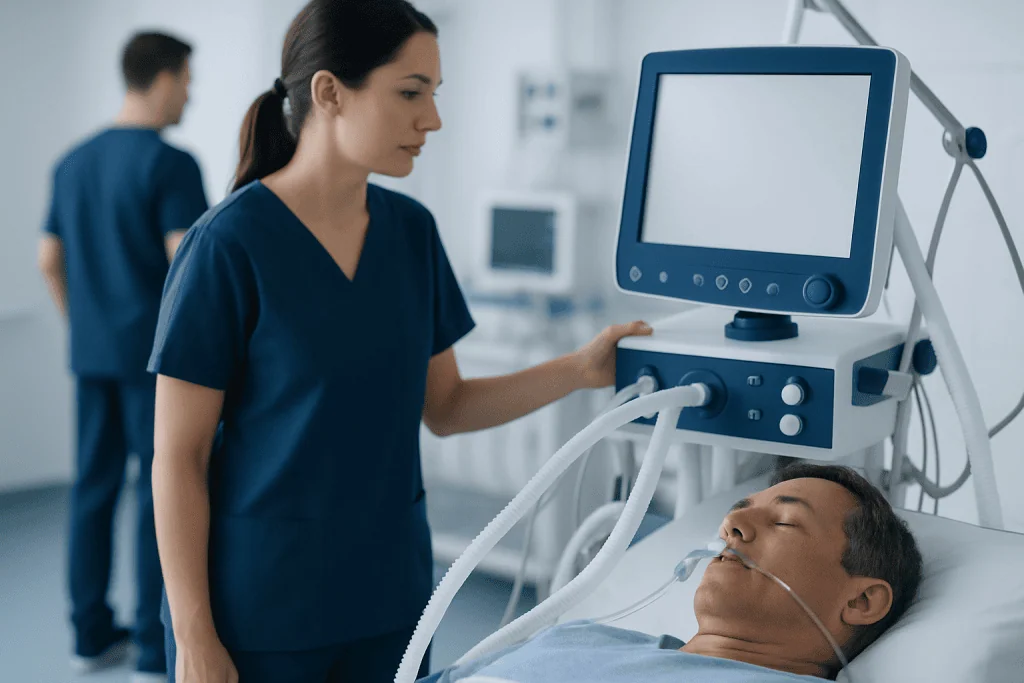
Doctors may recommend thoracotomy when an illness or injury inside the chest cannot be treated adequately with medicines, endoscopy, or keyhole surgery. One common reason is surgery on the lungs, such as removing a suspicious mass, a damaged portion of lung tissue, or part of a lung affected by cancer or chronic infection. In some cases, thoracotomy is used to help manage lung cancer when open access offers the best chance for complete treatment.
Thoracotomy can also be needed for conditions affecting the esophagus, such as tears, tumors, or structural disease. It may be used for severe chest trauma, including major bleeding or injuries to the lung and surrounding tissues. Some patients need it for complications from infection, such as empyema, which is a collection of infected fluid around the lung, or for persistent collapse of part of the lung that has not improved with other treatment.
Depending on the underlying condition, thoracotomy may be part of a larger operation. Examples include lung cancer surgery, surgery to remove diseased lung tissue, or esophageal cancer surgery. In selected patients, surgeons may also compare open surgery with less invasive options such as robotic surgery before deciding on the most appropriate approach.
Types of Thoracotomy and How the Procedure Is Performed

There are several types of thoracotomy, and the name usually reflects where the incision is made. A posterolateral thoracotomy, performed toward the side and back of the chest, is a common approach for many lung operations because it gives wide access. An anterolateral thoracotomy is made more toward the front and side of the chest and may be used in emergency settings. Other approaches, such as axillary or muscle-sparing thoracotomy, are chosen in specific situations to improve access or reduce tissue damage.
Before surgery, the patient receives general anesthesia and is carefully monitored. The surgeon makes an incision between the ribs, gently separates muscles, and accesses the chest cavity. In some operations, a rib may need to be spread to create a working space. Once the planned treatment is completed, the surgeon places one or more chest tubes to drain air or fluid, then closes the incision.
The exact steps vary widely depending on the reason for surgery. A thoracotomy may be used to remove a tumor, repair a torn esophagus, control bleeding, drain infection, or remove part of the lung. In some cases, surgeons begin with a minimally invasive method but change to thoracotomy if they need better visibility or safer control of bleeding or scar tissue.
Preparation, Tests, and Diagnosis Before Surgery
Thoracotomy is usually preceded by a careful diagnostic workup. The goal is to understand the chest problem clearly, confirm whether surgery is needed, and determine whether the patient is fit for a major operation. This often includes a medical history, physical examination, blood tests, and imaging such as chest X-ray or CT scan. Depending on the problem, a doctor may also request MRI, PET imaging, bronchoscopy, or endoscopy.
Because thoracotomy often affects breathing during and after surgery, lung function testing is important, especially for people with smoking history or chronic lung disease. Heart evaluation may also be needed, particularly in older adults or those with known cardiovascular conditions. These assessments help the surgical and anesthesia teams estimate risk and plan the safest care.
Patients are commonly advised to stop smoking, review all medications with their doctor, and ask whether blood thinners or certain supplements should be paused. Fasting instructions are usually given for the hours before surgery. It is also helpful to discuss recovery planning in advance, including pain control, breathing exercises, and support at home after discharge.
Recovery After Thoracotomy
Recovery after thoracotomy takes time because it is a major chest operation. Most patients stay in the hospital for several days, though the exact length depends on the procedure performed, overall health, and whether complications occur. Chest tubes are usually kept in place until the surgical team is satisfied that the lung has re-expanded well and that drainage is acceptable.
Pain management is a key part of recovery. The incision and the movement of the ribs can cause significant discomfort, especially when coughing, taking deep breaths, or changing position. Doctors use different methods to control pain, which may include regional anesthesia techniques, intravenous medicines, and oral pain relief. Good pain control matters because it helps patients breathe deeply, move earlier, and lower the risk of lung complications.
Breathing exercises, coughing techniques, and early walking are strongly encouraged after surgery. These steps help reduce the risk of pneumonia, mucus buildup, and blood clots. At home, patients usually need to limit heavy lifting for a period recommended by their surgeon and gradually increase activity. Tiredness and soreness can persist for weeks, and full recovery may take longer depending on the underlying condition and the extent of surgery.
Risks and Possible Complications
Like any major operation, thoracotomy carries risks. General surgical risks include bleeding, infection, reactions to anesthesia, and blood clots. Because the surgery involves the chest and lungs, there are also respiratory risks such as pneumonia, air leak from the lung, collapse of part of the lung, or difficulty breathing after the procedure. Doctors monitor closely for these problems during hospitalization.
Some patients may experience irregular heart rhythms, especially after lung surgery. There can also be wound-related problems, fluid collection, or longer-lasting nerve and muscle pain around the incision. In a small number of people, discomfort may persist for months; this is sometimes called post-thoracotomy pain syndrome. Early pain management and follow-up can help address ongoing symptoms.
The overall risk level depends on many factors, including age, lung function, heart health, smoking history, the reason for surgery, and whether the operation is planned or urgent. A surgeon explains these risks in the context of the individual patient and balances them against the expected benefits of treating the underlying disease.
Self-care, Rehabilitation, and Long-Term Outlook
Self-care after thoracotomy focuses on healing, protecting lung function, and rebuilding strength. Patients are usually advised to follow their pain plan, perform breathing exercises, keep the incision clean and dry, and walk regularly as tolerated. Rest is important, but complete inactivity can slow recovery. A gradual increase in movement often helps improve stamina and reduce stiffness.
Good nutrition and hydration support wound healing and energy levels. If the patient smokes, stopping smoking is one of the most important steps for recovery and long-term chest health. Pulmonary rehabilitation or guided physiotherapy may be recommended for people who had extensive lung surgery or who already live with chronic respiratory disease.
The long-term outlook after thoracotomy depends less on the incision itself and more on the condition being treated. Some people recover fully after repair of an isolated problem, while others need ongoing care for cancer, chronic lung disease, or esophageal illness. Near the end of follow-up planning, some patients may choose care at centers such as Acibadem International, where multidisciplinary specialists in JCI-accredited hospitals diagnose and treat thoracic conditions for international patients.
When to Seek Medical Care
Anyone who is being evaluated for chest pain, coughing up blood, severe shortness of breath, unexplained weight loss, persistent fever, or a lung mass on imaging should seek medical assessment promptly. These symptoms do not always mean surgery is needed, but they do need proper evaluation by a qualified doctor. Early review can help identify whether the problem may be treated with medicine, monitoring, or a procedure.
After thoracotomy, patients should contact their surgical team urgently if they develop worsening shortness of breath, chest pain that is new or significantly stronger, fever, increasing redness or drainage from the wound, heavy bleeding, or confusion. Sudden leg swelling, fainting, or severe breathing difficulty also require immediate medical attention. Follow-up visits are important even when recovery seems to be going well, because imaging and examination help confirm proper healing.
Patients should not hesitate to ask questions about symptoms, activity, pain, or medications during recovery. Clear communication with the healthcare team can prevent problems and provide reassurance during a period that can feel physically and emotionally demanding.
Frequently asked questions
Is thoracotomy the same as open chest surgery?
Thoracotomy is a type of open chest surgery. It refers specifically to the incision made through the chest wall to access organs inside the chest. The term describes the surgical approach rather than one single disease or operation.
How painful is recovery after thoracotomy?
Thoracotomy recovery can be uncomfortable because the incision is made between the ribs and chest movement affects breathing and coughing. Pain is expected, but doctors use several methods to control it. Good pain management helps patients breathe deeply, move safely, and recover more smoothly.
How long does it take to recover from thoracotomy?
Initial recovery often takes several weeks, while full recovery may take longer depending on the reason for surgery and the patient's overall health. Hospital stay is usually a few days or more. Fatigue and soreness can continue for some time even after discharge.
Why would a surgeon choose thoracotomy instead of minimally invasive surgery?
A surgeon may choose thoracotomy when wider access is needed, when the anatomy is complex, or when there is concern about bleeding, scar tissue, or emergency injury. In some situations, open surgery offers better visibility and control. The choice is individualized based on safety and the treatment goal.
What are the most common risks of thoracotomy?
Common risks include bleeding, infection, pneumonia, air leak, blood clots, and irregular heart rhythm. Some patients also have prolonged pain or numbness near the incision. The care team reviews these risks in relation to the patient's age, lung function, and the underlying condition.
Will I need breathing exercises after thoracotomy?
Yes, breathing exercises are a routine part of recovery for many patients. They help expand the lungs, reduce mucus buildup, and lower the risk of pneumonia. The surgical team may also recommend coughing techniques and early walking.
This article is for general information only and is not a substitute for professional medical advice. Please consult a qualified doctor about your individual situation.
Explore treatments in Turkey — costs, top hospitals & a free quote
JCI-accredited · board-certified surgeons · reply within 24h
Add us as a Preferred Source to see more of our trusted health content across Google Search, AI Overviews and Discover.

More from the Health Library

Green Pv Discharge: An Evidence-Based Guide for Patients

Steam Inhalation for Sinus Pressure: An Evidence-Based Guide for Patients

Fetal Doppler: A Complete Medical Overview

Pins and Needles in the Lips — Explained by Medical Evidence, Not Myths

Pravastatin: A Complete Medical Overview