My Poop Is Too Big to Come Out and Hurts: What Patients Need to Know

Large, painful stool is most often related to constipation or stool that has become dry and hard. Straining forcefully can worsen pain and may lead to hemorrhoids or anal fissures.
Key Takeaways
- Large, painful stool is most often related to constipation or stool that has become dry and hard.
- Straining forcefully can worsen pain and may lead to hemorrhoids or anal fissures.
- Gentle self-care may help, but symptoms that are severe, ongoing, or paired with warning signs should be assessed by a doctor.
- Fecal impaction can develop when stool becomes stuck and may require medical treatment.
- Long-term prevention usually focuses on fluids, fiber, regular toilet habits, activity, and addressing underlying causes.
If stool feels too large and painful to pass, the most common reason is constipation with hard, dry stool in the rectum. Many cases improve with hydration, fiber, movement, and appropriate medical advice, but severe pain, bleeding, vomiting, or inability to pass stool may need prompt evaluation.
Overview: Why stool can feel too big and painful to pass
When someone says, “my poop is too big to come out and hurts,” the usual explanation is that the stool has stayed in the bowel long enough to become dry, firm, and difficult to pass. As the rectum stretches, the bowel movement can feel unusually large, and straining may cause sharp pain, pressure, or a tearing sensation around the anus.
This problem is commonly linked to constipation, but it can also happen with changes in diet, dehydration, some medicines, pelvic floor problems, pregnancy, or limited physical activity. In some people, stool may become stuck in the rectum, a condition called fecal impaction, which can make passing stool extremely uncomfortable or impossible without treatment.
Although this symptom is usually not an emergency, it should not be ignored if it keeps happening. Ongoing painful bowel movements can lead to a cycle of fear, stool-holding, and worsening constipation. In some cases, anal fissures, hemorrhoids, or an underlying digestive condition may be contributing to the problem.
What it can feel like: common symptoms and related signs
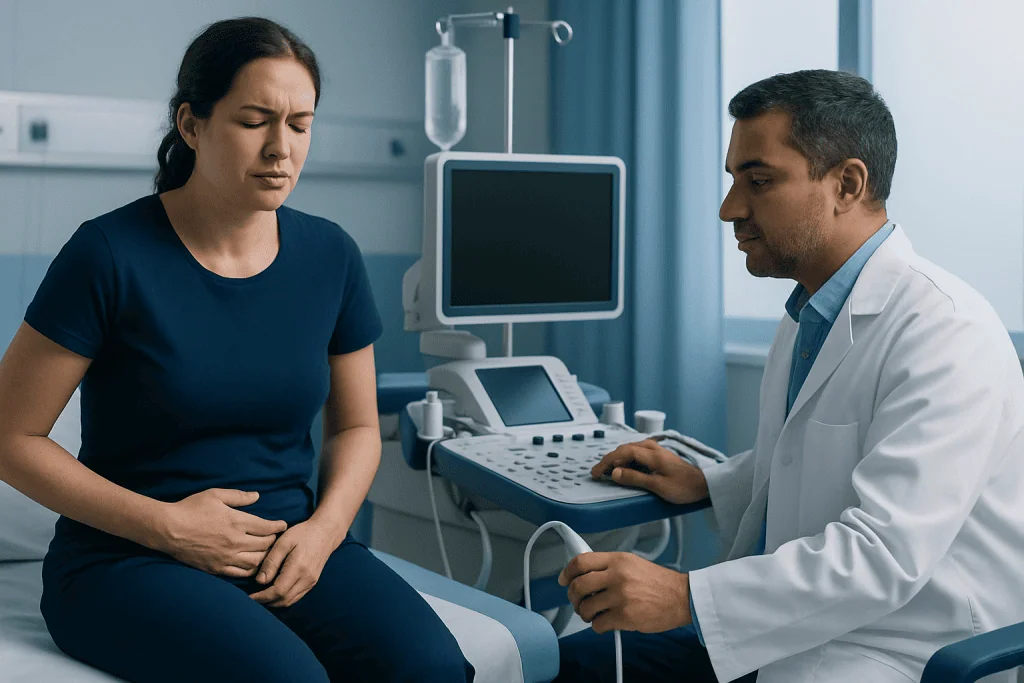
The most noticeable symptom is a bowel movement that feels very large, hard, or stuck, often with pain during pushing. Some people describe cramping, rectal pressure, bloating, a sense of incomplete emptying, or the feeling that stool is right there but will not come out.
Pain may come from stretching of the rectum, forceful straining, or small tears in the anal lining. Bright red blood on toilet paper can happen with an anal fissure or irritated hemorrhoids, though any bleeding should be discussed with a clinician, especially if it is recurrent, heavy, or mixed into the stool.
Other signs that may occur with constipation include fewer bowel movements than usual, pellet-like stool, abdominal discomfort, reduced appetite, or nausea. If stool is severely backed up, a person may even pass only small amounts of liquid stool around the blockage, which can be confusing because it may not seem like constipation.
- Hard, dry, or very large stool
- Pain or burning during a bowel movement
- Strong straining with little result
- Rectal pressure or a blocked feeling
- Bloating or abdominal fullness
- Minor bleeding from irritation or a fissure
Why this happens: causes and risk factors

The most common cause is constipation. Stool becomes harder when it remains in the colon too long, because the body continues to absorb water from it. Low fluid intake, not eating enough fiber, delaying bowel movements, and inactivity all make this more likely.
Some medicines can also slow the bowel or dry out stool. Examples include certain pain medicines, iron supplements, some antacids, and some medicines used for mood disorders or allergies. Hormonal changes, pregnancy, and aging may contribute as well. Children and older adults are especially prone to stool withholding and constipation-related pain.
Sometimes the issue is not just hard stool, but difficulty coordinating the muscles used for defecation. Pelvic floor dysfunction can make a person strain even when stool is soft enough. Structural and digestive problems may also play a role, including constipation, irritable bowel syndrome, or less commonly bowel narrowing and other gastrointestinal disease.
Repeated painful bowel movements may also signal an anal fissure, where pain causes a person to avoid passing stool, which then becomes even larger and harder. This cycle can be difficult to break without treating both the constipation and the pain source.
What to do safely at home
If a person feels stool is too large to pass, the safest first step is usually to avoid forceful straining. Prolonged pushing can increase pain and may worsen hemorrhoids, cause dizziness, or aggravate a fissure. It often helps to sit on the toilet without rushing, breathe slowly, and allow time for the bowels to relax.
Hydration can help if dehydration is contributing, and warm fluids may stimulate the bowel in some people. Gentle movement, such as walking, may support natural bowel activity. Some people find that placing the feet on a small stool changes the angle of the rectum and makes passage easier.
Depending on a clinician’s advice and individual health needs, short-term measures may include a stool softener, an osmotic laxative, or a rectal treatment such as a suppository or enema. These options are not right for everyone, especially people with certain bowel diseases, kidney problems, severe pain, or recent surgery, so it is wise to seek guidance if there is any uncertainty.
It is generally best not to repeatedly use stimulant laxatives without medical advice. Frequent use may mask an underlying problem and can lead to dependence on laxatives in some situations. Manual removal at home should also be approached with caution, as it can cause injury or be unsafe for some people.
When it may be fecal impaction or another medical problem
Fecal impaction means a large mass of stool has become stuck, usually in the rectum or lower colon. This can cause severe pressure, inability to pass a bowel movement, and ongoing discomfort. Some people still pass small amounts of watery stool, which leaks around the blockage and can be mistaken for diarrhea.
Doctors consider fecal impaction more likely when constipation has lasted several days or longer, there is a persistent urge to go without success, or the abdomen becomes swollen and uncomfortable. Older adults, people with limited mobility, and those using certain medications are at higher risk.
Other problems can sometimes mimic severe constipation. Significant bleeding, persistent abdominal pain, unexplained weight loss, vomiting, fever, or a sudden major change in bowel habits deserve medical assessment. In selected cases, doctors may evaluate for hemorrhoids, fissures, bowel inflammation, or another gastrointestinal condition using tests such as colonoscopy when appropriate.
How doctors diagnose and treat the problem
Diagnosis usually begins with a detailed history. A doctor asks about stool frequency, stool consistency, pain, bleeding, medicines, diet, fluid intake, and whether the problem is new or long-standing. A physical exam may include an abdominal examination and, when needed, a rectal exam to check for hard stool, fissures, hemorrhoids, or signs of impaction.
Treatment depends on the cause and severity. For straightforward constipation, doctors often recommend hydration, dietary changes, a regular toilet routine, and medicines that soften stool or help the bowel retain water. If stool is impacted, treatment may involve suppositories, enemas, or supervised removal. If pain is related to tearing or hemorrhoids, treatment may also focus on the anal area while preventing further hard stools.
When symptoms keep returning, clinicians may investigate whether there is an underlying bowel disorder, medication effect, or pelvic floor issue. Some patients benefit from specialist evaluation in gastroenterology or tests that assess bowel function. If symptoms are tied to chronic or complicated bowel disease, evaluation and treatment may involve general surgery or other specialties depending on the findings.
Near the end of the evaluation process, what matters most is identifying the reason the stool became difficult to pass in the first place. At Acibadem International, multidisciplinary specialists in JCI-accredited hospitals evaluate digestive complaints for international patients and guide treatment according to the individual cause.
Prevention and self-care for future bowel movements
Prevention usually focuses on making stool softer and easier to pass on a regular basis. For many people, this means drinking enough fluids, increasing fiber gradually through foods such as fruits, vegetables, legumes, and whole grains, and staying physically active. Sudden large increases in fiber can cause bloating, so changes are often best made slowly.
Healthy toilet habits also matter. Responding to the urge to have a bowel movement, setting aside unhurried time, and avoiding long periods of sitting and straining can reduce the risk of hard stool. Some people benefit from a consistent routine, such as trying after breakfast or another meal when the colon is naturally more active.
If constipation is frequent, it is helpful to review medicines and supplements with a doctor. Long-term self-treatment without finding the cause may delay care for issues such as hemorrhoids or an anal fissure. Recurrent symptoms should be assessed so prevention can be tailored safely and effectively.
When to seek medical care
Medical care is appropriate if large, painful stools keep happening, if over-the-counter measures are not helping, or if there is ongoing fear of bowel movements because of pain. A doctor should also review constipation that is new, worsening, or associated with weight loss, fatigue, or a marked change in normal bowel habits.
Urgent assessment is important if a person cannot pass stool or gas, has severe abdominal pain, repeated vomiting, a swollen abdomen, heavy rectal bleeding, black stools, fever, or signs of dehydration. These symptoms may point to a blockage, severe impaction, or another condition that needs prompt medical attention.
Infants, young children, older adults, pregnant people, and anyone with significant medical conditions should seek advice earlier rather than later. These groups can become uncomfortable or dehydrated more quickly, and treatment needs to be chosen carefully.
Frequently asked questions
What does it mean if my poop is too big to come out and hurts?
It most often means stool has become hard, dry, and difficult to pass because of constipation. Pain may come from stretching of the rectum, straining, hemorrhoids, or a small tear called an anal fissure.
Should a person keep pushing if stool feels stuck?
Forceful straining is usually not helpful and can make pain worse. It is better to pause, relax, hydrate, and seek medical advice if the stool still will not pass or symptoms are severe.
Can this be a sign of fecal impaction?
Yes. Fecal impaction happens when stool becomes stuck in the rectum or lower bowel and may cause severe pressure, inability to pass stool, or leakage of watery stool around the blockage. It may need medical treatment rather than home remedies alone.
Is bleeding normal with a painful bowel movement?
A small amount of bright red blood can happen with hemorrhoids or an anal fissure after passing hard stool. However, repeated, heavy, or unexplained bleeding should always be discussed with a doctor.
What can help prevent very large, painful stools in the future?
Prevention usually includes enough fluid, gradual increases in fiber, regular physical activity, and not ignoring the urge to have a bowel movement. A doctor may also review medications or recommend treatment if constipation is frequent.
When should someone see a doctor right away?
Prompt medical care is important for severe abdominal pain, vomiting, a swollen belly, inability to pass stool or gas, heavy bleeding, black stools, or fever. These symptoms may suggest a serious blockage, severe impaction, or another condition that needs urgent attention.
This article is for general information only and is not a substitute for professional medical advice. Please consult a qualified doctor about your individual situation.
Persistent digestive symptoms? Get evaluated in Turkey
JCI-accredited · board-certified surgeons · reply within 24h
Add us as a Preferred Source to see more of our trusted health content across Google Search, AI Overviews and Discover.

More from the Health Library
Professional Teeth Whitening: What Patients Need to Know

Acupressure Mat: An Evidence-Based Guide for Patients

Bismuth Subsalicylate: An Evidence-Based Guide for Patients

Tinea Versicolor: What Patients Need to Know

Ovaltine: What Patients Need to Know