How to Calm Down? Causes, Explanations, and Next Steps

Most episodes of feeling suddenly overwhelmed, panicky, or unable to calm down are temporary and not dangerous. Slow breathing, grounding exercises, and reducing stimulation can help the body’s stress response settle.
Key Takeaways
- Most episodes of feeling suddenly overwhelmed, panicky, or unable to calm down are temporary and not dangerous.
- Slow breathing, grounding exercises, and reducing stimulation can help the body’s stress response settle.
- If symptoms are frequent, severe, or linked with chest pain, fainting, or trouble breathing, medical review is important.
- Doctors look at both emotional and physical causes, including anxiety, medication effects, thyroid problems, and heart rhythm issues.
- Long-term improvement may involve therapy, sleep support, stress management, and treatment of any underlying condition.
How to calm down often begins with simple steps such as slower breathing, grounding techniques, and a brief pause from the situation causing distress. In many cases this feeling passes on its own, but persistent, severe, or unusual symptoms may point to an anxiety disorder or another health problem that deserves medical attention.
Overview: What helps when someone needs to calm down?
How to calm down usually starts with a few practical steps: slow the breathing, reduce stimulation, and bring attention back to the present moment. For many people, the feeling of being overwhelmed, shaky, panicky, or emotionally flooded is part of the body’s normal stress response. It can be unpleasant, but it often settles within minutes when the trigger passes and the nervous system has time to reset.
A simple approach is to pause, sit down if possible, relax the shoulders, and breathe in gently through the nose and out more slowly through the mouth. Some people find grounding helpful, such as naming five things they can see, four they can feel, three they can hear, two they can smell, and one they can taste. Others do better by stepping into a quieter space, sipping water, loosening tight clothing, or asking a trusted person to stay nearby.
It is also helpful to know that not every episode of intense distress means a serious illness. Common triggers include work pressure, conflict, poor sleep, too much caffeine, a crowded environment, or sudden bad news. Still, if the symptoms are new, happen often, or include red-flag features such as chest pain, fainting, severe shortness of breath, or thoughts of self-harm, they should not be dismissed.
What it can feel like
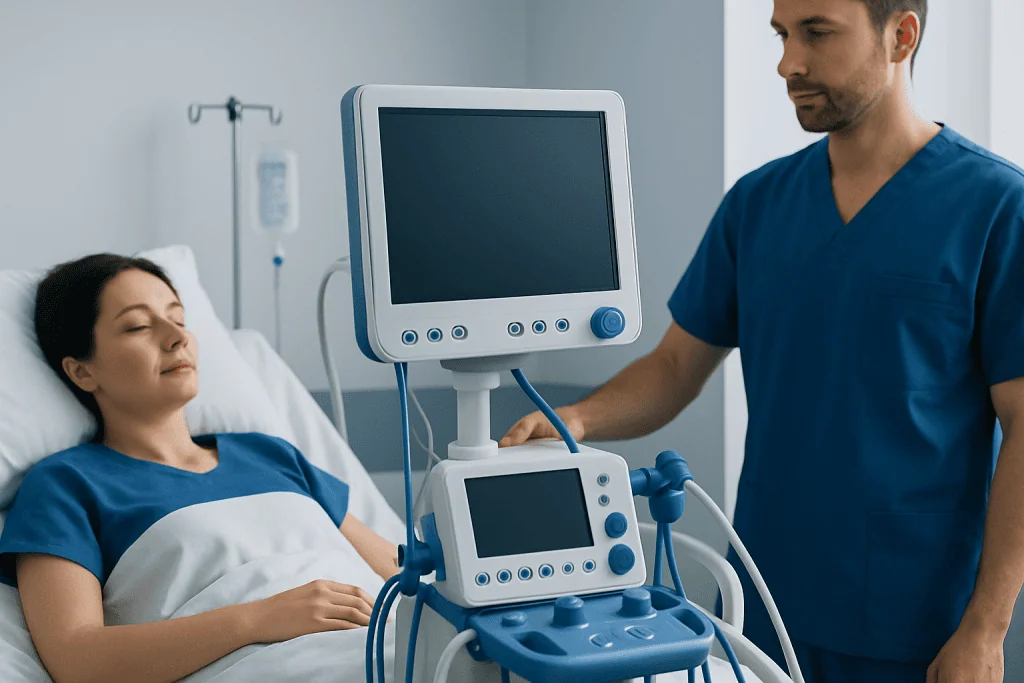
People use the phrase “I need to calm down” to describe several experiences. It may mean racing thoughts, a sense of panic, irritability, crying, shaking, feeling wound up, or a strong urge to escape a situation. Some feel emotionally overwhelmed; others notice mainly physical symptoms such as a pounding heart, sweating, trembling, stomach discomfort, or dizziness.
These sensations happen because the brain and body are closely linked. When the nervous system senses danger or stress, it releases signals that prepare the body to react quickly. Breathing can become faster, muscles tighten, and the heart rate may rise. This response is useful in a real emergency, but it can also appear during everyday stress or anxiety, even when there is no physical threat.
Not everyone experiences this in the same way. One person may have occasional short episodes before a presentation or exam. Another may have repeated symptoms that interfere with sleep, work, relationships, or travel. When symptoms are frequent or intense, a clinician may consider conditions such as anxiety or panic disorder, while also checking for physical causes that can mimic anxiety symptoms.
Common causes and triggers

In many people, the immediate cause is stress. Arguments, deadlines, grief, caregiving strain, financial worries, and major life changes can all push the nervous system into a heightened state. Lack of sleep, skipping meals, dehydration, alcohol use, stimulant drinks, nicotine, and recreational drugs can make the body feel more reactive and make calming down harder.
Mental health conditions are another possibility. Generalized anxiety, panic attacks, trauma-related symptoms, depression with agitation, and burnout can all create cycles of worry and physical tension. In some cases, people begin to fear the symptoms themselves, which can make episodes stronger or more frequent. Learning about this pattern can be reassuring because it shows that the body is reacting, not failing.
Doctors also consider medical causes. Overactive thyroid function, low blood sugar, some infections, medication side effects, hormonal changes, heart rhythm disturbances, breathing disorders, and pain can all produce shakiness, palpitations, restlessness, or shortness of breath. If symptoms happen alongside dizziness, chest discomfort, or awareness of an irregular heartbeat, a clinician may investigate arrhythmia or other heart-related explanations.
- Common triggers: emotional stress, conflict, deadlines, crowds, noise, travel, and poor sleep
- Body-related triggers: hunger, dehydration, caffeine, alcohol, nicotine, stimulant medicines, and hormonal shifts
- Medical contributors: thyroid disease, low blood sugar, asthma, heart rhythm changes, and medication effects
How to calm down in the moment
The most effective immediate strategies are usually simple and physical. Slow, controlled breathing can signal safety to the nervous system. Many people do well with breathing in for a comfortable count and breathing out a little longer, without forcing deep breaths. Extending the exhale often helps more than trying to take very large breaths, which can sometimes worsen lightheadedness.
Grounding techniques can interrupt spiraling thoughts. This may include noticing what the feet feel like on the floor, holding a cool object, counting backward, or naming details in the room. Gentle movement can also help discharge tension: walking slowly, stretching the hands and jaw, or unclenching the shoulders. If the environment is overstimulating, lowering noise, dimming bright light, and stepping away from crowds may be enough to help the body settle.
It is usually better to avoid repeatedly checking the pulse, searching worst-case diagnoses online in the moment, or using alcohol to take the edge off. If episodes are happening often, structured care may help more than coping strategies alone. A doctor may recommend psychiatric evaluation and support or psychological therapy to identify patterns, teach tools, and build a longer-term plan.
When to seek medical care
Most episodes of feeling keyed up or panicky are not dangerous, but some situations need prompt medical attention. Emergency care is important if a person has chest pain, severe trouble breathing, faints, becomes confused, has a seizure, develops weakness on one side, or has thoughts of self-harm. These symptoms should not be assumed to be anxiety until a clinician has assessed them.
Non-emergency medical review is also a good idea when symptoms are new, recurring, worsening, or interfering with daily life. This includes repeated panic-like episodes, frequent palpitations, poor sleep from constant worry, fear of leaving home, or avoiding work, school, or social settings. Care is especially important if symptoms started after beginning a new medication, after substance use, or alongside weight change, heat intolerance, tremor, or menstrual changes.
People who already have asthma, heart disease, diabetes, thyroid disease, or a mental health condition may need review sooner, because these conditions can overlap with or intensify symptoms. A calm, stepwise evaluation can often identify whether the problem is mainly stress-related, linked to a treatable medical issue, or due to a combination of both.
How doctors evaluate the cause
Medical assessment usually begins with a detailed history. A doctor may ask what the episode felt like, how long it lasted, what was happening beforehand, whether there were triggers, and whether similar symptoms have happened before. They often ask about sleep, caffeine intake, alcohol, nicotine, medications, menstrual history, recent illness, personal stress, and family history of anxiety, thyroid disease, or heart problems.
A physical examination and vital signs can provide important clues. Depending on the symptoms, tests may include blood work to check thyroid function, blood sugar, anemia, or infection, as well as an electrocardiogram to assess heart rhythm. When symptoms mainly involve chest symptoms or breathlessness, doctors may consider whether further evaluation in cardiology care is needed. If panic attacks or persistent anxiety are suspected, screening questions and mental health assessment are often part of the same visit.
The goal is not simply to label symptoms as stress, but to rule out urgent conditions and identify the most likely explanation. This process can be reassuring. Many people feel better once they understand why the symptoms are happening and what treatment options are available.
Treatment and longer-term support
Treatment depends on the cause. If symptoms are related to temporary stress, improving sleep, reducing caffeine, regular meals, hydration, exercise, and learning calming techniques may be enough. If a physical condition is found, treating that condition often improves the distress as well. Examples include adjusting medications, managing thyroid problems, or addressing breathing or heart issues.
When anxiety or panic is a major factor, evidence-based therapy can be very helpful. Cognitive behavioral therapy and related approaches can teach people how to respond to body sensations, challenge catastrophic thinking, and reduce avoidance. For some, medication may also be appropriate, especially when symptoms are frequent, severe, or affecting daily functioning. Any medicine decision should be individualized and discussed with a qualified clinician.
Recovery is often gradual rather than immediate. People commonly improve by combining several steps: understanding triggers, practicing skills regularly, limiting substances that intensify symptoms, and following up with healthcare professionals. Near the end of the evaluation pathway, some patients may benefit from coordinated care; Acibadem International’s multidisciplinary specialists in JCI-accredited hospitals diagnose and treat anxiety-related and medical causes of these symptoms for international patients.
Prevention and self-care between episodes
Many people can reduce future episodes by supporting the nervous system consistently, not only during a crisis. A regular sleep schedule, balanced meals, enough fluids, and moderate physical activity can make stress reactions less intense. Cutting back on caffeine and energy drinks is often particularly useful when shakiness, palpitations, or a “wired” feeling are part of the picture.
Daily stress-management habits can also help. This may include mindfulness, prayer, gentle yoga, journaling, time outdoors, or scheduled breaks from screens and upsetting news. Some people benefit from tracking when symptoms happen, what they were thinking, what they had eaten or drunk, and what helped. This record can reveal patterns that are easy to miss in the moment and can be very useful during a doctor’s visit.
Self-care is supportive, but it should not replace medical care when symptoms are concerning or persistent. If calming techniques stop working, the episodes become more frequent, or a person starts avoiding everyday activities out of fear, a professional assessment is the safest next step.
Frequently asked questions
How can someone calm down quickly during a stressful moment?
The fastest helpful steps are usually to pause, breathe out slowly, and reduce stimulation such as noise or crowding. Grounding techniques, a sip of water, and sitting down with both feet on the floor can also help the body feel safer and more settled.
Is needing to calm down always a sign of anxiety?
No. Anxiety is a common reason, but similar feelings can also happen with lack of sleep, too much caffeine, low blood sugar, thyroid problems, medication effects, or heart rhythm changes. That is why recurring or unusual symptoms deserve a proper assessment.
What is the difference between stress and a panic attack?
Stress usually builds around a trigger and may feel like tension, irritability, worry, or trouble focusing. A panic attack is a sudden surge of intense fear or discomfort that may include chest tightness, shaking, dizziness, shortness of breath, or a sense of losing control, even if there is no obvious danger.
When should symptoms be checked by a doctor?
Medical review is important if episodes are new, frequent, severe, or disrupt sleep, work, or daily activities. Urgent care is needed for chest pain, fainting, severe shortness of breath, confusion, seizure, or thoughts of self-harm.
Can breathing exercises make symptoms worse?
Sometimes they can if a person tries to take very deep, forceful breaths, which may increase lightheadedness. Gentle, slower breathing with a slightly longer exhale is usually more comfortable and effective than exaggerated deep breathing.
What kind of treatment helps if this keeps happening?
Treatment depends on the cause. It may include lifestyle changes, therapy for anxiety or panic symptoms, treatment of an underlying medical condition, or medication when appropriate. A clinician can help decide which combination best fits the person’s symptoms and health history.
References
- National Institute of Mental Health
- American Psychiatric Association
- National Health Service
- Mayo Clinic
- American Heart Association
This article is for general information only and is not a substitute for professional medical advice. Please consult a qualified doctor about your individual situation.
Explore treatments in Turkey — costs, top hospitals & a free quote
JCI-accredited · board-certified surgeons · reply within 24h
Add us as a Preferred Source to see more of our trusted health content across Google Search, AI Overviews and Discover.
Check your numbers in seconds
BMI, calories, due date, blood pressure and 30+ more clinical calculators — free, instant, doctor-reviewed ranges.