How Can I Get Rid of Cramps From Period? Causes, Explanations, and Next Steps
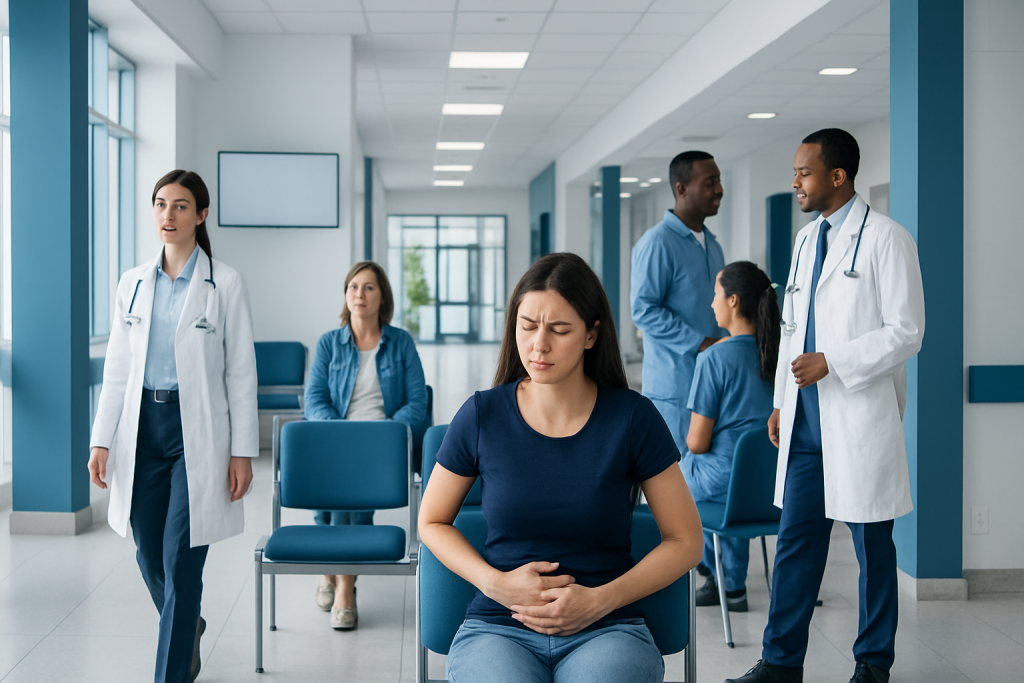
Most period cramps are common and can often be managed at home. Heat, gentle exercise, hydration, and anti-inflammatory pain relievers may reduce cramping.
Key Takeaways
- Most period cramps are common and can often be managed at home.
- Heat, gentle exercise, hydration, and anti-inflammatory pain relievers may reduce cramping.
- Severe, worsening, or unusual period pain can point to conditions such as endometriosis or fibroids.
- Doctors diagnose troublesome period cramps by reviewing symptoms, doing a pelvic exam when needed, and sometimes using ultrasound or other tests.
- Treatment depends on the cause and may include lifestyle measures, medicines, hormonal treatment, or targeted procedures.
How can I get rid of cramps from period? For many people, period cramps improve with heat, rest, light activity, and over-the-counter pain relief, and they are often harmless. However, very severe pain, new symptoms, or pain that disrupts daily life deserves medical review to rule out an underlying condition.
Overview: what helps period cramps and when to worry
If someone asks, “how can I get rid of cramps from period,” the short answer is that many people feel better with a heating pad, gentle movement, enough fluids, rest, and commonly used pain relievers such as nonsteroidal anti-inflammatory drugs when these are appropriate for them. Period cramps are very common, especially in the first day or two of bleeding, and in many cases they are not a sign of a serious problem.
Still, not all menstrual pain is the same. A doctor should assess cramps that are suddenly much worse than usual, continue outside the menstrual period, start for the first time later in adulthood, or come with heavy bleeding, fever, fainting, pain during sex, or trouble with daily activities. These features can suggest a condition that needs treatment rather than routine self-care alone.
A helpful way to think about period cramps is to separate common cramping from warning signs. Mild to moderate lower abdominal pain that improves with simple measures is often due to normal uterine contractions. Pain that is intense, persistent, or changing over time deserves a closer look so the cause can be identified and treated appropriately.
What period cramps feel like
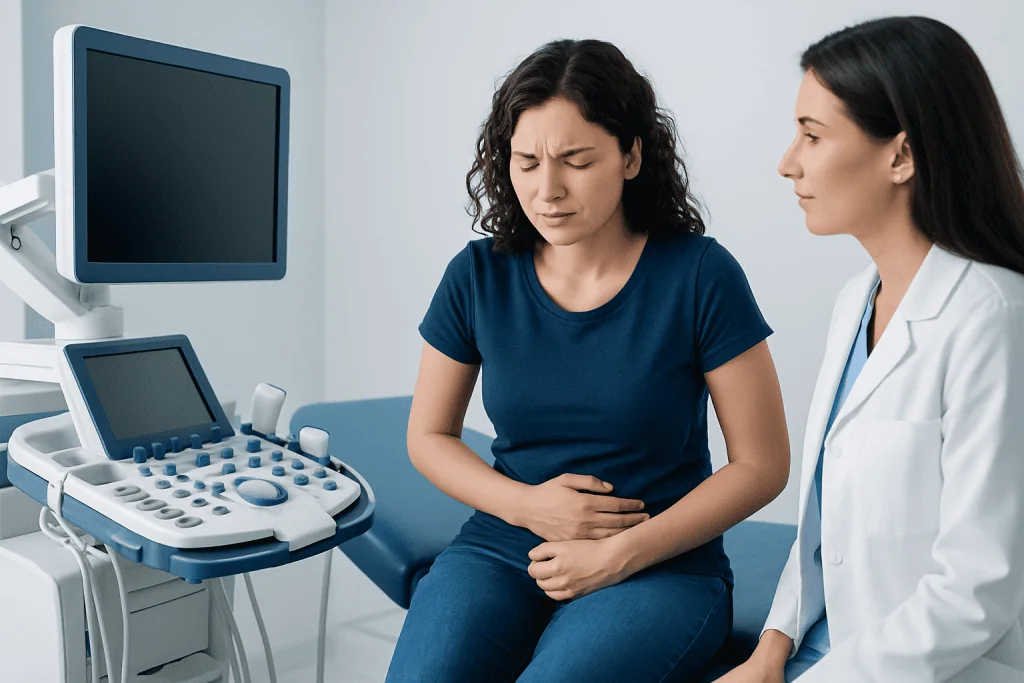
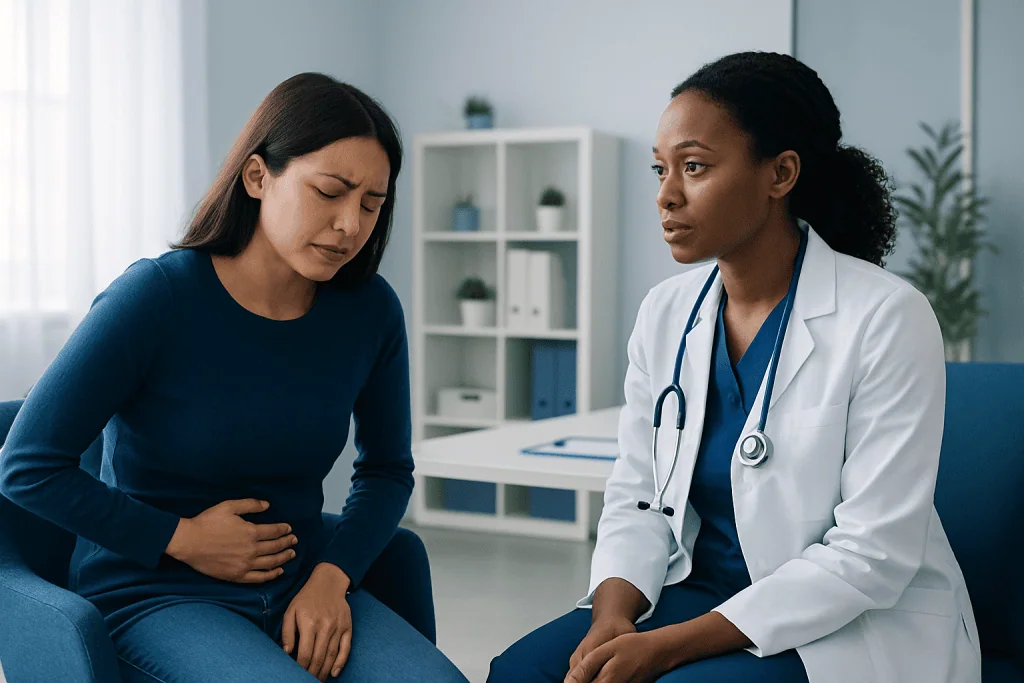
Period cramps usually feel like aching, throbbing, or tightening pain in the lower abdomen. Some people also feel pain in the lower back, hips, or upper thighs. The discomfort often begins shortly before bleeding starts or during the first day of a period, then gradually eases over the next one to three days.
Cramping can happen along with other menstrual symptoms such as nausea, loose stools, fatigue, headache, or bloating. These symptoms happen because the body releases hormone-like chemicals called prostaglandins, which help the uterus contract and shed its lining. Higher prostaglandin levels are linked to stronger cramps for some people.
Doctors often describe period pain as either primary dysmenorrhea or secondary dysmenorrhea. Primary dysmenorrhea means cramping without another pelvic disease causing it. Secondary dysmenorrhea means the pain is related to an underlying condition, such as endometriosis or uterine fibroids, and this pain may become more noticeable over time or occur with other symptoms.
Why period cramps happen: common causes and risk factors
The most common cause of routine period cramps is the normal release of prostaglandins from the uterine lining. These substances trigger the uterus to contract. When the contractions are stronger, they can briefly reduce blood flow to uterine tissue and cause pain. This is why cramps are often strongest at the start of a period, when prostaglandin levels are higher.
Some people are more likely to have stronger cramps. Risk factors can include being younger, having periods that started early, heavier bleeding, smoking, high stress, or a family history of painful periods. Individual pain sensitivity also varies, so one person may have mild discomfort while another has pain that interferes with work, school, or sleep.
When cramps are severe or unusual, doctors consider secondary causes. These may include uterine fibroids, adenomyosis, endometriosis, pelvic inflammatory disease, ovarian cysts, or issues related to an intrauterine device in some cases. Secondary causes are more likely if the pain worsens over time, begins after years of previously mild periods, or is associated with infertility, pain with sex, or heavy and irregular bleeding.
- Common cause: normal uterine contractions during menstruation
- Possible secondary causes: endometriosis, fibroids, adenomyosis, pelvic infection, ovarian cysts
- Risk factors for stronger cramps: heavy periods, smoking, stress, younger age, family history
How to get rid of period cramps at home
Home care is often the first step for uncomplicated period cramps. Heat is one of the most useful options. A heating pad, hot water bottle, or warm bath can relax muscles and reduce the sensation of pain. Many people find that placing heat over the lower abdomen or lower back gives noticeable relief.
Gentle movement can also help, even when rest feels more appealing. Light walking, stretching, yoga, or other easy activity may improve circulation and reduce tension. Regular exercise over time may make future periods less painful for some people. Good sleep, stress management, and staying hydrated can also support symptom control, especially when cramps come with fatigue or headaches.
Over-the-counter pain relievers are commonly used, especially anti-inflammatory medicines, because they help reduce prostaglandin activity. These are generally most effective when taken early, around the start of symptoms, if a doctor has said they are safe for that person. Anyone with a history of stomach ulcers, kidney disease, bleeding disorders, certain heart conditions, pregnancy concerns, or medication interactions should check with a qualified clinician before using them. Some people also benefit from a balanced diet and limiting smoking, as smoking can worsen menstrual pain.
- Use local heat on the lower abdomen or back
- Try light exercise or stretching
- Rest, hydrate, and eat regular meals
- Consider appropriate over-the-counter pain relief after checking safety
- Track symptoms to learn what helps and to notice changes over time
When cramps may signal something more than a normal period
Most cramps are manageable and not dangerous, but some patterns deserve more attention. Pain that is severe enough to cause vomiting, fainting, missed work or school, or inability to do normal activities is not something a person should simply push through month after month. The same is true if cramps stop responding to measures that used to help.
Other warning signs include heavy bleeding, bleeding between periods, pelvic pain that continues after the period ends, fever, unusual vaginal discharge, pain during sex, or difficulty becoming pregnant. A sudden new pain pattern is especially important to assess. These features can point toward infection, endometriosis, fibroids, adenomyosis, ovarian problems, or other gynecologic conditions.
It is also important to seek urgent medical care for severe one-sided pelvic pain, signs of pregnancy with pain or bleeding, fainting, chest symptoms, or symptoms of significant blood loss such as marked weakness or shortness of breath. These symptoms do not always mean an emergency, but they need prompt evaluation for safety.
How a doctor evaluates period cramps
When cramps need medical review, the diagnostic process usually starts with a detailed history. A doctor asks when the pain began, where it is felt, how long it lasts, whether it has changed over time, how heavy the bleeding is, and whether there are other symptoms such as bowel changes, pain with sex, or problems with fertility. A menstrual diary can be very helpful because it shows patterns rather than a single difficult day.
The next step may include a physical and, when appropriate, a pelvic examination. Depending on age, symptoms, and medical history, the doctor may recommend imaging to look for structural causes. Ultrasound is commonly used to check for fibroids, ovarian cysts, and other pelvic findings. In some cases, additional imaging such as MRI may help clarify what is causing the pain.
Not everyone needs many tests. If the pattern strongly suggests primary dysmenorrhea and there are no red flags, a doctor may begin treatment first and monitor the response. If symptoms point to a condition such as endometriosis or adenomyosis, referral to a gynecologist may be recommended, and further assessment may be planned based on the individual situation.
Medical treatment options for persistent or severe cramps
Treatment depends on the cause. For primary dysmenorrhea, doctors often recommend anti-inflammatory pain relievers and may discuss hormonal methods that reduce ovulation or lighten periods. Hormonal treatment can lower prostaglandin production and reduce the intensity of uterine contractions, which may make periods shorter, lighter, or less painful for many patients.
If an underlying condition is found, treatment is tailored to that diagnosis. Endometriosis, fibroids, adenomyosis, pelvic infection, or ovarian cysts each need a different approach. This may include medication, hormone-based treatment, infection treatment, or procedures. When fibroids or other structural problems are present, some patients may benefit from specialist-led options such as treatment for uterine fibroids, depending on symptoms, age, and future pregnancy plans.
For people whose symptoms remain difficult to control, multidisciplinary care can be helpful. Gynecologists, radiologists, pain specialists, and other clinicians may work together to confirm the diagnosis and plan treatment. Near the end of the care pathway, it may be reassuring to know that Acibadem International’s multidisciplinary specialists and JCI-accredited hospitals diagnose and treat menstrual pain and related gynecologic conditions for international patients.
Prevention, self-care, and when to seek medical care
While cramps cannot always be prevented completely, a few habits may lower their impact over time. Regular physical activity, good sleep, stress reduction, and avoiding smoking may all support menstrual health. Some people find that planning ahead also helps: keeping a heating pad ready, tracking cycle dates, and discussing recurrent symptoms early instead of waiting until the pain becomes disruptive.
It can be useful to keep a simple symptom record that includes cycle dates, pain intensity, bleeding pattern, medicines used, and associated symptoms such as nausea or back pain. This helps a doctor tell the difference between expected menstrual discomfort and a condition that needs further evaluation. It also helps identify whether treatment is working.
Medical care should be sought if period pain is severe, getting worse, changing suddenly, or interfering with normal life. A doctor should also assess cramps that come with heavy bleeding, fever, pain between periods, pain during sex, or fertility concerns. Prompt evaluation is especially important if there is a chance of pregnancy, severe one-sided pain, fainting, or symptoms that feel urgent.
Frequently asked questions
How can I get rid of cramps from period quickly?
Heat, rest, gentle movement, and an appropriate over-the-counter anti-inflammatory pain reliever often help the fastest for routine menstrual cramps. Starting relief measures early, around the beginning of symptoms, may work better than waiting until pain becomes severe.
Are period cramps normal every month?
Mild to moderate cramps can be a normal part of menstruation for many people. However, pain that is severe, worsening, or disruptive every month should be discussed with a doctor to check for an underlying cause.
Why are my period cramps suddenly worse than before?
A sudden change in menstrual pain can happen for several reasons, including stress and natural cycle variation, but it can also signal a condition such as fibroids, endometriosis, or infection. If the pain is new, intense, or comes with heavy bleeding or other unusual symptoms, medical assessment is important.
What is the difference between normal period cramps and endometriosis pain?
Normal period cramps usually follow a familiar pattern around menstruation and often improve with simple measures. Endometriosis-related pain may be more severe, may worsen over time, and can be associated with pain during sex, bowel symptoms, or fertility problems.
Should I exercise when I have period cramps?
Gentle exercise is often safe and may help reduce cramping for many people. Light walking, stretching, or yoga can relax muscles and improve circulation, but it is reasonable to rest if symptoms are strong and to seek advice if exercise makes pain much worse.
When should I see a doctor for period cramps?
A doctor should be seen if cramps are severe, keep getting worse, do not improve with usual treatment, or interfere with work, school, sleep, or daily life. Care is also important if there is heavy bleeding, fever, pain between periods, unusual discharge, pain during sex, or possible pregnancy.
References
- American College of Obstetricians and Gynecologists
- National Institute for Health and Care Excellence
- Office on Women's Health
- Mayo Clinic
- World Health Organization
This article is for general information only and is not a substitute for professional medical advice. Please consult a qualified doctor about your individual situation.
Explore treatments in Turkey — costs, top hospitals & a free quote
JCI-accredited · board-certified surgeons · reply within 24h
Add us as a Preferred Source to see more of our trusted health content across Google Search, AI Overviews and Discover.