Bloating: What Patients Need to Know

Bloating describes a sensation of abdominal fullness, pressure, or visible swelling. Common triggers include gas, constipation, overeating, food intolerance, and digestive disorders.
Key Takeaways
- Bloating describes a sensation of abdominal fullness, pressure, or visible swelling.
- Common triggers include gas, constipation, overeating, food intolerance, and digestive disorders.
- Keeping track of meals, bowel habits, and associated symptoms can help identify patterns.
- Persistent bloating, pain, vomiting, weight loss, or blood in the stool should be assessed by a doctor.
- Treatment depends on the cause and may involve diet changes, treating constipation, or evaluating digestive conditions.
Bloating is a common symptom that can feel like tightness, pressure, or swelling in the abdomen. It is often linked to diet, gas, constipation, or sensitive digestion, but ongoing or severe bloating may need medical evaluation.
Overview
Bloating is a very common symptom that usually means a person feels unusually full, tight, or uncomfortable in the abdomen. Sometimes the belly looks swollen; other times the sensation is present without a visible change. In many cases, bloating is related to gas, constipation, eating habits, or a sensitive digestive system.
Although bloating is often temporary and not serious, it is not a diagnosis by itself. It is a clue that digestion, bowel movement patterns, or food tolerance may need closer attention. Understanding when bloating happens, what it feels like, and what else occurs with it can help guide the next steps.
Patients often describe bloating in different ways. Some notice pressure after meals, some feel their clothes become tight by the evening, and others have burping, excess gas, cramping, or irregular bowel movements. The pattern matters because occasional bloating after a large meal is different from bloating that happens frequently or is linked to pain, weight loss, or bowel changes.
What Bloating Feels Like
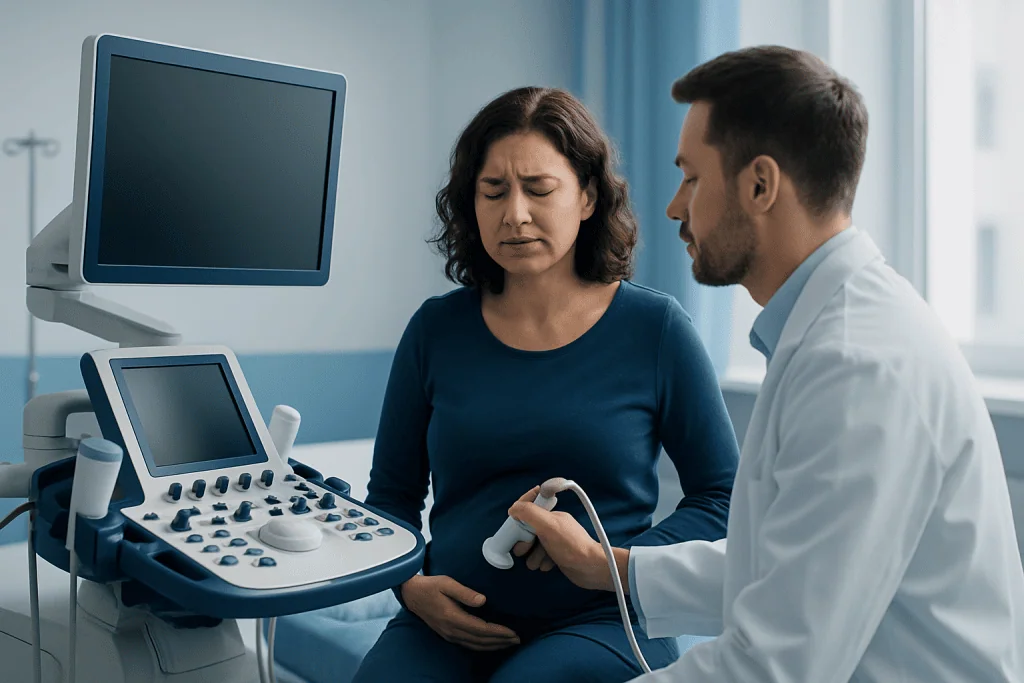
Bloating can involve several sensations at once. A person may feel fullness soon after eating, a stretched or hard feeling in the belly, visible distension, or discomfort that improves after passing gas or having a bowel movement. For some, the main problem is pressure; for others, it is pain or cramping.
Symptoms that commonly appear along with bloating include:
- Excess gas or frequent burping
- Abdominal rumbling or gurgling
- Constipation or a feeling of incomplete emptying
- Diarrhea or loose stools
- Nausea or reduced appetite
- Heartburn or indigestion
The timing of symptoms can offer important clues. Bloating that starts soon after certain foods may suggest intolerance or rapid gas formation. Bloating that gradually worsens through the day can be related to air swallowing, bowel motility, or constipation. If it occurs repeatedly with bowel habit changes, a doctor may consider conditions such as irritable bowel syndrome or other digestive disorders.
Common Causes and Risk Factors

Many everyday factors can lead to bloating. Eating too quickly, drinking carbonated beverages, chewing gum, and large meals can increase swallowed air or gas. Foods that are fatty, highly processed, or difficult for a person to digest may slow stomach emptying or increase fermentation in the intestines. Constipation is another frequent cause because stool buildup can trap gas and create pressure.
Food intolerance can also play a role. Some people have trouble digesting lactose in dairy products, certain carbohydrates, or gluten-containing foods if they have celiac disease. Sensitive digestion may cause the intestines to react more strongly to normal amounts of gas, so a person feels very bloated even without a major increase in abdominal size.
Digestive conditions may be considered when bloating is recurrent or persistent. These include constipation, gastroesophageal reflux, gastritis, irritable bowel syndrome, inflammatory bowel disease, and problems with gut motility. In some cases, bacterial imbalance, prior abdominal surgery, hormonal changes, or certain medicines can contribute.
Risk factors for ongoing bloating may include:
- A low-fiber or highly processed diet
- Dehydration
- Sedentary lifestyle
- Stress and anxiety, which can affect gut function
- Known food intolerances
- Chronic constipation
- Underlying digestive disease
How Doctors Evaluate Bloating
Evaluation usually begins with a detailed history. A doctor may ask when the bloating started, whether it is related to meals, how often it occurs, and whether the abdomen becomes visibly larger. Bowel habits, stool changes, medication use, menstrual history, weight changes, and family history of digestive disease can all be relevant.
A physical examination helps look for tenderness, bowel sounds, abdominal swelling, or signs of constipation and fluid retention. In many people, the initial assessment points to a functional or diet-related cause. In others, testing is useful to rule out conditions that need treatment.
Depending on symptoms, tests may include blood tests, stool tests, breath testing for certain intolerances, or imaging studies. If symptoms suggest a structural digestive problem, a specialist may recommend endoscopy to examine the upper digestive tract or colonoscopy to evaluate the colon. The goal is not to test everyone, but to choose the right tests based on the pattern of symptoms and any warning signs.
Treatment and Relief Options
The best treatment for bloating depends on the cause. If overeating, constipation, or gas-producing foods are responsible, simple adjustments may lead to clear improvement. Patients often benefit from eating more slowly, choosing smaller meals, reducing fizzy drinks, and keeping a symptom diary to identify personal triggers.
If constipation is part of the problem, doctors may advise increasing fluids, gradually adding fiber when appropriate, and improving physical activity. For some people, targeted treatment for reflux, indigestion, or bowel motility may be recommended. When a food intolerance is suspected, a supervised elimination approach can be helpful, but unnecessarily restrictive diets are usually avoided.
Persistent or unexplained bloating may need specialist care. Treatment may focus on disorders such as irritable bowel syndrome, gastritis, celiac disease, or inflammatory conditions. In selected cases, diagnostic tools such as gastroenterology evaluation help clarify the underlying issue and guide a more tailored plan.
Because self-treatment can sometimes mask a more important diagnosis, patients should speak with a qualified doctor if symptoms continue, change noticeably, or interfere with daily life. A step-by-step assessment is usually the safest and most effective way to find lasting relief.
Prevention and Self-Care
Not all bloating can be prevented, but many people can reduce it by improving eating and bowel habits. Regular meals, slower eating, and attention to portion size may reduce pressure and gas buildup. Gentle movement after meals can also support digestion.
Helpful self-care measures may include:
- Eating slowly and chewing thoroughly
- Limiting carbonated drinks if they worsen symptoms
- Staying well hydrated
- Maintaining regular physical activity
- Keeping a record of foods and symptoms
- Addressing constipation early
- Managing stress, which may affect digestive comfort
It is important to avoid making major diet changes based only on guesswork. Cutting out multiple food groups without guidance can make nutrition less balanced and may not solve the problem. If bloating is frequent, professional advice can help identify whether the issue is related to food intolerance, bowel function, or another digestive cause.
When to Seek Medical Care
Medical care is appropriate if bloating is persistent, keeps returning, or starts to affect appetite, sleep, work, or quality of life. It is especially important to seek evaluation when bloating appears with other concerning symptoms, because the symptom may reflect more than simple gas.
A person should arrange medical assessment if bloating occurs with:
- Severe or worsening abdominal pain
- Vomiting
- Fever
- Unintentional weight loss
- Blood in the stool or black stools
- New constipation or diarrhea that does not improve
- Difficulty eating or early fullness
- Persistent visible abdominal swelling
For international patients who need further assessment, Acibadem International’s multidisciplinary specialists and JCI-accredited hospitals evaluate digestive symptoms and provide treatment plans tailored to the identified cause.
Frequently asked questions
Is bloating usually caused by gas?
Gas is a very common reason for bloating, but it is not the only one. Constipation, overeating, food intolerance, reflux, and bowel disorders can also cause the same sensation of fullness or pressure.
What is the difference between bloating and abdominal swelling?
Bloating is often the feeling of fullness or tightness in the abdomen. Abdominal swelling, also called distension, means the belly looks visibly larger, though both can happen together.
Can stress make bloating worse?
Yes. Stress can affect gut movement, sensitivity, and bowel habits, which may make bloating feel more noticeable or occur more often. Managing stress does not replace medical care, but it can be one part of symptom control.
Should a person stop eating certain foods right away?
Not necessarily. It is usually better to look for patterns first rather than remove many foods at once, because unnecessary restrictions can make the diet less balanced. A doctor or dietitian can help decide whether a structured trial is appropriate.
When should bloating be checked by a doctor?
A doctor should assess bloating that is frequent, persistent, worsening, or associated with pain, vomiting, weight loss, bowel changes, or blood in the stool. Evaluation is also a good idea if symptoms interfere with normal daily life.
Can constipation cause bloating even without much pain?
Yes. Constipation can lead to a sense of pressure, fullness, and trapped gas even if pain is mild or absent. Improving bowel regularity often helps, but persistent symptoms should still be evaluated.
References
- National Institute of Diabetes and Digestive and Kidney Diseases
- American College of Gastroenterology
- National Health Service
- Mayo Clinic
- World Gastroenterology Organisation
This article is for general information only and is not a substitute for professional medical advice. Please consult a qualified doctor about your individual situation.
Persistent digestive symptoms? Get evaluated in Turkey
JCI-accredited · board-certified surgeons · reply within 24h
Add us as a Preferred Source to see more of our trusted health content across Google Search, AI Overviews and Discover.

More from the Health Library

Stool Exam for Occult Blood: What Patients Need to Know

Baby Helmet — Explained by Medical Evidence, Not Myths

Soft Jawline: A Complete Medical Overview

Naltrexone for Alcohol: A Complete Medical Overview

Flea Bites on Humans: A Complete Medical Overview