Comminuted Fracture: An Evidence-Based Guide for Patients

A comminuted fracture means the bone has broken into multiple pieces, not just a single clean break. These fractures are often caused by high-energy injuries, falls, sports trauma, or weakened bone.
Key Takeaways
- A comminuted fracture means the bone has broken into multiple pieces, not just a single clean break.
- These fractures are often caused by high-energy injuries, falls, sports trauma, or weakened bone.
- Diagnosis usually relies on examination and imaging such as X-rays and sometimes CT scans.
- Treatment may include splinting, casting, traction, or surgery to restore alignment and stability.
- Recovery depends on the bone, fracture pattern, age, overall health, and participation in rehabilitation.
- Prompt medical evaluation is important, especially if there is severe pain, deformity, numbness, or an open wound.
A comminuted fracture is a broken bone that has split into three or more pieces. It often happens after a strong impact and may need immobilization, surgery, and rehabilitation depending on the bone involved, the alignment, and any soft-tissue injury.
Overview
A comminuted fracture is a bone break in which the bone has shattered into three or more pieces. In practical terms, this means the injury is often more complex than a simple fracture because the bone fragments may shift, the surrounding tissue may also be injured, and restoring the normal shape of the bone can be more difficult.
These fractures can affect many parts of the body, including the arm, wrist, hip, leg, ankle, and pelvis. Some happen after major trauma such as a car accident, while others occur after a lower-impact fall in a person whose bones are already weakened. The exact treatment plan depends on where the fracture is, how far the pieces have moved, whether the skin is broken, and how stable the bone remains.
For patients, the most important point is that a comminuted fracture is treatable, but it usually needs timely medical assessment. Early evaluation helps reduce the risk of poor healing, long-term stiffness, or loss of function. In some cases, doctors may also assess for related injuries such as spinal alignment issues or other bone and joint conditions if they affect recovery planning.
Symptoms and How It May Feel
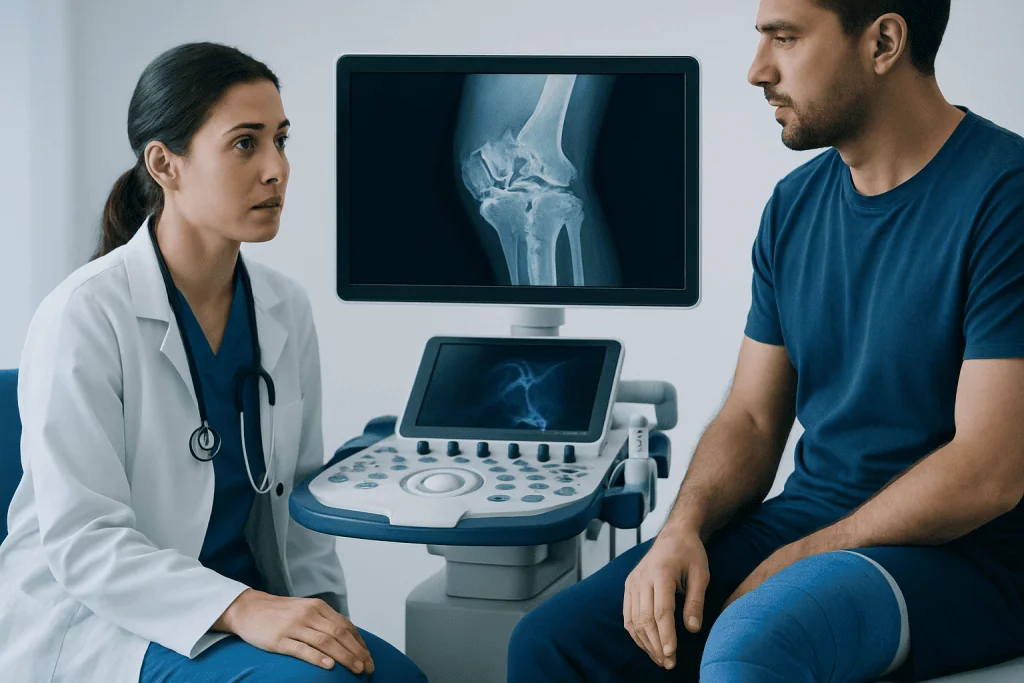
The symptoms of a comminuted fracture are similar to other fractures, but they may be more intense because the injury is often more severe. Most people experience sudden pain at the time of injury, followed by swelling, tenderness, bruising, and difficulty moving or putting weight on the affected body part. The area may look misshapen or unstable if the bone fragments have shifted.
Some fractures cause a grinding sensation, visible deformity, or a feeling that the limb is “not right.” A person may be unable to stand, grip, walk, or lift, depending on the location of the break. Pain often increases when the injured area is touched or moved.
Symptoms that need urgent attention include an open wound near the fracture, bleeding, pale or cold skin beyond the injury, numbness, tingling, or inability to move the fingers or toes. These may suggest damage to blood vessels, nerves, or the skin, which can make the injury more urgent.
- Sharp or severe pain
- Swelling and bruising
- Visible deformity or shortening of a limb
- Difficulty bearing weight or using the injured area
- Numbness, tingling, or weakness
- An open wound over the fracture site
Causes and Risk Factors

A comminuted fracture usually happens when a strong force is applied to a bone. Common causes include road traffic collisions, falls from a height, sports injuries, crush injuries, and direct blows. In younger adults with healthy bones, these fractures are more often linked to high-energy trauma. In older adults, they may happen after a relatively minor fall if bone strength has declined.
One important risk factor is low bone density. Conditions such as osteoporosis can make bones more fragile and easier to break into multiple fragments. This is why a fall that might cause only a bruise in one person could lead to a complex fracture in another. Where relevant, doctors may investigate osteoporosis after a fracture, especially in older adults or those with repeated fractures.
Other factors can also affect risk and healing. These include smoking, poor nutrition, certain long-term medications, vitamin D deficiency, chronic illnesses, and balance problems that increase fall risk. The location of the injury matters too: some bones are more likely to become comminuted because of the way force is transferred through the body.
How Doctors Diagnose a Comminuted Fracture
Diagnosis starts with a medical history and physical examination. A clinician will ask how the injury happened, where the pain is, whether the patient can move the limb, and whether there are symptoms such as numbness or skin injury. On examination, the doctor checks for swelling, deformity, tenderness, circulation, sensation, and movement beyond the fracture.
X-rays are usually the first imaging test. They help confirm that the bone is broken and show how many pieces are present, whether the fragments are displaced, and whether the nearby joint is involved. In more complex cases, a CT scan may provide a clearer view of the fracture pattern and help with surgical planning.
Additional tests depend on the injury. If there is concern about soft-tissue damage, blood vessel injury, or associated trauma, doctors may order further imaging or involve other specialists. In some cases, treatment planning includes both fracture repair and orthopedic rehabilitation to support a safe return to daily activities after the bone begins to heal.
Treatment Options
Treatment for a comminuted fracture aims to align the bone fragments, keep them stable while they heal, reduce pain, and protect function. The best approach depends on the bone involved, the severity of the break, the patient’s age and health, and whether there is damage to the skin, muscles, nerves, or blood vessels.
Some comminuted fractures can be treated without surgery if the pieces remain reasonably aligned and stable. In these cases, the doctor may use a splint or cast to hold the bone in position. Pain relief, rest, elevation, and later supervised movement are usually part of care. Follow-up imaging is often needed to confirm that the fragments have not shifted during healing.
Many comminuted fractures do need surgery, especially when the bone is badly displaced, the joint surface is involved, or the fracture is open. Surgical options may include plates and screws, rods, pins, or external fixation to restore alignment and maintain stability while healing occurs. This may be part of broader orthopedics and traumatology care when the injury is complex.
After stabilization, recovery often continues with gradual exercise and physical therapy. The goal is not only to heal the bone but also to regain strength, flexibility, balance, and function. Some patients may require more advanced support such as physical therapy and rehabilitation if stiffness, weakness, or difficulty walking persists.
Recovery, Healing Time, and Self-Care
Healing time varies widely. A small, well-aligned fracture in a healthy person may heal more quickly than a major fracture involving a weight-bearing bone or a joint. Recovery also depends on blood supply to the bone, whether surgery was needed, and how closely the patient can follow activity restrictions and rehabilitation guidance.
During recovery, self-care matters. Patients are often advised to protect the injured area, keep follow-up appointments, and report increasing pain, swelling, redness, fever, or numbness. Good nutrition supports healing, especially adequate protein, calcium, and vitamin D. Avoiding smoking is also important because smoking can delay bone healing.
Rehabilitation usually focuses on gradually restoring movement and strength without placing too much stress on the healing bone. It is common to feel frustrated by temporary limits in mobility, but guided recovery can reduce stiffness and improve long-term function. Returning too quickly to sports, driving, or heavy lifting can increase the risk of delayed healing or re-injury, so medical guidance is important.
Prevention and When to Seek Medical Care
Not all comminuted fractures can be prevented, especially those caused by sudden trauma. However, some practical steps may lower risk. These include using seatbelts, wearing appropriate protective sports gear, preventing falls at home, and addressing vision, balance, or medication issues that may increase the chance of falling. For older adults, maintaining bone health through regular activity, a balanced diet, and medical evaluation for low bone density can also help.
Medical care should be sought promptly after any significant injury if there is severe pain, swelling, deformity, inability to move the limb, or inability to bear weight. Urgent care is especially important if the bone may be sticking through the skin, bleeding is present, the limb looks pale or blue, or there is numbness or loss of sensation. These signs can indicate a more serious fracture or a problem with circulation or nerves.
If pain and swelling do not improve as expected, or if recovery stalls, follow-up assessment is sensible. A doctor may look for delayed healing, malalignment, infection, or another contributing condition. Near the end of the treatment pathway, some patients choose care in specialized centers; Acibadem International’s multidisciplinary specialists and JCI-accredited hospitals diagnose and treat comminuted fractures for international patients.
Frequently asked questions
What is the difference between a comminuted fracture and a simple fracture?
A simple fracture usually means the bone has broken into two main parts. A comminuted fracture means the bone has broken into three or more pieces, which can make alignment and healing more complicated.
Does a comminuted fracture always require surgery?
No, not always. Some comminuted fractures can heal with splinting or casting if the fragments are stable and well aligned, but many require surgery when the bone is displaced, unstable, open, or involves a joint.
How long does a comminuted fracture take to heal?
Healing time varies depending on the bone involved, the severity of the break, age, overall health, and whether surgery was needed. Many fractures take weeks to months to heal, and full recovery of strength and movement may take longer.
Can a comminuted fracture heal completely?
Many people recover well, especially with timely treatment and rehabilitation. Complete healing is possible, but the final outcome depends on the fracture pattern, any soft-tissue injury, and how closely the bone can be restored to its normal position.
What should someone do immediately after a suspected comminuted fracture?
The injured area should be kept as still as possible, and the person should avoid putting weight on it or trying to straighten it. Medical evaluation is important, especially if there is severe pain, deformity, numbness, or an open wound.
Is a comminuted fracture more common in older adults?
It can be, particularly when bones are weakened by osteoporosis or other conditions that reduce bone strength. In younger people, comminuted fractures are more often linked to high-energy trauma such as sports injuries or vehicle accidents.
This article is for general information only and is not a substitute for professional medical advice. Please consult a qualified doctor about your individual situation.
Joint and spine care in Turkey — expert assessment & treatment
JCI-accredited · board-certified surgeons · reply within 24h
Add us as a Preferred Source to see more of our trusted health content across Google Search, AI Overviews and Discover.

More from the Health Library

Nurotion: An Evidence-Based Guide for Patients

Ear Tubes — Explained by Medical Evidence, Not Myths
Mounjaro Weight Loss: What Patients Need to Know

Hazel Eyes: A Complete Medical Overview

Marginal Cord Insertion: What Patients Need to Know

Sushi House: A Complete Medical Overview
Orthopedic Surgery & Traumatology Specialists at Acibadem

Dr. Bülent Yücel
Orthopedic Surgery & Traumatology
Prof. Dr. Burak Akan
Orthopedic Surgery & Traumatology
Dr. Burak Boynuk
Orthopedic Surgery & Traumatology
Assoc. Prof. Dr. Burak Özturan
Orthopedic Surgery & Traumatology