Spinal Fusion — Explained by Medical Evidence, Not Myths

Spinal fusion is used to stabilize part of the spine, not simply to treat any back pain. Doctors usually recommend it only after a careful diagnosis and a trial of non-surgical treatments when appropriate.
Key Takeaways
- Spinal fusion is used to stabilize part of the spine, not simply to treat any back pain.
- Doctors usually recommend it only after a careful diagnosis and a trial of non-surgical treatments when appropriate.
- The goals are to reduce pain from motion at a damaged segment, protect nerves, and improve function.
- Recovery takes time and often includes activity changes, rehabilitation, and follow-up imaging.
- Benefits and risks vary by the spinal condition, the number of levels treated, and a person’s overall health.
Spinal fusion is an operation that permanently joins two or more vertebrae so they heal into one solid segment. It is not a first-line treatment for most back pain, but it can help selected patients when spinal instability, deformity, nerve compression, or certain painful conditions do not improve with non-surgical care.
Overview: what spinal fusion is and what it is not
Spinal fusion is a surgical procedure that joins two or more bones of the spine, called vertebrae, so they heal together into one stable unit. The aim is to reduce painful motion, improve stability, protect the spinal cord or nerves, or help correct a deformity. It is usually considered when a clear structural problem is present and other treatments have not provided enough relief.
A common myth is that spinal fusion is the standard answer for all chronic back pain. Medical evidence does not support that idea. Many people with back pain improve with exercise therapy, medication, activity modification, and time. Fusion is generally reserved for specific situations such as instability, some forms of spondylolisthesis, certain fractures, spinal deformity, or persistent symptoms linked to a well-defined condition.
Another myth is that fusion simply “fuses the whole back.” In reality, surgeons usually target only the affected spinal level or levels. The procedure may be performed in the neck, mid-back, or lower back, depending on the problem. Different techniques and implants may be used, but the basic goal is the same: to create lasting stability where abnormal motion or damage is causing symptoms.
Why spinal fusion may be recommended
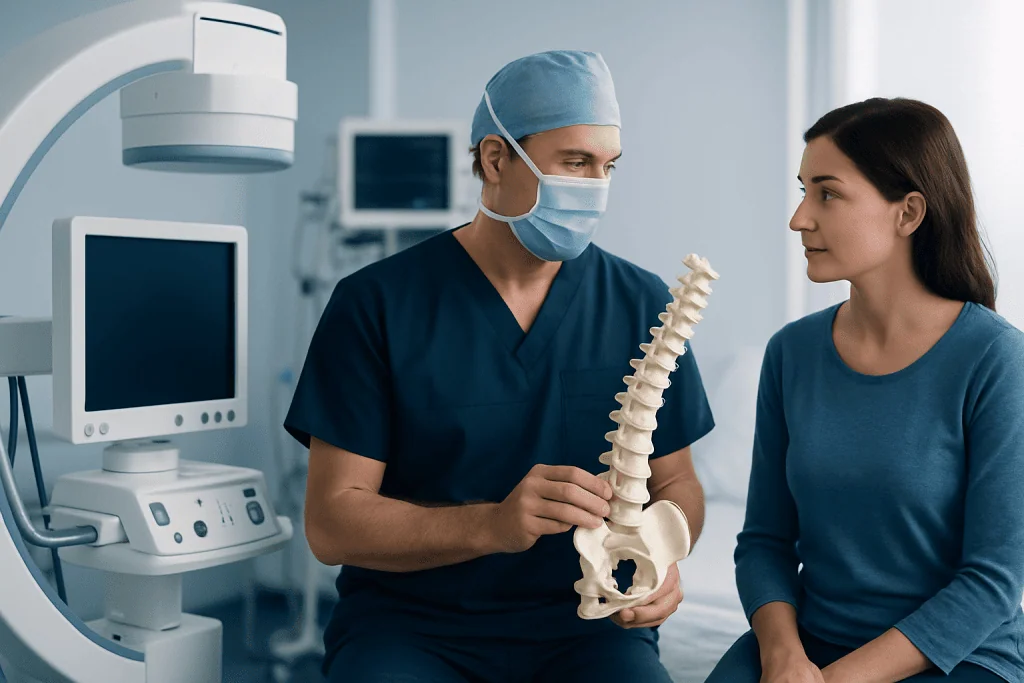
Doctors may recommend spinal fusion when imaging findings, symptoms, and physical examination all point to a condition that is unlikely to improve enough without stabilization. Examples include spinal instability after degeneration or injury, some cases of scoliosis, vertebral fractures, recurrent disc problems requiring additional support, or narrowing that requires decompression and leaves the spine less stable afterward.
Fusion may also be considered for conditions such as degenerative disc disease when pain appears to come from a specific spinal segment and has not improved after a thorough trial of conservative care. In some patients, it is part of treatment for scoliosis or other spinal deformities. The decision is individualized because not every abnormal MRI finding causes symptoms, and not every painful spinal condition benefits from fusion.
In practice, the operation is often paired with another step, such as removing pressure from nerves. For example, a surgeon may combine fusion with spine surgery techniques that decompress a pinched nerve or stabilize vertebrae after removing damaged tissue. The best candidates usually have symptoms that match the area of disease seen on imaging and a realistic understanding of recovery.
Symptoms and conditions linked to spinal fusion

Spinal fusion is not defined by one symptom. Instead, it is considered when a person has a condition that may cause pain, instability, deformity, or nerve-related symptoms. These may include long-lasting back or neck pain that worsens with motion, pain that radiates into an arm or leg, numbness, tingling, weakness, balance problems, or difficulty standing and walking for long periods.
Symptoms vary by the part of the spine involved. In the neck, a person may feel neck pain with arm symptoms or hand weakness. In the lower back, symptoms may include low back pain, sciatica, or leg weakness. In deformity, people may notice an uneven posture, loss of height, fatigue while standing, or progressive curvature.
Common conditions that may lead to fusion include:
- Degenerative changes causing instability
- Spondylolisthesis, where one vertebra slips over another
- Spinal deformities such as scoliosis or kyphosis
- Fractures or trauma affecting stability
- Some infections or tumors affecting spinal structure
- Persistent symptoms after prior surgery in selected cases
Because symptoms can overlap with many other causes of back pain, careful evaluation matters. A person may have severe pain with a minor scan finding, or few symptoms despite clear imaging changes. This is one reason evidence-based surgical planning is so important.
How doctors diagnose the problem before considering surgery
Before recommending spinal fusion, doctors usually take a detailed history and perform a focused physical examination. They ask where the pain starts, whether it travels, what movements worsen it, and whether numbness, weakness, bowel or bladder changes, fever, weight loss, or recent injury are present. These details help identify whether the source is mechanical, nerve-related, inflammatory, infectious, or due to another condition.
Imaging tests help confirm the diagnosis. X-rays can show alignment, slippage, or deformity. MRI is useful for discs, nerves, and soft tissues, while CT can better define bone anatomy. In some cases, dynamic X-rays taken in bending positions help show instability. Doctors may also request blood tests or nerve studies if infection, inflammation, or nerve injury is suspected.
The key point is that surgery is not based on scans alone. Clinicians compare test results with a person’s symptoms, physical findings, and response to prior treatment. Many patients benefit from consultation with specialists in orthopedics, neurosurgery, pain management, or physical medicine before moving forward. This balanced approach helps avoid unnecessary procedures and supports better decisions.
Treatment options: from conservative care to spinal fusion surgery
Most people with back or neck pain begin with non-surgical treatment. Depending on the diagnosis, this may include targeted physical therapy, supervised exercise, anti-inflammatory or pain-relieving medicines, posture and lifting advice, short-term activity modification, and sometimes spinal injections. These measures can reduce inflammation, improve strength, and help a person move more confidently without surgery.
If symptoms remain severe, function is limited, or there is progressive nerve damage or clear instability, surgery may be considered. Spinal fusion may be performed from the front, back, side, or through a combined approach, depending on the condition and the spinal level. The surgeon may use bone graft material and implants such as screws, rods, or cages to support healing and alignment while the fused segment solidifies over time.
In selected patients, spinal fusion is combined with microdiscectomy or laminectomy when nerve compression is part of the problem. Some operations use smaller incisions, while others require more extensive exposure for deformity correction or multilevel disease. The most appropriate method depends on the diagnosis, anatomy, general health, and goals of treatment rather than on a single “best” technique for everyone.
Every surgery has possible risks. These may include infection, bleeding, blood clots, nerve injury, ongoing pain, problems with bone healing, implant-related issues, or stress on nearby spinal segments over time. A careful discussion with the surgical team helps patients understand potential benefits, alternatives, and likely outcomes in their own situation.
Recovery, rehabilitation, and daily life after spinal fusion
Recovery after spinal fusion is gradual. The first stage focuses on wound healing, pain control, walking, and safe movement. Many patients are encouraged to get up and move soon after surgery, but bending, twisting, heavy lifting, and prolonged sitting may be limited for a time. The exact restrictions depend on the part of the spine treated, the number of levels fused, and the surgical technique used.
Bone fusion itself takes longer than skin healing. Follow-up visits and imaging help doctors see whether the vertebrae are joining as planned. Physical therapy may begin when appropriate to improve mobility, core strength, posture, and endurance. Rehabilitation is often one of the most important parts of recovery because a strong, balanced body supports the spine and helps restore confidence in movement.
People often ask whether they will still be able to work, travel, or exercise. In many cases, yes, but the timeline varies. Light activity may return earlier than demanding physical work or sports. Outcomes are influenced by age, smoking status, nutrition, bone health, diabetes control, body weight, and whether the person follows the post-operative plan closely.
For international patients who need coordinated care, Acibadem International’s multidisciplinary specialists and JCI-accredited hospitals evaluate spinal conditions and provide treatment planning, surgery, and rehabilitation support in appropriate cases.
Prevention, self-care, and questions to ask before surgery
Not every spinal condition can be prevented, but many people can lower strain on the spine through everyday habits. Regular exercise, core and hip strengthening, maintaining a healthy weight, not smoking, and using safe lifting techniques all support spinal health. Good bone health also matters, especially for older adults and for those with a risk of osteoporosis.
When spinal fusion is being considered, informed decision-making is essential. Patients may find it helpful to ask what diagnosis is being treated, what non-surgical options remain, whether the symptoms match the imaging findings, how many levels need treatment, what recovery is likely to involve, and what results can realistically be expected. Understanding the reason for surgery is often more important than focusing only on the name of the procedure.
Self-care after a diagnosis may include pacing activities, following a home exercise program, improving sleep position, and keeping follow-up appointments. People should avoid smoking or nicotine if surgery is planned, because nicotine can impair bone healing. A balanced diet with adequate protein and overall medical optimization can also support recovery.
When to seek medical care
A person should seek medical care for back or neck pain that lasts more than a few weeks, keeps returning, limits normal activities, or causes pain traveling into an arm or leg. Evaluation is also important if there is numbness, tingling, weakness, trouble walking, or symptoms that interfere with sleep or work.
Urgent medical attention is needed for possible warning signs such as new bowel or bladder control problems, rapidly worsening weakness, major trauma, fever with severe spinal pain, unexplained weight loss, or severe pain that is constant and not relieved by rest. These symptoms do not always mean surgery is needed, but they do require prompt assessment.
Early evaluation can help clarify whether symptoms are due to muscle strain, disc disease, nerve compression, spinal deformity, or another condition. The sooner the cause is identified, the easier it is to match treatment to the problem and avoid unnecessary delays.
Frequently asked questions
Is spinal fusion a cure for back pain?
Spinal fusion is not a universal cure for back pain. It is designed to treat selected problems such as instability, deformity, or pain linked to a specific spinal segment when other care has not been enough. The best results usually occur when symptoms, examination findings, and imaging all point to the same cause.
How long does it take to recover from spinal fusion?
Initial recovery may take weeks, while full bone healing often takes several months or longer. The timeline depends on the spinal level treated, the number of levels fused, overall health, and how well rehabilitation progresses. A doctor can provide a more personalized estimate after reviewing the surgical plan.
Will I lose all flexibility after spinal fusion?
No. Spinal fusion reduces motion only at the treated level or levels, not throughout the entire spine. Many people still retain useful overall mobility, especially if only a small part of the spine is fused. Physical therapy can help a person move efficiently and protect nearby joints.
What are the alternatives to spinal fusion?
Alternatives depend on the diagnosis and may include physical therapy, exercise-based rehabilitation, medication, injections, or other types of spine surgery that do not require fusion. In some cases, continued observation is also appropriate. The right option depends on symptoms, imaging findings, and whether there is instability or nerve compression.
Can spinal fusion fail?
As with any operation, spinal fusion does not help every patient as much as hoped. One possible issue is incomplete bone healing, sometimes called nonunion, and some people may continue to have pain for other reasons. Careful patient selection, smoking avoidance, and follow-up care can help improve the chance of successful healing.
When is spinal fusion usually necessary?
It is usually considered when there is a clear structural problem such as instability, deformity, certain fractures, or persistent nerve-related symptoms that have not improved with suitable non-surgical treatment. It may also be needed when decompression surgery would leave the spine unstable. The decision is individualized rather than based on imaging alone.
This article is for general information only and is not a substitute for professional medical advice. Please consult a qualified doctor about your individual situation.
Spinal Fusion in Turkey — costs, top hospitals & a free quote
JCI-accredited · board-certified surgeons · reply within 24h
Add us as a Preferred Source to see more of our trusted health content across Google Search, AI Overviews and Discover.

More from the Health Library

Ear Wax Remover: A Complete Medical Overview

Nulliparous — Explained by Medical Evidence, Not Myths

Sorbitol — Explained by Medical Evidence, Not Myths

Red Quinoa — Explained by Medical Evidence, Not Myths

Bed Iodine: What Patients Need to Know

Jicama: An Evidence-Based Guide for Patients
Physical Medicine & Rehabilitation Specialists at Acibadem

Dr. Ayhan Ulusoy
Orthopedic Surgery & Traumatology
Dr. Aykut Türken
Orthopedic Surgery & Traumatology
Fzt. Aylin Kurt
Physical Medicine & Rehabilitation
Dr. Aynur Göksel
Physical Medicine & Rehabilitation