Hirschsprung’s Disease: Diagnosis, Outlook, and Modern Treatment Approaches

Hirschsprung's disease is present at birth and affects how the colon moves stool. Common signs include delayed passage of meconium, abdominal swelling, vomiting, and severe constipation.
Key Takeaways
- Hirschsprung's disease is present at birth and affects how the colon moves stool.
- Common signs include delayed passage of meconium, abdominal swelling, vomiting, and severe constipation.
- Diagnosis usually combines history, examination, imaging, anorectal testing, and rectal biopsy.
- Definitive treatment is surgery to remove or bypass the affected bowel segment.
- Long-term outlook is often good, but some children continue to need bowel management and specialist follow-up.
Hirschsprung's disease is a birth condition in which nerve cells are missing from part of the intestine, so stool cannot move through the bowel normally. With timely diagnosis and modern treatment, many children go on to have good long-term outcomes, although some need ongoing bowel care and follow-up.
Overview: what Hirschsprung's disease is
Hirschsprung’s disease is a congenital condition, meaning it is present at birth. It happens when nerve cells called ganglion cells do not develop properly in part of the bowel, most often the lower colon and rectum. Without these nerve cells, that section of intestine cannot relax and push stool forward in a coordinated way, so stool builds up behind the blocked area.
This can cause bowel obstruction in newborns or ongoing constipation and poor bowel emptying in infants and children. Some children are diagnosed very early because they develop feeding problems, a swollen abdomen, or delayed passage of meconium, the first stool. Others have milder disease and may be diagnosed later after repeated constipation, poor weight gain, or episodes of intestinal infection.
Hirschsprung’s disease is uncommon, but it is a well-recognized cause of bowel blockage in babies. It affects boys more often than girls and may occur alone or along with other genetic or developmental conditions. Early evaluation is important because untreated disease can lead to dehydration, malnutrition, and bowel inflammation known as Hirschsprung-associated enterocolitis.
Symptoms and how the condition may present
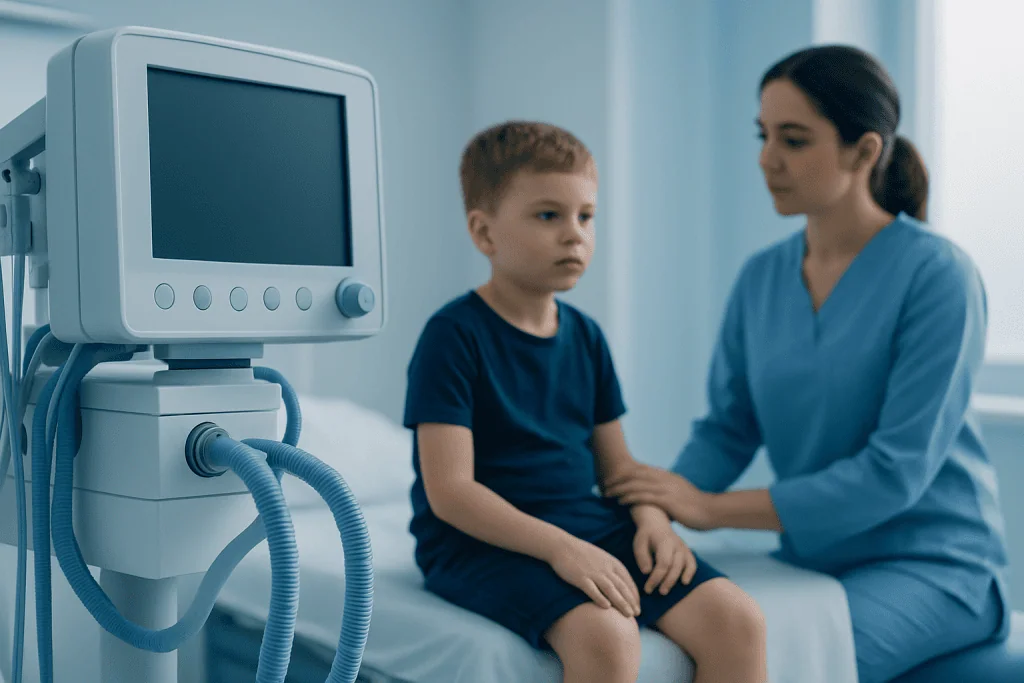
The symptoms of Hirschsprung’s disease depend partly on how much bowel is affected and the child’s age. In newborns, one of the most important warning signs is failure to pass meconium within the first 48 hours after birth. Other early symptoms can include a swollen or firm belly, green or brown vomiting, poor feeding, and signs of bowel obstruction.
In older babies and children, the condition may appear as chronic constipation that starts very early in life. Parents may notice infrequent stools, a belly that looks distended, discomfort during bowel movements, or poor growth. Some children have explosive stools or gas after a rectal examination because trapped stool and air are released from the bowel.
Possible symptoms include:
- Delayed passage of meconium in a newborn
- Abdominal bloating or swelling
- Vomiting, especially green vomiting
- Severe or persistent constipation
- Feeding difficulties
- Poor weight gain or slower growth
- Episodes of diarrhea with fever, which can suggest enterocolitis
Because severe constipation in childhood can also have other causes, including functional constipation or structural bowel problems, doctors assess the full pattern of symptoms rather than relying on a single sign.
Causes, associated conditions, and risk factors

Hirschsprung’s disease develops before birth during formation of the nervous system in the bowel. In normal development, nerve cells migrate along the intestine and form networks that control bowel movement. In Hirschsprung’s disease, this process is incomplete, leaving a segment of bowel without the nerve cells needed for normal motility.
The exact reason varies. In some children, a genetic change is identified, while in others no single cause is found. The condition can run in families, so a family history may increase the chance that another child will be affected. It is also more common in boys and in children with certain chromosomal or congenital conditions, including Down syndrome.
The length of bowel involved matters. Short-segment disease, affecting the rectum and nearby colon, is the most common form. Long-segment disease involves more of the colon, and rare cases may affect most of the large bowel or even part of the small intestine. Longer affected segments can lead to earlier and more severe symptoms.
Although constipation is a hallmark symptom, not every child with constipation has Hirschsprung’s disease. Pediatric specialists distinguish this condition from more common problems such as stool withholding, diet-related constipation, or other disorders of bowel movement including constipation.
How doctors confirm the diagnosis
Diagnosis begins with a careful history and physical examination. Doctors ask about meconium passage, feeding, vomiting, stooling pattern, abdominal swelling, growth, and family history. On examination, the abdomen may be distended, and a rectal exam may show a tight anal canal or release of trapped gas and stool.
Imaging often helps guide the evaluation. A plain abdominal X-ray may show signs of bowel obstruction. A contrast enema can outline the colon and may reveal a narrowed lower segment with a wider section of bowel above it. This pattern can raise strong suspicion, although imaging alone does not make the diagnosis.
Additional testing may include anorectal manometry in selected infants and older children. This test evaluates the reflexes of the rectum and anus. In Hirschsprung’s disease, the normal relaxation reflex is absent. The definitive test, however, is a rectal biopsy, which examines bowel tissue under a microscope to confirm that ganglion cells are missing.
Because bowel symptoms in children can overlap, doctors may also assess for related or alternative conditions if needed. Depending on the clinical picture, evaluation can involve pediatric surgery, gastroenterology, pathology, and radiology teams, sometimes alongside tests used in diagnostic imaging and specialized motility assessment.
Modern treatment approaches
The main treatment for Hirschsprung’s disease is surgery. The goal is to remove or bypass the bowel segment that lacks nerve cells and connect healthy bowel to the anus so stool can pass more normally. This is commonly done with a pull-through procedure, which may be performed in one stage or, in more complex situations, in stages.
Before surgery, some babies need supportive care to stabilize them. This may include intravenous fluids, bowel decompression, rectal irrigations, and treatment for infection if enterocolitis is present. In certain cases, especially if the child is very ill or the bowel is severely enlarged, surgeons may create a temporary ostomy before completing the final repair later.
Several surgical techniques are used, and the best option depends on the child’s anatomy, age, overall health, and how much bowel is involved. Many centers use minimally invasive approaches when appropriate, and care is often coordinated through pediatric surgery teams with experience in congenital bowel disorders.
After surgery, many children improve significantly, but recovery is not always immediate. Some continue to have constipation, loose stools, soiling, or episodes of enterocolitis. Ongoing follow-up may include bowel management plans, nutritional guidance, and help from specialists in gastroenterology when symptoms persist.
Outlook, long-term care, and daily life
The outlook for Hirschsprung’s disease is often favorable, especially when the condition is recognized early and treated by experienced teams. Many children go on to feed well, grow normally, and have improved bowel function after surgery. Even so, long-term progress varies from child to child, particularly when longer segments of bowel are involved.
Some children have ongoing bowel symptoms for months or years. These may include constipation, fecal incontinence, stool withholding, bloating, or difficulty sensing when the bowel is full. These problems do not necessarily mean surgery has failed, but they do deserve reassessment. Doctors may review diet, hydration, toilet routines, medications, and whether there is narrowing, retained diseased bowel, or another motility issue.
Hirschsprung-associated enterocolitis remains an important long-term concern. This bowel inflammation can happen before or after surgery and may cause fever, abdominal swelling, explosive diarrhea, lethargy, or vomiting. Families are usually taught what signs to watch for and when to seek urgent care.
For international patients who need coordinated evaluation and follow-up, Acibadem International’s multidisciplinary specialists and JCI-accredited hospitals diagnose and treat Hirschsprung’s disease with pediatric surgical and digestive care tailored to the child’s needs.
Prevention, self-care, and when to seek medical care
Hirschsprung’s disease cannot usually be prevented because it develops before birth. There is no known diet, supplement, or routine home measure that can stop it from occurring. However, early recognition of symptoms can help prevent complications. Families with a history of the condition may benefit from discussing risk and genetic considerations with their doctor.
At home, self-care focuses on day-to-day bowel support after diagnosis or surgery. Parents may be advised to follow a bowel routine, encourage fluids when age-appropriate, use medicines only as prescribed, and keep scheduled follow-up visits. Some children need rectal irrigations or a structured bowel management program under medical guidance.
Medical care should be sought promptly for a newborn who does not pass meconium within 48 hours, has a swollen abdomen, feeds poorly, or vomits green fluid. Ongoing medical review is also important for a child with severe constipation from early infancy, poor growth, repeated abdominal distension, or persistent bowel symptoms after surgery.
Urgent medical attention is needed if there are signs of enterocolitis or bowel obstruction, such as fever, worsening belly swelling, repeated vomiting, unusual sleepiness, or sudden diarrhea with a very ill appearance. Parents should not try to manage these symptoms alone, as prompt treatment can be important.
Frequently asked questions
Is Hirschsprung's disease a birth defect?
Yes. Hirschsprung's disease is a congenital condition, which means it is present at birth. It develops because nerve cells do not fully form in part of the bowel during fetal development.
Can Hirschsprung's disease be diagnosed later in childhood?
Yes, although many cases are found in newborns, some children with shorter affected bowel segments are diagnosed later. They may have severe constipation from infancy, abdominal swelling, and difficulty gaining weight.
What is the most accurate test for Hirschsprung's disease?
A rectal biopsy is considered the definitive test because it can show whether ganglion cells are missing in the bowel tissue. Other tests such as contrast enema and anorectal manometry can support the diagnosis, but biopsy confirms it.
Does surgery cure Hirschsprung's disease completely?
Surgery is the standard definitive treatment because it removes or bypasses the bowel segment that does not work normally. Many children do very well afterward, but some still need long-term bowel management or monitoring for complications.
What complications can happen if Hirschsprung's disease is not treated?
Untreated Hirschsprung's disease can lead to bowel obstruction, poor feeding, dehydration, poor growth, and a serious intestinal infection called enterocolitis. This is why early diagnosis and medical care are important.
Can adults have Hirschsprung's disease?
It is uncommon, but mild cases can occasionally remain undiagnosed until adolescence or adulthood. In these situations, people often have a long history of severe constipation and may need specialist testing to confirm the cause.
References
- National Institute of Diabetes and Digestive and Kidney Diseases
- National Organization for Rare Disorders
- American Pediatric Surgical Association
- National Institute for Health and Care Excellence
- Merck Manual Professional Edition
This article is for general information only and is not a substitute for professional medical advice. Please consult a qualified doctor about your individual situation.
Persistent digestive symptoms? Get evaluated in Turkey
JCI-accredited · board-certified surgeons · reply within 24h
Add us as a Preferred Source to see more of our trusted health content across Google Search, AI Overviews and Discover.