Proctalgia Fugax: Early Signs, Risk Factors, and How It Is Treated

Proctalgia fugax causes sudden rectal pain that usually lasts seconds to minutes and then goes away completely. The pain is commonly related to brief spasm of the anal sphincter or pelvic floor muscles.
Key Takeaways
- Proctalgia fugax causes sudden rectal pain that usually lasts seconds to minutes and then goes away completely.
- The pain is commonly related to brief spasm of the anal sphincter or pelvic floor muscles.
- Diagnosis focuses on excluding other causes such as hemorrhoids, fissures, abscesses, or inflammatory bowel disease.
- Treatment often involves reassurance, trigger management, warm baths, and in some cases pelvic floor therapy or medicines.
- Medical review is important if pain is severe, persistent, associated with bleeding, fever, or changes in bowel habits.
Proctalgia fugax is a condition that causes sudden, short-lived episodes of rectal pain, often without any visible problem on examination. It is usually linked to muscle spasm in the anal canal or pelvic floor and, while distressing, is often benign once other causes of pain are ruled out.
Overview
Proctalgia fugax is a functional anorectal pain condition that causes sudden, sharp pain felt in or around the rectum. The episodes usually come without warning, may occur during the day or at night, and often end as quickly as they start. Because there is often no lasting sign between attacks, the condition can be confusing and worrying for patients.
The term itself describes the pattern: “proctalgia” means pain in the rectal area, and “fugax” means fleeting. In many people, the likely cause is a brief spasm of the internal anal sphincter or nearby pelvic floor muscles. Unlike pain caused by a cut, infection, or visible swelling, proctalgia fugax is usually diagnosed after a doctor does not find another structural reason for the pain.
Although the episodes can be intense, proctalgia fugax is generally not dangerous. Still, it should not be assumed that all rectal pain is harmless. A proper assessment helps distinguish this condition from problems such as hemorrhoids, anal fissures, abscesses, or bowel inflammation that may need different treatment.
What the Symptoms Feel Like
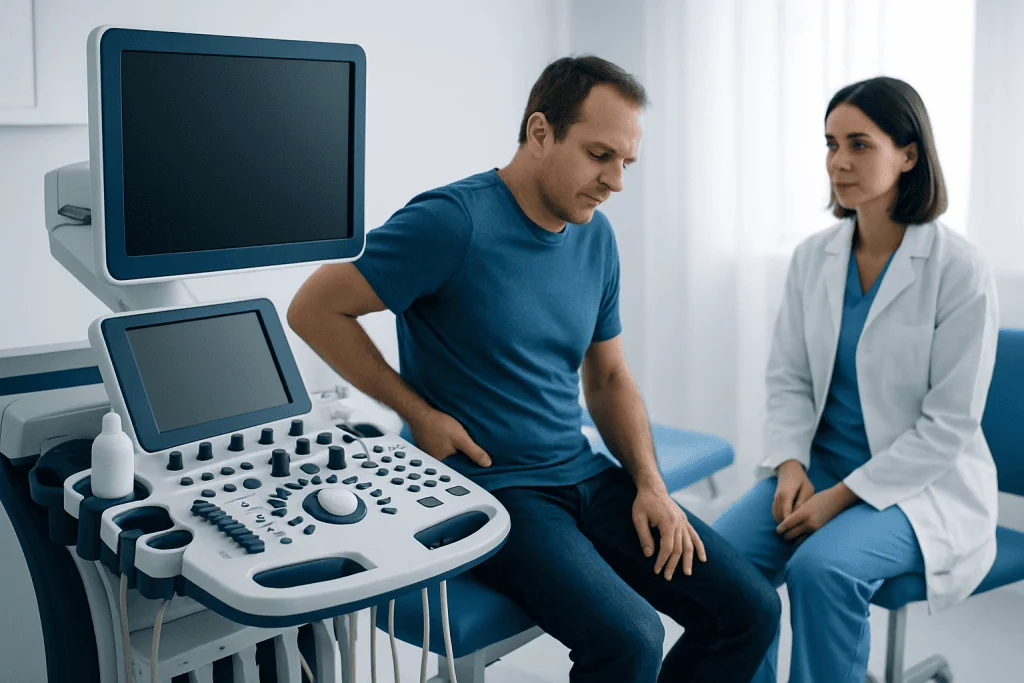
The hallmark symptom of proctalgia fugax is sudden rectal pain that is brief and intermittent. Many people describe it as stabbing, cramping, squeezing, or spasm-like. The pain may feel deep inside the rectum rather than on the skin surface, and it often disappears completely between episodes.
Attacks commonly last from a few seconds to several minutes, though some people report longer episodes. The pain may wake a person from sleep or happen during periods of rest. Because the discomfort comes and goes, a person can feel entirely well most of the time.
Symptoms that can occur with proctalgia fugax include:
- Sharp or cramping pain in the rectum
- Episodes that start suddenly and stop suddenly
- Pain without bleeding or discharge
- No symptoms between attacks
- Occasional association with stress or bowel movements
What usually does not fit proctalgia fugax is constant pain, pain with fever, or pain linked to a visible lump, ongoing bleeding, or persistent diarrhea. Those features suggest a different condition and should be discussed with a doctor.
Causes and Risk Factors
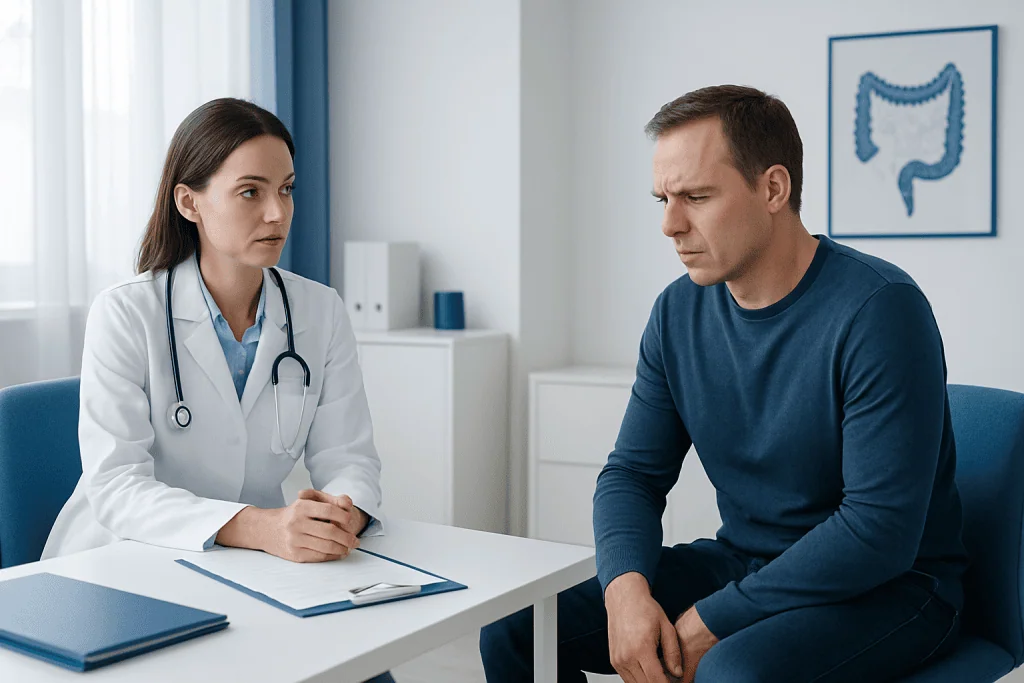
The exact cause of proctalgia fugax is not always clear, but the leading explanation is a brief spasm of the anal sphincter or pelvic floor muscles. These muscles normally help control bowel movements. If they tighten suddenly and involuntarily, they can produce intense but short-lived pain.
Episodes may occur without any obvious trigger, but some people notice patterns. Stress, anxiety, constipation, straining, sexual activity, or bowel movements may sometimes precede an attack. In others, symptoms happen at night or during relaxation, which can make them feel especially unpredictable.
Conditions that may overlap with or increase the chance of anorectal pain include pelvic floor dysfunction, irritable bowel symptoms, and prior anorectal problems. However, proctalgia fugax is different from more persistent pain syndromes such as levator ani syndrome. It is also different from structural disorders such as anal fissure, where pain is often tied to passing stool and may be accompanied by bleeding.
Risk factors are not always consistent, but episodes may be more noticeable in adults with constipation, high stress levels, or a history of anorectal sensitivity. Importantly, having proctalgia fugax does not mean a person has cancer or a serious bowel disease, though new or changing symptoms still deserve evaluation.
How Doctors Make the Diagnosis
There is no single test that confirms proctalgia fugax. Diagnosis is usually based on the symptom pattern and on excluding other causes of rectal pain. A doctor will ask how long the pain lasts, how often it occurs, whether it happens with bowel movements, and whether there is bleeding, fever, constipation, or weight loss.
A physical examination may include inspection of the anal area and, when appropriate, a gentle rectal exam. Many people with proctalgia fugax have a normal examination between episodes. That normal result is useful because it helps point away from conditions such as thrombosed hemorrhoids, abscesses, or severe inflammation.
Additional tests are not always needed, but they may be recommended if symptoms are atypical or if warning signs are present. Depending on age, medical history, and associated symptoms, a doctor may consider blood tests, stool tests, imaging, or endoscopic evaluation such as colonoscopy to rule out other gastrointestinal causes.
The key part of diagnosis is careful differentiation. Ongoing pain, bleeding, fever, drainage, or changes in bowel habits may suggest hemorrhoids, fissures, inflammatory bowel disease, infection, or other anorectal conditions rather than proctalgia fugax alone.
Treatment Options and Symptom Relief
Treatment for proctalgia fugax depends on how often episodes happen and how much they affect daily life. For many people, the most important part of care is reassurance after other causes have been excluded. Knowing that the condition is typically benign can itself reduce fear and muscle tension, which may help break the cycle of pain.
Self-care measures are often the first step. Warm baths, gentle relaxation, controlled breathing, and avoiding straining may help the spasm pass more quickly. If constipation is present, improving stool consistency through hydration, dietary fiber, and a doctor-guided bowel routine may reduce irritation around the anorectal muscles.
When episodes are frequent or disabling, a doctor may consider targeted therapies. These can include medicines to reduce spasm in selected cases, or referral for pelvic floor physical therapy if muscle dysfunction is suspected. Some patients benefit from learning how to relax pelvic muscles, improve toileting posture, and coordinate breathing with muscle release.
If another anorectal disorder is found, treatment should address that condition directly. For example, rectal pain related to inflamed hemorrhoids may improve with conservative care or, in selected cases, hemorrhoid treatment. The best plan depends on the cause, symptom pattern, and examination findings.
Prevention and Everyday Self-care
Because attacks can be unpredictable, prevention is not always possible. Still, practical habits may reduce triggers and improve comfort. Aiming for regular, soft bowel movements can lessen straining and reduce pressure on the anal and pelvic floor muscles.
Helpful everyday steps include drinking enough fluids, eating fiber-rich foods if medically appropriate, staying physically active, and responding to the urge to pass stool rather than delaying. Good bathroom habits matter too: prolonged sitting on the toilet and forceful pushing can increase anorectal muscle tension.
Stress management may also play a role. Some people notice that episodes become more frequent during periods of emotional stress or poor sleep. Relaxation techniques such as paced breathing, stretching, mindfulness, or guided pelvic floor relaxation may be useful when recommended by a clinician.
Keeping a simple symptom diary can help identify patterns. Recording timing, duration, recent meals, bowel habits, stress levels, and associated symptoms may show whether constipation, certain activities, or nighttime muscle spasm seems to trigger attacks.
When to Seek Medical Care
Medical review is important for anyone with new, severe, or recurring rectal pain, especially if there has not been a previous diagnosis. Although proctalgia fugax is often benign, rectal pain can also come from conditions that need prompt treatment. A doctor can help determine whether symptoms fit a functional pain syndrome or suggest another anorectal or bowel disorder.
Urgent assessment is recommended if pain is accompanied by fever, rectal bleeding, pus or drainage, a painful lump, significant constipation that does not improve, or inability to pass stool. Care is also important if symptoms are getting worse, lasting longer than usual, or linked to unexplained weight loss or a change in bowel habits.
People with inflammatory bowel disease, recent anorectal surgery, immune suppression, or a personal or family history of colorectal disease should be especially careful not to ignore symptoms. In these settings, doctors may need to look more closely for inflammation, infection, or structural problems.
For patients who need specialist assessment, Acibadem International’s multidisciplinary specialists and JCI-accredited hospitals evaluate anorectal and digestive symptoms for international patients, including cases where persistent rectal pain may require further gastrointestinal or colorectal review.
Frequently asked questions
Is proctalgia fugax serious?
Proctalgia fugax is usually not serious and is often considered a benign functional pain condition. The main concern is making sure the pain is not caused by another problem such as an anal fissure, hemorrhoid, infection, or bowel disease.
How long does proctalgia fugax last?
Episodes usually last from a few seconds to a few minutes, although some people describe longer attacks. A common feature is that the pain goes away completely between episodes.
What triggers proctalgia fugax?
Some episodes happen without a clear trigger, but stress, constipation, straining, bowel movements, or pelvic floor tension may play a role. In some people, attacks happen at night and may wake them from sleep.
Can proctalgia fugax be confused with hemorrhoids?
Yes. Both can cause anorectal discomfort, but hemorrhoids are structural and may cause bleeding, swelling, itching, or a lump. Proctalgia fugax usually causes sudden internal rectal pain without ongoing visible findings.
How is proctalgia fugax treated at home?
Warm baths, relaxation, avoiding straining, and managing constipation may help during or between episodes. If symptoms are frequent, persistent, or unclear, home care should be combined with medical advice to confirm the diagnosis.
Do I need tests for proctalgia fugax?
Not always. If the history and examination are typical and there are no warning signs, extensive testing may not be necessary. Tests are more likely if there is bleeding, fever, persistent pain, bowel habit changes, or concern for another condition.
References
- National Institute of Diabetes and Digestive and Kidney Diseases
- American Society of Colon and Rectal Surgeons
- Cleveland Clinic
- Merck Manual
- Mayo Clinic
This article is for general information only and is not a substitute for professional medical advice. Please consult a qualified doctor about your individual situation.
Explore treatments in Turkey — costs, top hospitals & a free quote
JCI-accredited · board-certified surgeons · reply within 24h
Add us as a Preferred Source to see more of our trusted health content across Google Search, AI Overviews and Discover.

More from the Health Library



Related Specialists

Assoc. Prof. Dr. Hatice Gamze Demirdağ
Dermatology
Prof. Dr. Kemal Özyurt
Dermatology
Assoc. Prof. Dr. Serhat Doğan
General Surgery
Prof. Dr. Murat Bozkurt
Orthopedic Surgery & Traumatology