Heel Spurs Therapy: Diagnosis, Outlook, and Modern Treatment Approaches

A heel spur is a bony growth on the heel bone, but it is not always the direct cause of pain. Heel spurs therapy often includes footwear changes, stretching, activity adjustment, and anti-inflammatory measures.
Key Takeaways
- A heel spur is a bony growth on the heel bone, but it is not always the direct cause of pain.
- Heel spurs therapy often includes footwear changes, stretching, activity adjustment, and anti-inflammatory measures.
- Doctors usually diagnose the problem through symptoms, examination, and sometimes X-rays or other imaging.
- Many people improve without surgery, especially when treatment addresses plantar fascia and Achilles tendon strain.
- Medical review is important if heel pain is severe, persistent, or makes walking difficult.
Heel spurs therapy focuses on easing pain, reducing strain on the heel, and treating the conditions that often develop alongside the spur, especially plantar fasciitis. Most people improve with conservative care, while imaging, injections, or surgery are reserved for symptoms that do not settle with time and targeted treatment.
Overview: what heel spurs therapy involves
Heel spurs therapy is the medical and self-care approach used to relieve pain linked with a heel spur, a small calcium deposit that forms a bony projection on the underside or back of the heel bone. In practice, treatment is not aimed at the spur alone. It also focuses on the irritated soft tissues around the heel, because many painful cases involve inflammation or strain in the plantar fascia or Achilles tendon.
A heel spur may be found on an X-ray even in a person who has no symptoms at all. For that reason, doctors look at the whole clinical picture rather than treating the image alone. The main goal is to reduce mechanical stress on the heel, improve mobility, and help the person return to comfortable daily activities.
Modern heel spurs therapy usually begins with conservative measures such as supportive shoes, stretching, temporary activity changes, ice, and pain-relieving medicines when appropriate. If symptoms continue, a specialist may recommend custom orthotics, physical therapy, imaging to confirm the cause, or selected procedures. Surgery is generally considered only after other methods have been tried and the pain remains function-limiting.
Symptoms and how heel spurs feel
The most common symptom is heel pain, especially with the first few steps in the morning or after sitting for a long time. Some people describe a sharp, stabbing discomfort under the heel, while others notice an ache that builds after standing, walking, or exercise. Pain often improves a little once the foot warms up, then returns later in the day if the heel is overused.
Symptoms can vary depending on where the spur is located. A spur on the bottom of the heel is often associated with strain in the plantar fascia, the thick band of tissue supporting the arch. A spur at the back of the heel may be linked with irritation where the Achilles tendon attaches. In either case, tenderness, local swelling, and reduced comfort in certain shoes may occur.
It is important to know that not every episode of heel pain is caused by a heel spur. Conditions such as plantar fasciitis, bursitis, tendon problems, nerve irritation, stress fracture, or arthritis can produce similar symptoms. This is why a careful assessment is more useful than assuming a visible spur is the only reason for pain.
- Pain with first steps after rest
- Tenderness under or behind the heel
- Discomfort after prolonged standing or walking
- Tightness in the arch or calf
- Pain made worse by unsupportive footwear
Causes and risk factors

Heel spurs develop over time when repeated pulling forces act on the tissues connected to the heel bone. This ongoing stress can encourage calcium deposits to form where tendons or fascia attach. The spur itself is a sign of chronic traction and tissue stress rather than a sudden injury.
Several factors can increase the chance of developing heel pain and spur formation. These include long periods of standing, running on hard surfaces, poorly cushioned footwear, foot mechanics such as flat feet or very high arches, and tight calf muscles. Extra body weight can also raise the load placed on the heel with each step.
Age-related wear, reduced tissue flexibility, and certain inflammatory conditions may also contribute. In some people, pain is mainly due to the surrounding soft tissues rather than the spur. That is why treatment often overlaps with care used for plantar fascia strain, overuse injuries, and other forms of foot pain.
How doctors diagnose heel spurs
Diagnosis starts with a discussion of the symptoms, including when the pain began, what activities make it worse, and whether there is morning stiffness or pain after exercise. A doctor will examine the foot and ankle, looking for tenderness, arch shape, calf tightness, gait changes, and signs of inflammation near the heel.
Imaging is not always needed at the first visit, especially if the pattern strongly suggests a common overuse problem. However, an X-ray can show a heel spur and help rule out other bone-related causes of pain. In selected cases, ultrasound or MRI may be used when the diagnosis is uncertain or when soft tissue injury, stress fracture, or another condition needs to be excluded.
The key part of diagnosis is deciding whether the heel spur is actually responsible for the pain or whether another problem is more important. This helps avoid unnecessary procedures and guides effective heel spurs therapy. If symptoms are persistent or complex, a specialist in orthopedics, sports medicine, or physical medicine may be involved in care.
Modern treatment approaches
For most people, heel spurs therapy begins with non-surgical treatment. This usually includes reducing activities that trigger pain, using well-cushioned shoes, adding heel pads or orthotic support, and doing regular stretching for the calf and plantar fascia. Ice after activity and short-term use of pain-relieving or anti-inflammatory medicines may also help when suitable for the person’s overall health.
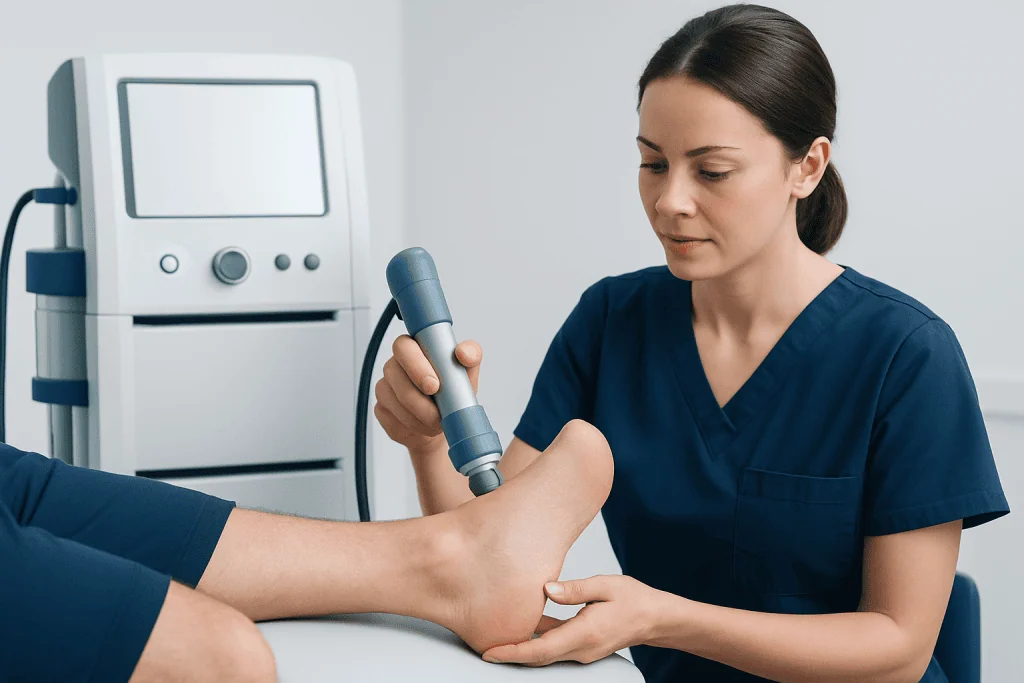
Structured rehabilitation can be especially valuable when symptoms continue. A clinician may recommend physical therapy and rehabilitation to improve flexibility, strengthen the lower leg and foot, and correct movement patterns that increase heel strain. Night splints, taping, and custom orthotics may be suggested in selected cases to support healing and reduce repeated stress on the tissue attachment points.
If conservative care does not give enough relief, more targeted options may be considered. These can include image-guided injections in carefully selected patients, though repeated steroid injections are used cautiously because of possible tissue weakening. Some centers may also discuss other minimally invasive therapies depending on the exact diagnosis and local expertise. Imaging-guided assessment can be part of planning, and in some cases orthopedic rehabilitation is used after a flare or procedure to restore comfortable walking.
Surgery is usually reserved for chronic, disabling pain that has not improved after a substantial period of well-directed non-surgical treatment. The exact operation depends on the cause of symptoms and may involve releasing tight tissue or removing the spur in selected cases. When surgery is considered, doctors carefully weigh expected benefit against recovery time and possible complications.
Prevention and self-care for long-term relief
Prevention focuses on lowering repetitive stress on the heel. Shoes should fit well, provide cushioning, and support the arch appropriately for the person’s foot shape and daily activities. Replacing worn-out athletic shoes can make a meaningful difference, especially for people who walk or run regularly.
Daily stretching of the calf muscles and plantar fascia can help reduce tension on the heel. Warming up before exercise, increasing training gradually, and avoiding sudden spikes in impact activity are also sensible measures. If standing for long hours is unavoidable, cushioned insoles or supportive footwear may ease the load.
Weight management, where relevant, may reduce pressure on the heel over time. People who have recurrent symptoms should seek assessment of their foot mechanics rather than repeatedly resting without a plan. For some patients with broader musculoskeletal problems, specialist orthopedic care can help identify contributing factors and guide a long-term strategy.
Outlook and when to seek medical care
The outlook is usually good. Many people improve over weeks to months with consistent conservative care, especially when the treatment plan addresses both the heel spur and the soft tissue strain around it. Recovery can be gradual, so regular stretching, proper footwear, and realistic activity modification are often more effective than expecting instant relief.
Medical review is advisable if heel pain lasts more than a few weeks, keeps returning, or interferes with walking, work, or exercise. Prompt assessment is also important if the pain is severe, follows an injury, is associated with swelling, numbness, redness, fever, or if the person cannot bear weight comfortably. These features may point to a different diagnosis that needs specific treatment.
For international patients with persistent heel symptoms, Acibadem International’s multidisciplinary specialists in JCI-accredited hospitals evaluate the cause of heel pain and offer evidence-based treatment plans, including rehabilitation and orthopedic assessment when needed. Early evaluation can help clarify whether symptoms are due to a heel spur alone or another condition requiring a different approach.
Frequently asked questions
Can a heel spur go away on its own?
A heel spur itself usually does not disappear, because it is a bony growth. However, symptoms often improve significantly when inflammation and strain in the surrounding tissues are treated. Many people feel better even though the spur remains visible on imaging.
Is heel spurs therapy the same as plantar fasciitis treatment?
There is a lot of overlap because heel spurs and plantar fasciitis commonly occur together. Treatment often includes similar measures such as stretching, supportive footwear, orthotics, and activity modification. The plan may be adjusted depending on whether the main source of pain is the plantar fascia, the Achilles insertion, or another structure.
Do all heel spurs cause pain?
No. Many heel spurs are found incidentally on X-rays in people who have no heel pain at all. Doctors therefore treat the symptoms and the underlying tissue problem, not just the image finding.
How long does recovery usually take?
Recovery varies with the cause, symptom severity, footwear, daily activity level, and how consistently treatment is followed. Some people improve within a few weeks, while others need several months of structured conservative care. Persistent symptoms may require a more detailed assessment.
When is surgery considered for a heel spur?
Surgery is usually considered only when pain remains significant after a sustained trial of non-surgical treatment. A doctor will first confirm that the heel spur is truly contributing to symptoms and that other causes have been addressed. The benefits and possible risks are reviewed carefully before any operation is planned.
What kind of shoes help with heel spur pain?
Shoes with good cushioning, stable support, and enough room around the heel are often most helpful. Very flat, thin-soled, or worn-out shoes may increase strain on the heel. Some people also benefit from heel cups, insoles, or custom orthotics recommended by a clinician.
References
- American Academy of Orthopaedic Surgeons
- American Orthopaedic Foot & Ankle Society
- National Institute of Arthritis and Musculoskeletal and Skin Diseases
- Mayo Clinic
- National Health Service
This article is for general information only and is not a substitute for professional medical advice. Please consult a qualified doctor about your individual situation.
Explore treatments in Turkey — costs, top hospitals & a free quote
JCI-accredited · board-certified surgeons · reply within 24h
Add us as a Preferred Source to see more of our trusted health content across Google Search, AI Overviews and Discover.