Ureter: An Evidence-Based Guide for Patients
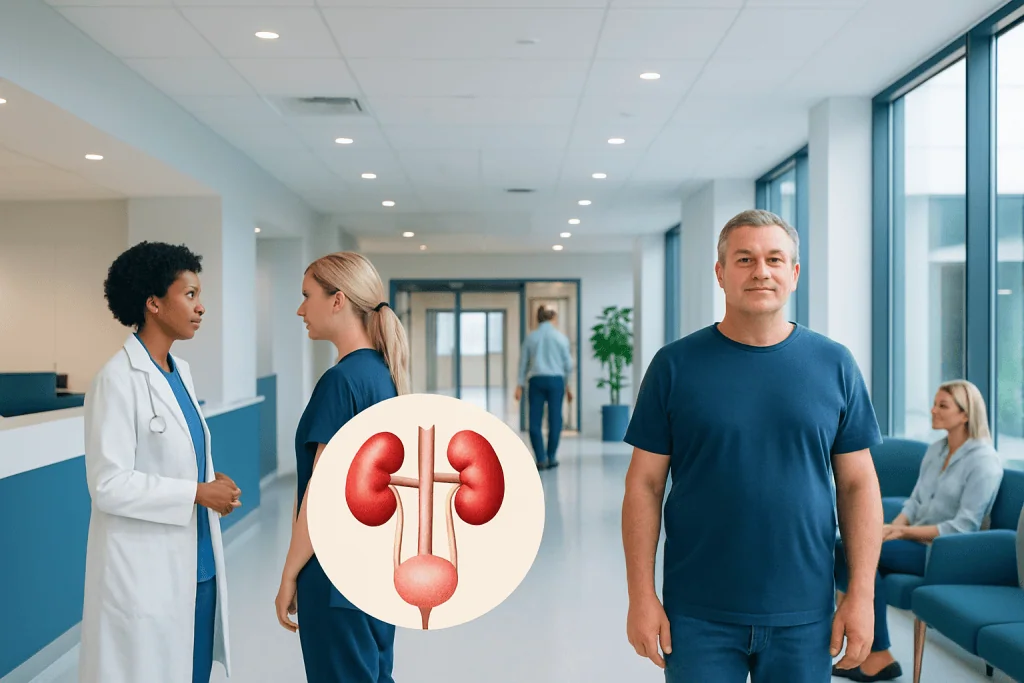
Each person usually has two ureters, one connecting each kidney to the bladder. The ureter moves urine with rhythmic muscle contractions rather than gravity alone.
Key Takeaways
- Each person usually has two ureters, one connecting each kidney to the bladder.
- The ureter moves urine with rhythmic muscle contractions rather than gravity alone.
- Common ureter problems include stones, blockage, infection, reflux, and injury.
- Symptoms may include side pain, painful urination, blood in the urine, fever, or nausea.
- Tests such as urine studies, ultrasound, and CT scans help identify the cause.
- Treatment depends on the problem and may range from hydration and medicines to procedures.
The ureter is a narrow muscular tube that carries urine from the kidneys to the bladder. Most people only hear about the ureter when a stone, blockage, infection, or injury affects urine flow and causes symptoms that need medical attention.
What the ureter is and why it matters
The ureter is a thin, muscular tube that transports urine from the kidney to the bladder. Most adults have two ureters, one on each side. Although small, they play an essential role in the urinary system because they allow urine to leave the kidneys safely and reach the bladder for storage before urination.
The ureters do not work like passive pipes. Their walls contain smooth muscle that contracts in coordinated waves, a process called peristalsis. These contractions gently push urine downward even when a person is lying down, helping maintain one-way flow.
Each ureter begins at the renal pelvis of the kidney and enters the bladder at an angle that helps reduce backflow. This valve-like entry is important because it helps keep urine from moving backward toward the kidneys. When the ureter works normally, urine passes without pain, pressure, or awareness.
Many health concerns involving the ureter happen because the tube is narrow. A kidney stone can become lodged there, swelling can narrow the passage, or an anatomical problem can interrupt flow. Understanding the ureter helps explain symptoms such as flank pain, blood in the urine, or repeated urinary infections.
How the ureter works in the urinary system
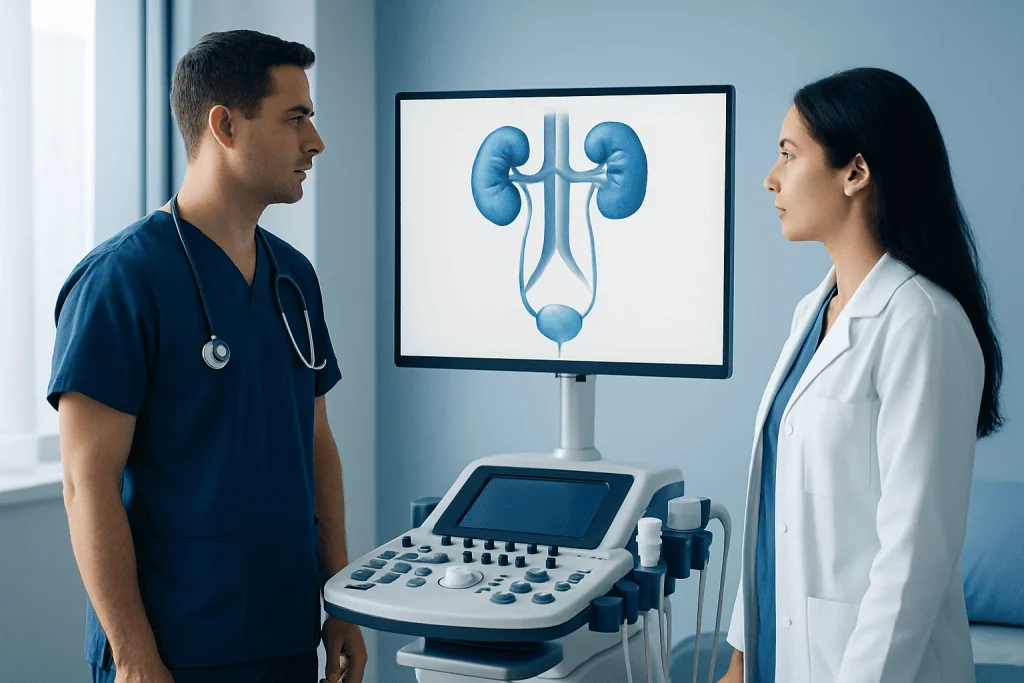
The kidneys filter blood and produce urine, which contains water and waste products. Once formed, urine collects in the center of each kidney and then enters the ureter. From there, it travels to the bladder, where it remains until urination.
The ureter has several natural narrow points. These include the area where it leaves the kidney, where it crosses the pelvic brim, and where it enters the bladder. These narrow points are clinically important because stones often become stuck there, causing pain and obstruction.
The inner lining of the ureter is designed to stretch and protect tissue from urine. The muscular wall contracts regularly to move urine efficiently. Blood supply and nearby nerves support this function, and any disruption from inflammation, compression, surgery, or congenital differences can affect how well urine drains.
Because the urinary system works as a connected pathway, ureter problems can sometimes be related to kidney stones, infections, or bladder disorders. When urine flow is slowed or blocked, pressure can build up above the obstruction, which may affect kidney function if not addressed.
Common ureter problems and symptoms

The most common ureter problem is obstruction, often caused by a stone. A stone in the ureter may trigger sudden, severe pain in the side or back, sometimes spreading toward the lower abdomen or groin. Nausea, vomiting, sweating, restlessness, and blood in the urine can also occur.
Other ureter problems include narrowing of the tube, called a stricture, infection, injury, and vesicoureteral reflux, in which urine flows backward from the bladder toward the kidney. Some people are born with structural differences that affect one or both ureters. In adults, prior surgery, inflammation, tumors pressing from nearby organs, or scar tissue can also cause trouble.
Symptoms vary depending on the cause and whether urine flow is partially or completely blocked. They may include flank pain, burning with urination, frequent urination, fever, cloudy or foul-smelling urine, reduced urine output, or recurring urinary tract infections. Mild problems can be subtle, while acute blockage can be quite painful.
Not every ureter condition causes obvious symptoms right away. In some cases, a problem is found during imaging for another reason or after blood tests suggest reduced kidney function. Persistent pain, repeated infections, or visible blood in the urine should always be assessed by a clinician.
What causes ureter disease and who is at risk
Ureter conditions can arise from many causes. Stones form when certain minerals crystallize in the urine and then move out of the kidney into the ureter. Scar tissue may follow infection, inflammation, prior stone passage, radiation therapy, or surgery involving the urinary tract or nearby organs.
Some people are born with urinary tract variations that increase the risk of poor drainage or reflux. Pregnancy can also affect the ureters because hormonal changes and the enlarging uterus may slow drainage, usually temporarily. In older adults, enlarged pelvic organs or masses may compress a ureter from the outside.
Risk factors for ureter stones overlap with kidney stone risk factors and include dehydration, certain dietary patterns, some metabolic conditions, and a personal or family history of stones. Recurrent urinary infections, previous urinary procedures, and chronic inflammatory conditions may raise the risk of strictures or other complications.
Sometimes a ureter problem is part of a broader urologic condition, including hydronephrosis, where backed-up urine causes swelling of the kidney. Identifying the underlying cause matters because treatment should restore urine flow and protect long-term kidney health, not only relieve symptoms.
How doctors diagnose ureter problems
Diagnosis usually begins with a careful history and physical examination. A doctor will ask about the location and timing of pain, urinary symptoms, fever, prior stones, surgeries, medications, and any pattern of repeated infections. This information helps narrow down whether the problem may be a stone, infection, obstruction, or another condition.
Urine testing is commonly used to look for blood, infection, crystals, or signs of kidney involvement. Blood tests may check kidney function and look for inflammation or infection. These basic tests are often the first step because they can quickly show whether urgent treatment may be needed.
Imaging is often important to confirm the diagnosis. Ultrasound can show swelling of the kidney and may detect some stones or obstruction. CT scans are widely used in acute stone evaluation because they show stone location and size clearly. In selected cases, MRI, contrast studies, cystoscopy, or specialized tests may be used to examine the ureter in more detail.
If a stone, blockage, or structural issue is suspected, patients may be referred for urology evaluation and targeted management. The goal is to identify whether urine is draining properly, how severe the problem is, and whether the kidney is at risk.
Treatment options for ureter conditions
Treatment depends on the cause, severity, symptoms, and whether the kidney is being affected. Small stones may pass on their own with time, hydration advice, pain control, and close follow-up. However, larger stones, uncontrolled pain, infection, or complete blockage may require prompt intervention.
Procedures may be used to remove or bypass an obstruction. Doctors may place a ureteral stent to keep the tube open and help urine drain, especially if swelling or a stone is causing blockage. In other situations, endoscopic treatment such as ureteroscopy can locate and remove or break up a stone inside the ureter. Some stones may also be treated with shock wave lithotripsy when appropriate.
If the issue is a stricture or anatomical narrowing, treatment may involve dilation, endoscopic incision, reconstructive surgery, or other techniques chosen according to the location and length of the narrowing. Infection is treated with appropriate antibiotics, and the urinary tract may need to be drained urgently if infection and blockage occur together.
When a ureter condition is linked to surrounding disease or more complex urinary tract problems, care may involve several specialties. Near the end of the treatment pathway, some patients benefit from imaging follow-up to ensure the obstruction has cleared and kidney function is preserved. Acibadem International’s multidisciplinary specialists in JCI-accredited hospitals diagnose and treat ureter conditions for international patients when advanced evaluation or procedures are needed.
Prevention, self-care, and protecting urinary health
Not every ureter problem can be prevented, but healthy habits can lower the risk of some common causes, especially stones and infections. Adequate fluid intake helps keep urine diluted and may reduce the chance of crystal formation in susceptible individuals. People with a history of stones may need personalized dietary or metabolic evaluation.
Prompt treatment of urinary tract infections can help reduce the chance of complications that spread upward or lead to scarring. It is also helpful to avoid delaying urination regularly, follow advice after urinary procedures, and attend follow-up visits if a doctor has identified a structural issue.
Self-care should not replace evaluation when symptoms are significant. Over-the-counter pain relief, rest, and fluids may support comfort in some cases, but they are not enough for severe pain, fever, vomiting, inability to pass urine, or symptoms that persist. These may indicate a blockage or infection that needs timely medical assessment.
People with recurring urinary symptoms, repeated stone episodes, or known urinary tract abnormalities may benefit from specialist review. Prevention often becomes more effective when based on the specific cause, such as stone type, reflux, scarring, or a recurring source of obstruction.
When to seek medical care
Medical care is important if a person has sudden severe side or back pain, visible blood in the urine, fever, chills, or pain with nausea and vomiting. These symptoms can suggest a ureter stone, obstruction, or urinary infection that may need urgent treatment. A blocked urinary system combined with infection is especially important to assess quickly.
Anyone who cannot keep fluids down, has reduced urine output, feels faint, or has worsening pain despite home measures should seek urgent evaluation. People with one kidney, known kidney disease, pregnancy, diabetes, or weakened immunity should be particularly cautious because urinary obstruction or infection may pose added risks.
Less urgent but still important reasons to see a doctor include repeated urinary tract infections, frequent flank discomfort, persistent burning with urination, or ongoing microscopic or visible blood in the urine. These symptoms may reflect stones, narrowing, reflux, or another urinary tract problem that should not be ignored.
A clinician can determine whether monitoring is enough or whether imaging, specialist assessment, or treatment is needed. Early evaluation often helps relieve symptoms sooner and may prevent complications affecting the kidneys or bladder.
Frequently asked questions
What does the ureter do?
The ureter carries urine from the kidney to the bladder. Each ureter uses gentle muscular contractions to move urine downward continuously.
Is the ureter the same as the urethra?
No. The ureter connects a kidney to the bladder, while the urethra carries urine from the bladder out of the body. They are different parts of the urinary system with different roles.
Can a ureter stone pass on its own?
Some small stones can pass naturally, especially if symptoms are manageable and urine flow is maintained. However, larger stones, severe pain, fever, or signs of blockage often need medical treatment.
What does ureter pain feel like?
Pain from the ureter is often felt in the side or back and may move toward the lower abdomen or groin. It can come in waves and may be accompanied by nausea, restlessness, or blood in the urine.
How are ureter problems diagnosed?
Doctors usually combine symptoms, examination, urine tests, blood tests, and imaging studies. Ultrasound and CT scans are commonly used to find stones, swelling, or obstruction.
Can a ureter blockage damage the kidney?
Yes, if urine stays blocked for too long, pressure can build up and affect kidney function. This is why ongoing pain, fever, or reduced urine output should be evaluated promptly.
This article is for general information only and is not a substitute for professional medical advice. Please consult a qualified doctor about your individual situation.
Explore treatments in Turkey — costs, top hospitals & a free quote
JCI-accredited · board-certified surgeons · reply within 24h
Add us as a Preferred Source to see more of our trusted health content across Google Search, AI Overviews and Discover.

More from the Health Library

Morsicatio Buccarum — Explained by Medical Evidence, Not Myths

Trazadone for Sleep: What Patients Need to Know

Jaw Hurts Heart Attack: What Patients Need to Know

X Ray: An Evidence-Based Guide for Patients

Dental Cleaning — Explained by Medical Evidence, Not Myths