Prosthodontist: What Patients Need to Know

A prosthodontist specializes in replacing and restoring teeth and related oral structures. They often manage complex cases involving missing teeth, worn teeth, dentures, implants, and bite problems.
Key Takeaways
- A prosthodontist specializes in replacing and restoring teeth and related oral structures.
- They often manage complex cases involving missing teeth, worn teeth, dentures, implants, and bite problems.
- Treatment plans are individualized and may involve other dental or medical specialists.
- Early evaluation can help preserve function, comfort, and long-term oral health.
- Patients should seek care for persistent chewing difficulty, ill-fitting dentures, tooth loss, or major tooth wear.
A prosthodontist is a dentist with advanced training in restoring and replacing teeth, improving bite, comfort, and appearance. Patients may be referred to a prosthodontist for complex crowns, bridges, dentures, implants, jaw-related bite problems, or full-mouth rehabilitation.
Overview: What a Prosthodontist Does
A prosthodontist is a dentist who has completed additional advanced training in restoring and replacing teeth. Their work focuses on helping patients regain chewing ability, speech, comfort, and a natural-looking smile when teeth are missing, damaged, severely worn, or difficult to restore with routine dental care alone.
In practical terms, a prosthodontist plans and provides treatments such as crowns, bridges, dentures, implant-supported restorations, veneers in selected cases, and full-mouth rehabilitation. They also evaluate how the teeth, gums, jaw joints, and facial muscles work together, because successful restoration is not only about appearance but also about bite balance and function.
Many patients see a general dentist for regular care and may then be referred to a prosthodontist for more complex needs. This may include restoring several teeth at once, replacing all teeth in one arch, improving an unstable bite, or treating oral changes after injury, disease, or long-term tooth loss.
How a Prosthodontist Differs From Other Dental Specialists
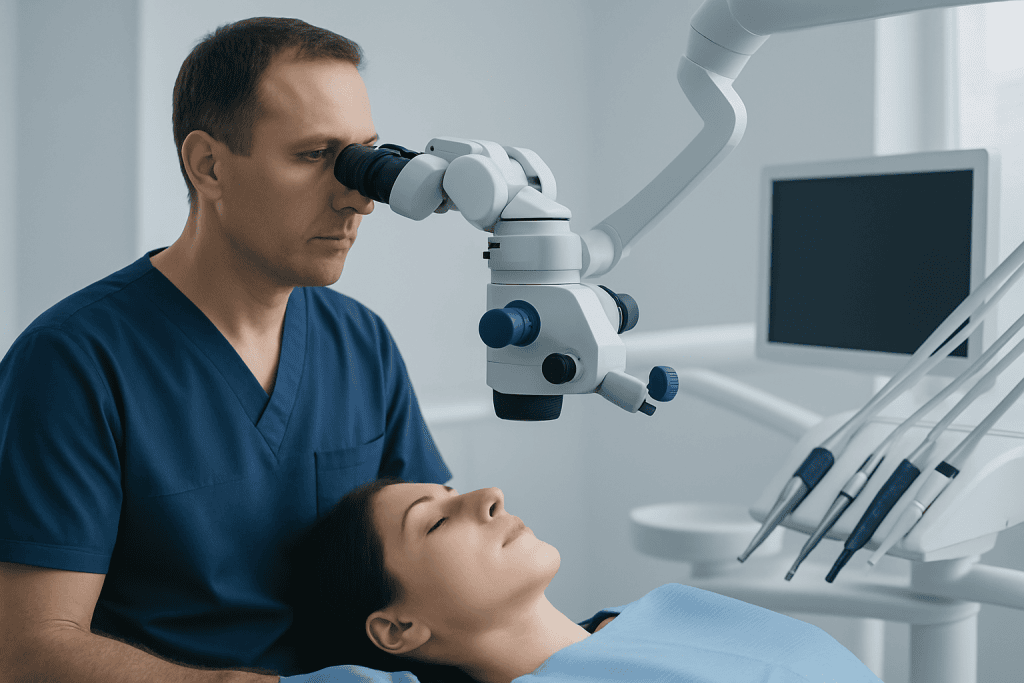
Patients often wonder whether they need a prosthodontist, an orthodontist, an oral surgeon, or a general dentist. A prosthodontist is specifically trained to design and deliver advanced tooth replacement and oral rehabilitation. While a general dentist may provide routine crowns or dentures, a prosthodontist usually takes the lead when the case is more complex or when several treatment options need careful coordination.
Other specialists have different roles. An oral and maxillofacial surgeon may remove teeth or place some implants. A periodontist focuses on gum and supporting bone health. An orthodontist corrects tooth and jaw alignment. A prosthodontist often works with these professionals to create the final functional and cosmetic result, especially in cases that need staged care.
This team-based approach can be important for patients with advanced tooth wear, multiple missing teeth, implant needs, congenital conditions, or facial changes after trauma or cancer treatment. The prosthodontist helps connect the different steps into one treatment plan that aims to restore the mouth as a whole.
When Patients May Need a Prosthodontist

A referral to a prosthodontist may be helpful when a patient has lost one or more teeth, has broken down or heavily restored teeth, or is struggling with dentures that no longer fit properly. Patients with a collapsed bite from long-term grinding, significant enamel wear, or old dental work that needs extensive replacement may also benefit from specialist assessment.
Some people seek a prosthodontist because they want a durable and carefully planned solution rather than a single isolated procedure. For example, replacing a tooth may involve deciding between a bridge, a removable denture, or dental implants, depending on bone support, adjacent teeth, oral hygiene, general health, and patient preferences.
Common reasons for consultation include:
- One or more missing teeth
- Loose, uncomfortable, or worn dentures
- Broken, cracked, or severely worn teeth
- Difficulty chewing or changes in bite
- Jaw discomfort linked to bite imbalance
- Need for complex crowns, bridges, or implant restorations
- Oral rehabilitation after trauma, surgery, or chronic tooth grinding
Some patients are also referred after treatment for oral cancer or major facial injury, when restoring speech, swallowing, and appearance may require specialized prosthodontic planning alongside medical care.
Conditions and Problems Prosthodontists Commonly Treat
Prosthodontists care for a wide range of restorative and functional dental problems. Missing teeth are one of the most common concerns, but the specialty also includes management of tooth wear, bite collapse, failed restorations, poorly fitting dentures, and cosmetic issues that affect confidence or social comfort.
Severe tooth wear can happen gradually from grinding, clenching, acid exposure, or aging restorations. Over time, teeth may become shorter, more sensitive, and less effective for chewing. In these cases, a prosthodontist may rebuild the bite in a controlled way so that the teeth, muscles, and jaw joints can function more comfortably.
Patients with complete or partial dentures may also need specialist input when the fit is unstable, sore spots keep returning, or speaking and eating have become difficult. Advanced options may include precision-made removable prostheses or implant-supported solutions. In selected patients, treatment may involve All-on-4 dental implants or other implant-based full-arch approaches if clinically appropriate.
Additional problems that may prompt prosthodontic care include congenital tooth absence, major tooth discoloration that also involves structural damage, complications after extensive decay, and rehabilitation after head and neck treatment. In complex cases, the goal is not only to replace teeth but to restore overall oral harmony.
How Diagnosis and Treatment Planning Work
A prosthodontic evaluation is usually detailed because treatment choices affect long-term function and comfort. The prosthodontist reviews symptoms, medical history, dental history, oral hygiene habits, and patient goals. They examine the teeth, gums, bite, jaw movement, facial proportions, and the condition of any existing crowns, bridges, implants, or dentures.
Diagnostic records may include dental X-rays, photographs, digital scans, impressions, and bite analysis. In some cases, especially when implants or bone support are being considered, three-dimensional imaging may be needed. The aim is to understand not just which teeth are affected, but why the problem developed and what supporting structures are available for restoration.
Treatment planning often compares more than one option. For a missing tooth, choices may include a conventional bridge, a removable prosthesis, or an implant-supported restoration. For larger cases, the prosthodontist may first stabilize gum health, treat decay, or coordinate extractions or implant placement before the final restorations are made.
Patients benefit from asking about expected steps, maintenance needs, treatment duration, and possible limitations. A well-planned prosthodontic approach usually considers durability, cleanability, comfort, aesthetics, and how the final result can be maintained over time.
Common Prosthodontic Treatments
Prosthodontic treatment depends on how many teeth are involved, the health of the gums and bone, the strength of the remaining teeth, and the patient’s preferences. A single damaged tooth may be restored with a crown, while several missing teeth may be treated with a bridge, denture, or implant-supported prosthesis.
Common treatments include fixed crowns for weakened teeth, bridges to replace one or more missing teeth, complete or partial dentures, and implant restorations. Implant-based care may support a single tooth, several teeth, or a full arch. In suitable cases, a prosthodontist may coordinate advanced solutions such as zirconium crown restorations when strength and appearance are important.
For complex wear or bite problems, the specialist may recommend phased full-mouth rehabilitation. This can involve temporary restorations to test bite position and comfort before final treatment is completed. The process may take time, but this careful sequencing can improve predictability in complicated cases.
Maintenance is part of treatment. Even high-quality restorations need regular follow-up, good daily cleaning, and monitoring for changes in the gums, supporting bone, or bite. A prosthodontist typically provides guidance on protecting the investment in oral function over the long term.
Prevention, Self-Care, and Long-Term Follow-Up
Although prosthodontists treat established problems, prevention still matters. Regular dental checkups, daily brushing with fluoride toothpaste, interdental cleaning, and timely treatment of decay or gum disease can reduce the risk of tooth loss and complex reconstruction. Replacing missing teeth early may also help prevent neighboring teeth from shifting and the bite from becoming less stable.
Patients who grind or clench their teeth may need a protective night guard if recommended by their dentist. Avoiding tobacco, limiting excessive sugar intake, and managing dry mouth can also support long-term oral health. Denture wearers should clean prostheses as advised and report changes in fit, pressure areas, or difficulty speaking or chewing.
Implants, crowns, and bridges are not maintenance-free. They still require careful cleaning and routine follow-up. Ongoing reviews help detect early signs of gum inflammation, wear, loosening, fracture, or changes in the bite before they become larger problems.
For international patients who need coordinated restorative care, Acibadem International’s multidisciplinary specialists in JCI-accredited hospitals diagnose and treat complex dental and oral rehabilitation needs with individualized planning.
When to Seek Medical Care
Patients should seek dental or prosthodontic evaluation if they have persistent difficulty chewing, repeated breakage of teeth or restorations, ongoing denture discomfort, or visible tooth wear that seems to be getting worse. Care is also important after tooth loss, especially if multiple teeth are missing or the bite has changed.
Prompt assessment is advisable if there is jaw pain when biting, speech changes related to missing teeth or poorly fitting dentures, chronic mouth sores caused by a dental appliance, or trouble keeping a prosthesis in place. These issues may not always be emergencies, but they can affect nutrition, comfort, and quality of life if left untreated.
Urgent dental care may be needed for sudden facial swelling, severe dental pain, trauma, bleeding that does not stop, or signs of infection such as fever with worsening oral symptoms. If a patient has a non-healing mouth ulcer, lump, or unexplained red or white patch, they should be examined promptly because these symptoms may need further evaluation beyond routine restorative care.
Frequently asked questions
What is a prosthodontist?
A prosthodontist is a dentist with additional advanced training in restoring and replacing teeth. They help patients improve chewing, speech, comfort, bite function, and smile appearance through treatments such as crowns, bridges, dentures, and implant restorations.
Do patients need a referral to see a prosthodontist?
Not always. Some patients are referred by a general dentist, while others make an appointment directly when they have missing teeth, denture problems, severe tooth wear, or complex restorative needs. Requirements can vary by country, clinic, and insurance plan.
Can a prosthodontist place dental implants?
In some settings, a prosthodontist may place implants if trained and licensed to do so. In other cases, they work with an oral surgeon or another implant-trained specialist and then design and fit the final implant-supported teeth.
Is a prosthodontist only for cosmetic dental work?
No. Appearance is one part of the specialty, but prosthodontics is mainly about restoring function, bite stability, speech, and oral comfort. Many patients see a prosthodontist because of tooth loss, damaged restorations, or difficulty eating rather than cosmetic concerns alone.
How is a prosthodontist different from a general dentist?
A general dentist provides broad routine dental care, including prevention and many common restorations. A prosthodontist has extra specialized training in complex rehabilitation, especially when many teeth are involved or when bite, implants, dentures, and function must be managed together.
How long does prosthodontic treatment usually take?
The timeline depends on the type and complexity of treatment. A single crown or denture adjustment may be relatively straightforward, while implant-based or full-mouth rehabilitation may take longer because healing, testing, and multiple stages are often needed.
This article is for general information only and is not a substitute for professional medical advice. Please consult a qualified doctor about your individual situation.
Explore treatments in Turkey — costs, top hospitals & a free quote
JCI-accredited · board-certified surgeons · reply within 24h
Add us as a Preferred Source to see more of our trusted health content across Google Search, AI Overviews and Discover.

More from the Health Library

Inflamed Gallbladder: What Patients Need to Know

Itching of Throat and Ears: A Complete Medical Overview

Water Walking: A Complete Medical Overview

B Belly — Explained by Medical Evidence, Not Myths

Hemoglobin — Explained by Medical Evidence, Not Myths