What Do Medical Assistants Do? Here Is What the Evidence Says

Medical assistants often perform both administrative and basic clinical tasks. They work under the supervision of physicians or other licensed healthcare professionals.
Key Takeaways
- Medical assistants often perform both administrative and basic clinical tasks.
- They work under the supervision of physicians or other licensed healthcare professionals.
- Their responsibilities vary by clinic type, employer needs, and local laws.
- They do not diagnose conditions independently or prescribe treatment.
- Patients should seek clarification if they are unsure about any staff member’s role in their care.
What do medical assistants do? In most healthcare settings, medical assistants help visits run smoothly by combining front-office support with basic clinical tasks under the supervision of a physician or other licensed clinician. Their exact duties vary by country, workplace, training, and local regulations, but they are not the same as doctors or nurses.
Overview: What medical assistants do
For most patients, contact with a medical assistant is a routine and helpful part of care. Medical assistants commonly prepare patients for visits, record basic health information, organize paperwork, and assist the care team with everyday clinical workflows. In many cases, their work is not something to worry about; it is part of how outpatient clinics, specialist offices, and hospitals keep care efficient and organized.
In simple terms, when people ask, “what do medical assistants do,” the answer is that they support patient care in both administrative and clinical ways. They may greet patients, confirm medications, measure vital signs, prepare examination rooms, document information in the medical record, and help coordinate follow-up instructions. Their role is supportive and practical rather than independent or decision-making.
Medical assistants usually work in outpatient settings such as family medicine, pediatrics, cardiology, dermatology, and surgical clinics. Depending on training and local regulations, they may help with tasks such as collecting samples, preparing patients for procedures, or giving routine instructions approved by the supervising clinician. Some also help arrange tests such as blood work or imaging, including services related to MRI scans when ordered by a doctor.
Because job titles and responsibilities differ across health systems, patients may notice some variation. A medical assistant is not a substitute for a physician, and in many systems is also different from a registered nurse. Understanding this distinction can help patients know who is handling which part of their care.
What happens during a patient visit
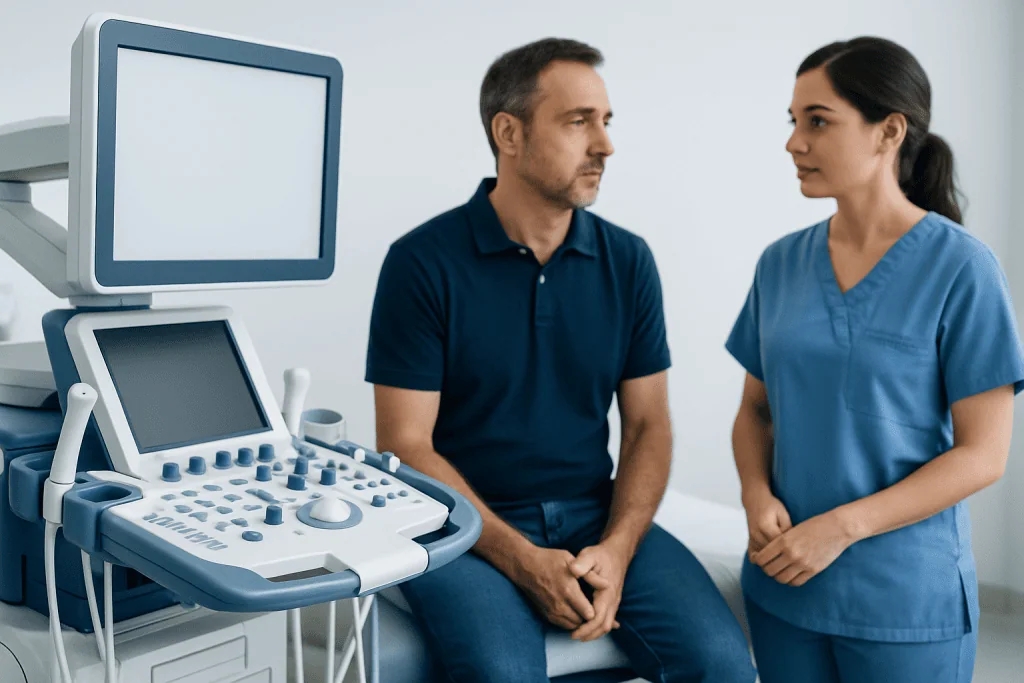
Medical assistants are often the first clinical staff members a patient meets after check-in. They may call the patient from the waiting area, confirm identity, update contact details, review the reason for the visit, and ask about symptoms, allergies, medications, or recent health changes. This helps the physician begin the appointment with organized, up-to-date information.
They commonly measure height, weight, temperature, pulse, blood pressure, and oxygen levels. In some settings, they may also ask standardized questions about pain, smoking, vaccination history, or general wellbeing. These steps do not replace a doctor’s assessment, but they provide the background information needed for safe and efficient care.
Before the clinician enters, a medical assistant may prepare the room and explain what to expect during the visit. Afterward, they may reinforce discharge instructions, help schedule follow-up appointments, arrange referrals, or prepare forms. If a patient is being evaluated for symptoms such as chest discomfort, headache, or tiredness, the medical assistant may help coordinate ordered tests while the doctor leads diagnosis and treatment planning.
In specialist clinics, their duties may be more tailored. For example, they may support patients attending evaluations for heart disease or help coordinate further tests if a clinician suspects high blood pressure as part of a broader assessment. Even then, the interpretation of results and medical decisions remain the responsibility of licensed clinicians.
Clinical tasks medical assistants may perform

The clinical side of the role usually involves basic, protocol-based support tasks rather than independent diagnosis. Common duties include taking vital signs, documenting medical history, preparing patients for examinations, cleaning and stocking rooms, and assisting the clinician during minor office procedures. In some settings, they may also prepare equipment, label specimens, or perform simple point-of-care testing if permitted.
Depending on training and local rules, a medical assistant may collect blood or other samples, perform electrocardiograms, remove simple dressings, or provide approved patient education. They may also help with vaccination workflows or assist with routine injections when authorized. These tasks are typically performed according to written protocols and under appropriate supervision.
Some medical assistants work in surgical or procedural clinics, where they help with pre-visit preparation, consent paperwork, patient positioning, and post-visit instructions. Others support chronic disease follow-up, helping monitor information related to conditions such as diabetes while the physician reviews results and adjusts treatment.
It is important for patients to know that medical assistants generally do not independently diagnose illnesses, decide treatment plans, or prescribe medication. If a patient has questions about a diagnosis, test result, new symptom, or medication change, those concerns should be addressed by a doctor or other licensed prescribing clinician.
Administrative and coordination duties
A large part of what medical assistants do happens behind the scenes. Administrative responsibilities may include answering phones, scheduling appointments, managing patient flow, processing forms, updating medical records, obtaining prior authorizations, and helping patients understand next steps. These tasks support continuity of care and reduce delays.
In many practices, medical assistants act as a communication link between patients and clinicians. They may relay routine messages, confirm preparation instructions for tests, or coordinate referrals to specialists. For example, if a physician orders imaging or a consultation, the medical assistant may help arrange the appointment and explain practical details such as timing, location, or preparation.
Accurate documentation is another key responsibility. Medical assistants may enter histories, medication lists, and visit updates into electronic health records for the clinician to review. Good documentation helps reduce errors and supports safer care, especially for patients with multiple conditions or frequent follow-up visits.
In some cases, they also help patients navigate treatment plans across departments. This can include organizing appointments related to general check-ups or coordinating diagnostic pathways after a physician has identified the need for further evaluation. Their work is often administrative in form, but it can make the patient experience clearer and more efficient.
Training, supervision, and limits of the role
Medical assistants usually complete formal training programs or workplace-based training, depending on the country and employer. Some hold certification, while others work under institution-specific competency standards. Because requirements vary, patients may notice differences in what individual medical assistants are allowed to do.
What remains consistent is supervision. Medical assistants work under the direction of physicians or other licensed clinicians, and their scope of practice is defined by local law, professional standards, and workplace policy. They are part of the healthcare team, but they do not replace professionals who are licensed to diagnose, prescribe, or perform more advanced procedures independently.
This distinction matters for patient safety. For example, a medical assistant may collect information about symptoms such as dizziness, fatigue, or pain, but a doctor determines whether those symptoms might relate to infection, anemia, heart problems, or another cause. If a patient needs more complex evaluation, the clinician may order tests or specialist review, such as cardiology care when symptoms raise concern about the heart or circulation.
Patients should feel comfortable asking who is providing their care and what that person’s role is. Clear communication can build trust and reduce confusion, especially in larger clinics where several team members may be involved in one visit.
When to seek medical care
In most routine appointments, seeing a medical assistant is a normal part of care and not a warning sign about health. However, patients should seek prompt medical review if they have concerning symptoms rather than relying only on administrative advice or delayed messaging. Red flags include chest pain, severe shortness of breath, sudden weakness, fainting, heavy bleeding, severe allergic reactions, confusion, or symptoms of stroke.
Medical review is also important if symptoms are persistent, worsening, or interfering with daily life. Examples include repeated fever, unexplained weight loss, ongoing vomiting, severe abdominal pain, new vision changes, or high blood pressure readings accompanied by headache or breathlessness. In these situations, a medical assistant can help direct the patient, but a licensed clinician needs to assess the problem.
When a patient presents with urgent or unexplained symptoms, the usual next steps include a medical history, physical examination, and targeted testing guided by the doctor. Depending on the concern, this may involve laboratory testing, electrocardiography, ultrasound, CT, or MRI scans. The aim is to identify whether the symptoms are harmless, related to a manageable condition, or require urgent treatment.
Patients should also seek clarification if they are unsure whether advice came from a medical assistant or a prescribing clinician. It is reasonable to ask for a doctor’s review when symptoms are new, severe, or difficult to understand.
How patients can make the most of the visit
Patients can help the healthcare team, including medical assistants, by bringing an up-to-date medication list, previous test results if available, and a clear description of symptoms or concerns. Mentioning when a symptom started, what makes it better or worse, and whether it affects sleep, eating, exercise, or work can save time and improve communication.
It is also helpful to know that patients can ask questions at each step. If a medical assistant is taking vital signs, collecting a sample, or reviewing instructions, patients may ask what the task is for and what happens next. This can reduce anxiety and help patients feel more involved in their care.
If follow-up testing or referral is needed, patients should confirm practical details before leaving. They may ask when results are expected, who will explain them, and what symptoms should prompt earlier review. Good handover between the medical assistant and clinician often makes these next steps easier to understand.
Near the end of the care pathway, patients may interact with multiple departments. At Acibadem International, multidisciplinary specialists and JCI-accredited hospitals diagnose and treat a wide range of conditions for international patients, while coordinated staff support helps organize appointments, records, and follow-up.
Frequently asked questions
Are medical assistants the same as nurses?
No. Medical assistants and nurses have different training, responsibilities, and legal scopes of practice. Medical assistants often handle basic clinical and administrative tasks, while nurses usually have broader clinical responsibilities and independent professional licensure.
Can a medical assistant diagnose a health problem?
In general, no. Medical assistants gather information, perform basic support tasks, and help the visit run smoothly, but diagnosis is made by a physician or another licensed clinician. Patients with questions about a diagnosis should speak directly with the treating clinician.
Can medical assistants give injections or take blood?
Sometimes, depending on their training, workplace policies, and local regulations. In some settings they may perform blood draws, injections, or simple tests under supervision. These tasks vary by country and healthcare system.
Why does a medical assistant ask so many questions before the doctor arrives?
These questions help organize the visit and improve safety. Updating medications, allergies, symptoms, and vital signs allows the clinician to focus more efficiently on diagnosis and treatment. It also helps create a more accurate medical record.
Should a patient worry if they see a medical assistant first?
Usually not. In many clinics, this is a standard part of the visit and simply reflects team-based care. The medical assistant prepares information for the doctor and helps the appointment move smoothly.
What should a patient do if they are unsure who gave them medical advice?
It is appropriate to ask who provided the advice and whether a physician or other licensed clinician reviewed it. If symptoms are severe, new, or worsening, the patient should request direct medical assessment. Clear communication is especially important for medication changes, test results, or urgent symptoms.
This article is for general information only and is not a substitute for professional medical advice. Please consult a qualified doctor about your individual situation.
Explore treatments in Turkey — costs, top hospitals & a free quote
JCI-accredited · board-certified surgeons · reply within 24h
Add us as a Preferred Source to see more of our trusted health content across Google Search, AI Overviews and Discover.
Check your numbers in seconds
BMI, calories, due date, blood pressure and 30+ more clinical calculators — free, instant, doctor-reviewed ranges.

More from the Health Library

Chickenpox Symptoms: Common Causes, Related Conditions, and When to See a Doctor

What Is Spam Food? Causes, Explanations, and Next Steps

What Causes Water to Break? Here Is What the Evidence Says

Diabetes Insipidus Symptoms: Common Causes, Related Conditions, and When to See a Doctor

How Many Calories Do You Burn Running a Mile? A Doctor-Reviewed Answer