Myomectomy: Benefits, Risks, and Recovery — A Complete Guide

Myomectomy removes fibroids but preserves the uterus. It may help improve heavy bleeding, pelvic pressure, pain, and fertility-related concerns caused by fibroids.
Key Takeaways
- Myomectomy removes fibroids but preserves the uterus.
- It may help improve heavy bleeding, pelvic pressure, pain, and fertility-related concerns caused by fibroids.
- There are different approaches, including hysteroscopic, laparoscopic, robotic, and open abdominal myomectomy.
- Recovery time depends on the surgical method and the size, number, and location of fibroids.
- As with any surgery, risks include bleeding, infection, scarring, and possible fibroid recurrence.
- A gynecologist can help decide whether myomectomy or another fibroid treatment is the best fit.
Myomectomy is a surgery to remove uterine fibroids while keeping the uterus in place. It can relieve symptoms such as heavy bleeding, pelvic pressure, and pain, and it may be an option for people who want to preserve fertility or avoid hysterectomy.
Overview: what myomectomy is and why it is done
Myomectomy is an operation that removes uterine fibroids without removing the uterus. Fibroids are noncancerous growths of the uterine muscle. Many fibroids cause no symptoms, but some can lead to heavy menstrual bleeding, pelvic pain or pressure, frequent urination, constipation, or problems with fertility and pregnancy. For people with bothersome symptoms, myomectomy can be an important uterus-preserving treatment.
The main reason doctors recommend myomectomy is to treat symptoms caused by fibroids while maintaining the possibility of future pregnancy or preserving the uterus for personal reasons. It differs from hysterectomy, which removes the uterus completely. Myomectomy also differs from treatments that shrink fibroids rather than remove them. A patient’s symptoms, age, reproductive plans, fibroid size and location, and overall health all help guide this decision.
Fibroids can grow in different parts of the uterus, and this affects both symptoms and treatment choice. Some grow inside the uterine cavity, some within the uterine wall, and others on the outer surface of the uterus. Because of these differences, myomectomy is not one single operation but a group of procedures tailored to the pattern of uterine fibroids.
Who may benefit from myomectomy
Myomectomy may be considered when fibroids are clearly linked to symptoms or reproductive concerns. It is often discussed for people who have heavy or prolonged periods, anemia related to blood loss, pelvic fullness or pressure, pain during intercourse, or urinary and bowel symptoms caused by pressure on nearby organs. It may also be considered when fibroids distort the uterus and are thought to affect fertility or contribute to recurrent pregnancy loss.
Not everyone with fibroids needs surgery. Some patients do well with monitoring, medications, or less invasive procedures. Myomectomy is usually most helpful when the fibroids are accessible for removal and the goal is symptom relief with uterine preservation. In some cases, doctors may suggest it before fertility treatment or when a fibroid’s location is especially likely to interfere with implantation or pregnancy.
A good candidate for myomectomy is someone healthy enough for surgery and anesthesia, with symptoms that are significant enough to justify an operation. The balance of benefits and risks should be individualized. A gynecologist may compare myomectomy with alternatives such as hormonal treatment, uterine artery embolization, or hysterectomy depending on the patient’s goals and the features of the fibroids.
How myomectomy works: types and step-by-step procedure
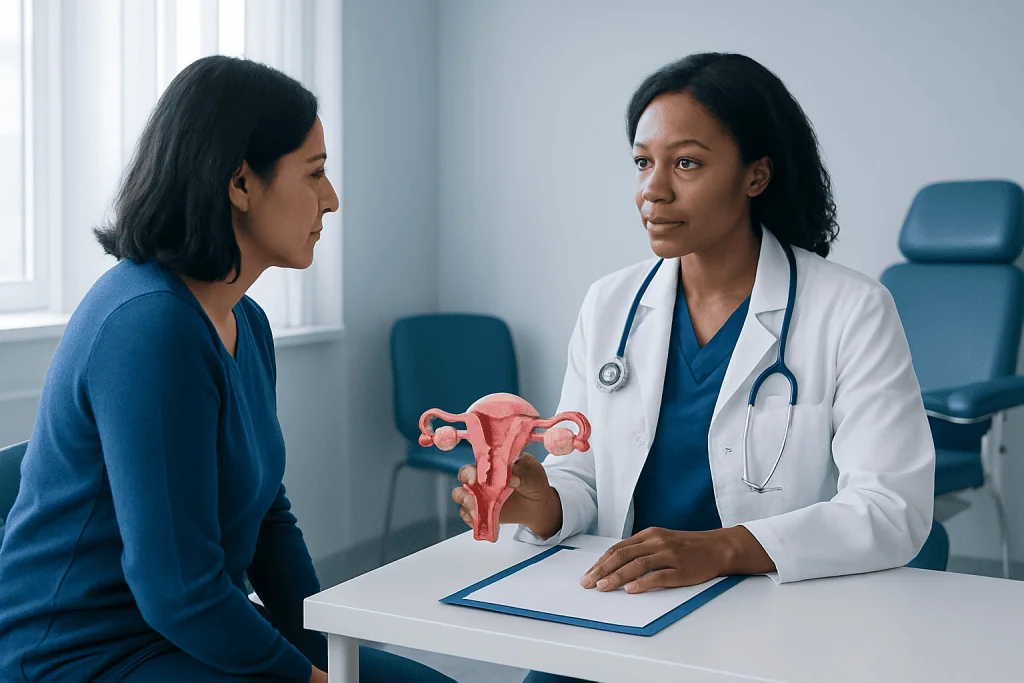
There are several ways to perform myomectomy, and the best approach depends on where the fibroids are located and how large or numerous they are. Hysteroscopic myomectomy is used for fibroids that bulge into the inside of the uterus. A surgeon passes a thin instrument through the vagina and cervix into the uterus and removes the fibroid without any abdominal incision. Laparoscopic or robotic myomectomy uses small cuts in the abdomen and specialized instruments to remove fibroids from the uterine wall or outer surface. Open abdominal myomectomy uses a larger incision and may be needed for very large, deep, or multiple fibroids.
Before surgery, the care team usually reviews symptoms, imaging, blood tests, and the treatment plan. Anesthesia is given so the patient is comfortable during the procedure. The surgeon identifies the fibroids, removes them carefully, and repairs the uterine muscle to support healing. In hysteroscopic cases, fibroids are shaved or cut away from within the uterine cavity. In laparoscopic, robotic, or open surgery, the fibroids are removed through abdominal access, and the uterus is stitched in layers.
The operation aims to remove as many symptom-causing fibroids as possible while preserving healthy uterine tissue. The exact length of the procedure varies. It depends on the number of fibroids, their size, their blood supply, and whether they are deeply embedded in the uterine wall. Some patients go home the same day after minimally invasive surgery, while others stay in the hospital for monitoring, especially after an open abdominal procedure or when the surgery is more complex.
In specialist centers, myomectomy may be offered as part of a broader myomectomy treatment plan that includes preoperative counseling, imaging review, fertility planning if needed, and structured follow-up after surgery.
Benefits and possible risks of myomectomy
The main benefit of myomectomy is symptom relief with preservation of the uterus. Many patients experience lighter periods, less pelvic pressure, and improvement in pain after recovery. When fibroids are affecting the shape of the uterine cavity or contributing to infertility-related concerns, myomectomy may also improve the chances of conception for selected patients. For some people, keeping the uterus is an important personal and medical priority, and myomectomy supports that goal.
At the same time, myomectomy is still surgery and carries risks. Bleeding is one of the most important concerns because fibroids can have a rich blood supply. Infection, injury to nearby organs, blood clots, and reactions to anesthesia are also possible, although careful surgical planning helps reduce these risks. Scar tissue may form inside the pelvis or uterus, which can sometimes affect pain, fertility, or future surgery.
Another important consideration is recurrence. Myomectomy removes existing fibroids but does not prevent new fibroids from developing later. Some patients may need additional treatment in the future if symptoms return. Depending on how deeply the uterus is repaired, a doctor may also advise cesarean delivery in a future pregnancy. These details should be discussed before surgery so expectations are clear and the treatment decision is well informed.
- Potential benefits: symptom relief, improved quality of life, uterine preservation, and possible fertility benefit in selected cases.
- Potential risks: bleeding, infection, adhesions, recurrence of fibroids, injury to nearby organs, and anesthesia-related complications.
- Future planning: pregnancy timing, birth planning, and long-term follow-up should be reviewed with a gynecologist.
Diagnosis and preparation before surgery
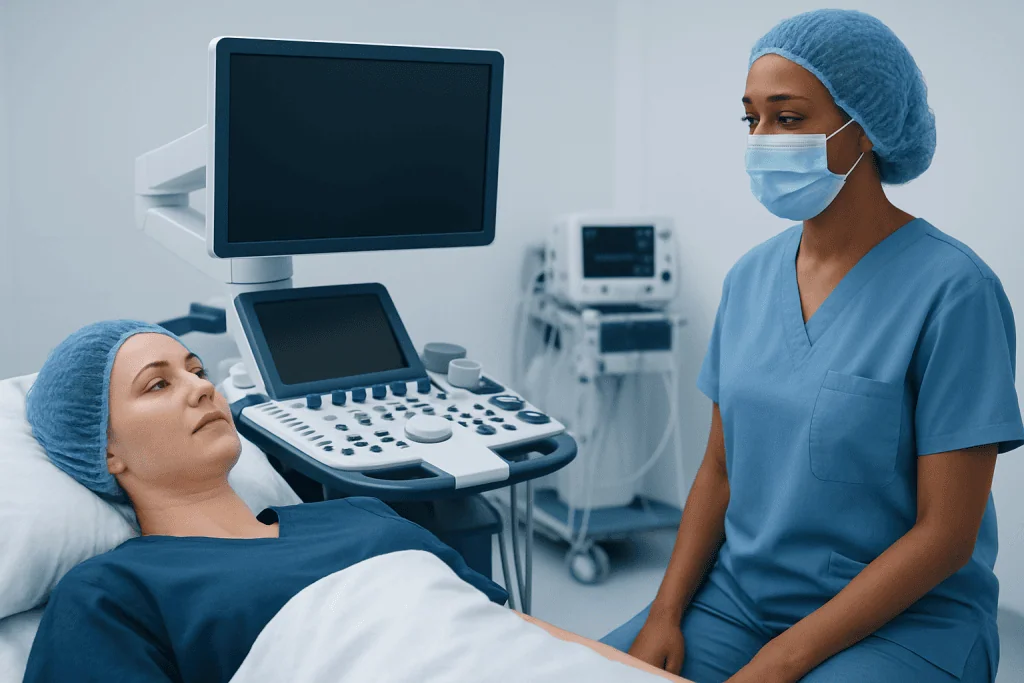
Before recommending myomectomy, a doctor confirms that fibroids are responsible for the symptoms. Evaluation often begins with a medical history and pelvic exam. Imaging is then used to map the fibroids and choose the safest surgical approach. Pelvic ultrasound is commonly the first test. In more complex cases, MRI may provide a more detailed view of the number, size, and exact location of the fibroids.
Blood tests may be done to check for anemia from heavy bleeding and to assess general health before anesthesia. If abnormal uterine bleeding is present, additional tests may be needed to rule out other causes. The doctor will also ask about fertility plans, prior surgeries, current medications, and any conditions that could affect healing or increase surgical risk.
Preparation for myomectomy may include adjusting medications, stopping smoking, and planning time away from work and daily activities. Some patients are advised to use medicines before surgery to reduce bleeding or temporarily shrink fibroids, although this depends on individual circumstances. Clear preoperative instructions help patients understand fasting, hospital admission, pain control, and what to expect during the first days after the procedure.
Recovery timeline and aftercare
Recovery after myomectomy depends largely on the surgical approach. Hysteroscopic myomectomy usually has the fastest recovery, often allowing a return to light activities within a few days. Laparoscopic or robotic procedures generally involve less pain and a shorter recovery than open surgery, with many patients resuming normal routines within a few weeks. Open abdominal myomectomy usually takes longer to heal, often several weeks, because the incision and uterine repair are more extensive.
In the first days after surgery, it is common to have cramping, fatigue, light bleeding, or soreness around the incisions. Pain is usually managed with prescribed or recommended medication, along with rest and gradual movement. Walking is often encouraged early to support circulation and reduce the risk of blood clots. Heavy lifting, strenuous exercise, and sexual activity are usually limited for a period recommended by the surgeon.
Follow-up visits are important to check healing and review pathology if tissue was examined. Patients should ask when they can return to work, drive, exercise, and try to conceive if pregnancy is planned. The uterus needs time to heal well, so doctors often advise waiting a period of time before attempting pregnancy. If symptoms such as bleeding, fever, increasing pain, or wound concerns occur, prompt medical advice is needed.
For patients who need coordinated gynecologic and fertility-focused care, Acibadem International’s multidisciplinary specialists in JCI-accredited hospitals diagnose and treat fibroid-related conditions for international patients, including surgical options and recovery planning.
When to seek medical care and what questions to ask
Medical care should be sought when fibroid symptoms are affecting daily life, causing heavy bleeding, leading to fatigue or anemia, or interfering with fertility goals. Urgent evaluation is important for severe pain, very heavy bleeding, fainting, shortness of breath, or symptoms that suggest significant blood loss or another acute problem. After myomectomy, a patient should contact a doctor if there is fever, worsening pain, heavy bleeding, foul-smelling discharge, redness around an incision, leg swelling, chest pain, or trouble breathing.
It can be helpful to ask specific questions before deciding on surgery. Examples include whether the fibroids are likely to be causing the symptoms, which type of myomectomy is recommended, how many fibroids are expected to be removed, whether blood transfusion is a possibility, and how surgery might affect future pregnancy. Patients may also want to discuss alternatives, the chance of fibroid recurrence, and whether another treatment such as uterine artery embolization or hysterectomy as an alternative option may be more suitable in their situation.
A clear, personalized discussion with a qualified gynecologist helps patients weigh symptom relief, fertility plans, recovery time, and long-term outlook. When treatment matches the patient’s goals and the fibroid pattern, myomectomy can be an effective and reassuring step forward.
Frequently asked questions
What is the difference between myomectomy and hysterectomy?
Myomectomy removes fibroids and keeps the uterus in place. Hysterectomy removes the uterus completely. Myomectomy may be preferred when uterine preservation or future pregnancy is important, while hysterectomy is a definitive treatment for fibroids.
Can a person get pregnant after myomectomy?
Many people can become pregnant after myomectomy, and the procedure may help in selected cases when fibroids are affecting the uterine cavity or fertility. However, pregnancy outcomes depend on age, overall reproductive health, and the size and location of the fibroids that were removed. A doctor can advise when it is safe to start trying to conceive after surgery.
How long does myomectomy recovery take?
Recovery time varies by surgical method. Hysteroscopic procedures often involve the quickest recovery, laparoscopic or robotic surgery usually takes a few weeks, and open abdominal myomectomy often takes longer. The exact timeline also depends on the complexity of surgery and the patient’s general health.
Do fibroids come back after myomectomy?
Yes, fibroids can return after myomectomy because the surgery removes existing fibroids but does not stop new ones from forming. The chance of recurrence varies from person to person. Regular follow-up can help monitor symptoms and guide future treatment if needed.
Is myomectomy considered major surgery?
Some forms of myomectomy are major surgery, especially open abdominal myomectomy. Minimally invasive approaches, such as hysteroscopic or laparoscopic procedures, are often less physically demanding and may allow a faster recovery. Even so, all forms of myomectomy should be approached with careful planning and follow-up.
When is myomectomy usually recommended?
It is usually recommended when fibroids are causing significant symptoms such as heavy bleeding, pelvic pain, pressure, or fertility-related concerns. It may also be considered when preserving the uterus is important. The decision depends on symptom severity, fibroid characteristics, and the patient’s treatment goals.
References
- American College of Obstetricians and Gynecologists
- National Institute for Health and Care Excellence
- U.S. National Library of Medicine
- Mayo Clinic
- Royal College of Obstetricians and Gynaecologists
This article is for general information only and is not a substitute for professional medical advice. Please consult a qualified doctor about your individual situation.
Persistent digestive symptoms? Get evaluated in Turkey
JCI-accredited · board-certified surgeons · reply within 24h
Add us as a Preferred Source to see more of our trusted health content across Google Search, AI Overviews and Discover.

More from the Health Library



Related Specialists

Dr. Ezgi Tepençelik
Anesthesiology
Burcu Kocabey
Physical Medicine & Rehabilitation
Assoc. Prof. Dr. Alper Karakuş
Cardiology
Prof. Dr. Süleyman Çetinkünar
General Surgery