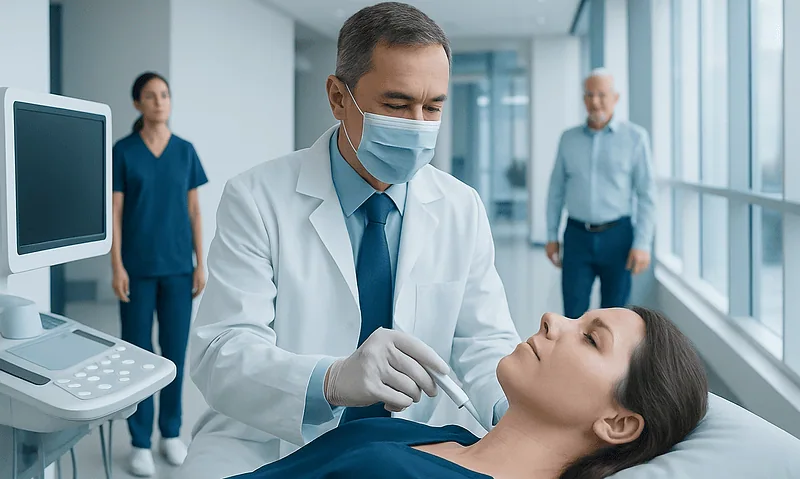
Ppe — Explained by Medical Evidence, Not Myths

PPE stands for personal protective equipment. In healthcare, PPE helps protect both patients and staff from exposure risks.
Key Takeaways
- PPE stands for personal protective equipment.
- In healthcare, PPE helps protect both patients and staff from exposure risks.
- Different situations require different PPE, such as gloves, masks, gowns, or eye protection.
- PPE lowers risk but does not replace hand hygiene, vaccination, cleaning, or good clinical practice.
- Correct selection, fitting, putting on, and removal are essential for PPE to work safely.
PPE meaning is personal protective equipment. In healthcare, it refers to items such as gloves, masks, gowns, and eye protection that help reduce exposure to infections, body fluids, chemicals, and other hazards when used correctly.
Overview: what PPE means in medicine
PPE meaning is personal protective equipment. In medicine and public health, the term describes wearable items used to reduce contact with infectious droplets, body fluids, contaminated surfaces, chemicals, or other occupational hazards. Common examples include gloves, surgical masks, respirators, gowns, aprons, face shields, and protective eyewear.
PPE is not just for hospitals. It is also used in clinics, laboratories, dental settings, ambulances, home care, and some community settings. The goal is practical and evidence-based: to create a barrier between a person and a potential hazard when that barrier is needed.
A common myth is that PPE offers complete protection on its own. In reality, it works best as one part of a broader safety approach that also includes hand hygiene, environmental cleaning, safe waste disposal, ventilation, vaccination where appropriate, and careful infection-control procedures.
Another source of confusion is that the term PPE can mean different things in different workplaces. In healthcare, the meaning is specific to patient care and infection prevention. In construction or industry, PPE may include helmets, boots, or hearing protection. The basic idea is the same, but the equipment and risks differ.
Why PPE matters in healthcare
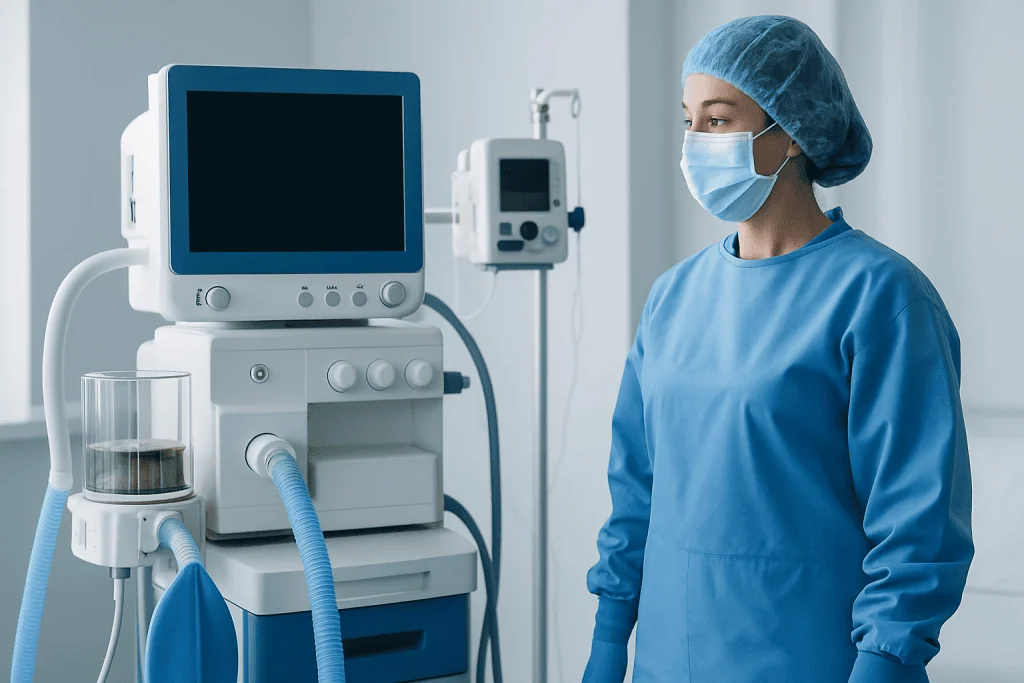
Healthcare workers regularly come into contact with people who may have contagious illnesses, open wounds, or body fluids. PPE helps reduce the chance that germs or harmful substances will reach the skin, eyes, nose, or mouth. It also helps prevent microorganisms from being carried from one patient to another.
PPE protects patients as well as staff. For example, gloves and gowns can reduce contamination during wound care, while masks may help lower the spread of respiratory droplets in appropriate situations. In operating rooms and sterile procedures, protective clothing is part of maintaining a cleaner environment and lowering infection risk.
The need for PPE depends on the task being done, not only on the setting. A routine conversation with a patient may require little or no specialized gear beyond standard precautions, while suctioning airways, handling blood, or caring for a person with a contagious respiratory infection may require a higher level of protection.
This principle is especially important when evaluating symptoms such as fever, cough, breathing difficulty, or signs of infection. Depending on the cause, doctors may assess for conditions such as pneumonia or other contagious illnesses and choose PPE based on the likely route of transmission and the procedure being performed.
Types of PPE and what each one does
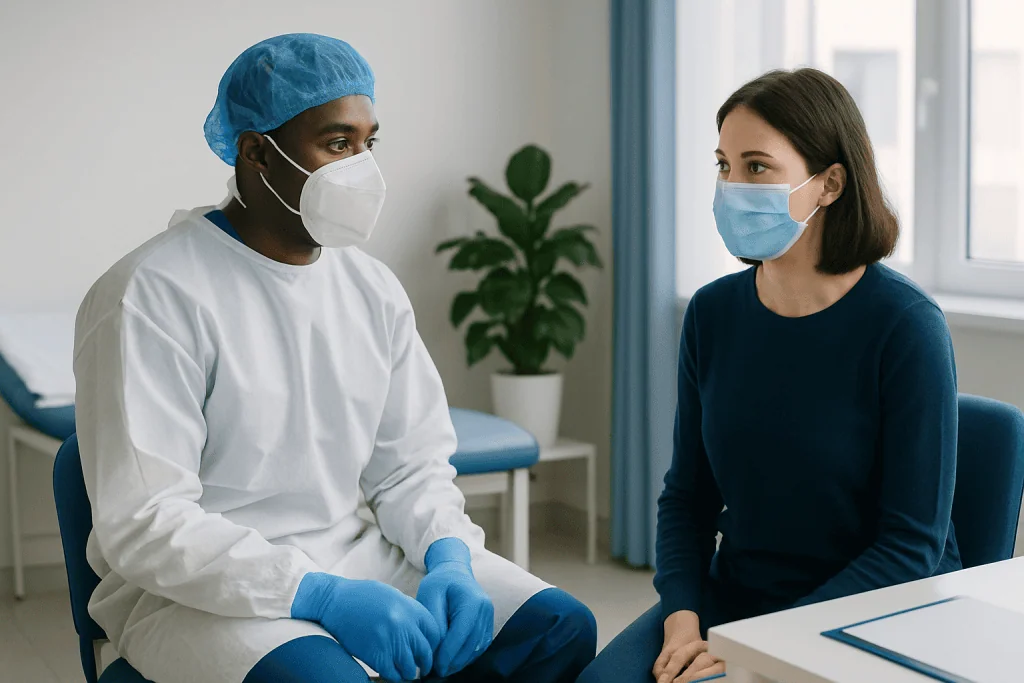
The main types of medical PPE are gloves, masks, respirators, gowns, aprons, face shields, and goggles. Each item protects a different body area and is chosen according to the expected risk. No single item is suitable for every situation.
Gloves help protect the hands from blood, body fluids, secretions, contaminated surfaces, and some medications or chemicals. They are useful when touching mucous membranes, broken skin, wounds, or bodily fluids, but they do not replace handwashing. Hands should still be cleaned before putting gloves on and after taking them off.
Masks and respirators are not the same. Surgical masks mainly help block large droplets and reduce spread from the wearer to others, while respirators are designed to filter smaller airborne particles when properly fitted. Eye protection, such as goggles or a face shield, helps protect the eyes from splashes or sprays. Gowns and aprons protect clothing and skin from contamination.
- Gloves: hand protection during contact with body fluids or contaminated surfaces
- Surgical masks: droplet protection and source control
- Respirators: higher-level filtration for airborne risks in selected settings
- Gowns or aprons: protection for skin and clothing
- Goggles or face shields: eye and face protection from splashes
How PPE is chosen and used safely
PPE should be selected according to the risk of exposure, the type of contact expected, and the nature of the task. This is called a risk assessment. For instance, drawing blood may require gloves, while a procedure that could create splashes may also require eye protection and a gown. Respiratory infections may require a mask or respirator depending on the situation.
Correct use matters as much as the equipment itself. PPE must fit properly, be put on in the right order, and be removed carefully to avoid self-contamination. Taking PPE off incorrectly is a common way contamination can spread to the hands, face, or clothing.
Single-use equipment should not be reused unless it is specifically designed and approved for that purpose under proper protocols. Reusable items, such as some eye protection, need appropriate cleaning and disinfection between uses. Damaged or poorly fitting PPE may not provide the intended protection.
Training is essential. Healthcare organizations teach staff when PPE is needed, how to use it, and how to combine it with standard precautions. In some cases, medical teams may also rely on diagnostic support, such as MRI or CT scan, to assess underlying illness while maintaining suitable infection-control measures during patient care.
What PPE does not do: common myths and misunderstandings
One common myth is that wearing more PPE is always better. In fact, unnecessary layers can make movement harder, increase discomfort, and lead to mistakes during removal. The safest choice is the right PPE for the specific task, based on current clinical guidance.
Another misunderstanding is that PPE alone prevents all infections. It does not. If hand hygiene is poor, surfaces are not cleaned, or a person works while unwell, the risk can remain significant. PPE is one protective measure among several, not a substitute for basic infection prevention.
Some people also assume that masks and respirators are interchangeable. They are not. Each serves a different purpose and may be recommended in different situations. Fit, material, and intended use all affect performance. Similarly, wearing gloves continuously is not safer if they are not changed when needed, because contaminated gloves can spread germs just like contaminated hands.
Finally, PPE is not only for pandemics or severe outbreaks. It is part of routine healthcare every day, including blood draws, wound care, dental procedures, and the evaluation of infectious symptoms. When serious infection is suspected, clinicians may investigate possible causes such as sepsis while using appropriate protective measures for both patient and staff safety.
PPE outside hospitals and everyday self-care
Outside healthcare settings, PPE may still be useful in selected circumstances, but it should be understood realistically. For example, caregivers at home may be advised to use gloves when handling certain body fluids or cleaning soiled materials, and a mask may be appropriate in some respiratory illness situations depending on local guidance and the person’s health status.
For the general public, PPE is not the only or most important way to stay safe from illness. Good handwashing, staying up to date with recommended vaccines, covering coughs and sneezes, improving ventilation, cleaning high-touch surfaces when appropriate, and avoiding close contact when sick are often equally or more important.
People with ongoing symptoms should not rely on self-protection measures alone if they feel unwell. Fever, persistent cough, chest pain, confusion, dehydration, or difficulty breathing need medical assessment. A doctor may recommend tests or treatments depending on the likely cause, and some patients may need further evaluation such as bronchoscopy for selected lung-related concerns.
Patients seeking international care may also want coordinated support. Near the end of the care pathway, centers such as Acibadem International can provide multidisciplinary evaluation and treatment in JCI-accredited hospitals for international patients when conditions require specialist attention.
When to seek medical care
PPE itself is not usually a reason to see a doctor, but the health problem that makes PPE necessary may be. Medical care is important when a person has signs of a serious infection or another urgent illness, especially if symptoms are worsening or not improving as expected.
Seek prompt medical advice for high fever, shortness of breath, chest pain, new confusion, severe weakness, bluish lips, dehydration, or symptoms after significant exposure to blood, body fluids, chemicals, or infectious materials. Children, older adults, pregnant people, and those with weakened immune systems may need earlier assessment.
People should also seek care if they believe they were exposed at work and are unsure what steps to take, or if they developed a rash, breathing symptoms, or eye irritation after using protective equipment or disinfectants. A clinician can help determine whether the problem relates to infection, allergy, irritation, or another cause.
In emergencies, urgent medical services should be contacted immediately. For non-emergency concerns, a qualified doctor can explain what PPE is appropriate, whether testing is needed, and how to reduce further risk at home, at work, or in caregiving settings.
Frequently asked questions
What is the simple meaning of PPE?
PPE means personal protective equipment. It includes wearable items used to help reduce exposure to health or safety hazards, such as gloves, masks, gowns, and eye protection.
Is PPE only used in hospitals?
No. PPE is used in many settings, including clinics, ambulances, laboratories, dental offices, home care, and some workplaces outside medicine. The exact equipment depends on the type of hazard present.
Are masks and respirators the same thing?
No. Surgical masks and respirators are designed for different purposes. Masks mainly help with droplet protection and source control, while respirators are made to filter smaller airborne particles when properly fitted.
Do gloves replace handwashing?
No. Gloves reduce direct contact with contaminants, but they can become contaminated themselves. Hands should still be cleaned before putting gloves on and after removing them.
Can wearing PPE completely prevent infection?
No protective measure is perfect. PPE lowers risk when it is correctly chosen and used, but it works best together with hand hygiene, cleaning, ventilation, vaccination when appropriate, and other infection-control practices.
When might someone at home need PPE?
A person caring for someone at home may need gloves when handling body fluids or cleaning contaminated items, and sometimes a mask may be advised depending on the illness and public health guidance. A doctor can advise what is appropriate for the specific situation.
This article is for general information only and is not a substitute for professional medical advice. Please consult a qualified doctor about your individual situation.
Explore treatments in Turkey — costs, top hospitals & a free quote
JCI-accredited · board-certified surgeons · reply within 24h
Add us as a Preferred Source to see more of our trusted health content across Google Search, AI Overviews and Discover.

More from the Health Library

Moro Reflex: What Patients Need to Know

Vertebral Artery Dissection — Explained by Medical Evidence, Not Myths

Formication — Explained by Medical Evidence, Not Myths

Interferons: An Evidence-Based Guide for Patients

Chronic Kidney Disease: eGFR Testing and Slowing Progression