Chronic Kidney Disease: eGFR Testing and Slowing Progression

eGFR is a blood-test estimate of how well the kidneys filter waste, and it is interpreted together with urine albumin testing. Chronic kidney disease may have few or no symptoms in its early stages, so people with diabetes, high blood pressure or a family history need regular checks.
Key Takeaways
- eGFR is a blood-test estimate of how well the kidneys filter waste, and it is interpreted together with urine albumin testing.
- Chronic kidney disease may have few or no symptoms in its early stages, so people with diabetes, high blood pressure or a family history need regular checks.
- Slowing progression usually focuses on controlling blood pressure and blood sugar, reducing urine protein, avoiding kidney-harming medicines and making kidney-friendly lifestyle choices.
- Treatment is individualized according to CKD stage, urine findings, other medical conditions and the person’s overall risk.
- A doctor should evaluate persistent abnormal kidney tests, swelling, changes in urination, difficult-to-control blood pressure or symptoms such as fatigue and shortness of breath.
Chronic kidney disease is a long-term reduction in kidney function that often develops quietly and is commonly monitored with eGFR and urine testing. With early diagnosis, careful management of blood pressure, diabetes, medicines, diet and lifestyle, many people can slow progression and protect overall health.
Overview
Chronic kidney disease, often called CKD, means the kidneys have had reduced function or signs of kidney damage for at least three months. The kidneys filter waste and extra fluid from the blood, help control blood pressure, balance minerals such as potassium and phosphorus, and support red blood cell production. When kidney function declines over time, these important processes may become less efficient.
CKD is usually a gradual condition. Many people feel well in the early stages, which is why blood and urine tests are so important. The estimated glomerular filtration rate, or eGFR, is one of the main tools used to assess kidney filtration. It is calculated from a blood creatinine level and factors such as age and sex, and it gives doctors a practical estimate of kidney function.
CKD does not progress at the same speed in everyone. Some people remain stable for years, while others need closer monitoring and more intensive treatment. The goal of care is to identify the cause when possible, slow further kidney damage, reduce the risk of heart and blood vessel disease, and plan ahead if advanced care is ever needed.
Symptoms and Early Warning Signs
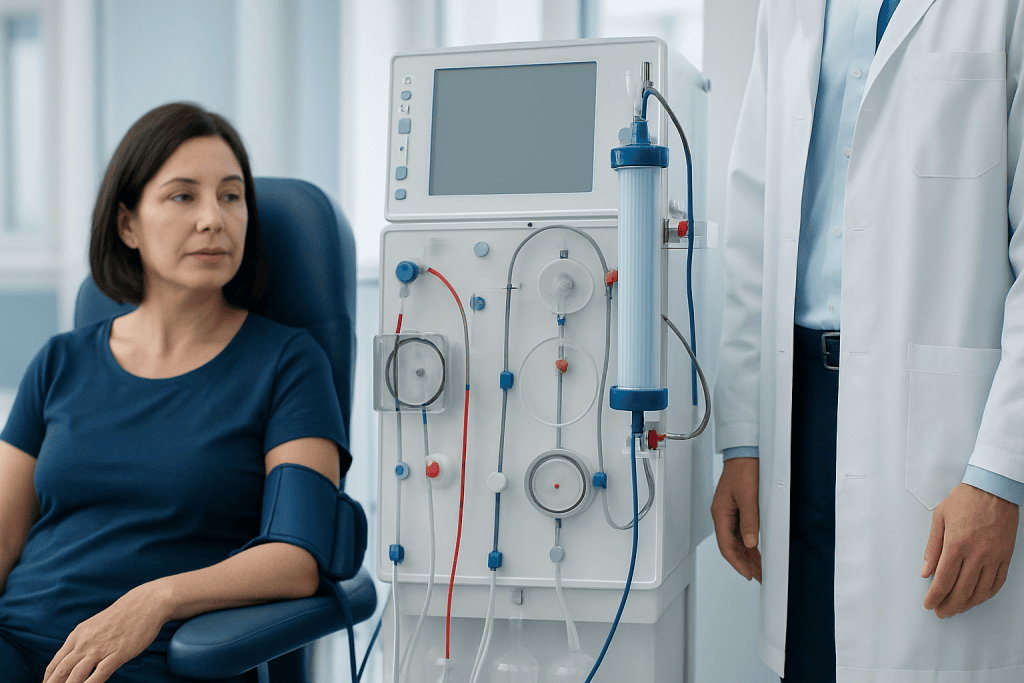
Early CKD often has no noticeable symptoms. A person may have abnormal eGFR or urine albumin results before feeling unwell. This silent pattern is common because the kidneys have a large reserve capacity, and the body can adapt to gradual changes for a long time.
As kidney function becomes more reduced, symptoms may include tiredness, reduced appetite, nausea, trouble sleeping, muscle cramps, itchy skin, swelling in the feet or around the eyes, or needing to urinate more often at night. Some people notice foamy urine, which can be a sign of protein in the urine. Others have high blood pressure that becomes more difficult to control.
These symptoms can have many causes and do not automatically mean a person has advanced kidney disease. However, persistent or unexplained symptoms should be discussed with a qualified doctor, especially if the person has diabetes, hypertension, heart disease, a history of kidney stones, autoimmune disease, recurrent urinary infections or a family history of kidney disease.
Causes and Risk Factors
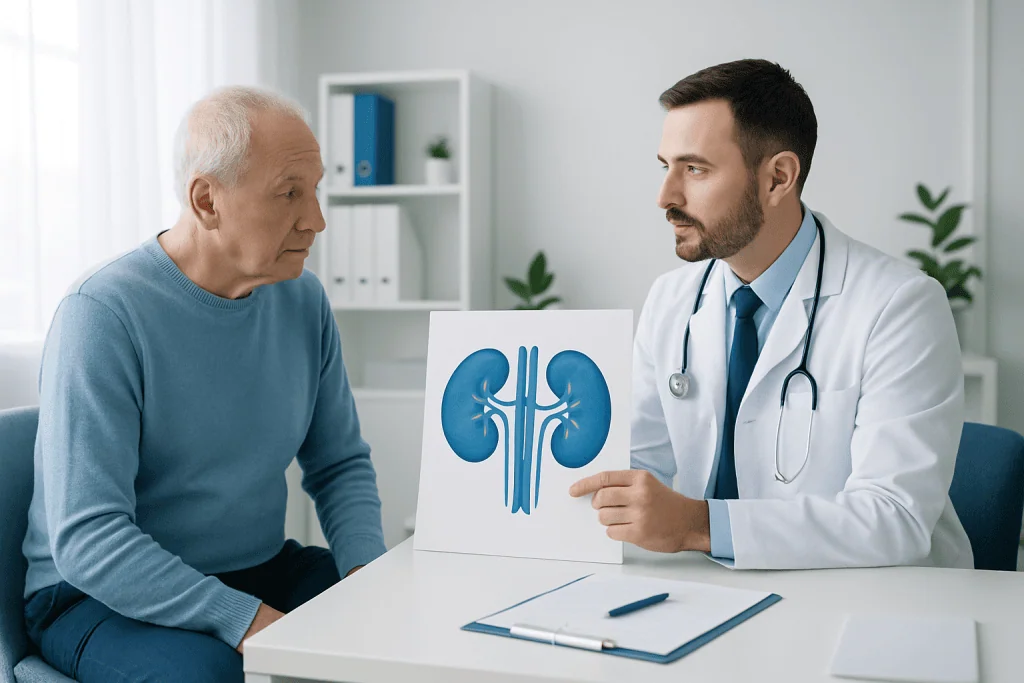
The two most common contributors to CKD worldwide are diabetes and high blood pressure. Over time, high blood sugar can damage small blood vessels in the kidneys, while high blood pressure can strain the delicate filtering units. When both conditions are present, careful management is especially important.
Other causes include glomerulonephritis, polycystic kidney disease, repeated kidney infections, long-term urinary obstruction, kidney stones, autoimmune conditions such as lupus, and some inherited disorders. Certain medicines can also affect kidney function, particularly when used frequently, at high doses or in people who already have reduced kidney reserve.
Risk is higher with older age, family history of kidney disease, cardiovascular disease, obesity, smoking, and previous episodes of acute kidney injury. A single risk factor does not mean CKD is inevitable, but it does mean that regular screening may be appropriate. Detecting changes early gives the healthcare team more time to protect kidney function.
- Diabetes and high blood pressure
- Heart and blood vessel disease
- Family history of kidney failure or inherited kidney disorders
- Long-term use of kidney-stressing medicines without medical supervision
- Recurrent urinary tract problems, stones or obstruction
eGFR Testing and Diagnosis
eGFR is calculated from a blood test that measures creatinine, a waste product from normal muscle activity. Because creatinine levels vary with age, body size and other factors, eGFR provides a more useful estimate than creatinine alone. In adults, an eGFR of 90 or higher is generally considered normal if there is no other evidence of kidney damage, while lower values may require follow-up depending on the clinical situation.
Doctors interpret eGFR in stages, from G1 to G5, but the number is only one part of the assessment. A mildly reduced eGFR may be stable and expected in some older adults, while a higher eGFR with significant urine protein may still indicate kidney disease. For this reason, diagnosis usually includes a urine albumin-to-creatinine ratio, often called ACR, to look for albumin leakage. Albumin in the urine is an important sign of kidney stress and a predictor of progression risk.
CKD is diagnosed when reduced eGFR or markers of kidney damage persist for at least three months. A doctor may repeat tests, review previous results, check blood pressure, examine the urine under a microscope, and order additional blood tests or imaging such as kidney ultrasound. In selected cases, referral to a nephrologist or a kidney biopsy may be recommended to clarify the cause.
eGFR results can fluctuate with dehydration, recent illness, heavy exercise, certain medicines, or changes in muscle mass. A single abnormal result is not usually enough to confirm CKD. The trend over time, urine findings and the person’s overall health give the most accurate picture.
Treatment Options to Slow Progression
CKD treatment is individualized, but the main principle is to reduce ongoing stress on the kidneys. Blood pressure control is central. Many people with CKD benefit from medicines that lower blood pressure and reduce protein in the urine, especially when albuminuria is present. The best choice depends on the person’s kidney function, potassium level, other conditions and treatment tolerance.
For people with diabetes, maintaining safe and consistent blood sugar control helps protect the kidneys and blood vessels. Some newer diabetes and heart-kidney medicines may be recommended for selected patients because they can reduce kidney and cardiovascular risk. These medicines are not suitable for everyone, so decisions should be made with a doctor who can review kidney function, current medications and possible side effects.
Other treatment goals include managing cholesterol, treating anemia or mineral-bone changes if they occur, correcting acidosis when appropriate, and reducing cardiovascular risk. Vaccinations, smoking cessation and regular physical activity may also be part of a comprehensive plan. If CKD becomes advanced, care may include preparation for dialysis, transplant evaluation or conservative kidney management, depending on the person’s goals and medical situation.
Medication safety is very important. People with CKD should tell every healthcare professional about their kidney condition before starting new prescriptions, over-the-counter medicines or supplements. Non-steroidal anti-inflammatory drugs, some contrast dyes, certain antibiotics and some herbal products may require caution or alternatives.
Prevention and Self-care
Self-care cannot replace medical treatment, but it can strongly support kidney health. A kidney-friendly lifestyle usually includes keeping blood pressure in the recommended range, following diabetes care plans, staying active, avoiding smoking, limiting excess alcohol and maintaining a healthy weight. Regular follow-up appointments help ensure that small changes are addressed before they become larger problems.
Diet advice depends on the stage of CKD, blood test results and other conditions. Many people are advised to reduce salt because sodium can raise blood pressure and worsen fluid retention. Some may need guidance on protein portions, potassium, phosphorus or fluid intake, but restrictions should not be started without professional advice. A renal dietitian can help create a balanced plan that protects kidney function while supporting nutrition.
Home blood pressure monitoring can be helpful if recommended by a doctor. Patients should record readings, take medicines as prescribed and bring medication lists to appointments. It is also wise to ask before using pain relievers, bodybuilding supplements, high-dose vitamins or herbal products, because some can affect kidney function or interact with treatment.
- Keep scheduled blood and urine tests, even when feeling well.
- Use medicines exactly as prescribed and avoid stopping them suddenly without advice.
- Choose lower-salt foods and limit highly processed meals.
- Stay hydrated appropriately, unless a doctor has recommended fluid restriction.
- Seek early care for vomiting, diarrhea, fever or dehydration, as illness can temporarily strain the kidneys.
Monitoring and When to See a Doctor
Monitoring frequency depends on CKD stage, urine albumin level, blood pressure, diabetes control and the rate of change in eGFR. Some people need tests once or twice a year, while others require closer follow-up. Doctors often monitor eGFR, urine ACR, potassium, bicarbonate, calcium, phosphorus, hemoglobin and cholesterol, depending on the situation.
A doctor should be consulted if there is persistent swelling, blood in the urine, foamy urine, unexplained fatigue, reduced appetite, shortness of breath, worsening blood pressure, or a noticeable change in urination. Prompt medical advice is also important after dehydration, severe infection, new medication use, or an episode of acute kidney injury. People with known CKD should not wait for symptoms before attending routine reviews.
Referral to a nephrologist may be recommended for rapidly falling eGFR, significant albuminuria, uncertain diagnosis, resistant high blood pressure, electrolyte problems, inherited kidney disease or advanced CKD. For international patients, Acibadem International’s multidisciplinary specialists and JCI-accredited hospitals can provide evaluation and treatment planning for kidney disease in coordination with the patient’s ongoing doctors.
Frequently asked questions
What does eGFR mean in chronic kidney disease?
eGFR means estimated glomerular filtration rate. It is a calculation based on a blood creatinine test and helps estimate how well the kidneys filter waste. Doctors use it together with urine albumin results and the person’s medical history to assess CKD stage and progression risk.
Can chronic kidney disease be reversed?
Some temporary kidney problems can improve, but chronic kidney disease usually means there has been long-term kidney damage or reduced function. In many cases, treatment can slow progression and reduce complications. The outlook depends on the cause, stage, urine protein level and response to treatment.
How often should eGFR be checked?
Testing frequency depends on the stage of CKD and the person’s risk factors. Someone with stable early CKD may need periodic monitoring, while a person with falling eGFR, significant albumin in the urine or advanced disease may need more frequent tests. A doctor can set an appropriate schedule.
Is a low eGFR always chronic kidney disease?
Not always. eGFR can temporarily fall during dehydration, acute illness, medication effects or after an acute kidney injury. CKD is usually diagnosed when reduced eGFR or other kidney damage markers persist for at least three months.
What is the role of urine albumin testing?
Urine albumin testing checks whether a protein called albumin is leaking into the urine. Albuminuria can be an early sign of kidney damage, especially in diabetes and high blood pressure. It also helps doctors estimate the risk of CKD progression and choose protective treatments.
What lifestyle changes help slow CKD progression?
Helpful steps often include controlling blood pressure, managing diabetes, reducing salt intake, staying physically active, avoiding smoking and using medicines safely. Diet changes should be personalized, especially if potassium, phosphorus or protein intake needs adjustment. A doctor or renal dietitian can provide safe guidance.
References
- Kidney Disease: Improving Global Outcomes
- National Kidney Foundation
- National Institute of Diabetes and Digestive and Kidney Diseases
- World Health Organization
- American Diabetes Association
This article is for general information only and is not a substitute for professional medical advice. Please consult a qualified doctor about your individual situation.
Kidney Disease in Turkey — costs, top hospitals & a free quote
JCI-accredited · board-certified surgeons · reply within 24h
Add us as a Preferred Source to see more of our trusted health content across Google Search, AI Overviews and Discover.
Check your numbers in seconds
BMI, calories, due date, blood pressure and 30+ more clinical calculators — free, instant, doctor-reviewed ranges.

Organ Transplantation
Kidney, liver and bone-marrow transplantation programs with dedicated coordination.
6 specialists in this unitMore from the Health Library



Related Specialists

Prof. Dr. Mitat Bahçeci
Endocrinology
Prof. Dr. Çiğdem Ünal Gülmeden
Aesthetic Plastic & Reconstructive Surgery
Asst. Prof. Dr. Hilal Kurtoğlu Gümüşel
Cardiology
Dr. Mehtap Selçuk
Anesthesiology