Thyroid Biopsy — Explained by Medical Evidence, Not Myths
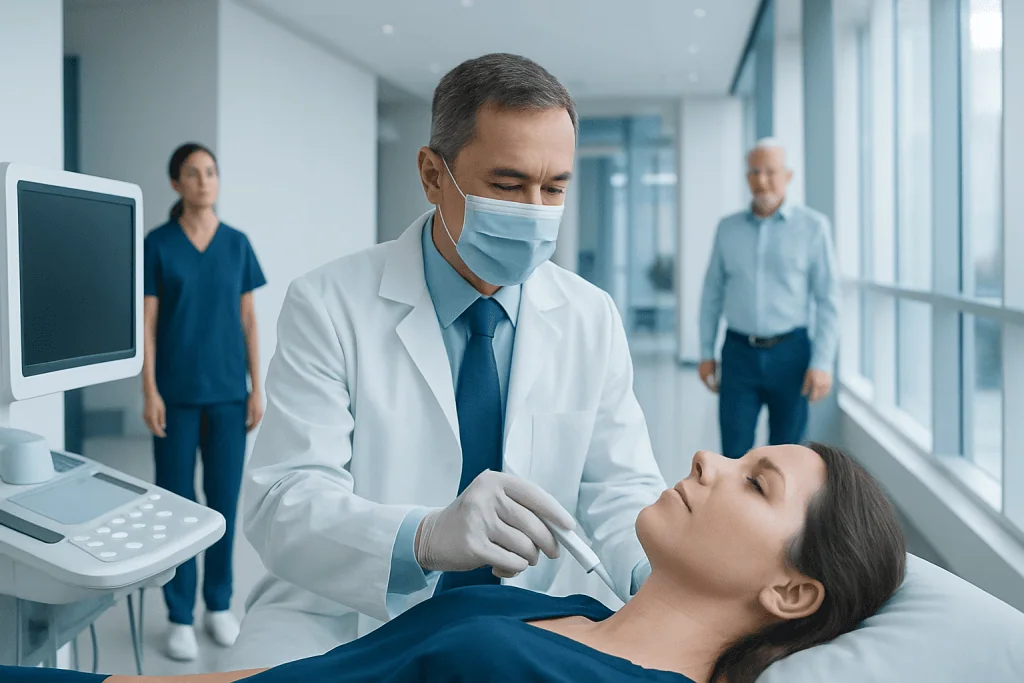
Most thyroid biopsies use a very thin needle to collect cells from a thyroid nodule under ultrasound guidance. A biopsy is recommended based on a nodule’s ultrasound features and size, not simply because a nodule is present.
Key Takeaways
- Most thyroid biopsies use a very thin needle to collect cells from a thyroid nodule under ultrasound guidance.
- A biopsy is recommended based on a nodule’s ultrasound features and size, not simply because a nodule is present.
- Most people have only brief discomfort and can return to usual activities the same day.
- Results may be benign, suspicious, malignant, nondiagnostic, or indeterminate; each category has a different next step.
- A thyroid biopsy does not cause cancer to spread, and it does not usually require surgery or general anesthesia.
A thyroid biopsy, most often performed as ultrasound-guided fine-needle aspiration, helps doctors assess thyroid nodules that need closer evaluation. It does not mean cancer is expected: most thyroid nodules are noncancerous, and biopsy results guide whether monitoring, further testing, or treatment is appropriate.
What a thyroid biopsy is—and what it is not
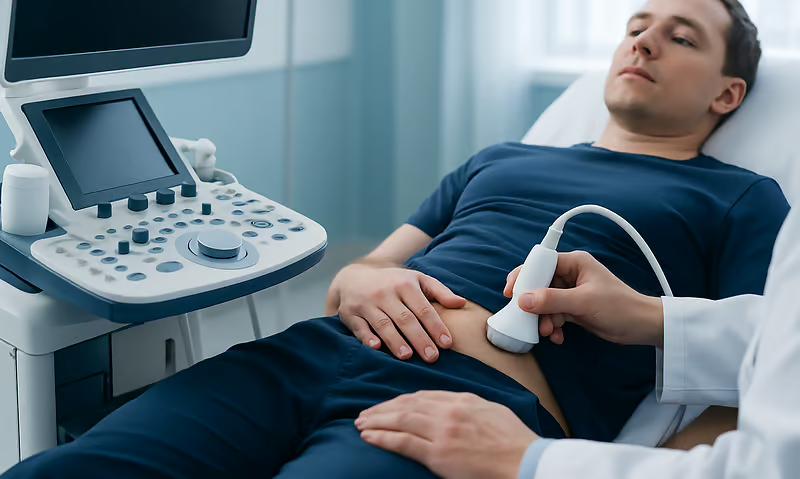
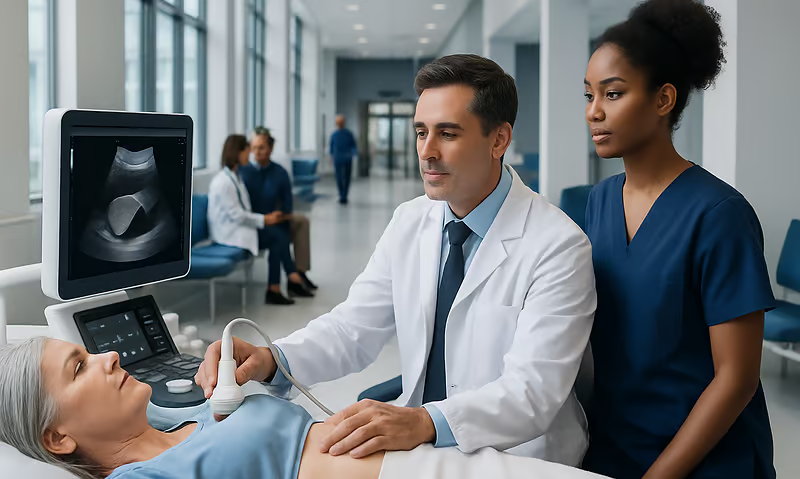
A thyroid biopsy is a procedure used to collect cells or a small tissue sample from a thyroid nodule, which is a lump within the thyroid gland in the front of the neck. In most cases, the procedure is called fine-needle aspiration (FNA). A clinician uses ultrasound to guide a thin needle accurately into the nodule and withdraws cells for laboratory examination.
The purpose is to estimate whether a nodule is benign or may represent thyroid cancer. A biopsy is not automatically needed for every nodule. Thyroid nodules are common, especially with increasing age, and most are benign. Doctors combine ultrasound appearance, nodule size, medical history, examination findings, and sometimes blood tests to decide whether sampling will add useful information.
A common concern is that inserting a needle could spread cancer. Current medical evidence does not support this concern for routine thyroid FNA. The procedure is designed to obtain diagnostic information while avoiding unnecessary surgery in people whose nodules are unlikely to be harmful.
Why a doctor may recommend a thyroid biopsy
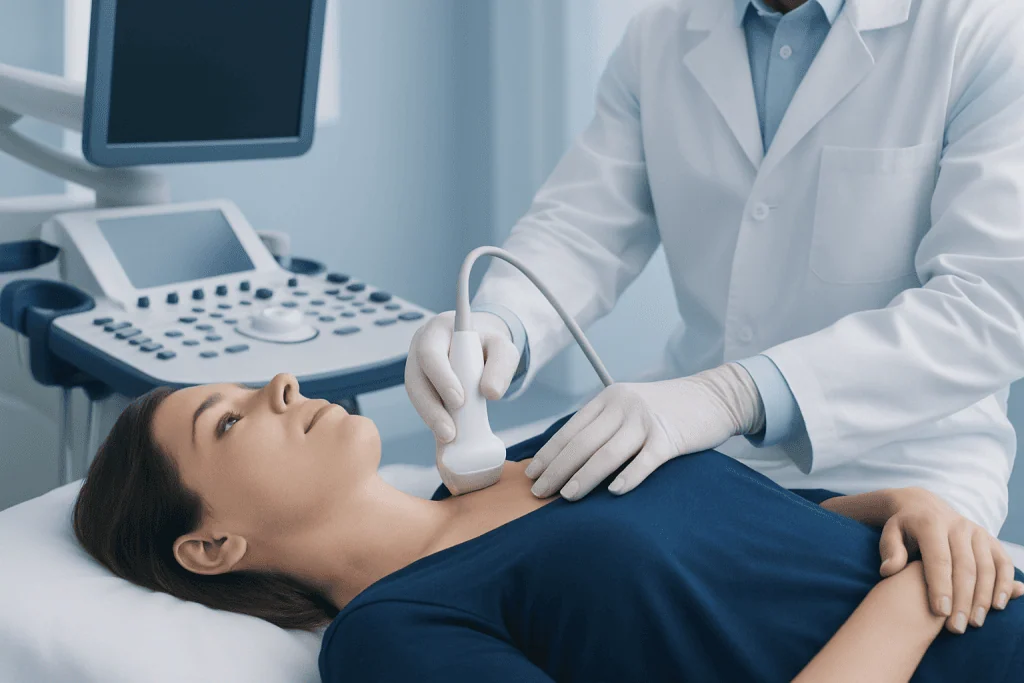
Ultrasound is the main tool used to assess a thyroid nodule. It can show the nodule’s size, whether it is solid or fluid-filled, its margins, shape, calcifications, and blood flow. Certain ultrasound patterns are more likely to need evaluation, while nodules with reassuring features can often be monitored with repeat ultrasound instead.
Biopsy decisions are individualized. A nodule may be sampled when it reaches a size threshold and has suspicious ultrasound features, when it has grown in a concerning way, or when there are abnormal lymph nodes in the neck. Symptoms such as persistent hoarseness, swallowing difficulty, or a rapidly enlarging neck lump may also prompt more urgent assessment, although these symptoms have several possible causes.
Personal history matters as well. Previous radiation treatment to the head or neck, a strong family history of thyroid cancer or certain inherited cancer syndromes, and prior suspicious biopsy findings can affect the assessment. Thyroid blood tests, including thyroid-stimulating hormone (TSH), help evaluate gland function but cannot by themselves determine whether a nodule is cancerous.
- Not every thyroid nodule needs a biopsy.
- Ultrasound-guided selection helps reduce biopsies that are unlikely to be useful.
- A biopsy evaluates a specific nodule; it does not assess every possible thyroid condition.
How fine-needle aspiration is performed
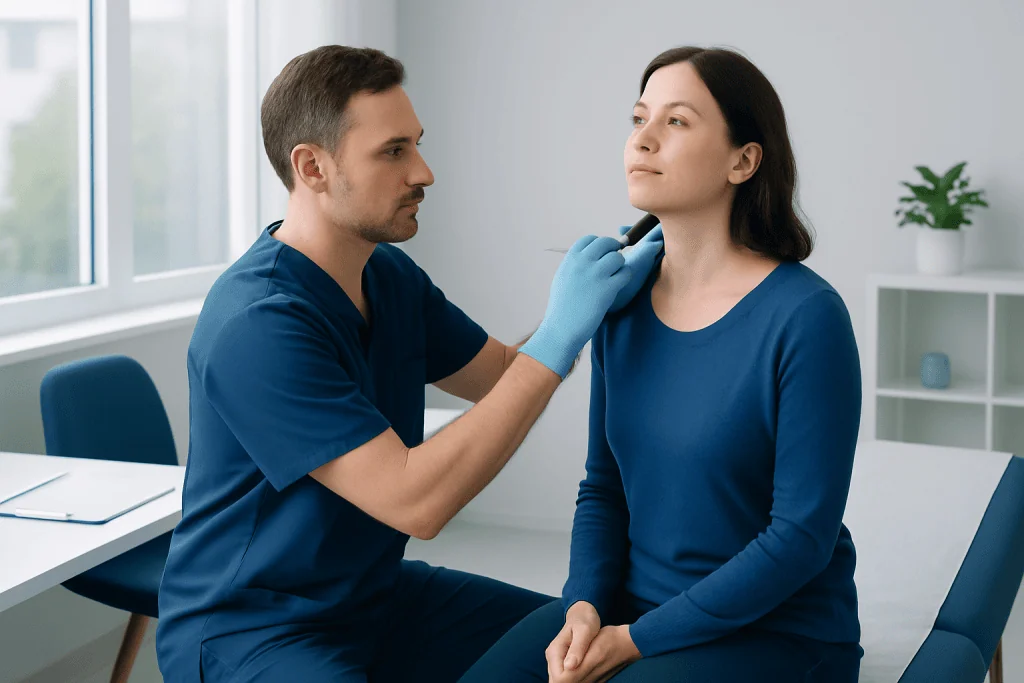
Fine-needle aspiration is usually an outpatient procedure and commonly takes less than 30 minutes. The person lies on their back with the neck gently extended. Ultrasound is used throughout to identify the nodule and guide the needle placement. The skin is cleaned, and a local anesthetic may be used, depending on the setting and the person’s needs.
The clinician typically makes several quick needle passes to obtain enough cells. The needle is very fine, often similar in size to needles used for blood tests. People may feel pressure, a brief pinch, or mild discomfort, but significant pain is uncommon. Remaining still and following simple instructions during the procedure helps the sample be collected safely.
Afterward, light pressure is applied to the site and a small dressing may be placed. Most people can eat, speak, drive, and return to normal light activities soon afterward. The care team may advise avoiding strenuous exercise for the rest of the day if there is soreness or bruising. People who take blood-thinning medicines should ask the clinician in advance whether any medication changes are needed; they should not stop prescribed treatment without medical advice.
What thyroid biopsy results can mean
Cells from the biopsy are reviewed by a pathologist, usually using a standardized reporting system known as the Bethesda system. Results are often described as benign, nondiagnostic, atypia or follicular lesion of undetermined significance, follicular neoplasm or suspicious for follicular neoplasm, suspicious for malignancy, or malignant. The wording may sound technical, but the treating clinician can explain what it means in the context of the ultrasound findings and medical history.
A benign result means the sampled cells appear noncancerous. In many cases, periodic ultrasound follow-up is the only next step. A nondiagnostic result means there were not enough cells, or the sample was obscured by blood or fluid, to make a reliable interpretation. This does not mean cancer is present; a repeat ultrasound-guided FNA is often recommended.
Indeterminate results fall between clearly benign and clearly malignant categories. They are not a diagnosis of cancer. Depending on the nodule’s features and local availability, next steps may include repeating the biopsy, molecular testing on the sample, monitoring, or diagnostic surgery. A result that is suspicious for or diagnostic of malignancy generally leads to referral to a thyroid specialist to discuss management options.
Results usually take several days to around two weeks, depending on laboratory processes and whether additional testing is required. It is reasonable for patients to ask for the written pathology result and for a clear explanation of the recommended follow-up plan.
Benefits, limitations and possible risks
The main benefit of thyroid biopsy is that it can provide information without an operation. A reassuring result may help a person avoid unnecessary thyroid surgery, while a concerning result can support timely specialist care. Ultrasound guidance improves accuracy because it allows the clinician to target the part of the nodule most likely to yield useful cells.
However, FNA has limits. A sample may not contain enough diagnostic cells, particularly in cystic nodules. Some follicular-patterned thyroid lesions cannot be definitively classified as benign or malignant from cells alone because the diagnosis depends on whether cancer cells have invaded surrounding tissue or blood vessels, which requires examination of removed tissue. For this reason, a biopsy result is considered alongside imaging and clinical information.
Minor tenderness, a small bruise, and short-lived swelling are the most common effects. Bleeding and infection are uncommon. Very rarely, a larger neck swelling or persistent voice change needs prompt medical review. Serious complications are unusual when the procedure is performed by appropriately trained clinicians using standard precautions.
Preparing for recovery and making decisions after biopsy
Before the appointment, patients should provide a complete list of medicines, supplements, allergies, bleeding disorders, and previous neck procedures. Anticoagulants, antiplatelet medicines, and some supplements can affect bleeding risk, but any adjustment must be planned by the clinician who manages those medicines. Fasting is generally not needed for a standard thyroid FNA unless the care team gives different instructions.
After the procedure, a cool compress can ease mild soreness or bruising. Over-the-counter pain relief may be suitable for many people, but the choice should be confirmed with the care team, particularly for people who take blood thinners or have kidney, liver, or stomach conditions. The biopsy site should be kept clean, and patients should follow any specific dressing advice they receive.
Follow-up is as important as the procedure itself. Even a benign nodule may need repeat ultrasound at an interval chosen according to its size and imaging pattern. A decision about observation, repeat sampling, molecular testing, or surgery should be shared with a qualified endocrinologist, radiologist, surgeon, or other thyroid specialist and should reflect the individual’s results and preferences.
When to seek medical care
Anyone who notices a new neck lump, persistent neck fullness, or enlargement of a known thyroid nodule should arrange a non-urgent medical assessment. Medical review is also appropriate for ongoing hoarseness, trouble swallowing, unexplained voice changes, or enlarged lymph nodes in the neck. These symptoms do not necessarily indicate cancer, but they should be assessed rather than self-diagnosed.
After a biopsy, patients should contact their healthcare team promptly if they develop increasing neck swelling, difficulty breathing or swallowing, significant bleeding, fever, worsening redness, or severe pain. Emergency care is appropriate for breathing difficulty or rapidly increasing swelling.
For people seeking coordinated assessment, Acibadem International’s multidisciplinary specialists and JCI-accredited hospitals diagnose and treat thyroid conditions for international patients. The most appropriate care plan depends on the ultrasound findings, biopsy report, overall health, and discussion with the treating medical team.
Frequently asked questions
Is a thyroid biopsy painful?
Most people describe thyroid fine-needle aspiration as brief pressure or a small pinch rather than severe pain. The procedure uses a very thin needle and is commonly performed with ultrasound guidance. Mild soreness or bruising may occur for a day or two afterward.
Does a thyroid biopsy mean I have cancer?
No. A biopsy is performed to clarify the nature of a thyroid nodule, and most thyroid nodules are benign. Doctors recommend it when ultrasound findings, size, growth, or personal risk factors indicate that collecting cells would be helpful.
Can a thyroid biopsy spread cancer?
Routine fine-needle aspiration of a thyroid nodule is not known to cause cancer to spread. It is a widely used diagnostic procedure recommended in clinical guidelines. The benefits of obtaining accurate information generally outweigh the very small procedural risks.
What happens if a thyroid biopsy is nondiagnostic?
A nondiagnostic result means the sample did not contain enough usable cells for the pathologist to interpret confidently. It does not mean the nodule is cancerous. A clinician may recommend repeating the ultrasound-guided biopsy or using ultrasound follow-up, depending on the nodule’s features.
How accurate is a thyroid biopsy?
Fine-needle aspiration is highly useful for distinguishing many benign from suspicious thyroid nodules, especially when ultrasound guidance is used. However, no test is perfect, and some results are indeterminate or require repeat sampling. The biopsy report is interpreted together with ultrasound findings and clinical history.
Can I go to work after a thyroid biopsy?
Most people can return to usual daily activities, including work, on the same day. It may be sensible to avoid strenuous exercise or heavy lifting until the next day if the neck is tender. The care team may give individual advice based on medicines and medical conditions.
References
- American Thyroid Association
- National Cancer Institute
- Radiological Society of North America
- British Thyroid Foundation
- World Health Organization
This article is for general information only and is not a substitute for professional medical advice. Please consult a qualified doctor about your individual situation.
Oncology care in Turkey — second opinion and treatment plan
JCI-accredited · board-certified surgeons · reply within 24h
Add us as a Preferred Source to see more of our trusted health content across Google Search, AI Overviews and Discover.

More from the Health Library

Related Specialists
Assoc. Prof. Dr. Betül Mazlum
Pediatric & Adolescent Psychiatry
Dr. Aygun Babayeva
Pediatrics
Prof. Dr. Süleyman Özyalçın
Treatment of Pain Algology
Prof. Dr. Mehmet Temel Yılmaz
Endocrinology