Cerebrovascular Disease: Diagnosis, Outlook, and Modern Treatment Approaches

Cerebrovascular disease includes problems in the brain’s blood vessels, such as narrowing, blockage, bleeding, and damage to small vessels. Common warning signs include sudden weakness, speech difficulty, facial drooping, vision changes, severe headache, or loss of balance.
Key Takeaways
- Cerebrovascular disease includes problems in the brain’s blood vessels, such as narrowing, blockage, bleeding, and damage to small vessels.
- Common warning signs include sudden weakness, speech difficulty, facial drooping, vision changes, severe headache, or loss of balance.
- Fast diagnosis is important because some stroke treatments work best within a limited time window.
- Long-term care often includes blood pressure, cholesterol, diabetes, and lifestyle management to lower future stroke risk.
- Many people benefit from rehabilitation and regular follow-up after an event such as stroke or transient ischemic attack.
Cerebrovascular disease is a group of conditions that reduce or block blood flow to the brain, raising the risk of stroke and long-term neurological problems. Diagnosis usually combines clinical assessment with brain and blood vessel imaging, while treatment aims to restore blood flow when needed, prevent recurrence, and manage the underlying vascular causes.
Overview
Cerebrovascular disease refers to disorders that affect the blood vessels supplying the brain. In practical terms, it means blood flow may be reduced, interrupted, or, in some cases, bleeding may occur. The result can range from no obvious symptoms at first to transient ischemic attack (TIA), stroke, memory and thinking changes, or lasting disability.
This term covers more than one condition. It includes ischemic stroke caused by a blocked artery, hemorrhagic stroke caused by bleeding, narrowing of the carotid or intracranial arteries, and small vessel disease that affects the brain’s tiny blood vessels. A related event, often called a “mini-stroke,” is a transient ischemic attack, where symptoms resolve but still signal a high risk of future stroke.
Because the brain depends on a constant oxygen supply, even short interruptions in circulation can damage delicate tissue. This is why cerebrovascular disease is treated as both an emergency issue when symptoms are sudden and a long-term vascular condition when the goal is prevention.
Modern care focuses on three linked steps: confirming the exact cause, protecting the brain from further injury, and reducing the chance of another event. Advances in emergency imaging, clot-removal procedures, medicines, and rehabilitation have improved outcomes for many patients.
How Cerebrovascular Disease Can Present
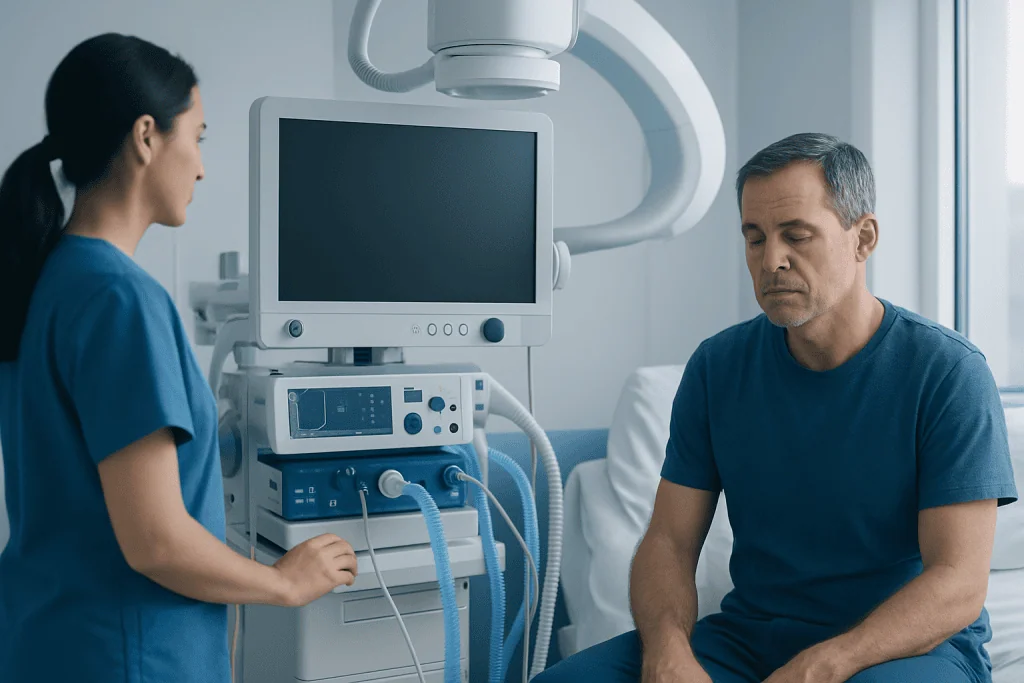
Symptoms depend on which part of the brain is affected, how quickly blood flow changes, and whether the problem is due to blockage or bleeding. Some symptoms appear suddenly and dramatically, while others develop gradually or cause subtle changes in thinking, walking, or daily function.
Typical warning signs of an acute event include:
- Sudden weakness or numbness, especially on one side of the body
- Facial drooping
- Difficulty speaking or understanding speech
- Sudden vision loss or double vision
- Loss of balance, dizziness, or trouble walking
- Sudden severe headache, particularly if unusual for the person
- Confusion or reduced alertness
In some people, especially older adults, disease of the small blood vessels may be less dramatic. It can contribute to slower walking, balance problems, mood changes, or difficulties with attention and memory over time. These symptoms are not always caused by one single stroke but by cumulative vascular injury in the brain.
Any sudden neurological symptom should be treated urgently, even if it improves within minutes. Brief symptoms can still indicate a TIA or evolving stroke and should never be ignored.
Causes and Risk Factors

Cerebrovascular disease develops when the brain’s blood vessels are damaged or obstructed. The most common mechanism is atherosclerosis, where fatty deposits build up inside arteries and narrow them. A clot may then form at that site or travel from another part of the body, such as the heart, and block a brain artery.
Another major cause is bleeding from a weakened blood vessel. This may happen because of long-standing high blood pressure, vascular malformations, aneurysms, or certain blood-thinning medicines. Some patients also have disease in the small penetrating vessels of the brain, often related to years of hypertension or diabetes.
Important risk factors include high blood pressure, smoking, diabetes, high cholesterol, atrial fibrillation, obesity, inactivity, sleep apnea, excessive alcohol use, and older age. Family history can matter, but many risks are modifiable. Conditions such as carotid artery narrowing and prior TIA or stroke also increase the chance of future events.
Although risk rises with age, cerebrovascular disease is not limited to older adults. It can also affect younger people due to clotting disorders, autoimmune conditions, congenital blood vessel abnormalities, pregnancy-related factors, or injuries to the neck arteries.
Diagnosis: What Doctors Look For
Diagnosis starts with a careful history and neurological examination. Doctors assess when symptoms began, whether they are improving or worsening, and what functions are affected, such as speech, movement, vision, or awareness. The timing matters because some treatments for acute ischemic stroke are most effective within specific time windows.
Brain imaging is central to diagnosis. A non-contrast CT scan is often the first test in an emergency because it can quickly show bleeding and help guide urgent decisions. MRI may provide more detail about early ischemic injury, small vessel disease, or areas at risk. To study the blood vessels, clinicians may use CT angiography, MR angiography, carotid ultrasound, or catheter angiography when more detailed vascular mapping is needed.
Additional tests help identify the underlying cause. Blood pressure assessment, blood tests, heart rhythm monitoring, and echocardiography may reveal contributing factors such as diabetes, high cholesterol, atrial fibrillation, or heart-related emboli. In selected patients, doctors also investigate clotting disorders, inflammatory vessel disease, or structural abnormalities.
The goal is not only to confirm cerebrovascular disease, but to define its type and mechanism. That distinction is essential because a blocked artery, a brain hemorrhage, carotid narrowing, and small vessel disease are managed differently. Advanced imaging may also help determine whether a patient could benefit from interventional neuroradiology procedures or close monitoring alone.
Modern Treatment Approaches
Treatment depends on whether the problem is ischemic, hemorrhagic, transient, or chronic. In acute ischemic stroke, the immediate goal is restoring blood flow and preserving brain tissue. Depending on the timing and imaging findings, doctors may use clot-dissolving medicine or perform mechanical thrombectomy to remove a clot from a large blocked artery.
When bleeding is the cause, treatment focuses on controlling blood pressure, managing the effects of bleeding, reversing certain blood thinners when appropriate, and addressing the source of hemorrhage. Some patients may need neurosurgical or endovascular treatment if an aneurysm, vascular malformation, or increased pressure inside the skull is present.
Long-term treatment is just as important as emergency care. Doctors commonly prescribe medicines to lower blood pressure, reduce cholesterol, prevent clotting when appropriate, and control diabetes. If an irregular heartbeat such as atrial fibrillation is found, anticoagulation may be recommended to reduce the risk of future embolic stroke. In selected cases of significant carotid artery narrowing, procedures may be considered alongside medical therapy.
Recovery often includes rehabilitation. Physical, occupational, and speech therapy can help improve strength, balance, communication, swallowing, and daily independence. Comprehensive stroke services may combine emergency care, imaging, neurology, rehabilitation, and, when suitable, stroke rehabilitation to support both short-term recovery and long-term function.
Prevention and Self-Care
Prevention is a major part of cerebrovascular disease care because many future events can be lowered through consistent risk-factor control. The most effective step for many people is keeping blood pressure in a healthy range. Managing cholesterol, diabetes, and heart rhythm disorders is also essential, as these conditions directly affect blood vessels and clot formation.
Healthy lifestyle choices support medical treatment. Not smoking, being physically active, maintaining a healthy weight, limiting alcohol, getting adequate sleep, and eating a balanced diet rich in vegetables, fruits, whole grains, and unsaturated fats can all help protect vascular health. Patients should take prescribed medicines regularly and not stop them without medical advice.
After a TIA or stroke, follow-up appointments are important even if symptoms seem to have resolved. Doctors may adjust medicines, repeat vascular imaging, monitor for side effects, and reassess rehabilitation needs. Home blood pressure monitoring and awareness of warning signs can also be useful.
Patients with swallowing difficulties, mobility problems, or memory changes may need tailored support at home. Family education, fall prevention, and help with medication organization can make recovery safer and more manageable.
When to Seek Medical Care
Emergency medical care is needed for any sudden sign of possible stroke. This includes facial drooping, arm weakness, speech difficulty, sudden confusion, severe dizziness, abrupt vision change, or a severe unusual headache. Even if symptoms disappear quickly, urgent evaluation is still necessary because a TIA may come before a larger stroke.
Non-emergency medical review is also important for persistent but less dramatic concerns such as repeated brief numbness, new balance trouble, unexplained falls, memory decline, or headaches associated with neurological symptoms. These do not always mean cerebrovascular disease, but they deserve proper assessment.
People who already have risk factors such as high blood pressure, diabetes, smoking history, atrial fibrillation, or previous TIA should discuss prevention with a doctor even when they feel well. Early management can reduce future complications and help protect brain health over time.
For international patients who need coordinated assessment and treatment, Acibadem International’s multidisciplinary specialists and JCI-accredited hospitals provide diagnosis and care for cerebrovascular conditions, including advanced imaging, emergency stroke treatment, and follow-up planning.
Frequently asked questions
Is cerebrovascular disease the same as stroke?
Not exactly. Cerebrovascular disease is a broad term for disorders affecting the brain’s blood vessels, while stroke is one possible result of those disorders. It also includes conditions such as TIA, carotid artery narrowing, and small vessel disease.
Can cerebrovascular disease be treated successfully?
Many forms can be managed effectively, especially when diagnosed early. Treatment may reduce symptoms, prevent additional strokes, and improve recovery through rehabilitation and risk-factor control. The outlook depends on the type of disease, how quickly care begins, and the person’s overall health.
What is the difference between a TIA and a stroke?
A TIA causes stroke-like symptoms that resolve, usually because blood flow is briefly interrupted and then restored. A stroke causes longer-lasting brain injury due to blocked blood flow or bleeding. Even though TIA symptoms improve, it is still a medical warning sign that needs urgent evaluation.
Who is most at risk for cerebrovascular disease?
Risk is higher in people with high blood pressure, diabetes, smoking history, high cholesterol, atrial fibrillation, obesity, and older age. However, younger adults can also be affected, particularly if they have clotting problems, certain heart conditions, or blood vessel abnormalities.
What tests are usually used to diagnose cerebrovascular disease?
Doctors often begin with a neurological exam and urgent brain imaging such as CT or MRI. They may also assess the blood vessels with CT angiography, MR angiography, or carotid ultrasound. Heart tests and blood work can help identify why the event happened and how to prevent another one.
Can lifestyle changes really lower stroke risk?
Yes. Controlling blood pressure, stopping smoking, exercising regularly, eating a heart-healthy diet, and managing diabetes or cholesterol can meaningfully reduce the risk of future cerebrovascular events. Lifestyle changes work best when combined with regular medical follow-up and appropriate medications.
References
- World Health Organization
- American Stroke Association
- National Institute of Neurological Disorders and Stroke
- Centers for Disease Control and Prevention
- European Stroke Organisation
This article is for general information only and is not a substitute for professional medical advice. Please consult a qualified doctor about your individual situation.
Cerebrovascular Disease in Turkey — costs, top hospitals & a free quote
JCI-accredited · board-certified surgeons · reply within 24h
Add us as a Preferred Source to see more of our trusted health content across Google Search, AI Overviews and Discover.
Check your numbers in seconds
BMI, calories, due date, blood pressure and 30+ more clinical calculators — free, instant, doctor-reviewed ranges.

Neurology
Diagnosis and treatment of disorders of the brain, spinal cord, nerves and muscles.
51 specialists in this unit