Tarlov Cyst: What Patients Need to Know

Many Tarlov cysts do not cause symptoms and are discovered incidentally on imaging. When symptoms occur, they often involve low back, buttock, pelvic, or leg pain, along with sensory or bladder changes.
Key Takeaways
- Many Tarlov cysts do not cause symptoms and are discovered incidentally on imaging.
- When symptoms occur, they often involve low back, buttock, pelvic, or leg pain, along with sensory or bladder changes.
- MRI is commonly used to identify a Tarlov cyst and assess whether it may be affecting nearby nerve roots.
- Treatment depends on symptoms and can range from observation and pain management to selected procedures or surgery.
- New or worsening weakness, numbness in the saddle area, or loss of bladder or bowel control needs prompt medical attention.
A tarlov cyst is a fluid-filled sac that forms around a spinal nerve root, usually in the lower spine. Many are found by chance and cause no problems, but some can irritate nearby nerves and lead to pain, numbness, or bladder and bowel symptoms that should be evaluated.
What Is a Tarlov Cyst?
A tarlov cyst, also called a perineural cyst, is a fluid-filled sac that develops around the sheath of a spinal nerve root. It most often appears in the sacral area, the lower part of the spine near the pelvis. These cysts contain cerebrospinal fluid, the same fluid that surrounds the brain and spinal cord.
For many people, a tarlov cyst never causes symptoms. It may be found incidentally during an MRI or CT scan done for back pain, sciatica, or another reason. In these cases, the cyst itself may not be the source of symptoms, which is why careful medical assessment is important.
Some cysts, however, can press on nearby nerve tissue or contribute to irritation in the surrounding area. When this happens, symptoms may vary widely depending on the cyst’s size, location, and relationship to nearby nerves. This is one reason why two people with similar imaging findings can feel very different.
How a Tarlov Cyst Can Cause Symptoms
Symptoms usually develop when a cyst affects nearby nerve roots or the tissues around them. The sacral nerves help control sensation and movement in the pelvis, buttocks, legs, and some bladder, bowel, and sexual functions. As a result, symptoms can extend beyond simple low back pain.
People may notice discomfort that worsens with sitting, standing for long periods, walking, bending, coughing, or straining. Symptoms may come and go at first and become more persistent over time. In some patients, nerve-related symptoms are more noticeable than pain itself.
Common symptoms that may be linked to a symptomatic tarlov cyst include:
- Low back, sacral, buttock, or pelvic pain
- Pain radiating into one or both legs
- Numbness, tingling, burning, or altered sensation
- Weakness in the legs or feet
- Pain with sitting or prolonged activity
- Bladder urgency, frequency, difficulty emptying, or incontinence
- Bowel function changes, including constipation or reduced control
- Sexual dysfunction or pain during intercourse
These symptoms are not unique to a tarlov cyst. Other spine and nerve conditions can cause similar complaints, including disc problems, spinal stenosis, or other nerve disorders such as sciatica. A doctor will consider the full clinical picture rather than relying on imaging alone.
Causes and Risk Factors

The exact cause of a tarlov cyst is not always clear. Some specialists believe these cysts may arise from weakness or changes in the nerve root covering, allowing cerebrospinal fluid to collect and gradually expand the sac. In some people, the cyst may remain small and stable for years.
Possible contributing factors may include congenital structural tendencies, prior trauma, inflammation, bleeding near the nerve root, or pressure changes in spinal fluid. However, not every patient has an obvious trigger, and the presence of a cyst does not automatically mean it is causing symptoms.
Tarlov cysts are seen more often in the sacral region and are reported more frequently in women, though they can occur in anyone. Because they are often asymptomatic, many may go undiagnosed. A person is more likely to seek evaluation when the cyst is large, located where it can affect nerve function, or discovered during investigation of chronic pelvic or lower back symptoms.
How Doctors Diagnose a Tarlov Cyst
Diagnosis begins with a detailed medical history and neurological examination. A doctor will ask where the pain is felt, what makes it worse, whether there are any bladder or bowel symptoms, and whether there are signs of weakness or sensory loss. This step helps determine whether the cyst seen on imaging is likely to be clinically relevant.
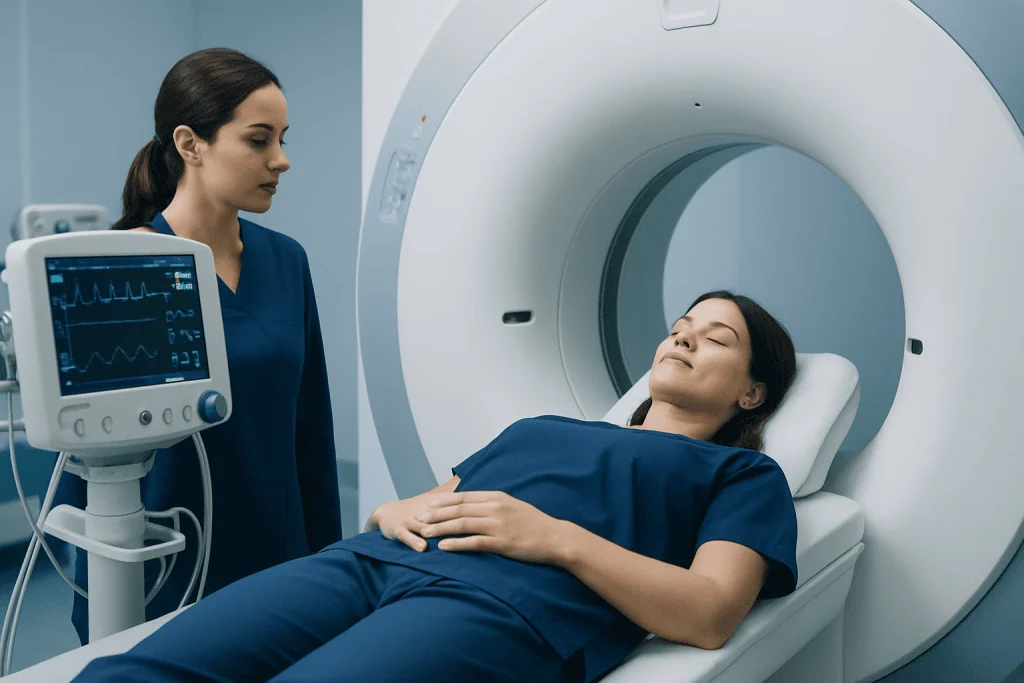
MRI is the main imaging test used to identify a tarlov cyst. It can show the cyst’s size, location, and relationship to nerve roots and surrounding structures. In some situations, CT scanning or CT myelography may be used to provide further anatomical detail, especially when planning treatment.
Because symptoms can overlap with many spine conditions, doctors may also evaluate for other causes of nerve compression or pain. Depending on the situation, this may include assessment for a herniated disc or referral for electrodiagnostic testing. The goal is not simply to find a cyst, but to understand whether it matches the pattern of symptoms.
Patients sometimes feel worried when a cyst appears on a scan report. Reassurance is important: an imaging finding is only one part of diagnosis. A careful, individualized review helps avoid both over-treatment and under-treatment.
Treatment Options for a Tarlov Cyst
Treatment depends on whether the cyst is causing symptoms and how much those symptoms affect daily life. If the cyst is found incidentally and there are no clear related symptoms, observation may be all that is needed. Follow-up may include monitoring symptoms over time and repeating imaging in selected cases.
For symptomatic cases, conservative care is often tried first. This may include activity modification, pain-relieving medicines recommended by a physician, physical therapy, and strategies to reduce pressure on the lower spine during sitting or exertion. When pain has a nerve-related pattern, a specialist may suggest approaches used in broader spine treatment plans.
In selected patients, image-guided procedures may be considered. These may include aspiration or drainage of the cyst, sometimes with other techniques intended to reduce recurrence. Such procedures are not suitable for everyone, and symptoms can return in some cases, so the benefits and limitations need careful discussion.
Surgery may be considered when symptoms are clearly linked to the cyst and are severe, progressive, or resistant to conservative treatment. Surgical options vary and may involve decompression, cyst fenestration, repair, or related neurosurgical techniques. If nerve involvement is significant, evaluation by specialists in neurosurgery can help determine whether an operation is appropriate and what risks and expected outcomes should be considered.
Living With a Tarlov Cyst: Self-care and Daily Management
Many people with a tarlov cyst are able to manage symptoms and stay active with practical adjustments. It may help to avoid positions that clearly trigger pain, such as prolonged sitting on hard surfaces, repeated heavy lifting, or activities that involve straining. Short movement breaks during travel or desk work can also reduce discomfort for some patients.
General spinal health measures can support overall comfort. These include maintaining a healthy body weight, using supportive seating, practicing safe lifting habits, and following a guided exercise or physical therapy program if recommended. Gentle core strengthening and flexibility work may be useful when tailored to the individual rather than done aggressively.
It is also important to monitor symptom changes. New weakness, worsening numbness, increasing pelvic symptoms, or changes in bladder or bowel function should not be dismissed as routine back pain. Keeping a symptom diary can help patients explain patterns clearly during appointments.
When care is needed, assessment is often most helpful in centers where radiology, neurology, pain management, rehabilitation, and spine surgery work together. Acibadem International’s multidisciplinary specialists in JCI-accredited hospitals evaluate and treat international patients with spinal and nerve conditions, including cases that may require advanced neurology and surgical input.
When to Seek Medical Care
A person should arrange medical evaluation if low back, pelvic, buttock, or leg symptoms are persistent, unexplained, or interfering with daily activities. This is especially true when symptoms include numbness, tingling, weakness, or pain that worsens with sitting or straining. Early review can help identify whether the problem is related to a tarlov cyst or another spinal condition.
Prompt medical care is important if there is new or worsening leg weakness, numbness around the inner thighs or genital area, trouble starting urination, loss of bladder or bowel control, or severe rapidly worsening pain. These symptoms can indicate significant nerve involvement and require urgent assessment.
Even when symptoms are not urgent, specialist advice can be valuable if imaging has shown a tarlov cyst and there is uncertainty about what it means. A careful explanation of the findings, along with guidance on monitoring and treatment options, often helps patients feel more informed and reassured.
Frequently asked questions
Is a tarlov cyst dangerous?
Most tarlov cysts are not dangerous and do not cause symptoms. Concern usually arises only when a cyst appears to irritate or compress nearby nerves, leading to pain, weakness, or bladder and bowel changes.
Can a tarlov cyst go away on its own?
A tarlov cyst does not usually disappear on its own. Many remain stable and never need treatment, while others are simply monitored unless they clearly cause symptoms.
What is the best test for a tarlov cyst?
MRI is commonly the most useful test because it shows soft tissues, nerve roots, and the fluid-filled cyst clearly. Additional imaging may sometimes be used to clarify anatomy or plan treatment.
Does every tarlov cyst need surgery?
No. Surgery is usually reserved for selected patients with symptoms that strongly match the cyst and do not improve with conservative care, or when there are significant neurological problems.
Can a tarlov cyst cause bladder or bowel problems?
Yes, in some cases it can. Because many tarlov cysts occur near sacral nerves involved in bladder and bowel control, irritation in this area may contribute to urgency, difficulty emptying, or loss of control.
How can someone tell if symptoms are from the cyst or from another spine problem?
This usually requires a doctor’s assessment rather than imaging alone. The location of the cyst, the pattern of symptoms, neurological examination findings, and the presence of other conditions such as disc disease all help determine whether the cyst is likely responsible.
References
- National Institute of Neurological Disorders and Stroke
- National Institute of Arthritis and Musculoskeletal and Skin Diseases
- American Association of Neurological Surgeons
- National Organization for Rare Disorders
- Radiological Society of North America
This article is for general information only and is not a substitute for professional medical advice. Please consult a qualified doctor about your individual situation.
Persistent digestive symptoms? Get evaluated in Turkey
JCI-accredited · board-certified surgeons · reply within 24h
Add us as a Preferred Source to see more of our trusted health content across Google Search, AI Overviews and Discover.

More from the Health Library

Echinacea Purpurea: A Complete Medical Overview

Cte: What Patients Need to Know

Red Clover: A Complete Medical Overview

Rumination: An Evidence-Based Guide for Patients

Muscle Hypertrophy: A Complete Medical Overview