Stress Relief: Evidence-Based Options and When to See a Doctor

Evidence-backed stress relief includes exercise, sleep support, relaxation techniques, and structured psychological therapies. Not all popular remedies have equal evidence; some may help certain people but should not replace medical care.
Key Takeaways
- Evidence-backed stress relief includes exercise, sleep support, relaxation techniques, and structured psychological therapies.
- Not all popular remedies have equal evidence; some may help certain people but should not replace medical care.
- Persistent stress can affect mood, sleep, concentration, blood pressure, digestion, and overall health.
- Red-flag symptoms such as chest pain, panic with shortness of breath, fainting, or thoughts of self-harm need prompt medical attention.
- A doctor can help rule out medical conditions that may look like stress, including anxiety, depression, thyroid problems, and sleep disorders.
Stress relief is usually most effective when it combines practical daily habits with proven mind-body strategies such as regular exercise, good sleep, relaxation training, and, when needed, professional mental health care. If stress becomes intense, lasts for weeks, or causes physical or emotional warning signs, medical evaluation is important.
Overview: what stress relief really means
Stress relief means reducing the mental and physical strain that builds up when a person feels overwhelmed, under pressure, or unable to cope with demands. For most people, the most reliable approach is not a single trick but a combination of evidence-based habits that calm the nervous system, improve resilience, and address the cause of the stress where possible.
Short-term stress is a normal body response. It can briefly sharpen attention and help a person react to a challenge. Problems arise when stress is frequent, intense, or long-lasting. Over time, chronic stress can affect sleep, concentration, mood, appetite, blood pressure, digestion, and immune function.
Evidence-based stress relief focuses on methods that have been studied in clinical research. These include physical activity, sleep improvement, breathing and relaxation exercises, mindfulness-based approaches, and psychological therapies such as cognitive behavioral therapy. Other options, such as some supplements or wellness trends, may feel helpful to some people but have less consistent evidence and should be viewed as supportive rather than primary treatment.
Common signs that stress is affecting health
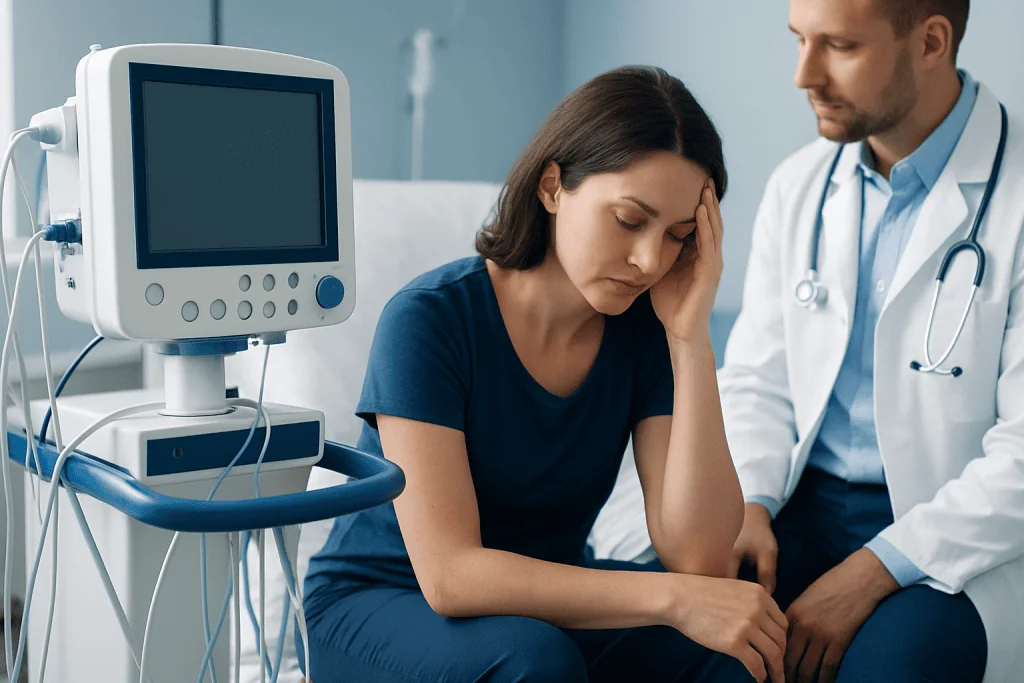
Stress does not look the same in every person. Some notice emotional symptoms first, while others mainly feel physical changes. A person may feel irritable, tense, worried, overwhelmed, or mentally exhausted. It may become harder to focus, make decisions, or enjoy usual activities.
Physical symptoms are also common. These can include headaches, muscle tension, jaw clenching, stomach discomfort, changes in bowel habits, rapid heartbeat, fatigue, poor sleep, or increased sweating. Some people notice stress-related chest tightness or breathlessness, but these symptoms should not automatically be assumed to be stress because heart and lung conditions can cause similar complaints.
Behavioral changes can be another clue. A person may withdraw socially, overwork, use alcohol more often, eat for comfort, skip meals, doom-scroll late at night, or stop exercising. When stress begins to affect daily functioning, relationships, work, or school performance, it is a sign that additional support may be needed.
- Emotional: irritability, worry, low mood, feeling on edge
- Physical: headache, muscle pain, upset stomach, sleep problems
- Cognitive: poor concentration, forgetfulness, racing thoughts
- Behavioral: withdrawal, overeating, under-eating, increased substance use
What causes stress, and when it becomes chronic
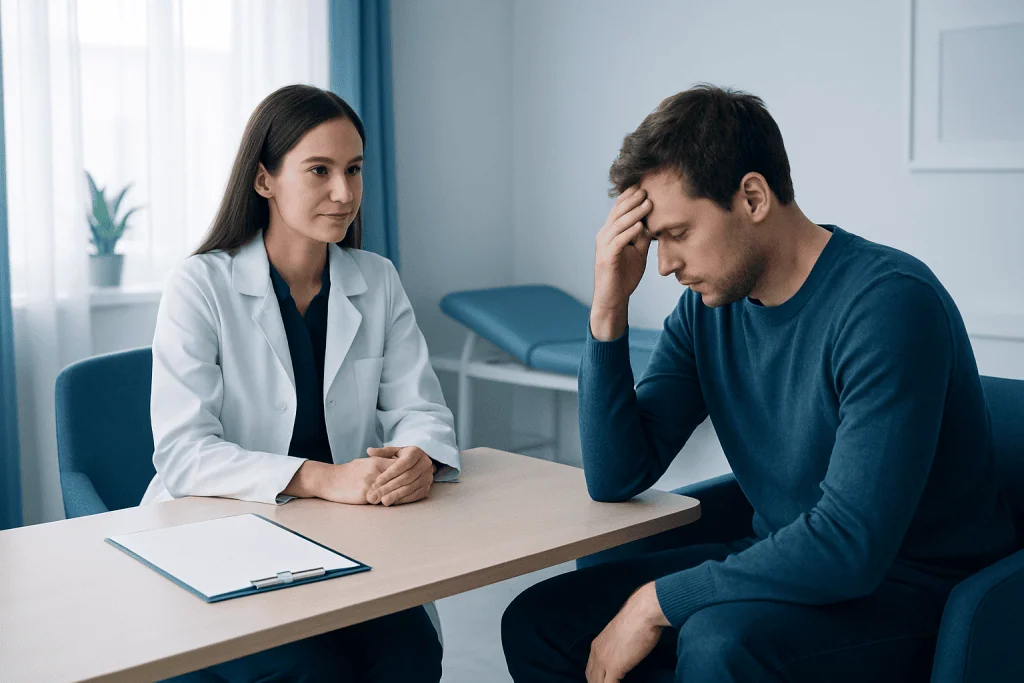
Stress often comes from a mix of external pressures and internal factors. Common triggers include work strain, caregiving, financial concerns, major life changes, grief, relationship conflict, chronic illness, and poor sleep. Sometimes stress builds gradually and becomes normal enough that a person does not realize how much it is affecting the body.
Not everyone responds to stress in the same way. Personal coping style, past experiences, social support, trauma history, and overall physical and mental health all influence how stressful a situation feels. Anxiety and mood disorders can also make the stress response stronger or more persistent. In some cases, symptoms that seem like stress may be related to an anxiety disorder or depression, which deserve proper assessment and care.
Chronic stress matters because the body may stay in a prolonged state of alertness. This can disturb sleep, raise muscle tension, worsen headaches, and contribute to unhealthy habits. It may also overlap with medical problems such as thyroid disorders, heart rhythm problems, or sleep conditions like sleep apnea, which can mimic or intensify stress symptoms.
Evidence-based stress relief options
Regular physical activity is one of the strongest evidence-backed tools for stress relief. Exercise helps regulate stress hormones, supports sleep, improves mood, and can reduce muscle tension. The best choice is usually an activity a person can do consistently, such as brisk walking, cycling, swimming, strength training, yoga, or stretching. Even short sessions can help when practiced regularly.
Sleep improvement is another core strategy. Poor sleep increases stress reactivity, and stress can make sleep worse, creating a cycle that is hard to break. Helpful steps include keeping a regular sleep schedule, reducing caffeine late in the day, limiting screens before bed, and treating underlying sleep problems when present. If sleep remains difficult despite self-care, medical evaluation may help identify insomnia or another sleep disorder.
Relaxation practices have good support when used consistently. Slow breathing, progressive muscle relaxation, guided imagery, and mindfulness-based stress reduction can calm the body and improve emotional regulation. These methods are low-risk and practical for daily use. Some people also benefit from structured mind-body care such as psychotherapy to develop coping skills and address thought patterns that keep stress high.
Psychological treatments are especially helpful when stress is persistent or linked to anxiety, trauma, or depression. Cognitive behavioral therapy has strong evidence for reducing stress-related symptoms and improving function. Depending on the situation, a doctor may also recommend assessment by a specialist in psychiatry if symptoms are severe, recurrent, or affecting safety.
Options with limited or mixed evidence
Many products and practices are marketed for stress relief, but the quality of evidence varies. Herbal supplements, essential oils, special drinks, wearable devices, and internet trends may feel soothing to some people, yet they often have mixed research support. A lack of strong evidence does not mean something never helps, but it does mean it should be used carefully and with realistic expectations.
Supplements deserve particular caution. Natural does not always mean safe. Some products can interact with prescription medicines, affect blood pressure, worsen sleep, or cause side effects. Pregnant people, older adults, and anyone with chronic medical conditions should speak with a clinician before using them for stress.
Complementary activities such as massage, music, time in nature, hobbies, social connection, and spiritual practices can be useful parts of a broader plan, especially when they encourage relaxation and routine. However, they work best as additions to proven care rather than replacements for medical or psychological treatment when symptoms are significant.
How doctors evaluate stress-related symptoms
When stress is persistent, a doctor looks beyond the stress itself. The goal is to understand the pattern of symptoms, how they affect daily life, and whether another condition may be contributing. The evaluation usually includes questions about mood, sleep, energy, appetite, concentration, recent life events, substance use, medications, and medical history.
A physical exam and selected tests may be needed depending on symptoms. For example, chest pain, palpitations, weight change, fatigue, or shortness of breath may require evaluation to rule out heart disease, thyroid problems, anemia, hormonal issues, or lung conditions. Sleep concerns may lead to assessment in a sleep center when a disorder such as sleep apnea or insomnia is suspected.
If emotional symptoms are prominent, screening for anxiety, depression, panic attacks, and trauma-related conditions may be appropriate. This matters because stress relief is more effective when the underlying issue is clearly identified. A person may need lifestyle support alone, short-term counseling, formal therapy, medication, or a combination of these approaches.
Daily self-care that supports recovery from stress
Effective self-care for stress is usually simple, repeatable, and sustainable. It helps to start with one or two habits rather than trying to change everything at once. Regular movement, meals at consistent times, hydration, and a basic sleep routine can stabilize the body’s stress response and make other strategies more effective.
Setting limits is also important. Many people benefit from reducing avoidable stressors such as nonstop notifications, late-night work, and overcommitment. Brief recovery periods during the day, such as a 5-minute breathing break or a walk outside, can lower tension before it accumulates. Social support matters too; talking with trusted family, friends, or a counselor can reduce feelings of isolation.
A practical home plan may include:
- Daily physical activity, even in short sessions
- Regular sleep and wake times
- Breathing exercises or mindfulness practice
- Balanced meals and less excess caffeine or alcohol
- Time outdoors, enjoyable hobbies, and social connection
- Seeking professional help early if symptoms keep returning
When to seek medical care
Red-flag symptoms should be assessed promptly rather than being assumed to be stress. These include chest pain, severe shortness of breath, fainting, new confusion, sudden weakness, severe panic symptoms that do not settle, thoughts of self-harm, or feeling unable to stay safe. Emergency care is also important if a person may be having a heart attack, stroke, or another urgent medical problem.
Medical care is also appropriate when stress symptoms last for several weeks, keep coming back, or interfere with work, school, sleep, relationships, or daily responsibilities. A person should seek help if they are relying on alcohol, sedatives, or other substances to cope, or if they have frequent headaches, stomach problems, palpitations, or ongoing fatigue.
Professional support can make a meaningful difference. A clinician can identify whether symptoms are mainly stress-related or whether another condition is present and needs treatment. Near the end of the care pathway, it may also help to know that Acibadem International’s multidisciplinary specialists and JCI-accredited hospitals diagnose and treat stress-related conditions, anxiety, depression, and sleep problems for international patients.
Frequently asked questions
What is the fastest evidence-based way to get stress relief?
There is no single method that works instantly for everyone, but slow breathing and brief movement often help quickly. For many people, a few minutes of paced breathing, a short walk, or progressive muscle relaxation can reduce physical tension within minutes.
Can stress cause physical symptoms even if medical tests are normal?
Yes. Stress can contribute to headaches, muscle tightness, stomach upset, palpitations, fatigue, and sleep problems. Even so, new, severe, or persistent symptoms should still be checked by a doctor because stress can overlap with other medical conditions.
Are supplements a good choice for stress relief?
Some supplements are marketed for stress, but the evidence is often limited or mixed. They may also interact with medicines or be unsafe for some people, so it is wise to discuss them with a qualified clinician before use.
How do I know if it is stress, anxiety, or depression?
These conditions can overlap, and symptoms may look similar. If worry, low mood, panic, sleep problems, or loss of interest persist or affect daily life, a medical or mental health assessment can help clarify the cause and guide treatment.
When should stress be treated by a professional instead of self-care alone?
Professional care is a good idea when stress lasts for weeks, keeps returning, or affects sleep, work, school, relationships, or safety. It is especially important if there are panic attacks, severe physical symptoms, substance misuse, or thoughts of self-harm.
Does exercise really help with stress relief?
Yes. Exercise is one of the best-supported strategies for stress relief and can improve mood, sleep, and overall resilience. The most effective plan is usually a form of movement that feels manageable and can be done regularly.
References
- World Health Organization
- National Institute of Mental Health
- American Psychological Association
- Centers for Disease Control and Prevention
- National Center for Complementary and Integrative Health
This article is for general information only and is not a substitute for professional medical advice. Please consult a qualified doctor about your individual situation.
Explore treatments in Turkey — costs, top hospitals & a free quote
JCI-accredited · board-certified surgeons · reply within 24h
Add us as a Preferred Source to see more of our trusted health content across Google Search, AI Overviews and Discover.
Check your numbers in seconds
BMI, calories, due date, blood pressure and 30+ more clinical calculators — free, instant, doctor-reviewed ranges.