Infected Wound: What Patients Need to Know

An infected wound often causes increasing redness, warmth, swelling, pain, pus, or a bad smell rather than gradual improvement. Not every red or sore wound is infected; some inflammation is part of normal healing, especially in the first few days.
Key Takeaways
- An infected wound often causes increasing redness, warmth, swelling, pain, pus, or a bad smell rather than gradual improvement.
- Not every red or sore wound is infected; some inflammation is part of normal healing, especially in the first few days.
- People with diabetes, poor circulation, weakened immunity, or deep or contaminated injuries have a higher risk of complications.
- Treatment may include cleaning, dressings, drainage, antibiotics, and management of any underlying condition that slows healing.
- Urgent medical care is important for spreading redness, fever, severe pain, tissue darkening, or wounds from bites or dirty punctures.
An infected wound develops when bacteria or other germs enter broken skin and trigger inflammation that goes beyond normal healing. Early recognition and proper care can often prevent the infection from worsening and help the wound heal more safely.
Overview: what an infected wound means
An infected wound is a break in the skin that has been invaded by bacteria or other microorganisms and is no longer healing in the usual way. Instead of gradually becoming less tender and less red, the area may become more painful, swollen, warm, or start to drain cloudy fluid or pus. In some cases, a wound that seemed minor at first can become infected after home injury, surgery, friction, scratching, or prolonged pressure on the skin.
Normal healing and infection can look similar in the early stages, which is why context matters. A small amount of redness, tenderness, or clear fluid may be expected after an injury. Infection becomes more likely when symptoms increase rather than settle, when the wound opens more instead of closing, or when there are general symptoms such as fever or feeling unwell.
Wound infections range from mild skin infections to deeper infections involving the tissue under the skin, muscle, or even bone. Prompt attention can reduce pain, support healing, and lower the chance of complications. People who already have diabetes or circulation problems often need closer monitoring because wounds may heal more slowly and infections can progress more easily.
How to recognize the signs and symptoms
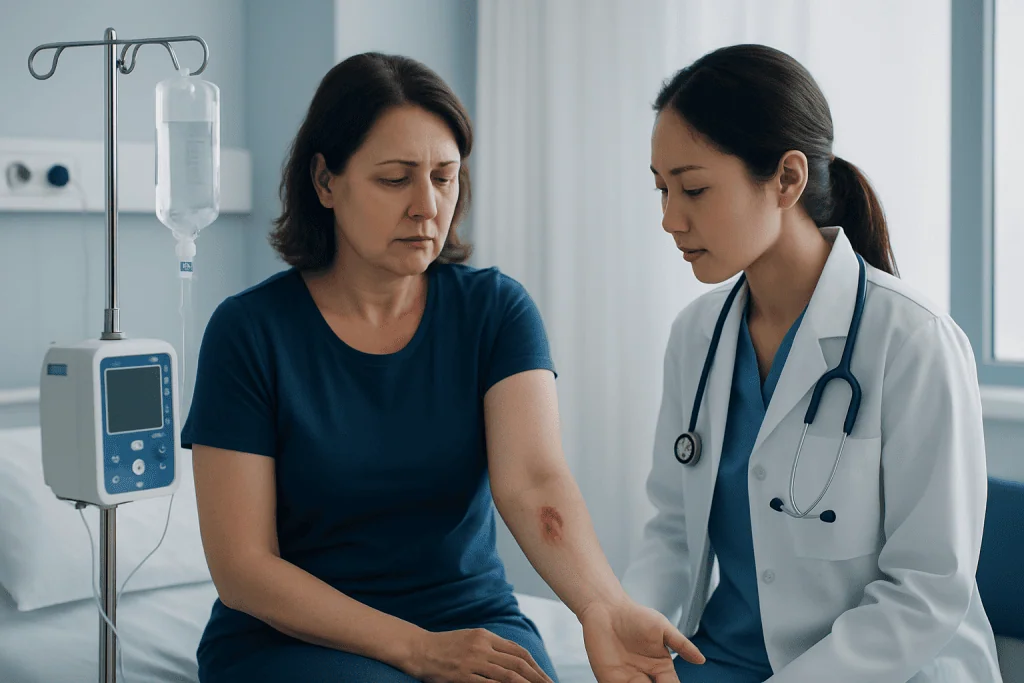
The most common signs of an infected wound are increasing redness, warmth, swelling, pain, and discharge. Pus may be yellow, white, or greenish, and the wound may develop an unpleasant smell. The skin around it can look shiny, tight, or more inflamed than it did a day or two earlier.
Another clue is delayed healing. A wound that is infected may stop improving, reopen, or appear larger and deeper over time. Some people notice tenderness that becomes more intense instead of fading. There may also be crusting, a change in color of the wound bed, or a new pocket of fluid under the skin.
More serious symptoms suggest the infection may be spreading beyond the wound itself. These include fever, chills, fatigue, red streaks moving away from the wound, swollen lymph nodes, or increasing pain out of proportion to the appearance of the injury. If the surrounding skin becomes dusky, gray, black, or numb, urgent medical assessment is needed.
- Common local signs: redness, warmth, swelling, pain, pus, odor
- Healing concerns: wound edges separating, no progress, worsening appearance
- Whole-body symptoms: fever, chills, weakness, red streaking
Why wounds become infected and who is at higher risk

Skin acts as a barrier against germs. When it is cut, scraped, burned, punctured, or damaged by surgery, microorganisms can enter and multiply. The risk rises when a wound is contaminated by dirt, saliva, stool, or stagnant water, or when there is dead tissue in the wound that makes healing more difficult.
Some types of wounds are especially vulnerable. These include bites, puncture wounds, crush injuries, burns, pressure sores, wounds with foreign material such as glass or gravel, and surgical wounds that reopen. A wound on the feet or lower legs may be harder to heal if there is poor blood flow or nerve damage.
Certain health conditions and medicines can also increase risk. These include diabetes, obesity, poor nutrition, smoking, immune suppression, cancer treatment, long-term steroid use, and conditions that reduce circulation. Chronic wounds, including diabetic foot problems, deserve careful follow-up because infection can develop subtly and spread deeper before it is obvious on the surface.
How doctors assess an infected wound
Diagnosis usually starts with a physical examination. A doctor looks at the size, depth, location, drainage, and condition of the skin around the wound. They may ask how the injury happened, how long it has been present, what home treatments have been used, and whether there are risk factors such as diabetes, vascular disease, recent surgery, or fever.
Not every wound needs testing, but some do. If the infection seems significant, recurrent, or slow to respond, a clinician may take a sample of wound fluid for culture to help identify the germ. Blood tests may be considered when there are signs of a more widespread infection. Imaging such as ultrasound, X-ray, or MRI can help if there is concern about an abscess, a retained foreign body, or infection spreading to deeper tissues or bone.
Assessment also includes checking circulation and sensation, especially in foot wounds. Some patients benefit from a more detailed review in wound care or related specialties. If advanced imaging is needed, MRI evaluation may be used to clarify whether infection has extended beyond the skin and soft tissue.
Treatment options and what recovery may involve
Treatment depends on how severe the infection is, where the wound is located, and whether deeper tissues are involved. Basic care often includes gentle cleaning, removal of dead tissue when needed, and an appropriate dressing to protect the area and manage moisture. Keeping the wound clean and covered can reduce further contamination and support healing.
Antibiotics may be used when there is clear bacterial infection, spreading redness, cellulitis, fever, or increased risk due to underlying illness. The choice of medicine depends on the type of wound, likely bacteria, and whether a culture has been taken. It is important for patients to use antibiotics exactly as prescribed and to return for reassessment if symptoms worsen or fail to improve.
Some infected wounds need drainage if pus has collected under the skin. Deeper or chronic wounds may need more structured wound care, pressure relief, blood sugar optimization, or treatment of circulation problems. In selected cases, doctors may recommend specialized wound care or hyperbaric oxygen therapy as part of a broader management plan, especially when healing is delayed and tissue oxygen supply is a concern.
Recovery time varies. A superficial skin infection may improve within days after treatment begins, while deeper or chronic wounds can take weeks or longer to heal. Follow-up is important because the wound may look better at the surface before deeper healing is complete.
Self-care at home and prevention steps
Good first aid lowers the chance of infection. A new wound should be washed gently with clean running water, and visible dirt should be removed carefully. After cleaning, a simple dressing can protect the area from friction and contamination. Harsh chemicals and repeated scrubbing can irritate tissue and may delay healing.
At home, patients should watch for changes rather than relying on one single symptom. Taking a daily photo or noting the size of redness can make it easier to tell whether the wound is improving. Dressings should be changed as advised, hands should be washed before touching the wound, and pressure on the area should be reduced when possible.
Prevention also includes addressing overall health. Good blood sugar control, stopping smoking, eating enough protein and fluids, and treating swelling in the legs can support healing. Foot checks are especially important for people with diabetes or reduced sensation, because injuries may go unnoticed until infection is already present.
- Clean wounds early and cover them appropriately
- Avoid picking scabs or squeezing drainage
- Change dressings with clean hands and clean supplies
- Seek advice for bites, punctures, burns, or wounds that are deep or contaminated
When to seek medical care
Medical care is advisable if a wound becomes more red, painful, swollen, or warm after the first day or two, or if there is pus, a foul smell, or delayed healing. Patients should also seek assessment if the wound is deep, caused by a bite, contains debris that cannot be removed, or occurs after surgery. Tetanus protection may need to be reviewed depending on the type of injury and vaccination history.
Urgent evaluation is important for fever, shaking chills, rapidly spreading redness, red streaks, severe or increasing pain, loss of function, or darkening of the skin. These features can suggest a more serious infection that should not be managed at home. People with diabetes, immune suppression, or poor circulation should contact a doctor sooner rather than later, even for wounds that seem small.
Hospital care may be needed if the infection is extensive, if oral treatment is not enough, or if imaging and specialist wound management are required. Acibadem International’s multidisciplinary specialists in JCI-accredited hospitals diagnose and treat wound-related problems for international patients, including complex cases that may need general surgery input alongside medical wound care.
Frequently asked questions
How can someone tell if a wound is infected or just healing normally?
Normal healing usually means redness, tenderness, and swelling gradually improve over several days. An infected wound tends to become more painful, red, warm, or swollen, and may produce pus, odor, or show no healing progress. If symptoms are increasing instead of settling, medical advice is sensible.
Can an infected wound heal on its own?
A very mild skin infection may improve with proper cleaning and basic wound care, but many infected wounds need medical assessment. If there is spreading redness, discharge, fever, or delayed healing, professional treatment may be necessary. Waiting too long can allow the infection to go deeper.
Should pus always mean a doctor visit?
Pus suggests infection is more likely and should not be ignored. A small amount of drainage may still need evaluation, especially if it is thick, yellow, green, or foul-smelling. A doctor can decide whether the wound needs drainage, dressing changes, or antibiotics.
Are antibiotics always needed for an infected wound?
No. Some wounds improve with cleaning, dressings, and local care alone, particularly if infection is limited and superficial. Antibiotics are more likely to be needed when there is cellulitis, deeper infection, fever, or high-risk health conditions.
Who is most at risk of complications from an infected wound?
People with diabetes, poor circulation, weakened immune systems, nerve damage, or chronic swelling have a higher risk. Older adults and people who smoke or have poor nutrition may also heal more slowly. For these groups, even a small wound deserves close attention.
What should be avoided when caring for a wound at home?
It is best to avoid picking at the wound, squeezing drainage, or repeatedly applying irritating substances that can damage tissue. Hands should be washed before and after dressing changes, and dressings should be kept clean. If the wound is getting worse, home care alone is not enough.
This article is for general information only and is not a substitute for professional medical advice. Please consult a qualified doctor about your individual situation.
Explore treatments in Turkey — costs, top hospitals & a free quote
JCI-accredited · board-certified surgeons · reply within 24h
Add us as a Preferred Source to see more of our trusted health content across Google Search, AI Overviews and Discover.

More from the Health Library

Knee Extension: What Patients Need to Know

Purslane flowers benefits: A Complete Medical Guide for Patients

Romanian Deadlift: What Patients Need to Know

Artificial Tears for Eye Irritation: A Complete Medical Overview

Knee Xray: What Patients Need to Know