Spotting After Period: A Complete Clinical Guide for Patients

Spotting after a period is usually lighter than menstrual flow and may look pink, red, or brown. Common causes include hormonal fluctuations, ovulation, birth control, cervical irritation, and infections.
Key Takeaways
- Spotting after a period is usually lighter than menstrual flow and may look pink, red, or brown.
- Common causes include hormonal fluctuations, ovulation, birth control, cervical irritation, and infections.
- Pregnancy-related bleeding and some uterine or cervical conditions can also cause spotting.
- Medical review is important if spotting is frequent, heavy, painful, occurs after sex, or happens after menopause.
- Diagnosis may include a pelvic exam, pregnancy test, infection testing, blood tests, and ultrasound.
Spotting after period means light bleeding or brown discharge that appears after a menstrual period seems to have ended. It is often related to normal hormonal shifts, but it can also happen with infection, pregnancy-related causes, contraception, or gynecologic conditions, so persistent or unusual spotting should be assessed by a doctor.
Overview: What spotting after period means
Spotting after period refers to light vaginal bleeding that happens after a menstrual period appears to be over. It is usually much lighter than a normal period, may only show up as a few drops on underwear or toilet paper, and can look pink, red, or brown. Brown spotting often means older blood is leaving the uterus a little later than expected.
In many cases, spotting after a period is not a sign of a serious problem. It can happen because of normal hormonal variation, delayed clearing of menstrual blood, ovulation, or the use of hormonal contraception. At the same time, repeated or unusual spotting can sometimes point to infection, pregnancy-related causes, polyps, fibroids, thyroid problems, or other gynecologic conditions.
What matters most is the pattern. A one-time episode of very light spotting without other symptoms may not need urgent attention. However, spotting that keeps happening, becomes heavier, causes pain, has an unpleasant odor, or appears after sex deserves a proper medical evaluation so the cause can be identified and treated if needed.
How spotting differs from a period
Many people are unsure whether they are still finishing a period or having true spotting after it. A period usually has a more consistent flow and may require regular changes of pads, tampons, or menstrual cups. Spotting is lighter, less predictable, and often does not soak menstrual products in the same way.
The timing can offer clues. Some people experience a small amount of residual bleeding for a day or two after menstruation, especially if the last days of the cycle are normally very light. This may simply reflect blood leaving the uterus more slowly. If bleeding returns several days later, keeps happening between cycles, or occurs after sex, it is more likely to be intermenstrual spotting rather than the end of a period.
Tracking the color, amount, and timing can be useful. Helpful details include whether the discharge is brown or bright red, whether there is pelvic pain or cramping, whether spotting happens around ovulation, and whether there has been a recent change in contraception, stress, weight, or medications.
Common causes and risk factors

Hormonal changes are one of the most common reasons for spotting after a period. Estrogen and progesterone control the menstrual cycle, and even small shifts can lead to light bleeding. This may happen during adolescence, around perimenopause, after significant stress, with intense exercise, or after major weight changes. Ovulation can also trigger brief mid-cycle spotting in some people.
Hormonal contraception is another frequent cause. Birth control pills, implants, injections, hormonal IUDs, and emergency contraception can all cause breakthrough bleeding, especially in the first few months of use or if pills are missed. A copper IUD may also affect bleeding patterns in some women.
Other causes involve the cervix, uterus, or vagina. These include cervical irritation, vaginal dryness, sexually transmitted infections, pelvic infections, uterine polyps, fibroids, endometriosis, adenomyosis, and less commonly disorders affecting the lining of the uterus. Conditions such as ovarian cysts may also sometimes be associated with cycle changes and irregular bleeding depending on the type and hormonal activity.
Pregnancy-related causes should also be considered in anyone who could be pregnant. Implantation bleeding, early pregnancy loss, and ectopic pregnancy can all present with spotting. Risk factors that make medical review more important include unprotected sex, a missed period, previous gynecologic conditions, thyroid disease, blood clotting problems, and use of medications that affect bleeding.
Symptoms that can accompany spotting
Spotting after a period may occur on its own or together with other symptoms. Some people notice mild cramping, pelvic pressure, or lower abdominal discomfort. Others may see changes in vaginal discharge, such as thicker discharge, an unusual color, or a bad odor, which can suggest infection or inflammation.
The pattern of bleeding is important. Light brown spotting for a short time may simply reflect old blood. Bright red bleeding, repeated episodes during the month, bleeding after intercourse, or spotting that turns into a heavier flow can suggest a different underlying cause. If cycles have become very irregular, that detail is also helpful for a doctor.
Associated symptoms that deserve attention include fever, dizziness, severe pain, pain during sex, painful urination, unexplained fatigue, and symptoms of anemia such as weakness or shortness of breath. These symptoms do not always mean a serious condition, but they can help guide how urgently someone should be assessed.
- Pink, red, or brown spotting may each occur for different reasons.
- Spotting after sex can point to cervical irritation, infection, or cervical changes.
- Pelvic pain with spotting may suggest infection, ovarian problems, endometriosis, or pregnancy-related causes.
- A missed period followed by spotting should prompt a pregnancy test.
How doctors diagnose the cause
Diagnosis begins with a careful medical history. A doctor will usually ask when the spotting started, how often it happens, whether periods are regular, what medications or contraception are being used, and whether there are related symptoms such as pain, discharge, or bleeding after sex. Menstrual tracking on a phone app or calendar can be very helpful during this visit.
A physical examination may include a pelvic exam to look for vaginal, cervical, or uterine causes of bleeding. Depending on age and symptoms, testing may include a pregnancy test, vaginal or cervical swabs for infection, blood tests for anemia or hormone-related issues, and sometimes cervical screening if it is due.
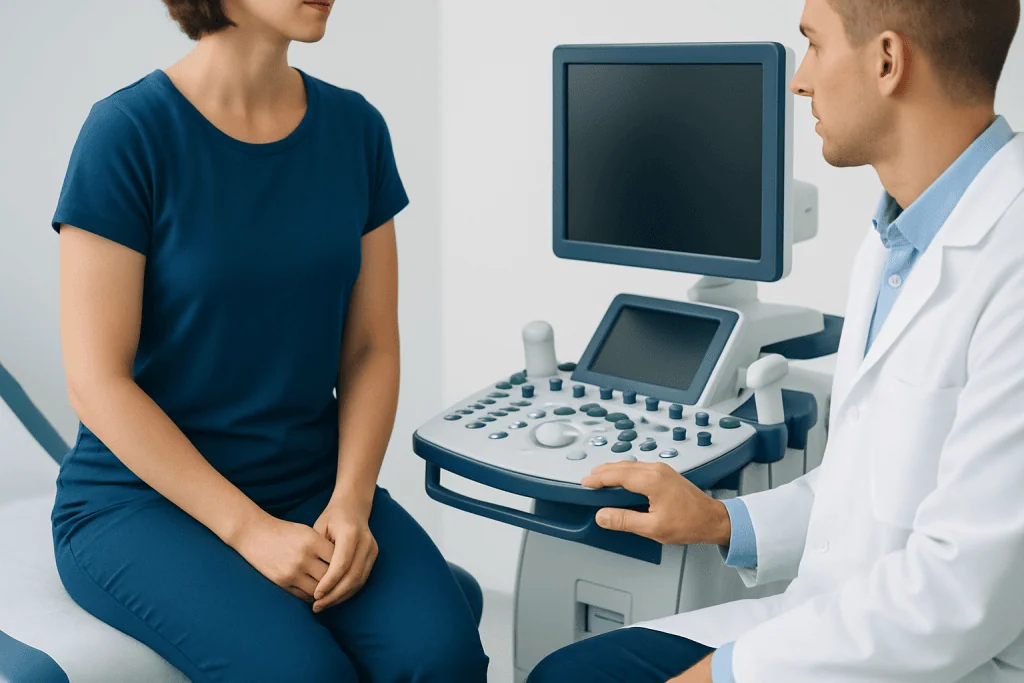
Imaging is often used when structural causes are suspected. Pelvic ultrasound is commonly the first test because it can help identify fibroids, polyps, ovarian cysts, or changes in the uterine lining. When needed, doctors may recommend pelvic ultrasound or other forms of MRI scanning to clarify findings and plan care.
In some situations, further evaluation of the uterus may be appropriate, especially if bleeding is persistent, heavy, or occurs in midlife or after menopause. The exact tests depend on the person’s age, medical history, pregnancy status, and the overall pattern of abnormal bleeding.
Treatment options and what to expect
Treatment depends entirely on the cause. If spotting appears to be related to a normal hormonal fluctuation or the first months of a new contraceptive method, a doctor may recommend monitoring for a short time. If contraception is the trigger and bleeding is bothersome, changing the method may help.
If infection is found, treatment is directed at the specific infection. If a structural cause such as a polyp or fibroid is identified, management may range from observation to medication or a procedure. People with ongoing pelvic symptoms may also be assessed for conditions such as endometriosis, which can contribute to abnormal bleeding and pain.
When imaging or examination suggests a problem inside the uterus, additional procedures may sometimes be recommended. In selected cases, a doctor may discuss hysteroscopy to examine the uterine cavity directly and address causes such as certain polyps. If fibroids are contributing to bleeding, options may include monitoring, medication, or procedures such as myomectomy depending on symptoms and reproductive goals.
Anyone who may be pregnant should not assume spotting is harmless. Pregnancy-related bleeding requires medical assessment because treatment may need to be prompt. The best next step is to seek individualized advice rather than trying to self-diagnose based only on bleeding color or timing.
Self-care, tracking, and prevention
Not every episode of spotting can be prevented, but a few habits can make evaluation easier and may reduce avoidable triggers. Keeping a menstrual diary can help identify whether spotting occurs after sex, around ovulation, after missed pills, or during times of stress. Recording flow, color, pain, and any associated symptoms gives doctors useful information.
Taking hormonal contraception exactly as prescribed can reduce breakthrough bleeding for many users. Using condoms can lower the risk of sexually transmitted infections that may cause spotting. Managing stress, maintaining a balanced diet, and addressing large changes in exercise or body weight may also support cycle regularity.
It is also sensible to stay up to date with routine gynecologic care, including cervical screening when recommended. Self-care can support comfort, but it should not replace assessment when spotting is persistent, worsening, or associated with pain, fever, or pregnancy concerns. Near the end of the care journey, some international patients choose centers such as Acibadem International, where multidisciplinary specialists in JCI-accredited hospitals evaluate and treat gynecologic bleeding concerns.
When to seek medical care
A short episode of very light spotting may not be urgent, especially if it happens once and resolves quickly. Still, medical advice is recommended if spotting continues over several cycles, becomes more frequent, or interferes with daily life. A doctor should also assess spotting that happens after sex or between periods on a regular basis.
Prompt care is important if spotting occurs with severe pelvic pain, fainting, shoulder pain, fever, heavy bleeding, or a positive pregnancy test. These features can point to urgent causes, including ectopic pregnancy, miscarriage, or significant infection. Spotting after menopause should always be evaluated.
Seeking care sooner rather than later can bring reassurance and help identify treatable causes. A qualified gynecologist or primary care doctor can decide which tests are needed and whether specialist treatment is appropriate.
Frequently asked questions
Is spotting after period normal?
It can be normal, especially if it is light, brief, and happens occasionally. Common non-serious reasons include leftover menstrual blood, ovulation, or hormonal changes. If it happens often or comes with pain, odor, or heavier bleeding, a doctor should assess it.
What color is spotting after a period?
Spotting may be pink, red, or brown. Brown spotting often means older blood is leaving the body later than usual. Bright red bleeding may suggest fresher bleeding and may need more attention if it recurs.
Can birth control cause spotting after period?
Yes. Hormonal birth control is a very common cause of breakthrough bleeding, especially when starting a new method or missing pills. This often improves over time, but persistent or troublesome bleeding should be discussed with a doctor.
Could spotting after period mean pregnancy?
It can in some cases, especially if there has been unprotected sex or a missed period. Early pregnancy, implantation bleeding, miscarriage, and ectopic pregnancy can all cause spotting. A pregnancy test and medical advice are important if pregnancy is possible.
When is spotting after period a concern?
It is more concerning if it is frequent, heavy, painful, has a bad odor, occurs after sex, or is accompanied by fever or dizziness. Spotting after menopause should always be checked. Urgent care is needed if bleeding happens with severe pain or a positive pregnancy test.
How do doctors check the cause of spotting?
Doctors usually start with questions about menstrual timing, symptoms, contraception, and pregnancy risk. They may do a pelvic exam and order tests such as a pregnancy test, infection screening, blood tests, and pelvic ultrasound. Further testing depends on age, symptoms, and the bleeding pattern.
References
- American College of Obstetricians and Gynecologists
- National Health Service
- Mayo Clinic
- Office on Women's Health
- World Health Organization
This article is for general information only and is not a substitute for professional medical advice. Please consult a qualified doctor about your individual situation.
Explore treatments in Turkey — costs, top hospitals & a free quote
JCI-accredited · board-certified surgeons · reply within 24h
Add us as a Preferred Source to see more of our trusted health content across Google Search, AI Overviews and Discover.
Check your numbers in seconds
BMI, calories, due date, blood pressure and 30+ more clinical calculators — free, instant, doctor-reviewed ranges.