Vestibular Disease: Diagnosis, Outlook, and Modern Treatment Approaches

Vestibular disease is not one single illness but a group of balance-related disorders. Common symptoms include vertigo, dizziness, imbalance, nausea, and motion sensitivity.
Key Takeaways
- Vestibular disease is not one single illness but a group of balance-related disorders.
- Common symptoms include vertigo, dizziness, imbalance, nausea, and motion sensitivity.
- Accurate diagnosis may require a physical exam, hearing tests, balance testing, and imaging in selected cases.
- Treatment can include repositioning maneuvers, medicines, vestibular rehabilitation, and sometimes surgery.
- Urgent evaluation is needed if dizziness occurs with stroke-like symptoms, severe headache, or new neurologic changes.
Vestibular disease is a group of conditions that affect the inner ear and brain pathways responsible for balance, causing symptoms such as vertigo, dizziness, unsteadiness, and nausea. Diagnosis focuses on identifying the exact cause, and treatment depends on whether the problem is temporary, recurrent, or linked to an underlying neurologic or ear condition.
Overview of vestibular disease
Vestibular disease refers to disorders that affect the body’s balance system, mainly the inner ear and the nerve pathways that connect it to the brain. This system helps a person know where the head is in space, keep vision steady during movement, and maintain balance while standing or walking. When it is disrupted, symptoms such as vertigo, dizziness, imbalance, nausea, and a feeling of motion can appear.
The term can describe several different conditions rather than one diagnosis. Some causes are short-lived and benign, while others are chronic or linked to hearing problems, migraine, infection, injury, or neurologic disease. Because many illnesses can cause dizziness, identifying the specific type of vestibular problem is a central part of care.
Many people use the words dizziness and vertigo interchangeably, but they are not exactly the same. Vertigo usually means a false sense that the room is spinning or that the body is moving when it is not. Dizziness can also refer to lightheadedness, floating, or general unsteadiness, so doctors often ask detailed questions to narrow down the cause.
Vestibular disease is often treatable, and the outlook is frequently good when the cause is correctly identified. Some people improve with simple positional maneuvers or time, while others benefit from rehabilitation or longer-term management of a related condition such as migraine or an inner ear disorder.
Symptoms and how vestibular problems feel
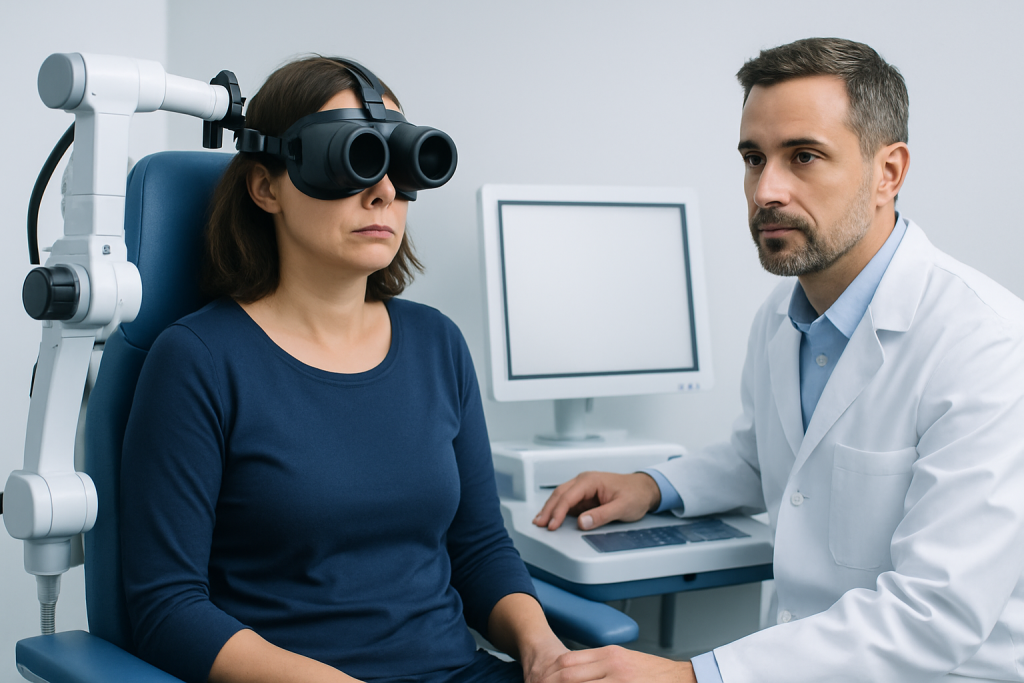
Symptoms vary depending on which part of the vestibular system is affected and how suddenly the problem begins. The most common complaint is vertigo, often described as spinning, tilting, swaying, or being pulled to one side. Some people feel worse when they turn in bed, look up, stand quickly, or move through busy visual environments.
Other common symptoms include imbalance, nausea, vomiting, motion sensitivity, blurred vision with head movement, and difficulty focusing. Some people feel as though they are walking on a boat or cannot trust their footing. Fatigue and anxiety may also develop, especially when symptoms are recurrent or unpredictable.
If the underlying cause involves the inner ear, hearing-related symptoms may occur too. These can include tinnitus, muffled hearing, ear fullness, or hearing loss. Conditions such as Ménière’s disease can cause episodes of vertigo together with fluctuating hearing symptoms.
Not all dizziness is vestibular. Lightheadedness from dehydration, low blood pressure, heart rhythm problems, low blood sugar, medication side effects, or panic can feel different, but there can be overlap. That is why symptom pattern, triggers, duration, and associated signs are important clues during evaluation.
Causes and risk factors

Vestibular disease can arise from disorders of the inner ear, vestibular nerve, brainstem, or cerebellum. One of the most common causes is benign paroxysmal positional vertigo, often shortened to BPPV, in which tiny crystals in the inner ear move into the wrong location and trigger brief episodes of vertigo with head movement. Vestibular neuritis is another cause and usually results from inflammation affecting the balance nerve, often leading to sudden severe vertigo and unsteadiness.
Other causes include labyrinthitis, which may affect both balance and hearing; Ménière’s disease; vestibular migraine; head injury; age-related degeneration of the balance system; and certain medications that can affect the inner ear. Less commonly, dizziness may relate to neurologic conditions, circulation problems, tumors, or autoimmune disease.
Risk factors depend on the diagnosis. Older age increases the likelihood of balance system decline and BPPV. Migraine history raises the chance of vestibular migraine. Recent viral illness, ear infection, trauma, diabetes, and exposure to ototoxic medicines may also increase risk in some cases.
Because dizziness can have many possible explanations, clinicians also consider conditions outside the vestibular system. These may include heart disease, anemia, thyroid disorders, anxiety, and stroke. In selected situations, evaluation may overlap with care for brain tumor or cerebrovascular disease if symptoms suggest a central nervous system cause rather than a purely inner ear problem.
How vestibular disease is diagnosed
Diagnosis begins with a careful history. A doctor will usually ask what the sensation feels like, how long it lasts, whether it is triggered by motion or position change, and whether there are hearing changes, headache, infection, fainting, weakness, numbness, or visual symptoms. These details often help narrow the likely cause before any tests are done.
The physical examination typically includes eye movement testing, balance assessment, walking evaluation, and maneuvers that provoke or relieve symptoms. For example, positional testing can help diagnose BPPV. Doctors may also examine hearing, check for involuntary eye movements called nystagmus, and perform neurologic tests to look for signs that point to the brain rather than the inner ear.
Additional testing depends on the clinical picture. Hearing tests, vestibular function tests, blood tests, and imaging such as MRI may be recommended when symptoms are persistent, atypical, associated with hearing loss, or concerning for a central cause. In some cases, assessment may involve advanced MRI imaging or a dedicated neurological rehabilitation plan after the cause is established.
An accurate diagnosis matters because treatment differs greatly between conditions. A person with BPPV may improve with a simple repositioning maneuver, while someone with vestibular migraine may need migraine-focused management. Similarly, sudden dizziness with neurologic signs may require urgent evaluation for stroke rather than routine vestibular care.
Modern treatment approaches
Treatment for vestibular disease is guided by the underlying diagnosis, symptom severity, and how long the symptoms have been present. For BPPV, canalith repositioning maneuvers are often the first-line treatment and can be highly effective. For acute vestibular neuritis or labyrinthitis, treatment may involve short-term symptom relief, hydration, rest, and gradual movement as tolerated.
Medicines may be used for nausea, vomiting, motion sensitivity, or severe vertigo, especially in the early phase of illness. However, they are usually not meant for long-term routine use in many vestibular conditions because prolonged use can slow the brain’s natural compensation. If there is an infection, inflammation, migraine, or Ménière’s disease, treatment is tailored to that specific problem.
Vestibular rehabilitation is an important modern approach, especially for persistent imbalance, visual blurring with head motion, or delayed recovery. These exercises are designed to help the brain adapt, improve gaze stability, and restore confidence with walking and daily activities. Some patients may also need hearing evaluation or management through hearing-related interventions if inner ear damage affects both balance and hearing.
Surgery is less common but may be considered in select cases, such as structural problems, tumors, refractory Ménière’s disease, or conditions affecting the ear and skull base. In these situations, specialists may consider targeted ear surgery or other procedures after careful testing. The best treatment plan often involves collaboration between ENT specialists, neurologists, audiologists, and rehabilitation professionals.
Outlook, recovery, and daily self-care
The outlook for vestibular disease depends on the cause. Many people recover well, especially when the diagnosis is clear and treatment starts promptly. BPPV often responds quickly to repositioning maneuvers, while vestibular neuritis may improve over weeks as the brain adapts. Chronic conditions such as Ménière’s disease or vestibular migraine may fluctuate over time but can often be managed effectively.
Recovery is not always immediate. Even after the main vertigo settles, some people continue to feel off balance or visually sensitive for a period of time. This does not always mean the disease is worsening; it may reflect the normal process of vestibular compensation. Gradual return to movement, guided exercises, and avoidance of unnecessary bed rest can support recovery.
At home, self-care may include staying hydrated, rising slowly, reducing fall risks, and avoiding activities such as driving during active vertigo. Keeping a symptom diary can help identify triggers, especially if episodes relate to head position, stress, diet, or migraine patterns. People with recurrent symptoms should ask a clinician before using over-the-counter remedies regularly.
For international patients seeking coordinated assessment, Acibadem International’s multidisciplinary specialists and JCI-accredited hospitals evaluate vestibular conditions with neurology, ENT, imaging, and rehabilitation services when needed. Ongoing follow-up is often just as important as the first diagnosis, because symptoms and triggers can change over time.
When to seek medical care
Medical evaluation is appropriate for new, severe, recurrent, or unexplained dizziness, especially when symptoms interfere with walking, working, or daily activities. A person should also seek care if vertigo is accompanied by hearing loss, ringing in one ear, persistent vomiting, recent head injury, or symptoms that last longer than expected.
Urgent medical care is needed if dizziness happens together with possible stroke or brain-related warning signs. These include sudden weakness, facial drooping, trouble speaking, double vision, loss of coordination, severe headache, fainting, chest pain, or new numbness. These symptoms are not typical of simple positional vertigo and should be assessed immediately.
Older adults should be especially careful because balance disorders increase the risk of falls. Even mild but repeated unsteadiness deserves attention if it leads to near-falls, fear of walking, or reduced independence. Early assessment can help prevent complications and identify treatable causes.
Because dizziness has many possible explanations, self-diagnosis can be misleading. A qualified doctor can determine whether the problem is vestibular, neurologic, cardiovascular, medication-related, or linked to another condition, and then recommend the safest next steps.
Frequently asked questions
Is vestibular disease the same as vertigo?
No. Vestibular disease is a broad term for disorders affecting the balance system, while vertigo is one symptom that can occur with those disorders. A person may have vestibular disease with spinning sensations, general dizziness, imbalance, or motion sensitivity.
Can vestibular disease go away on its own?
Some vestibular problems improve on their own or with simple treatment, especially short-lived conditions such as BPPV or some cases of vestibular neuritis. Others are recurrent or chronic and benefit from ongoing management, follow-up, and rehabilitation.
How long does recovery usually take?
Recovery time varies widely depending on the cause. Some people improve within days, while others need weeks or months for symptoms such as imbalance or motion sensitivity to settle. Persistent symptoms do not always mean serious disease, but they should be reviewed by a clinician.
What tests are used to diagnose vestibular disease?
Doctors usually begin with a detailed history and physical examination, including eye movement and balance testing. Depending on the case, hearing tests, positional maneuvers, vestibular testing, and imaging such as MRI may be recommended.
Can anxiety cause symptoms similar to vestibular disease?
Yes. Anxiety can cause lightheadedness, unsteadiness, and a sense of disequilibrium, and it can also make a true vestibular problem feel worse. Because symptoms can overlap, proper evaluation is important to identify whether the main issue is vestibular, psychological, or both.
Is vestibular disease a sign of stroke?
Most vestibular disorders are not caused by stroke, but some stroke symptoms can look similar to vertigo at first. Immediate medical care is important if dizziness occurs with weakness, trouble speaking, severe headache, double vision, or poor coordination.
References
- National Institute on Deafness and Other Communication Disorders
- National Institute of Neurological Disorders and Stroke
- American Academy of Otolaryngology–Head and Neck Surgery
- Ménière’s Society
- Vestibular Disorders Association
This article is for general information only and is not a substitute for professional medical advice. Please consult a qualified doctor about your individual situation.
Persistent digestive symptoms? Get evaluated in Turkey
JCI-accredited · board-certified surgeons · reply within 24h
Add us as a Preferred Source to see more of our trusted health content across Google Search, AI Overviews and Discover.
Check your numbers in seconds
BMI, calories, due date, blood pressure and 30+ more clinical calculators — free, instant, doctor-reviewed ranges.