Understanding Disease Pah: A Complete Patient Guide

Disease PAH is a specific type of pulmonary hypertension that affects the small arteries in the lungs. Common symptoms include shortness of breath, fatigue, chest discomfort, dizziness, and swelling in the legs or abdomen.
Key Takeaways
- Disease PAH is a specific type of pulmonary hypertension that affects the small arteries in the lungs.
- Common symptoms include shortness of breath, fatigue, chest discomfort, dizziness, and swelling in the legs or abdomen.
- Diagnosis usually requires specialist testing, including echocardiography and confirmation with right heart catheterization.
- Treatment may include medicines, oxygen in selected cases, supervised activity, and management of underlying causes or related conditions.
- Early medical assessment is important because symptoms can resemble asthma, deconditioning, or other heart and lung problems.
Disease PAH refers to pulmonary arterial hypertension, a condition in which blood pressure rises in the arteries that carry blood from the heart to the lungs. It can cause breathlessness, tiredness, and reduced exercise tolerance, but careful evaluation and modern treatment can help many people manage it effectively.
What disease PAH means
Disease PAH means pulmonary arterial hypertension. This is a form of high blood pressure that affects the blood vessels inside the lungs, especially the small pulmonary arteries. As these vessels become narrowed, stiffened, or blocked, the heart has to work harder to push blood through them.
Over time, that extra strain mainly affects the right side of the heart, which pumps blood to the lungs. If not recognized and treated, PAH can reduce oxygen delivery during activity and gradually limit daily function. Symptoms often begin subtly, so many people first notice unexplained breathlessness or fatigue rather than severe illness.
PAH is not the same as ordinary high blood pressure measured in the arm. It is also not the same as every type of pulmonary hypertension. Pulmonary hypertension is a broader term, while PAH is a specific subgroup with its own causes, tests, and treatments.
Understanding this difference matters because treatment depends on identifying the exact reason for elevated pressure in the lungs. A specialist evaluation helps separate PAH from other problems such as left-sided heart disease, chronic lung disease, blood clots, or sleep-related breathing disorders.
How PAH affects the body and what symptoms can appear
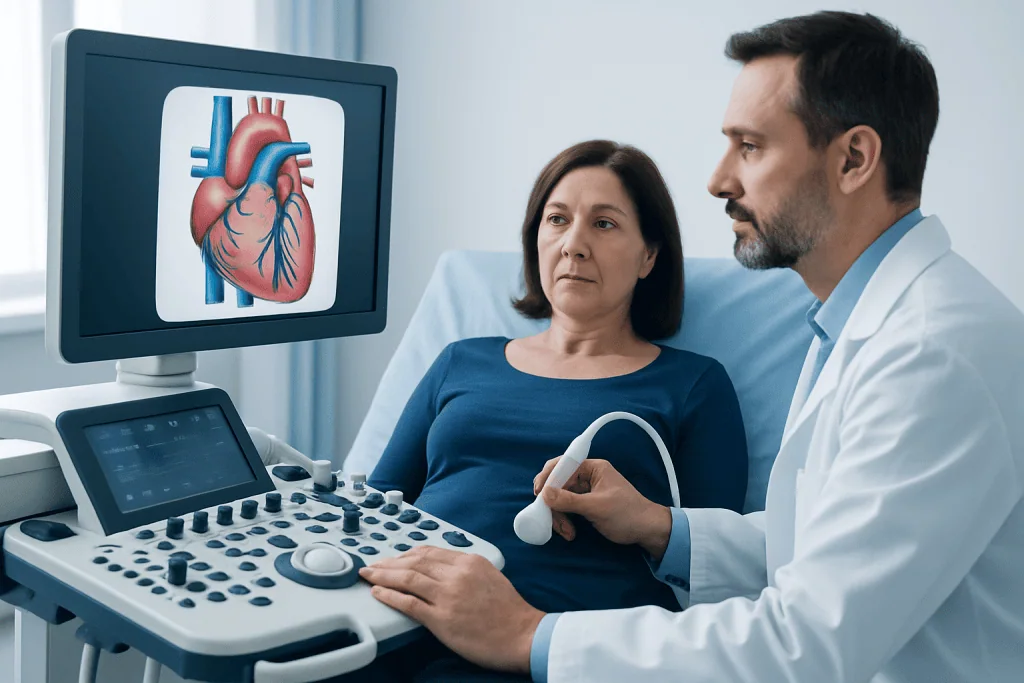
The main effect of PAH is reduced blood flow through the lungs and increased workload on the right ventricle of the heart. In early stages, a person may feel well at rest but become short of breath while walking uphill, climbing stairs, or carrying groceries. As the condition progresses, symptoms may appear with lighter activity or, in more advanced cases, even at rest.
Symptoms can be vague at first, which is one reason diagnosis may be delayed. People sometimes assume they are out of shape, getting older, or recovering slowly from another illness. However, persistent or worsening symptoms should be assessed rather than ignored.
- Shortness of breath, especially with exertion
- Unusual tiredness or weakness
- Chest pressure or discomfort
- Dizziness or fainting, especially during activity
- Fast heartbeat or palpitations
- Swelling in the ankles, legs, or abdomen
- Reduced ability to exercise
- Bluish lips or fingers in more advanced disease
These symptoms are not unique to PAH and can overlap with conditions such as asthma, chronic obstructive pulmonary disease, anemia, or other heart problems. That is why symptom patterns alone are not enough; proper testing is needed to confirm the diagnosis and guide treatment safely.
Causes, associated conditions, and risk factors

PAH can happen for different reasons. In some people, no clear cause is found, which is called idiopathic PAH. In others, it is linked to inherited gene changes, connective tissue diseases, congenital heart disease, portal hypertension related to liver disease, HIV infection, or exposure to certain drugs or toxins.
Doctors also look carefully for conditions that can mimic or accompany PAH. For example, chronic lung disease, heart failure, and chronic blood clots in the lungs can all raise pressure in the pulmonary circulation, but they are managed differently. A complete assessment helps determine whether the patient truly has PAH or another form of pulmonary hypertension.
Risk factors depend on the underlying cause. A family history of PAH may increase risk, as may autoimmune conditions such as scleroderma or lupus. Some people are evaluated after unexplained fainting, progressive exercise limitation, or findings on imaging or echocardiography performed for another reason.
PAH can affect adults of different ages, and less commonly it may occur in children. Because the condition is uncommon and symptoms are nonspecific, referral to an experienced center is often helpful for confirming the diagnosis and identifying related medical issues that may influence treatment choices.
How disease PAH is diagnosed
Diagnosis usually begins with a detailed medical history and physical examination. A doctor asks about symptoms, exercise tolerance, fainting spells, swelling, prior blood clots, connective tissue disease, family history, and medicine or toxin exposure. Initial tests often include blood work, chest imaging, lung function testing, electrocardiography, and echocardiography.
An echocardiogram can suggest elevated pressure in the lungs and show how the right side of the heart is functioning, but it cannot confirm PAH on its own. The key confirmatory test is right heart catheterization, which directly measures pressures in the heart and pulmonary arteries. This test helps distinguish PAH from other causes of pulmonary hypertension and is essential before starting PAH-specific therapy.
Doctors may also perform a walking test, oxygen assessment, and scans to rule out chronic clots or structural heart disease. In selected cases, additional tests look for autoimmune disease, liver disease, HIV, sleep apnea, or inherited forms of PAH. The goal is not only to name the condition but to classify it accurately.
Because diagnosis can be complex, patients may benefit from care by teams familiar with advanced cardiopulmonary testing, including cardiology evaluation and pulmonology assessment. This coordinated approach supports more precise treatment planning and follow-up.
Treatment options and long-term management
There is no single treatment that suits every person with PAH. Care is tailored according to symptoms, test results, the cause of PAH, exercise capacity, oxygen levels, and how the right side of the heart is coping. Treatment usually aims to lower pressure in the pulmonary arteries, improve symptoms, protect heart function, and slow progression.
PAH-specific medicines may target several pathways involved in vessel narrowing and remodeling. Depending on the individual case, treatment may include endothelin receptor antagonists, phosphodiesterase-5 inhibitors, soluble guanylate cyclase stimulators, prostacyclin-based therapies, or combinations of these medicines. Some patients also need diuretics for fluid retention, oxygen if levels are low, anticoagulation in selected situations, or treatment for associated conditions.
Follow-up is just as important as the first prescription. Doctors monitor symptoms, exercise tolerance, blood tests, echocardiography, and sometimes repeat catheter-based measurements to see whether treatment is working. If PAH is severe or continues to progress despite therapy, more advanced interventions may be discussed, including lung transplant evaluation for selected patients.
Management often involves more than medication alone. Nutrition, gentle physical conditioning, vaccination, emotional support, and careful planning around pregnancy and surgery may all be part of care. In experienced centers, a multidisciplinary team can help coordinate these issues and adapt treatment over time.
Living with PAH: self-care, activity, and prevention
Self-care cannot replace medical treatment, but it can support day-to-day wellbeing. People with PAH are often advised to pace activities, avoid overexertion, and stay attentive to changes in breathing, swelling, weight, or exercise tolerance. Structured activity under medical guidance may be beneficial, while intense unsupervised exertion may not be suitable for everyone.
Smoking should be avoided, and vaccinations such as influenza and pneumococcal vaccines are often recommended because lung infections can worsen symptoms. Good sleep, a balanced diet, and limiting excess salt when fluid retention is a problem may also help. Patients should ask their doctor before using over-the-counter supplements or decongestants, as some products may affect the heart or blood vessels.
Pregnancy requires special discussion because PAH can increase risks for both the mother and baby. Travel, especially to high altitude or with limited access to oxygen, may also need planning. Emotional wellbeing matters too, since chronic breathlessness and uncertainty can affect mood, relationships, and independence.
Prevention is not always possible, especially in idiopathic or inherited PAH. However, timely treatment of related conditions, avoiding harmful drug exposures, and seeking evaluation for persistent unexplained breathlessness may reduce delays in diagnosis. For some patients, assessment in a center that also manages related pulmonary hypertension conditions can be helpful for ongoing care.
When to seek medical care
Medical review is advisable if a person has unexplained shortness of breath, unusual fatigue, chest discomfort, reduced exercise tolerance, or swelling in the legs that does not improve. Even mild symptoms deserve attention when they persist or gradually worsen over weeks to months. Early assessment can help identify whether the problem is PAH or another treatable heart or lung condition.
Urgent medical attention is needed for fainting, severe chest pain, marked breathlessness at rest, rapidly increasing swelling, bluish discoloration, or signs of very low oxygen. These symptoms can signal significant strain on the heart or another serious cardiopulmonary problem. Patients already diagnosed with PAH should also seek prompt advice if their usual symptoms suddenly worsen.
Because PAH care can require input from several specialties, some patients are referred to centers with coordinated expertise in heart and lung disorders. Acibadem International’s multidisciplinary specialists and JCI-accredited hospitals diagnose and treat PAH for international patients, with individualized evaluation when needed.
People should not change or stop prescribed PAH medicines without medical guidance. Regular follow-up, awareness of warning signs, and open communication with a qualified doctor are central parts of safe long-term care.
Frequently asked questions
Is disease PAH the same as pulmonary hypertension?
Not exactly. Pulmonary hypertension is a broad term for high pressure in the lung circulation, while PAH is a specific subtype that affects the small pulmonary arteries. The distinction matters because the causes and treatments are different.
What is usually the first sign of PAH?
For many people, the earliest sign is shortness of breath during activity that used to feel easy. Fatigue and reduced stamina are also common early symptoms. Because these changes can be subtle, they are sometimes mistaken for lack of fitness or aging.
Can PAH be cured?
PAH is usually considered a chronic condition rather than one that can simply be cured with a single treatment. However, many patients improve with modern therapies and careful follow-up. The main goals are to control symptoms, support heart function, and slow disease progression.
How is PAH confirmed?
Doctors often suspect PAH based on symptoms, examination, and echocardiography. Confirmation usually requires right heart catheterization, which directly measures pressures inside the heart and pulmonary arteries. Additional tests help determine the cause and rule out other forms of pulmonary hypertension.
Can exercise help if someone has PAH?
Appropriate activity may help many patients maintain function and wellbeing, but it should be individualized. Gentle or supervised exercise is often preferred over intense exertion. A doctor can advise what level of activity is safe based on symptoms and test results.
Is PAH hereditary?
Some cases are linked to inherited gene changes, but not all PAH is hereditary. Many people have no family history, while others may be offered genetic counseling or testing based on their personal and family background. A specialist can explain whether inherited PAH is a concern in a specific case.
References
- World Health Organization
- National Heart, Lung, and Blood Institute
- European Society of Cardiology
- American Heart Association
- Pulmonary Hypertension Association
This article is for general information only and is not a substitute for professional medical advice. Please consult a qualified doctor about your individual situation.
Heart care in Turkey — expert evaluation and treatment
JCI-accredited · board-certified surgeons · reply within 24h
Add us as a Preferred Source to see more of our trusted health content across Google Search, AI Overviews and Discover.
Check your numbers in seconds
BMI, calories, due date, blood pressure and 30+ more clinical calculators — free, instant, doctor-reviewed ranges.