Rife Machine: An Evidence-Based Guide for Patients

A rife machine is marketed as a frequency-based therapy device, but its health claims are not supported by strong clinical evidence. There is no reliable proof that rife machines can cure cancer, chronic infections, or other major diseases.
Key Takeaways
- A rife machine is marketed as a frequency-based therapy device, but its health claims are not supported by strong clinical evidence.
- There is no reliable proof that rife machines can cure cancer, chronic infections, or other major diseases.
- The main risk is delaying diagnosis or effective treatment while relying on an unproven device.
- Some devices may also pose electrical safety concerns or interfere with medical equipment.
- Patients should discuss symptoms and treatment decisions with a qualified healthcare professional.
A rife machine is a device promoted as using electromagnetic frequencies to treat illness, but current medical evidence does not show that it can cure cancer, infections, or other serious diseases. Patients considering one should understand the claims, the limits of the evidence, and the importance of proven medical care.
What Is a Rife Machine?
A rife machine is a device advertised as using specific electromagnetic frequencies to identify, weaken, or destroy harmful cells, bacteria, viruses, or other causes of illness. In patient-facing marketing, these devices may also be described as frequency generators, bioresonance devices, or energy-based wellness tools. The central claim is that illness can be treated by exposing the body to targeted frequencies.
From an evidence-based medical perspective, a rife machine is considered an unproven therapy. While electricity, sound, and electromagnetic energy do have legitimate roles in medicine, such as imaging, nerve stimulation, radiation therapy, and physical rehabilitation, that does not mean every frequency-based claim is medically valid. A key point for patients is that the existence of real medical technology does not confirm the claims made for consumer or alternative devices.
The idea is often traced back to early 20th-century theories that microorganisms and diseased tissues could be selectively destroyed by matching frequencies. However, these theories were not established through the kind of rigorous, reproducible research used in modern medicine. Today, mainstream healthcare does not recognize rife machines as proven treatments for cancer, infections, autoimmune disease, or chronic pain.
What Claims Are Made About Rife Machines?
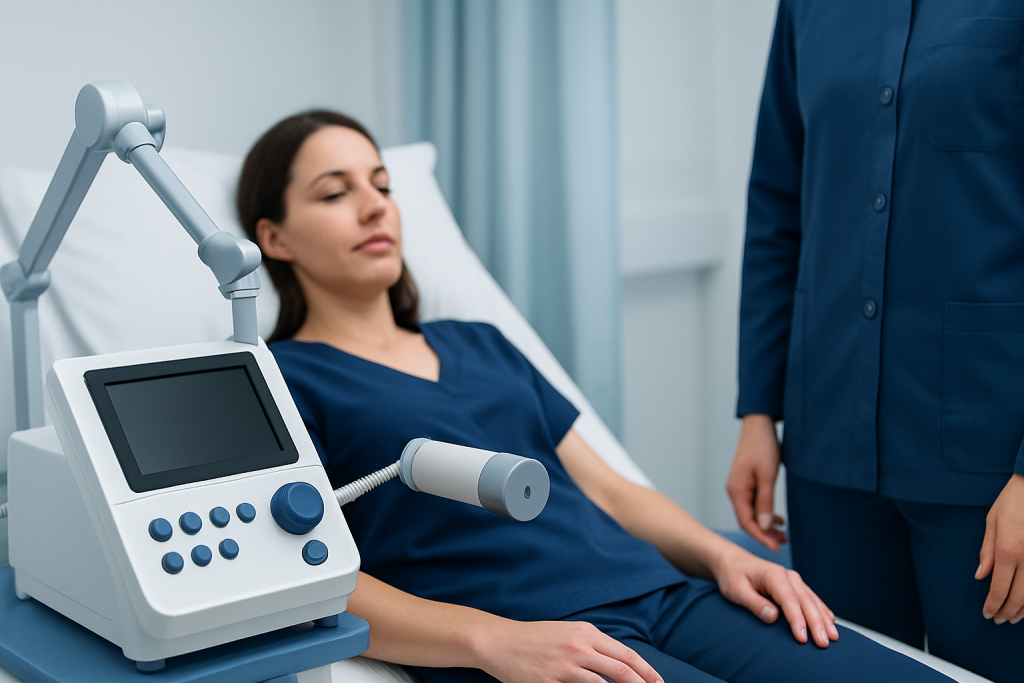
Rife machines are commonly promoted online for a wide range of conditions. Advertisements may suggest they can help with cancer, Lyme disease, chronic fatigue, viral infections, pain syndromes, skin conditions, digestive problems, and general wellness. Some sellers use scientific-sounding language, including terms such as resonance, detoxification, frequency balancing, or cellular repair, which can make the claims seem more credible than the evidence supports.
It is important to separate marketing language from medical proof. A treatment claim requires carefully designed human studies showing that the device works better than placebo or standard care and that it is acceptably safe. For rife machines, that level of evidence is lacking. Testimonials and personal stories may be compelling, but they do not establish whether a device truly caused improvement.
Patients may be especially vulnerable to bold claims when they are living with chronic symptoms, pain, or a serious diagnosis. That is understandable. Still, when a device is presented as a substitute for standard treatment, caution is essential. For example, people with suspected or confirmed cancer should seek specialist evaluation rather than relying on an unverified device.
What Does the Evidence Say?

At present, there is no high-quality clinical evidence showing that a rife machine can cure or effectively treat major diseases. Reliable medical evidence usually comes from controlled trials, independent replication, clear safety reporting, and publication in reputable peer-reviewed journals. These standards help distinguish promising ideas from treatments that only appear helpful because of placebo effects, natural symptom fluctuation, or selective reporting.
Some people report feeling better after using a rife machine, but improvement alone does not prove effectiveness. Symptoms can change over time for many reasons, including rest, reduced stress, standard treatment taken at the same time, or the natural course of an illness. In chronic conditions, periods of improvement and relapse are common, which can easily be mistaken for a treatment effect.
Another issue is biological plausibility. The broad claim that one device can use frequencies to treat many unrelated diseases is not supported by current understanding of pathology, microbiology, oncology, or immunology. In contrast, established therapies are developed for specific conditions and tested in well-defined patient groups. Patients comparing options may find it helpful to ask whether a claim has been studied in humans, against what outcome, and by whom.
When symptoms suggest a serious disease, evidence-based diagnosis matters. Depending on the concern, doctors may recommend blood tests, imaging, biopsy, or specialist assessment rather than experimental self-treatment. This can be especially important when symptoms overlap with conditions such as brain tumor or other illnesses that need prompt medical care.
Potential Risks and Safety Concerns
The biggest risk of a rife machine is not always the device itself, but the possibility of delayed diagnosis or delayed effective treatment. If a person uses an unproven device while a disease progresses, the lost time can matter. This is particularly important for conditions where early treatment improves outcomes, including cancer, severe infection, and certain neurological disorders.
Physical risks may also exist. Depending on the design, some devices can cause skin irritation from electrodes, discomfort from electrical stimulation, or injury if used incorrectly. Devices that are poorly made or improperly maintained may raise electrical safety concerns. People with implanted medical equipment, such as pacemakers or other electronic devices, should be especially careful and speak to their doctor before using any electrical or electromagnetic product.
There are also indirect risks. Some sellers advise users to stop prescribed treatment, avoid vaccinations, or distrust standard medical care. That advice can be harmful. Patients should be cautious about any product promoted with conspiracy-based messaging, claims of universal cure, or statements that a treatment works for nearly every disease but is being hidden by mainstream medicine.
For people already receiving treatment, the safest approach is to discuss any complementary therapy with the clinical team. This helps reduce the risk of missed interactions, confusion about symptoms, or false reassurance. In serious illnesses, coordinated care is more protective than self-directed experimentation.
How Doctors Evaluate the Conditions Rife Machines Are Said to Treat
Many symptoms that lead people to search for a rife machine are real and deserve careful medical assessment. Fatigue, pain, weakness, unexplained weight loss, swollen lymph nodes, fevers, numbness, or persistent digestive symptoms can have many causes. A doctor’s role is to identify the underlying problem rather than assume one device can address them all.
Evaluation usually starts with a medical history and physical examination, followed by tests based on the symptoms. These may include laboratory studies, ultrasound, CT, MRI, endoscopy, or tissue sampling. When cancer is suspected, pathology and imaging guide diagnosis and treatment planning. If a patient is exploring options after a diagnosis, the doctor can explain which treatments are standard, which are experimental, and what evidence supports each path.
For example, a person with a newly discovered mass may need a biopsy to confirm the diagnosis before any treatment decision is made. Someone with persistent neurological symptoms may need an MRI scan to look for structural causes. These steps are not simply routine; they provide the information needed to choose effective care and avoid unnecessary delay.
Evidence-Based Treatment Options Patients Can Consider
Treatment should match the diagnosed condition. For infections, evidence-based care may include appropriate antimicrobial treatment and monitoring. For chronic pain, options may include physical therapy, medications, exercise programs, psychological support, or selected interventional procedures depending on the cause. For autoimmune or inflammatory disorders, treatment may focus on reducing immune-related damage and controlling symptoms under specialist guidance.
In cancer care, treatment often involves a combination of surgery, medical oncology, and radiation oncology. These therapies are studied in large patient groups and adjusted according to tumor type, stage, molecular features, and a person’s overall health. Patients may hear about many alternatives online, but decisions are safest when guided by specialists who can explain expected benefits, side effects, and realistic goals. In some cases, recommended care may include chemotherapy or radiation therapy.
Complementary approaches can sometimes help patients feel better alongside standard treatment, as long as they are used safely and transparently. Examples may include nutrition counseling, sleep support, gentle exercise, stress management, and symptom-directed supportive care. The difference is that supportive measures are used to complement proven treatment, not replace it.
For international patients seeking coordinated evaluation, Acibadem International’s multidisciplinary specialists and JCI-accredited hospitals diagnose and treat complex conditions using evidence-based methods. Patients should still discuss the most appropriate plan with a qualified doctor who understands their medical history.
How to Judge Health Claims and Protect Yourself
When reading about a rife machine, it helps to ask a few practical questions. Is the claim supported by high-quality human studies? Are the studies independent, reproducible, and published in respected medical journals? Does the seller clearly explain risks and limits, or mainly rely on testimonials and dramatic promises?
Patients may also want to examine the wording closely. Claims such as “works for many diseases,” “targets root causes,” or “cannot be patented, so it is ignored” are not evidence. Neither are before-and-after stories without verified diagnosis, treatment details, or follow-up. If a treatment sounds broad enough to solve unrelated conditions, skepticism is reasonable.
It is also wise to tell the healthcare team about any device, supplement, or nonstandard therapy being considered. Open discussion does not mean a patient will be judged; it helps the team give safer advice. Shared decision-making is strongest when all therapies, including alternative ones, are on the table for honest review.
- Look for evidence from clinical trials, not only testimonials.
- Be cautious of claims that promise a cure for many unrelated diseases.
- Do not stop prescribed treatment without medical advice.
- Ask whether the product could interfere with implants or ongoing care.
- Seek a second opinion if a diagnosis or treatment recommendation is unclear.
When to Seek Medical Care
Medical care should be sought promptly for symptoms that are new, severe, persistent, or worsening. This includes unexplained weight loss, ongoing fever, shortness of breath, chest pain, seizures, weakness on one side, severe headache, confusion, persistent vomiting, bleeding, or a new lump that does not go away. These symptoms need proper evaluation, not self-treatment with an unproven device.
People with diagnosed cancer, significant infection, neurological symptoms, heart disease, or immune system problems should speak with their doctor before using a rife machine or any electrical wellness device. If treatment is already underway, any plan to add complementary therapies should be discussed with the medical team. This helps protect safety and keeps care focused on methods with known benefit.
If a person is considering a rife machine because standard treatment feels overwhelming, that concern itself is worth discussing. Doctors can often help with symptom relief, side effect management, second opinions, and clearer explanations of choices. Asking questions early is usually the safest and most reassuring next step.
Frequently asked questions
Does a rife machine really work?
There is no reliable clinical evidence that a rife machine can cure or effectively treat serious diseases such as cancer or infections. Claims are largely based on testimonials or theories that have not been proven in rigorous human studies.
Is a rife machine approved as a medical treatment?
Patients should not assume that a device marketed online has been cleared or approved for the health claims being made. Regulatory status varies by country, and many broad treatment claims are not supported by accepted medical evidence.
Can a rife machine treat cancer?
No strong medical evidence shows that a rife machine can treat or cure cancer. Anyone with suspected or confirmed cancer should speak with an oncology team about proven options and avoid delaying care.
Are rife machines safe to use?
Safety depends on the device and the person using it, but the most important risk is delaying proper diagnosis or effective treatment. Some devices may also cause skin irritation, discomfort, or electrical safety concerns, especially in people with implanted medical devices.
Why do some people say they felt better after using one?
People can feel better for many reasons, including placebo effects, natural changes in symptoms, lower stress, or standard treatments used at the same time. Personal experience matters, but it does not prove that a device is medically effective.
What should a patient do instead of relying on a rife machine?
The safest step is to get a proper medical evaluation for the symptoms or condition involved. A qualified doctor can explain the diagnosis, recommend evidence-based treatment, and discuss whether any complementary approaches can be used safely alongside standard care.
This article is for general information only and is not a substitute for professional medical advice. Please consult a qualified doctor about your individual situation.
Oncology care in Turkey — second opinion and treatment plan
JCI-accredited · board-certified surgeons · reply within 24h
Add us as a Preferred Source to see more of our trusted health content across Google Search, AI Overviews and Discover.

More from the Health Library

Optometrist — Explained by Medical Evidence, Not Myths

Learned Helplessness: What Patients Need to Know

Excedrin Extra Strength: What Patients Need to Know

Methylprednisolone Alcohol: An Evidence-Based Guide for Patients

Methylchloroisothiazolinone: An Evidence-Based Guide for Patients