Blood Sugar Monitor Without Finger Pricks — Explained by Medical Evidence, Not Myths
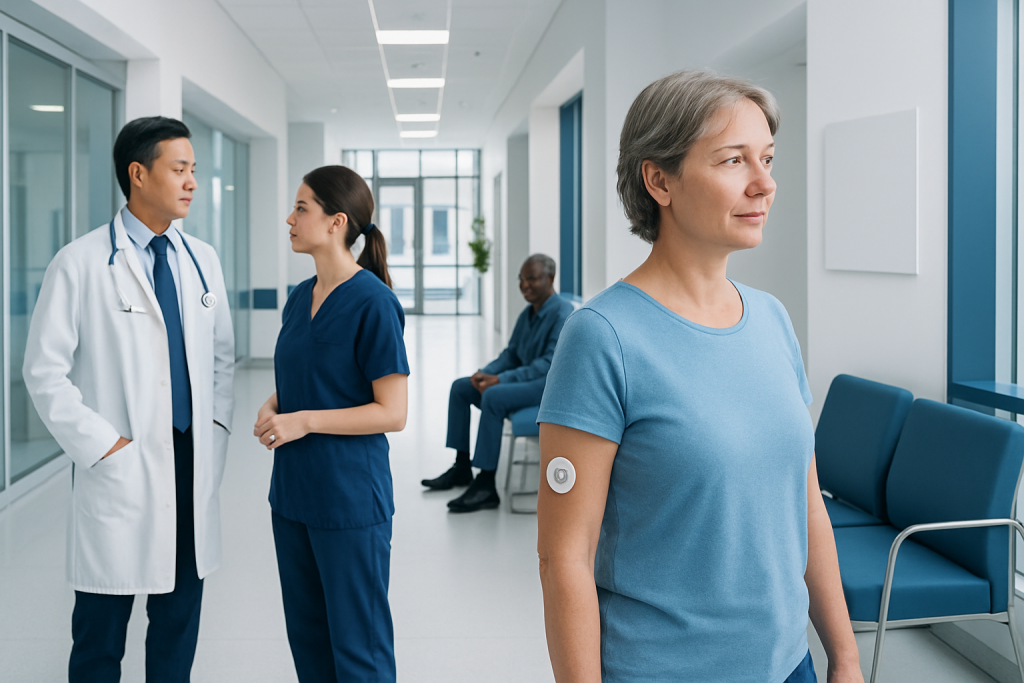
Most blood sugar monitors without finger pricks are continuous glucose monitors that measure glucose in interstitial fluid, not directly in blood. CGMs can show trends, alerts, and patterns that fingerstick checks alone may miss.
Key Takeaways
- Most blood sugar monitors without finger pricks are continuous glucose monitors that measure glucose in interstitial fluid, not directly in blood.
- CGMs can show trends, alerts, and patterns that fingerstick checks alone may miss.
- Not every device is completely fingerstick-free in every situation; some users may still need confirmatory testing.
- Device accuracy can be affected by timing, compression, sensor placement, and rapid glucose changes.
- The right monitor depends on a person’s diabetes type, treatment plan, lifestyle, and clinician advice.
A blood sugar monitor without finger pricks usually refers to a continuous glucose monitor, or CGM. These devices can reduce routine fingerstick testing by measuring glucose through a small sensor, but they still need correct use and medical guidance.
What a blood sugar monitor without finger pricks really means
A blood sugar monitor without finger pricks usually means a continuous glucose monitor, often called a CGM. Instead of taking a drop of blood from the fingertip several times a day, a CGM uses a very small sensor placed under the skin to estimate glucose levels in the fluid between the body’s cells. For many people, this greatly reduces the need for routine fingersticks.
This does not mean the technology is based on myths or “magic” readings. CGMs are medical devices studied in clinical practice and widely used in diabetes care. They can show current glucose, whether glucose is rising or falling, and patterns over hours or days, which helps people and clinicians make better-informed decisions.
At the same time, it is helpful to understand the limits. A CGM does not measure blood glucose directly in real time, and there can be a short lag compared with a fingerstick blood glucose reading, especially when levels are changing quickly after meals, exercise, or insulin treatment. That is why some situations may still call for a confirmatory fingerstick, depending on the device and the symptoms a person is having.
How continuous glucose monitors work
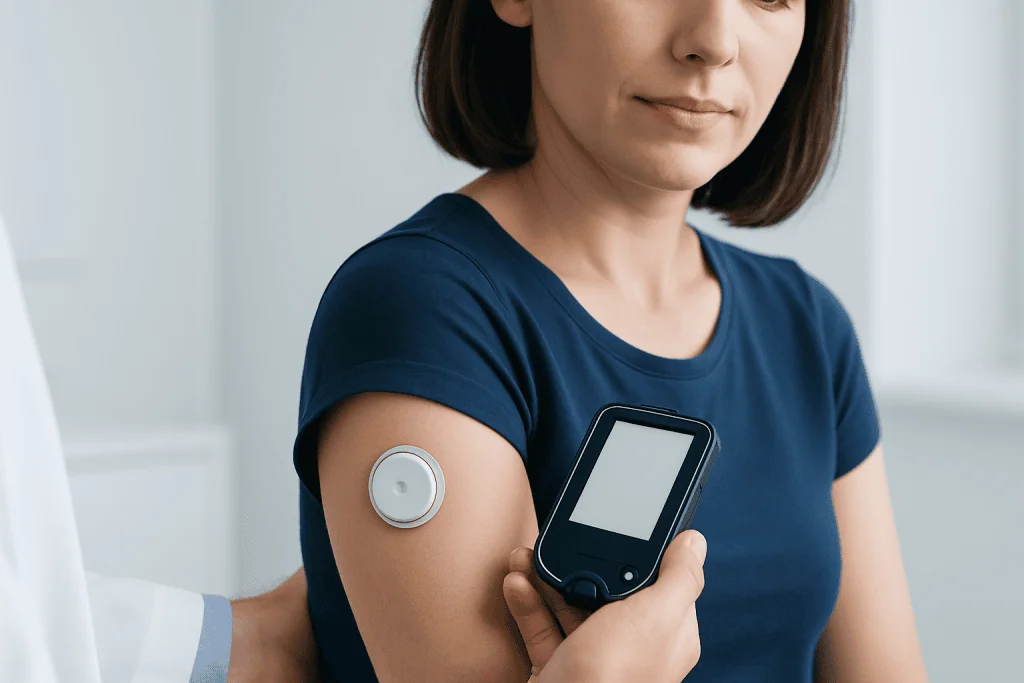
A CGM system usually has three parts: a small sensor worn on the body, a transmitter, and a receiver or smartphone app. The sensor is inserted just under the skin, often on the arm or abdomen, where it measures glucose in interstitial fluid. The transmitter sends data to a display device, allowing the user to see readings throughout the day and night.
Many modern systems update frequently and provide trend arrows, graphs, and alerts. This is one of the biggest differences from traditional self-monitoring with a meter. Instead of one reading at one moment, the user can see whether glucose is stable, climbing, or dropping. That broader view can support safer daily decisions about meals, activity, and medication timing.
Different CGM models work somewhat differently. Some are designed to send readings continuously in real time, while others require the user to scan the sensor to view the glucose value. Sensor wear time also differs between devices. A diabetes specialist can help decide whether a CGM is suitable and how it fits into a broader diabetes care plan.
Benefits, limits, and common myths
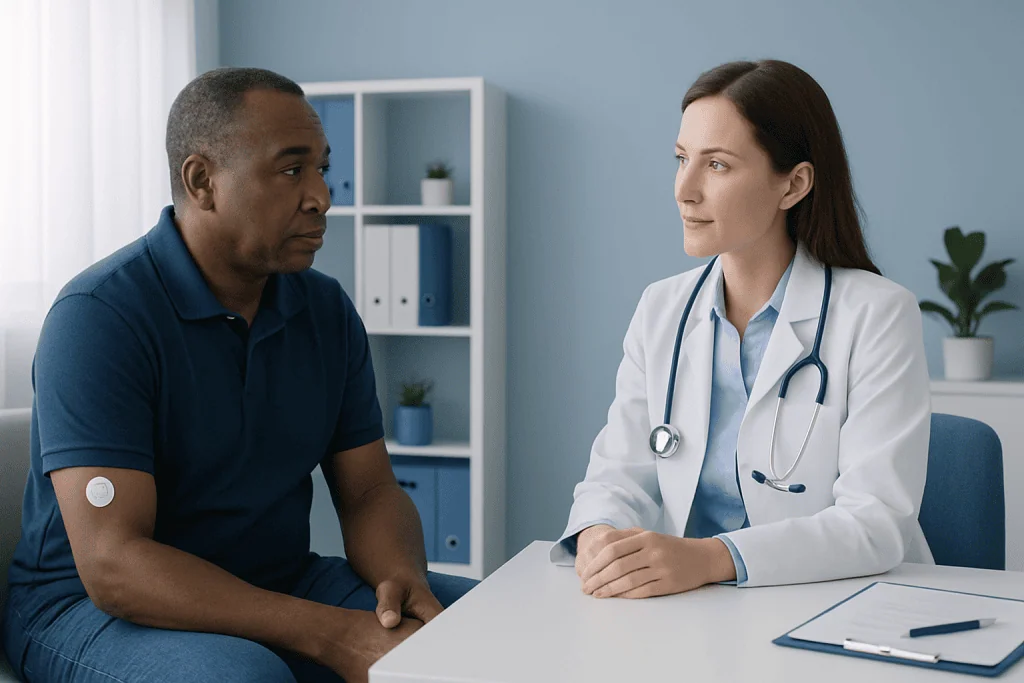
The main benefit of a blood sugar monitor without finger pricks is convenience combined with more information. People may be able to check glucose more often without repeated skin punctures, and they can review patterns that are difficult to detect with occasional testing. This may be especially helpful for people using insulin, those with hypoglycemia risk, pregnant patients with diabetes, and parents monitoring a child’s glucose.
Another important benefit is early warning. Many CGMs can alert users when glucose is low, high, or changing quickly. This can be useful overnight, during exercise, or when symptoms are unclear. In some situations, a CGM may help reduce unrecognized low blood sugar episodes and support more individualized treatment adjustments.
There are also misconceptions. A common myth is that these devices are always perfectly accurate in every situation. In reality, all glucose monitoring methods have limits. Readings may be less reliable during rapid glucose changes, if the sensor is compressed during sleep, if placement is not ideal, or if the sensor is nearing the end of its wear period. Another myth is that anyone can start a device without education. Safe use depends on understanding alerts, trend arrows, calibration needs if applicable, and when to verify readings with a meter.
- CGMs reduce routine fingersticks, but may not remove them in every circumstance.
- They provide trends and alerts, not just single-point readings.
- Symptoms should never be ignored if they do not match the displayed number.
- Education and follow-up improve the value of CGM data.
Who may benefit from this type of monitoring
CGM use is common in type 1 diabetes and increasingly used in type 2 diabetes, particularly for people taking insulin or medications that can cause hypoglycemia. It can also be useful for those who need closer glucose pattern tracking because of pregnancy, unpredictable schedules, exercise training, illness, or recurrent glucose swings.
Some people benefit because a CGM adds practical insight rather than because it fully replaces every fingerstick. For example, a person who has trouble noticing low blood sugar symptoms may gain important safety alerts. Someone trying to understand why morning glucose is high may learn more from overnight trend data than from occasional tests alone. A clinician may also use downloaded reports to adjust therapy more precisely.
CGM is not a one-size-fits-all solution. Skin sensitivity, device comfort, digital literacy, access to supplies, and personal preferences all matter. People without diabetes who are considering a monitor for general wellness should be cautious about overinterpreting data without medical context. Glucose readings can be useful, but they are not a diagnosis by themselves. Formal evaluation is still needed if diabetes is suspected, often including laboratory testing through check-up and screening services.
Accuracy, safety, and how to use the data well
Clinical evidence supports CGM as a valuable tool, but accurate interpretation is essential. Because CGMs measure interstitial glucose, there is usually a physiologic delay compared with capillary blood glucose. This matters most when glucose is changing quickly, such as after treating a low blood sugar episode or after a carbohydrate-heavy meal. In these moments, the trend direction can be as important as the exact number.
Users should follow device instructions carefully, including recommended insertion sites, warm-up periods, and replacement timing. If a reading seems unexpected or does not match symptoms, a fingerstick test may be needed, especially when there are signs of severe hypoglycemia or hyperglycemia. Good skin care around the sensor site also helps reduce irritation and improves adherence.
Clinicians often review metrics such as time in range, average glucose, and glucose variability rather than focusing only on isolated highs and lows. This can give a more balanced picture of glucose control. In some cases, CGM findings may lead to changes in nutrition, physical activity, or medication plans, including diabetes treatment or broader endocrine assessment through endocrinology services.
Diagnosis and treatment planning beyond the device
A blood sugar monitor without finger pricks can support management, but it does not replace diagnosis by a qualified clinician. Diabetes is usually diagnosed with established laboratory methods such as fasting plasma glucose, HbA1c, or an oral glucose tolerance test when appropriate. If someone has symptoms such as increased thirst, frequent urination, unexplained weight loss, fatigue, or blurred vision, professional assessment is important.
Treatment decisions should be based on the whole clinical picture. That includes the type of diabetes, current medications, age, coexisting conditions, pregnancy status, and risk of hypoglycemia. Some people may use CGM alone as a monitoring tool, while others may combine it with insulin pumps, multiple daily injections, or oral medications. Education on interpreting readings is a key part of success.
Monitoring is only one part of care. Nutrition planning, regular activity, sleep, stress management, and medication adherence all influence glucose levels. A person with persistent high readings, recurring lows, or signs of complications may need evaluation for related conditions such as diabetes complications. Near the end of the care pathway, some patients may choose assessment at centers such as Acibadem International, where multidisciplinary specialists in JCI-accredited hospitals diagnose and treat diabetes and related metabolic conditions for international patients.
Daily self-care and practical tips
People using a CGM usually get the most benefit when they focus on trends rather than reacting to every single number. A rising glucose line after a meal may suggest the need to review meal composition, timing, or medication strategy with a clinician. A repeated overnight drop may point to exercise timing, evening medication effects, or the need for treatment adjustment.
Practical routines can improve results. It helps to check that alerts are set appropriately, keep backup supplies available, and learn the device’s signal loss or error messages. Hydration, sleep, and consistent meal routines can make glucose patterns easier to interpret. People should also know how to respond to low or high readings using the plan given by their healthcare team.
Self-care does not mean self-diagnosis. If readings are persistently abnormal, if there is repeated unexplained hypoglycemia, or if a person feels unwell despite reassuring device values, medical review is sensible. CGM can be a powerful tool, but it works best as part of structured care rather than as a standalone gadget.
When to seek medical care
Medical care is important if a person has symptoms of possible diabetes, including excessive thirst, frequent urination, unusual fatigue, blurred vision, or unintended weight loss. Care is also advisable if home readings are repeatedly high or low, or if glucose patterns are becoming harder to manage despite following the treatment plan.
Urgent care is needed if there are signs of severe hypoglycemia, such as confusion, fainting, seizure, or inability to swallow safely. Prompt medical attention is also important for vomiting, abdominal pain, deep or rapid breathing, severe dehydration, or marked drowsiness, especially in someone with known diabetes. These symptoms can signal a serious metabolic problem and should not be managed by device readings alone.
Anyone starting a new glucose monitor without finger pricks should ask a qualified doctor or diabetes educator how to use it correctly, when to confirm a reading, and how the data will influence treatment. This helps turn the technology into meaningful, safe day-to-day care.
Frequently asked questions
Can a blood sugar monitor without finger pricks completely replace fingerstick testing?
For many people, a continuous glucose monitor can greatly reduce routine fingersticks. However, some situations still may require a fingerstick, such as when symptoms do not match the reading, glucose is changing rapidly, or the device instructions advise confirmation.
Does a CGM measure blood glucose directly?
No. A CGM measures glucose in interstitial fluid under the skin, not directly in a drop of blood from the fingertip. Because of this, there can be a short delay compared with blood glucose, especially after meals, exercise, or treatment of low blood sugar.
Who should consider using a blood sugar monitor without finger pricks?
People with type 1 diabetes often benefit, and many people with type 2 diabetes may benefit as well, especially if they use insulin or have low blood sugar risk. The best choice depends on treatment goals, daily routine, symptoms, and medical advice.
Are these devices accurate enough to trust?
CGMs are evidence-based medical devices and are considered reliable when used correctly. Still, no monitoring method is perfect, so users should understand device limits and seek confirmation when a reading seems inconsistent with how they feel.
Can someone without diabetes use a CGM for general health tracking?
Some people do, but the meaning of the data can be misunderstood without medical context. A CGM does not diagnose diabetes by itself, and unusual readings should be discussed with a qualified clinician rather than self-interpreted.
What is the main advantage of a CGM over a regular glucose meter?
The biggest advantage is continuous trend information. Instead of showing only one number at one moment, a CGM can display patterns, trend arrows, and alerts that may help detect highs and lows earlier.
This article is for general information only and is not a substitute for professional medical advice. Please consult a qualified doctor about your individual situation.
Explore treatments in Turkey — costs, top hospitals & a free quote
JCI-accredited · board-certified surgeons · reply within 24h
Add us as a Preferred Source to see more of our trusted health content across Google Search, AI Overviews and Discover.

More from the Health Library
Hyperreflexia: An Evidence-Based Guide for Patients
Correct weight for 5’2 female: Symptoms, Causes, and Treatment — Complete Patient Guide
Neurogenic Shock: What Patients Need to Know

Internist: An Evidence-Based Guide for Patients
Overbite — Explained by Medical Evidence, Not Myths